







If you’ve ever been to China, one of the first things you probably noticed was its filtered version of the internet, known as the Great Firewall of China, which blocks any site or app deemed sensitive by the Chinese government. This includes major sites such as Google, Facebook, and Twitter.
Being a small business owner, having access to my email is essential when traveling abroad. Fortunately, there are ways to get around the Great Firewall, so if you must post that latest picture you took on Instagram, you do have a few options:
Sign up for a VPN service
Using VPNs in China has been around since the beginning of the internet boom in China, and is quite popular with the local techies.
However, it’s always a tug of war between the various VPN providers and the central government, and it’s not unheard of to see smaller VPN providers get shutdown. Most of my friends living in China use ExpressVPN, which seems to be the most stable and reliable option.
Stay at Select Western Hotels
During my stays at the Grand Hyatt Shanghai & Park Hyatt Shanghai, I was able to access Google, Facebook, and the usual sites that China loves to restrict access to.

Unfiltered internet at the Park Hyatt Shanghai
Upon further digging, it seems like the hotels’ internet was being routed through a Hong Kong server.
Now I have no idea which hotels in China offer unfiltered internet (trip advisor would be a good place to start), and whether I got access due to my status as a foreigner, but it’s a huge benefit for staying guests to be able to connect with friends & family back home.
Google Fi
Google Fi has been my go to phone service provider while traveling abroad. With cellular service in over 100 countries and a very fair flat rate of $10 per GB used, it makes the days of going abroad and getting stuck with a triple figure bill a thing of the past.
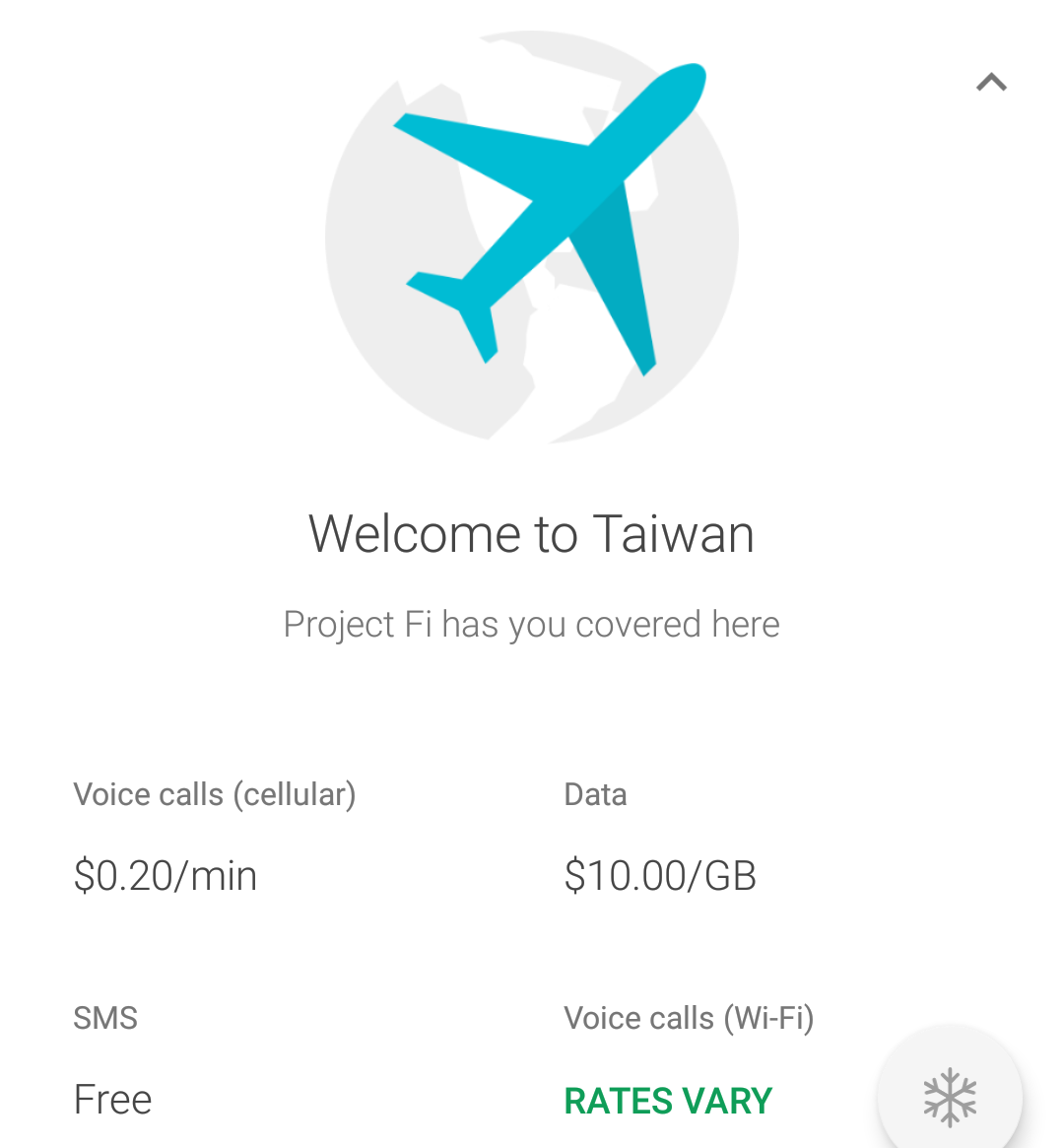
Calls are charged globally at a flat rate of $0.20 a minute when placed over domestic & foreign cellular networks. For calls placed over WiFi, I used Skype to save money, but Google does give you a discount.
There are sometimes quirks where incoming calls don’t come through, but I’ve always received SMS and never had any trouble with outgoing calls.
One of the best hidden benefits of using Google Fi in China is the apparent lack of any kind of Chinese Firewall that blocks access to most US based sites & apps. During my summer trip to Shanghai, I was able to access unfiltered internet throughout my stay, including Facebook. However, speeds were abysmal and I frequently was stuck with EDGE / 3G speeds that hearkened back to the ages of dial-up.
Thankfully, a couple months ago, 4G access on Google Fi’s Chinese partner “Unicom” was finally established and I was able to receive LTE service on my recent trip to Shenzhen.
Speeds were impressive (10 mb/s) and comparable to the broadband I was receiving at my hotel.
Best of all, the internet remained unfiltered and I was able to access Facebook messenger, Instagram, and most importantly of all, my Google email.

Using Facebook with Unicom LTE
I suspect the unfiltered internet was hard bargain won by Google, as having your accounts being blocked while in China obviously wouldn’t mesh well with a phone service provided by Google.
The biggest caveat is that you’ll need a Google Pixel, Nexus 6P, or Nexus 5X in order to receive Google Fi service. The good news is all three phones are highly rated, with the Google Pixel even receiving higher accolades from the tech industry then the Iphone 7.
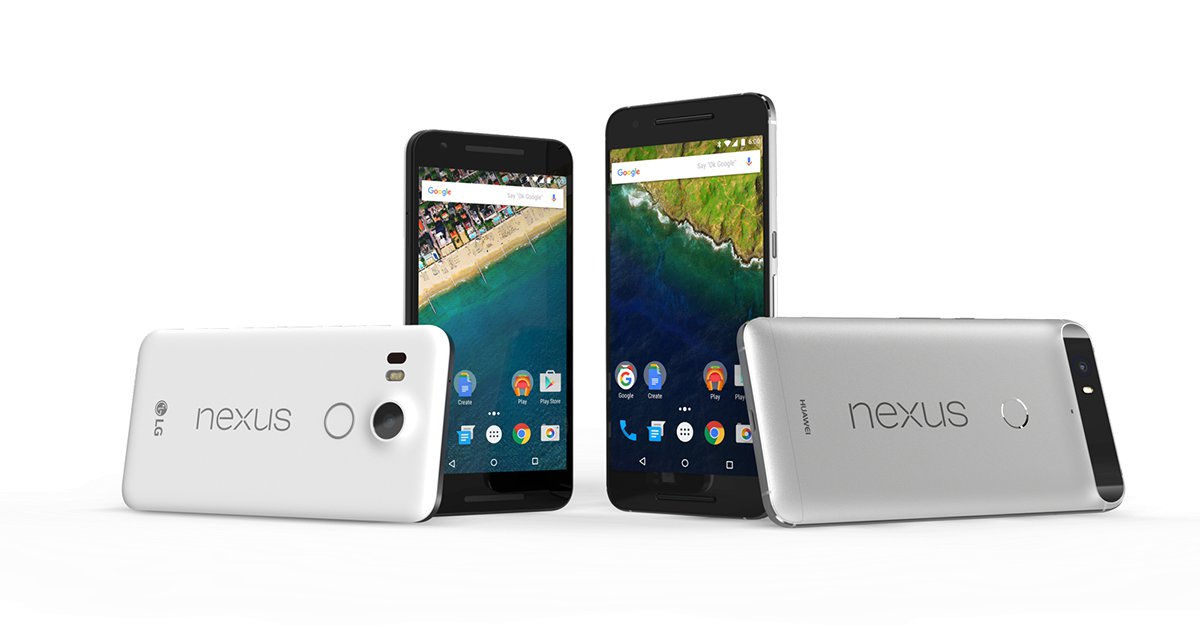
The Nexus 5X starts at only $199, which is priced quite reasonably considering how much money you’re saving.
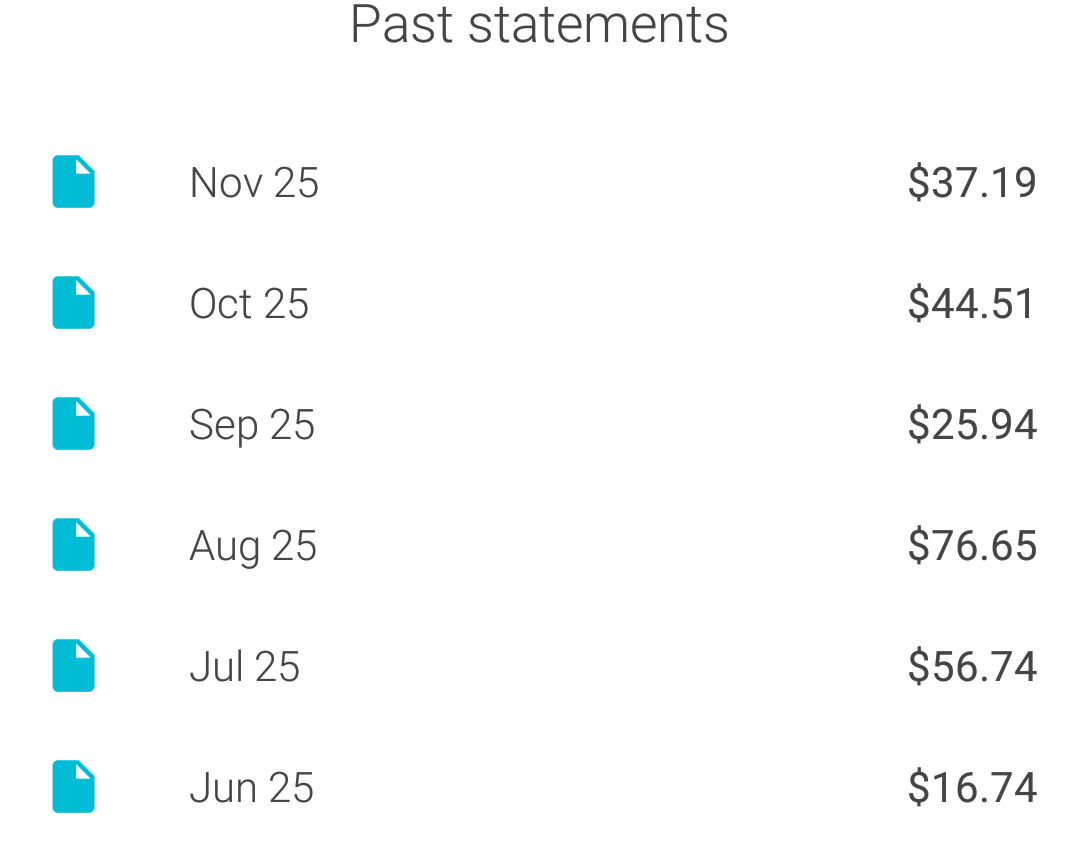
With moderate data use (no streaming video), your bill should run no more then $50-60 a month, a bargain for international data & phone usage.
For a limited time, Google is offering a $20 credit when you sign up.
Bottom Line: If you’re looking for a hassle free way to access unfiltered internet while you’re in China, a Google Fi plan is the perfect solution.
