Cherry Blossoms at Miyajima Island

The next morning we woke up refreshed and headed to the island of Miyajima, one of Japan’s most popular tourist destinations famous for its giant floating Torii gate and tame island deer.
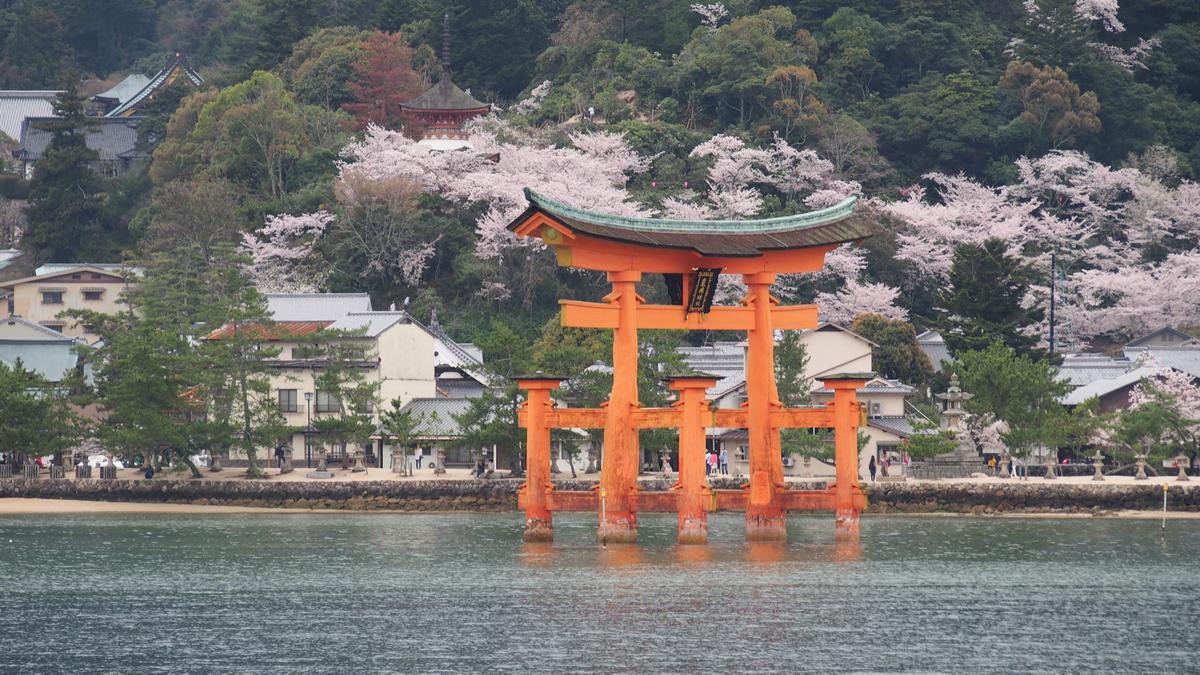
Miyajima Island's iconic orange torii gate stands in the water, backed by a mountain lush with cherry blossoms.

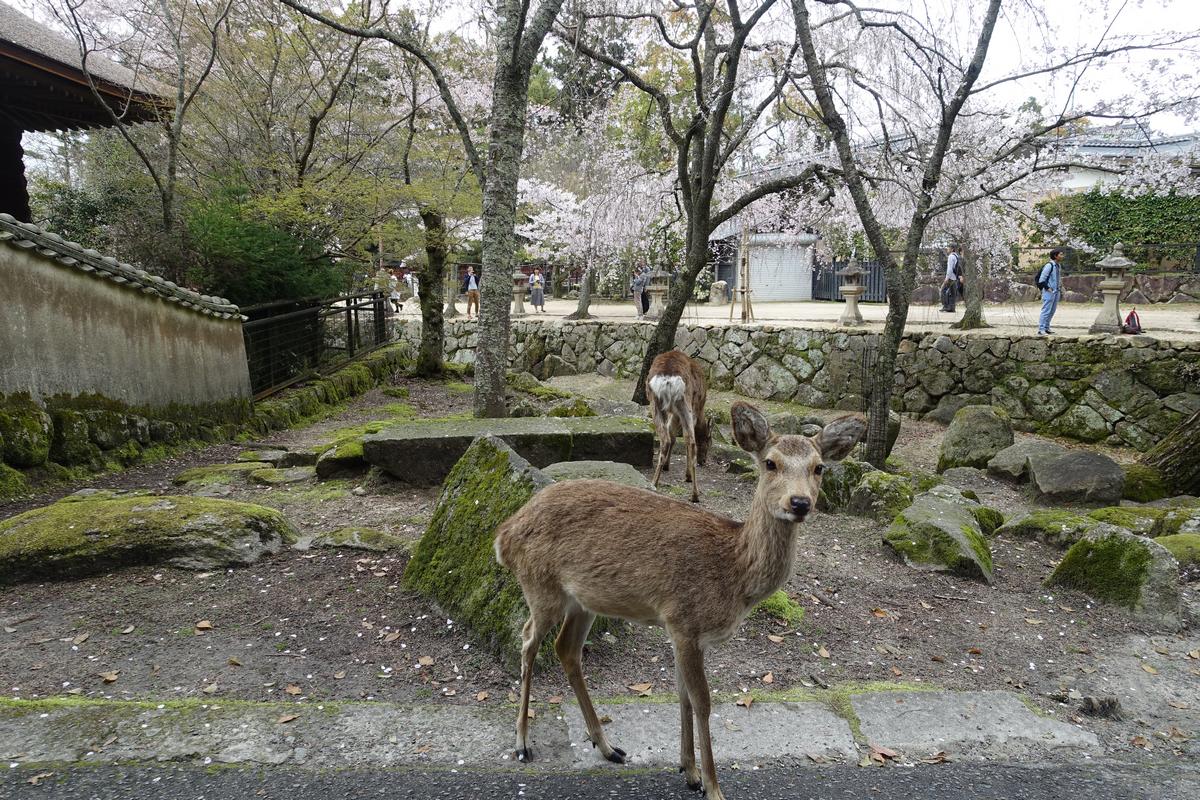
Two deer stand in a park with cherry blossom trees and traditional Japanese buildings.

As a sky bridge directly connected the Crowne Plaza Okayama to the Shinkansen station, the hotel could not have been more conveniently located, and it took us about two hours to reach the island.

People board a white JR ferry boat from a dock, with mountains and water in the background.

As the ferry pulled into the dock, we’re greeted by one of Japan’s most treasured icons, the giant “floating” Torii Gate of Itsukushima Shrine.
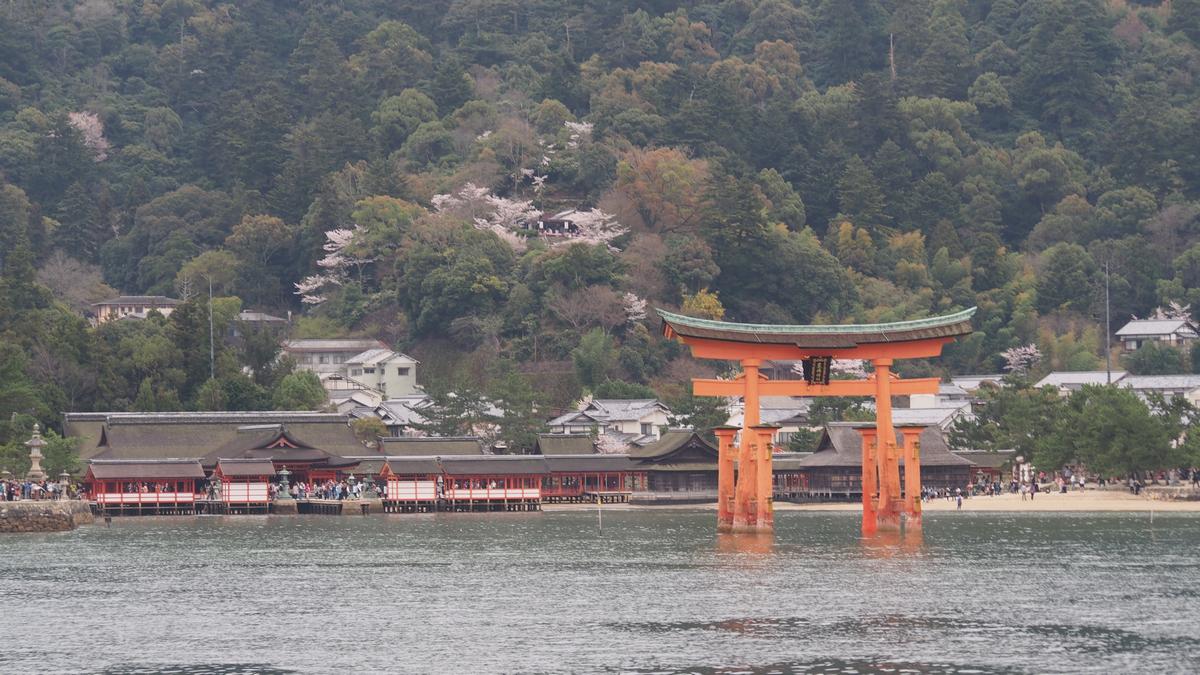
Orange torii gate in the water at Miyajima Island, with Itsukushima Shrine and cherry blossoms on the hill.

Miyajima Island's town and temples, including a red pagoda, are visible on a shore dotted with cherry blossoms against a forested mountain.

Once you arrive at Miyajima, the first thing that you’ll probably notice is the numerous domesticated deer that prowl around the island.
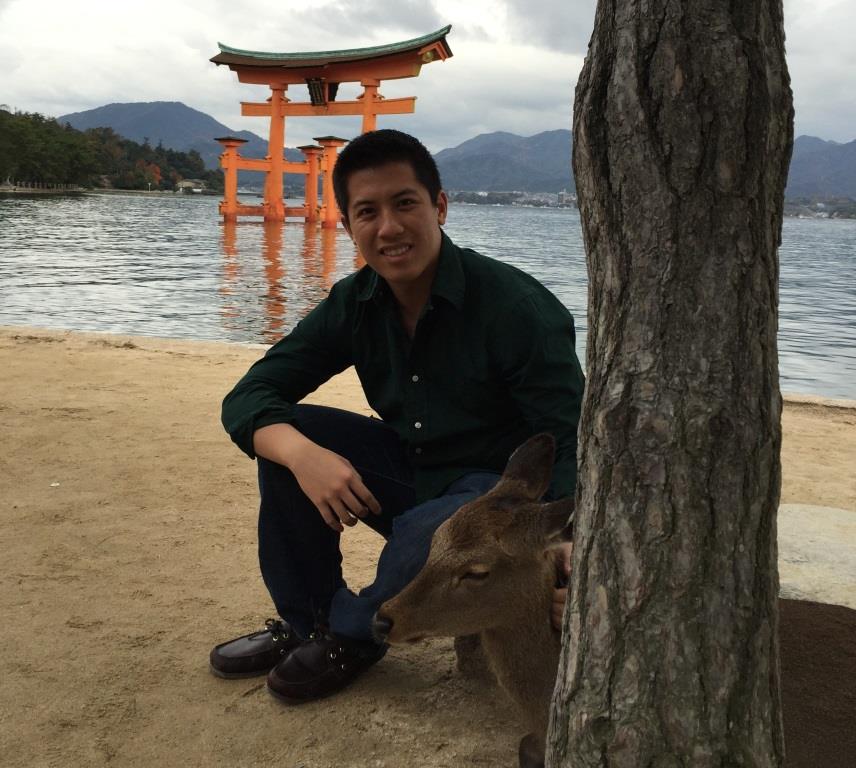
A man kneels on a sandy beach next to a deer, with Miyajima's iconic orange torii gate visible in the water behind him.

While they are safe to pet, it’s important to note that the deer are always on the prowl for food.
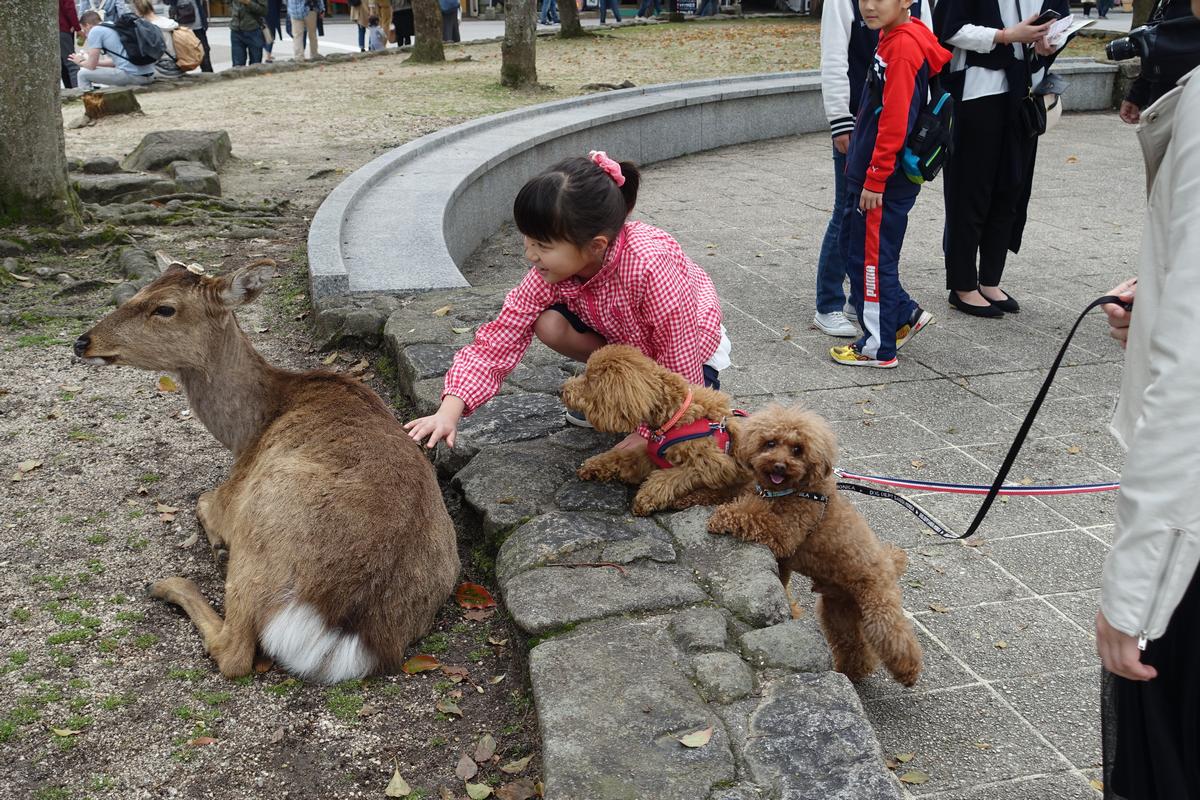
A young girl pets a deer on Miyajima Island while two small brown dogs look on.

On a previous visit, a deer had grabbed my visitors map and ate it in a blink of an eye. If you are bringing in food, be cautious as those cute looking deer pack a rather powerful bite.

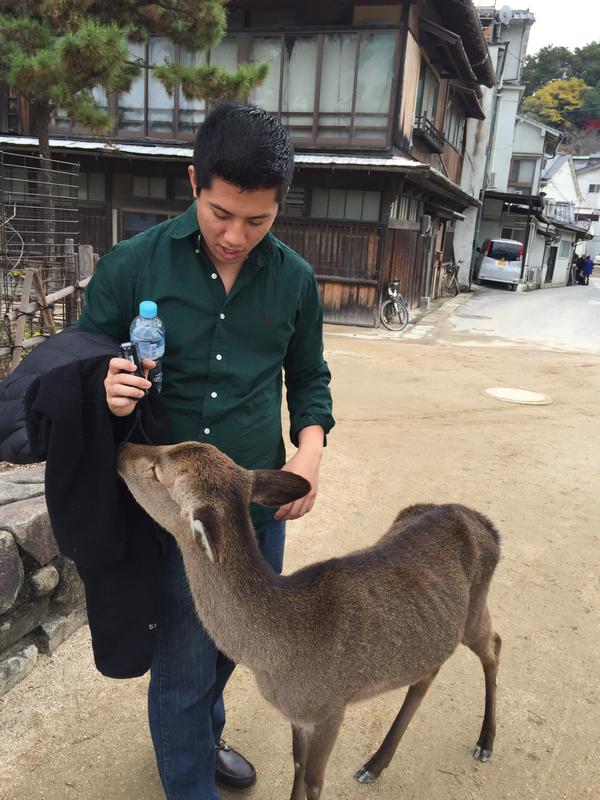
A man in a green shirt watches as a deer sniffs his jacket on Miyajima Island.

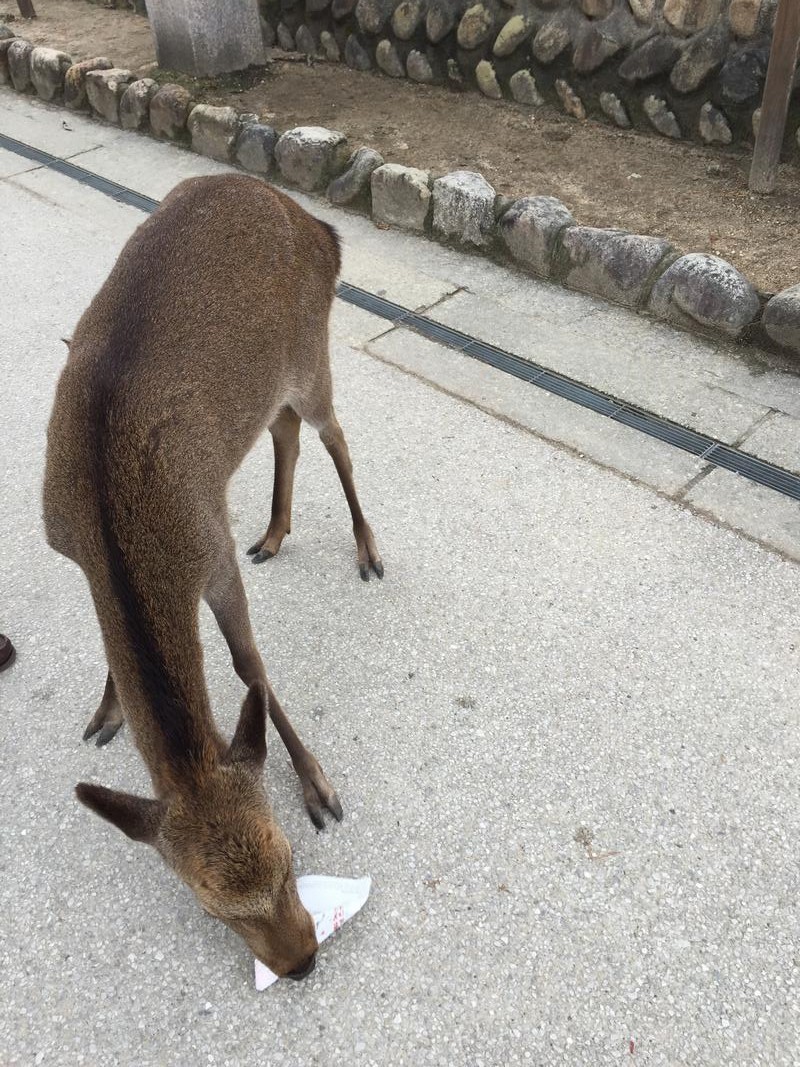
A deer on a paved path bends its head to inspect a white wrapper.

We headed down the main tourist walkway lined with numerous shops selling various tourist souvenirs and snacks.

Cherry blossoms in full bloom frame a stream with a bridge, people, and wild deer on Miyajima Island.

 Miyajima is well known for its oysters, and if you’re looking to bring a gift home, I’d suggest buying a box of Momiji, a maple leaf shaped pastry filled with various sweets.
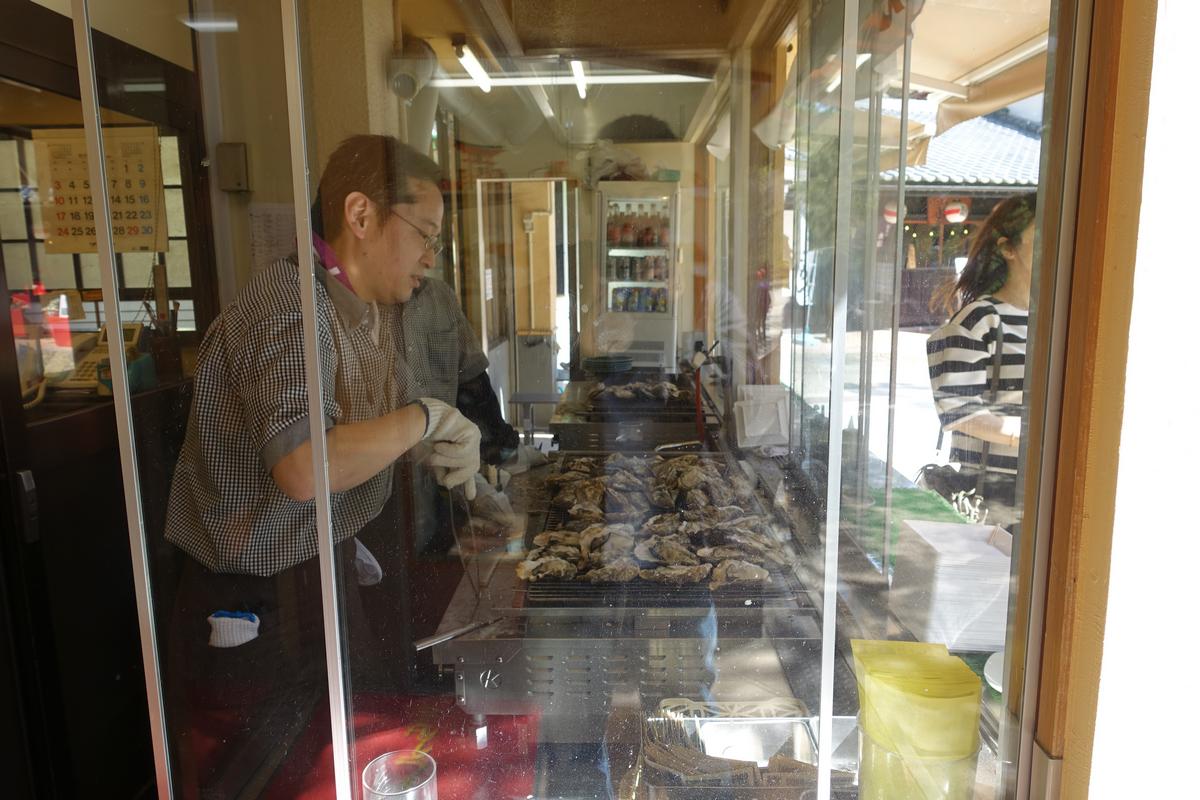
A vendor grills rows of oysters behind a glass window.

At the end of the main walkway are the world famous Itsukushima Shrine and Torii gate. Depending on the time of day, you’ll either see the shrine surrounded by water or the water recedes far enough that you’re able to walk to Torii gate and place a coin for good luck.

The famous orange Great Torii Gate stands in the water at Miyajima Island, with cherry blossoms visible on the distant shore.

High Tide

Tourists gather around the orange Great Torii gate at Miyajima Island during low tide, with cherry blossoms visible on the distant shore.

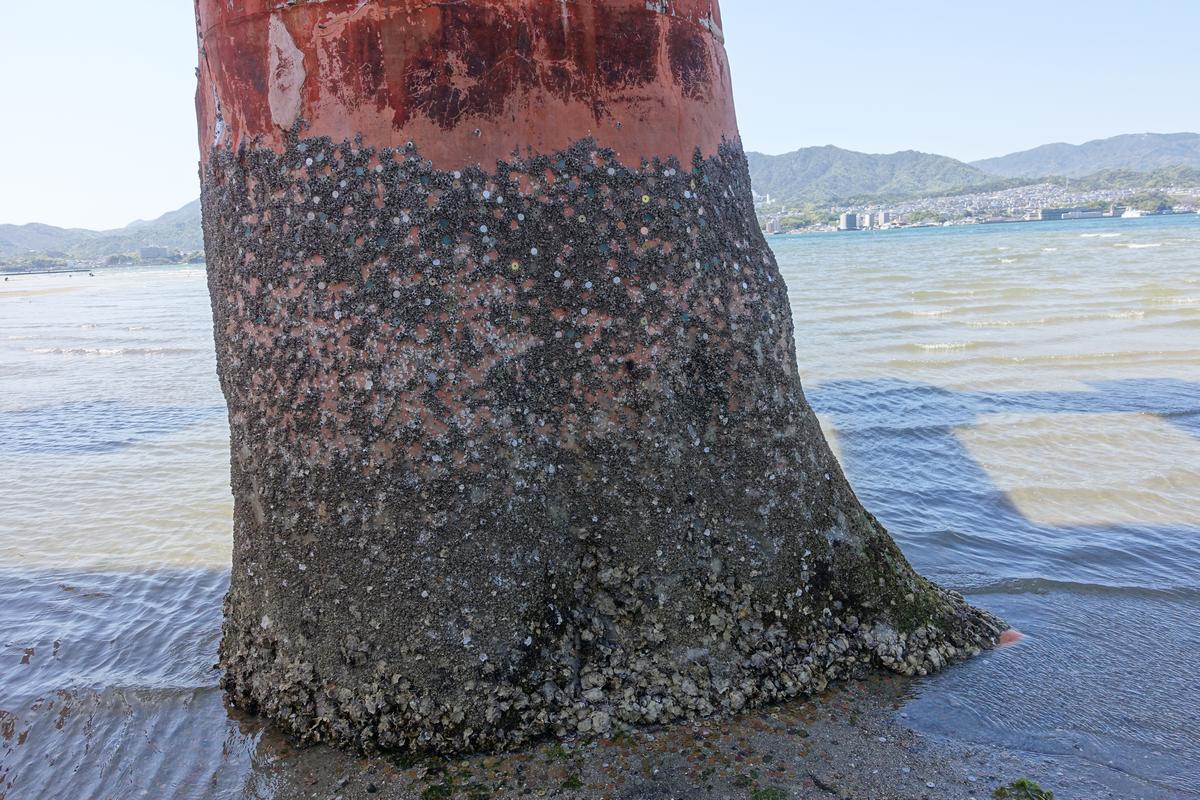
Close-up of the Great Torii gate's base covered in barnacles and coins, partially in the sea at Miyajima.

Low Tide

While being able to walk to the gate was a unique experience, I’d recommend coming during hours of high tide, as the shrine is particularly stunning during the late afternoon hours.
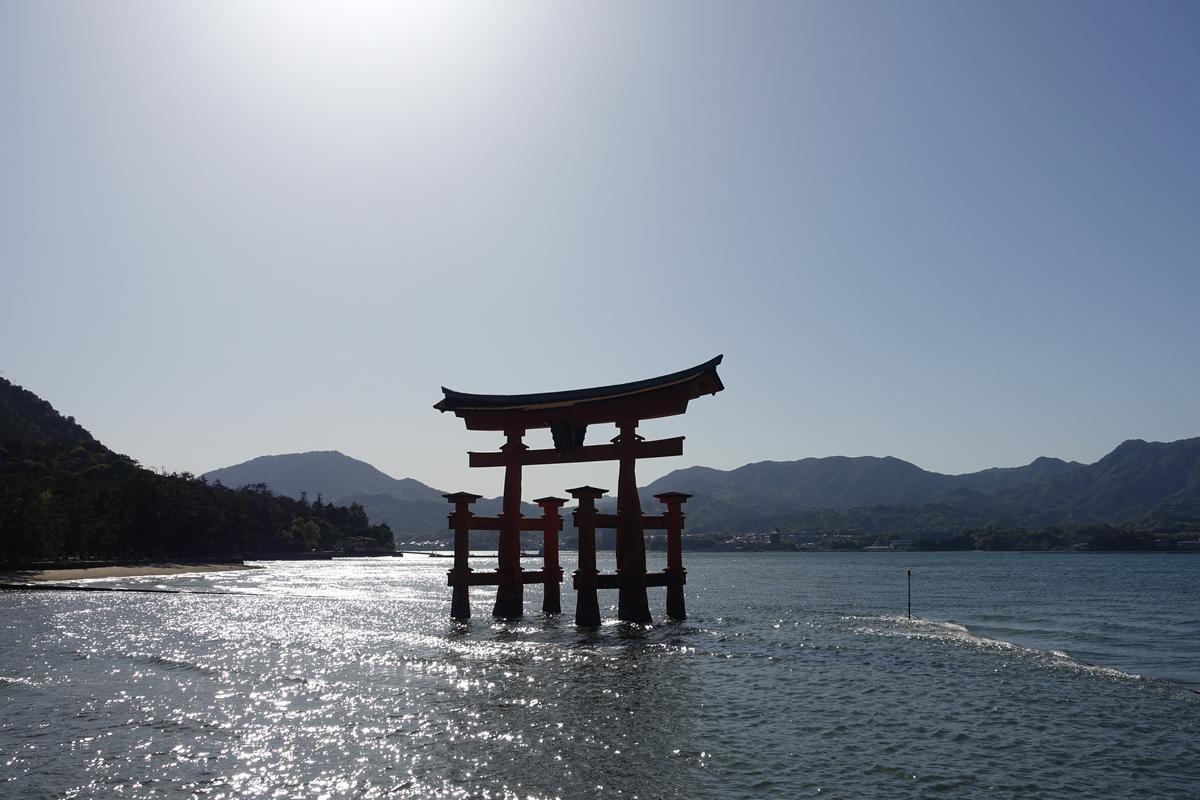
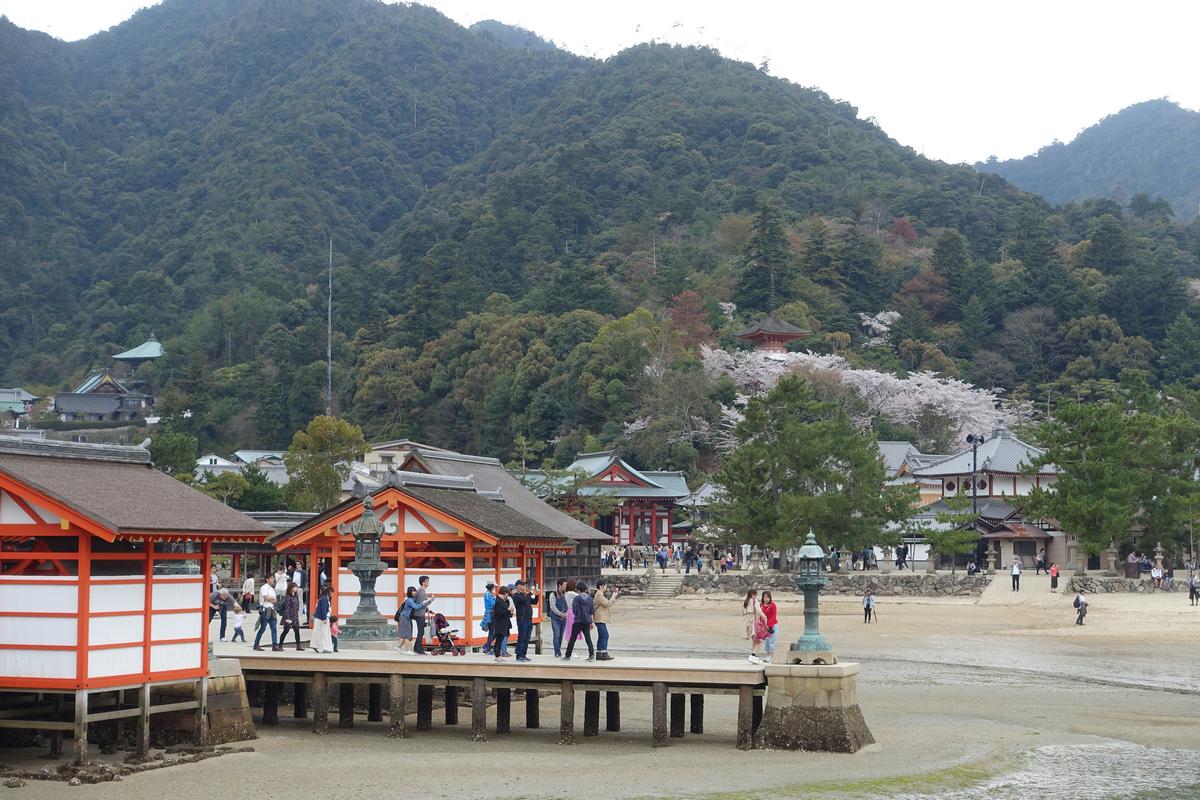
The iconic floating torii gate of Miyajima Island stands in the water against a bright sky and distant mountains.

People by traditional orange buildings at low tide, with cherry blossoms on the forested mountain.

Not as Picturesque

While the Itsukushima Shrine & Torii gate was indeed jaw-dropping, the Toyokuni shrine was a slight disappointment, as the grand wooden hall is essentially a hollow space inside.

A red pagoda and traditional temple are surrounded by cherry blossoms on Miyajima Island.

A long, elevated traditional Japanese wooden building with many visible beams and pillars, and a few visitors.

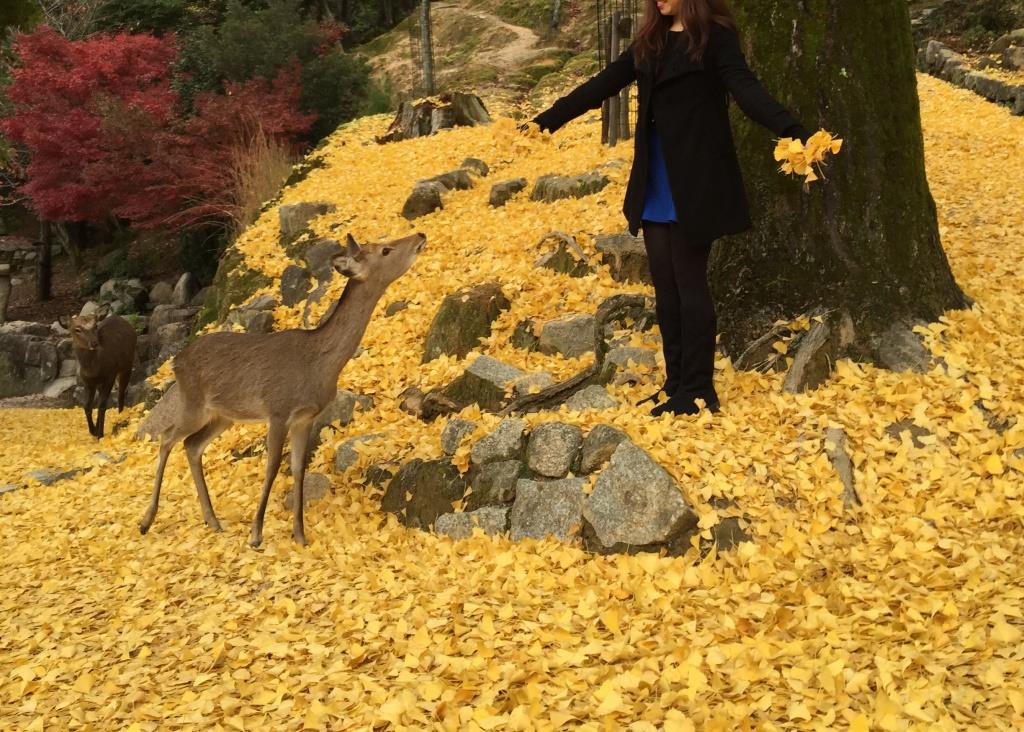
However, the area near the hall does look stunning during the fall season, and you might even stumble upon a few wandering deer.
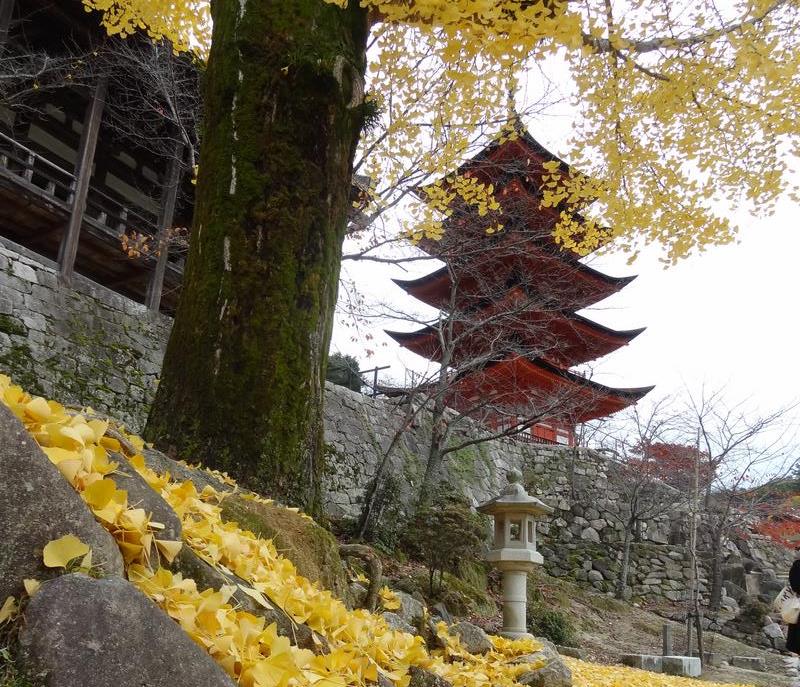
A red five-story pagoda is seen behind a large tree with yellow leaves scattered on the ground.

A person stands in a sea of golden ginkgo leaves with a deer looking up nearby.

After hitting the main tourist hot spots, we decided to escape the crowds and headed to Momijidani Park towards the ropeway. Just a few hundred meters from the main walkway and the crowds quickly thin out, and you’ll soon find yourself inside an oasis of peace and serenity.
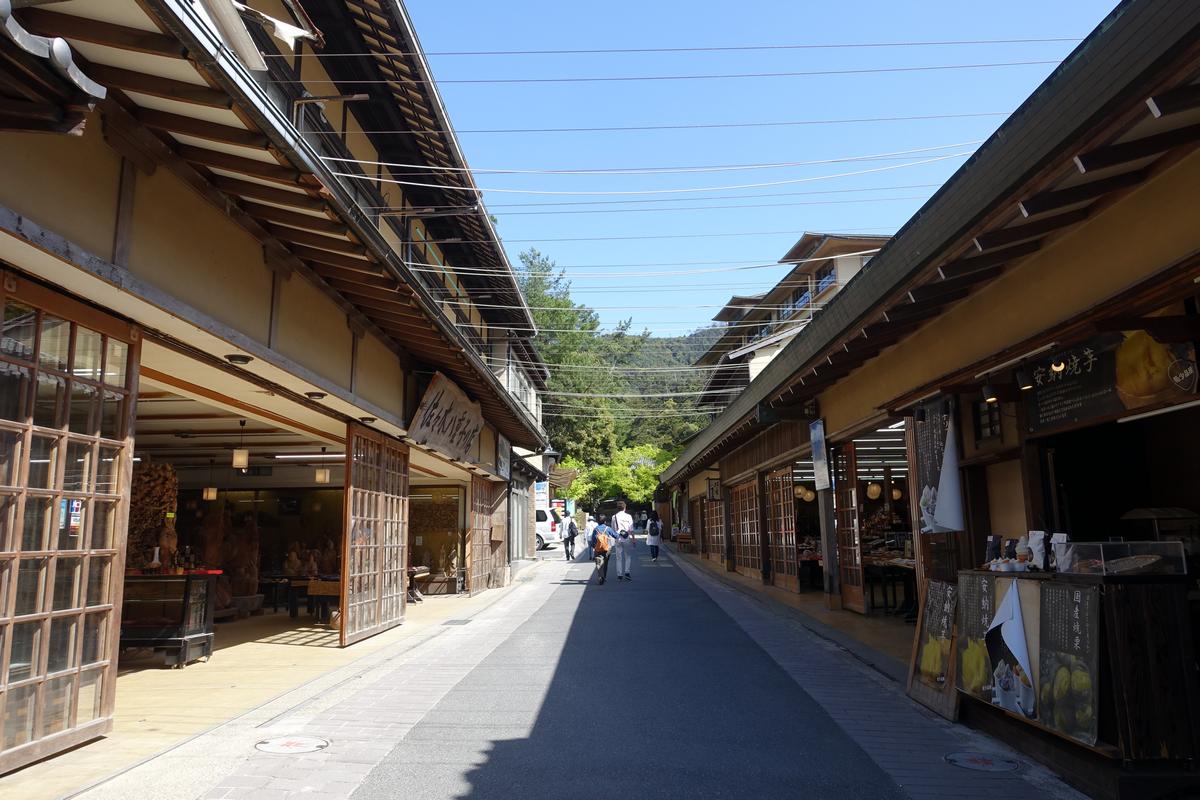
A traditional shopping street on Miyajima Island, lined with wooden shops and people walking.

A vibrant red traditional Japanese bridge spans a lush green landscape with a stone lantern nearby.

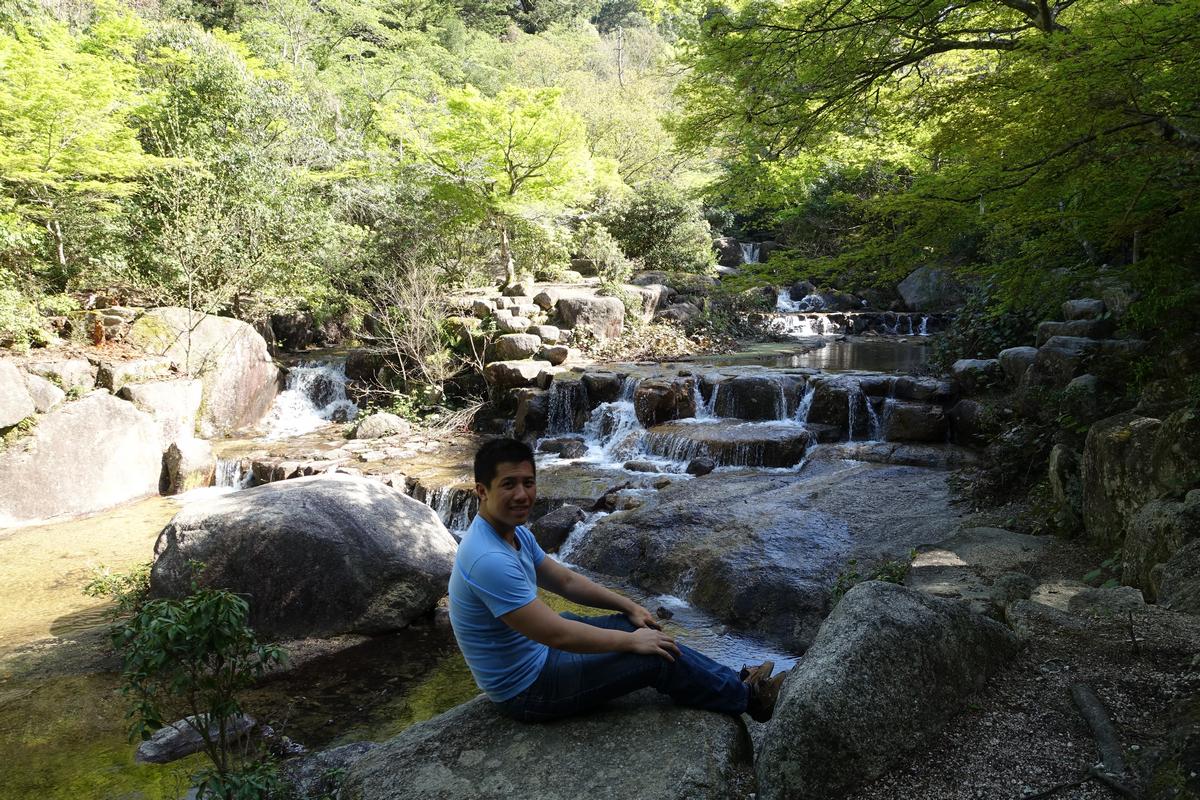
A smiling man rests on a large rock next to a cascading stream in a lush forest on Miyajima Island.

For those taking a day trip from Osaka, your time is limited, and I’d advise skipping the ropeway and head back down but before reaching the main walkway, take a sharp left head to the Tahoto Pagoda.

A red pagoda on Miyajima Island surrounded by blooming cherry blossom trees.

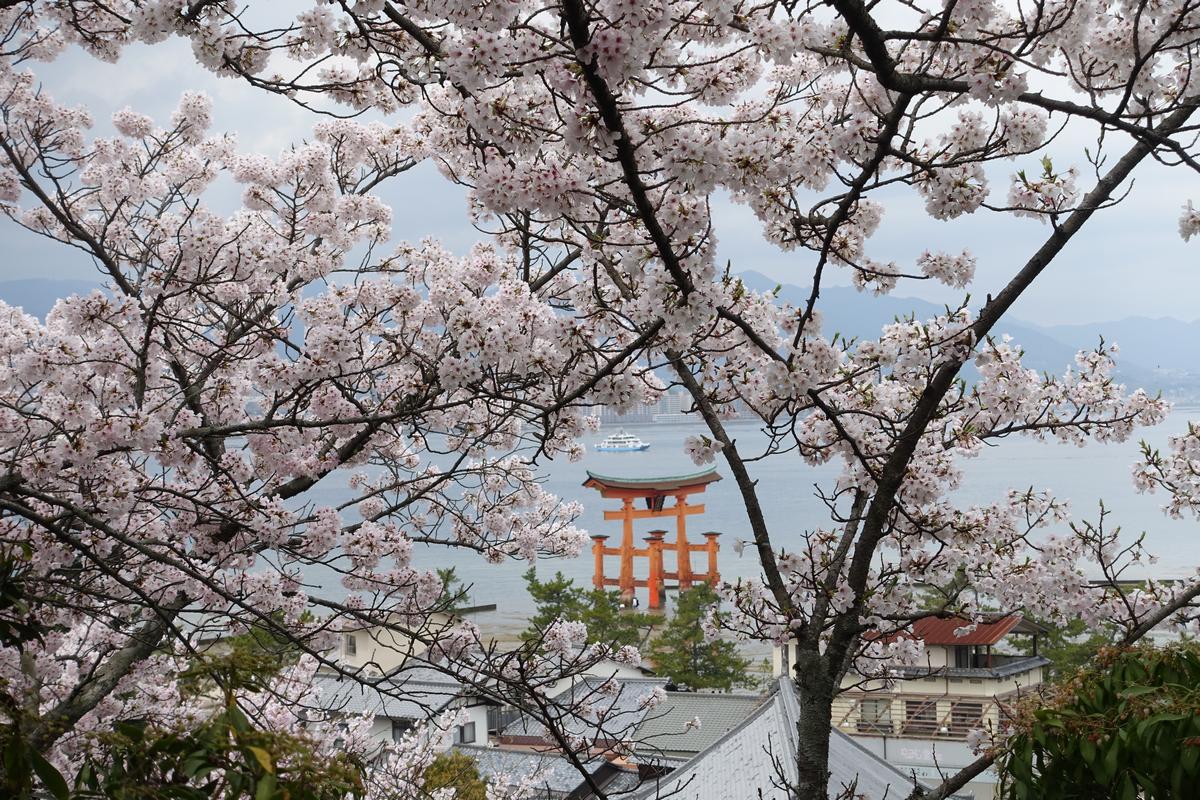
During the Sakura full bloom, the pagoda has a postcard-perfect view where you can see the giant Torii gate surrounded by Sakura blossoms.
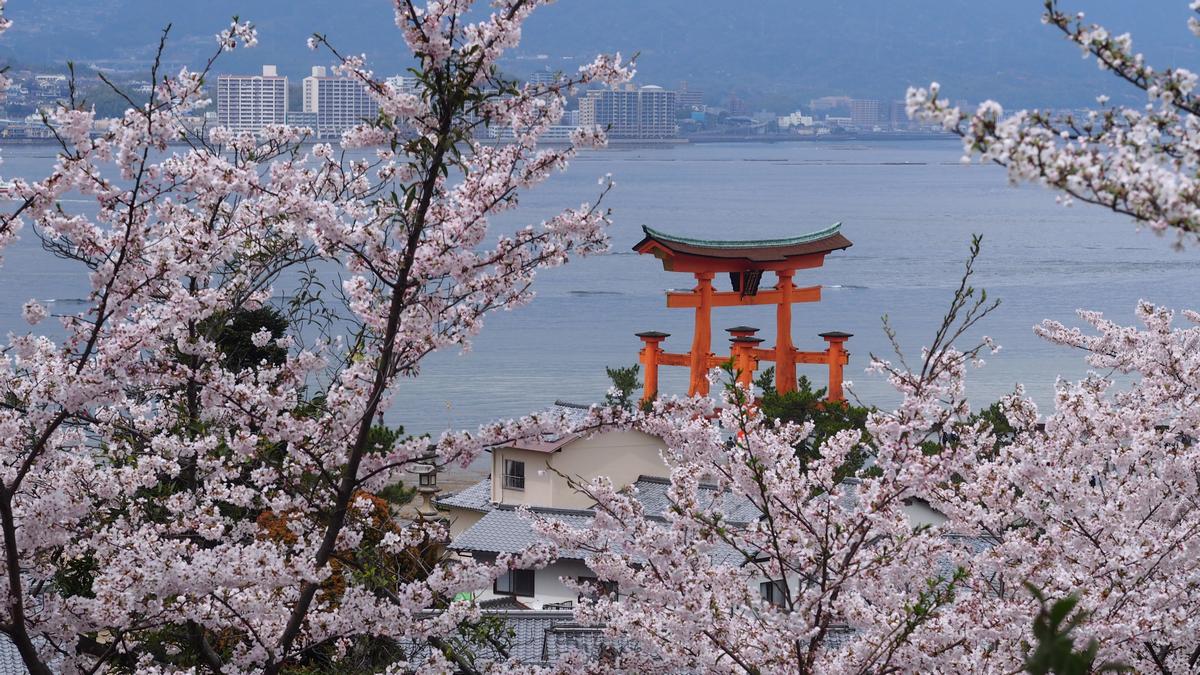
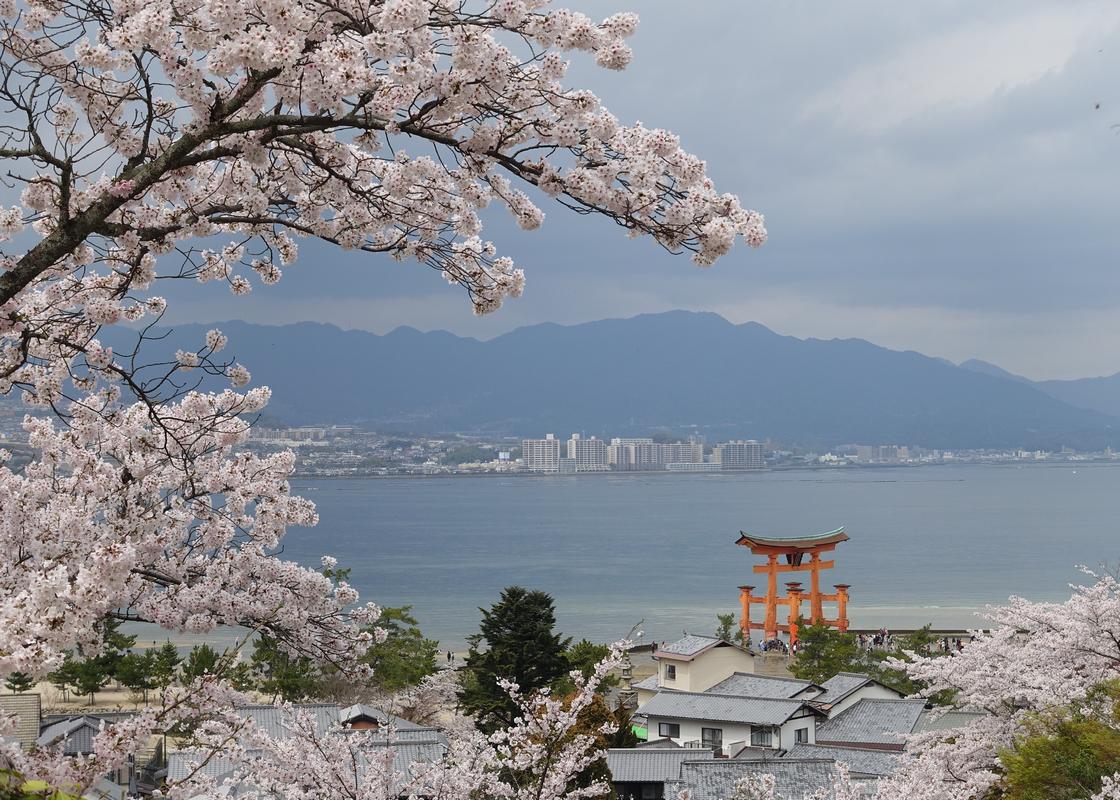
Cherry blossoms frame the iconic floating Torii gate at Miyajima Island.

Cherry blossoms frame the orange torii gate of Itsukushima Shrine on Miyajima Island.

Cherry blossoms framing the orange torii gate in the water at Miyajima Island.

Better yet, the Pagoda seems to be a well-hidden local secret, with just a few Japanese tourists taking pictures and locals lounging under the Sakura trees.

Cherry blossoms frame a view of the Five-Story Pagoda and temple buildings on Miyajima Island.

A post shared by Sam Huang (@intotheplane) on

We then headed back to the ferry and headed to Iwakuni, one of Japan’s most scenic bridges during Saukra.

Trip Report: Visiting Battleship Island (Hashima) & Nagasaki Peace Park

We arrived in Nagasaki 45 minutes before our scheduled tour to Hashima Island, an abandoned coal mine facility built in 1915. Rumor has it that the island was the behind the inspiration of the deserted urban island featured in Skyfall and Inception. Three main boat companies offer a guided tour of the island. Space is limited and cruises on the weekend frequently sell out. We ended up taking the Gukanjima cruise, which was the only cruise line that had seats available.

Visiting Battleship Island (Hashima) & Nagasaki Peace Park

After our brief morning visit to Fukuoka, we headed to the town of Nagasaki, best known for being the unfortunate target of the second atomic bomb dropped during World War 2.
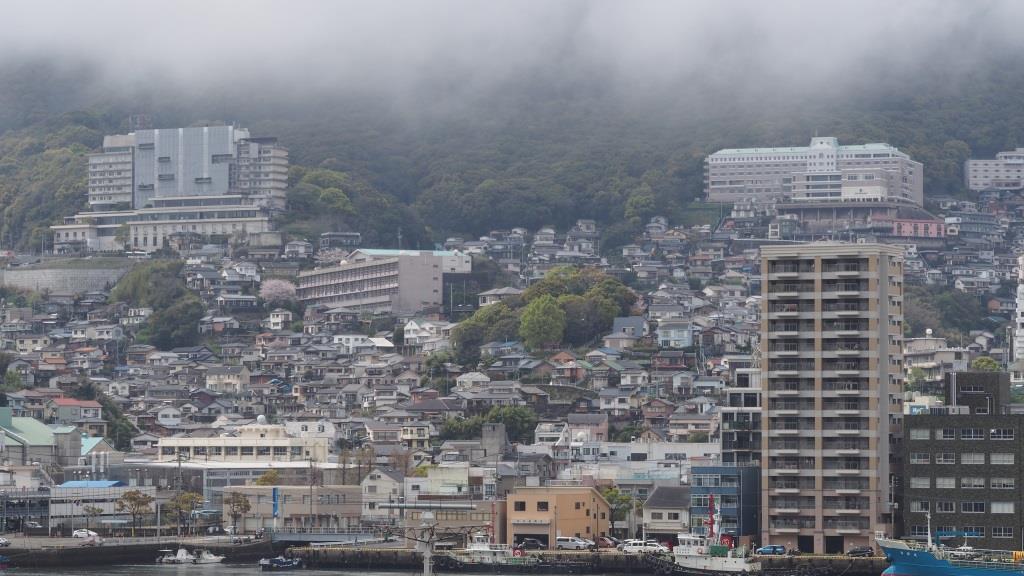
A dense Nagasaki cityscape rises from a waterfront up a steep, fog-covered hill.

As there is currently no Shinkansen service to Nagasaki, we rode on the Kamome limited express train. The train compartment was spacious with 2×2 leather seating and resembled more like an airline cabin, complete with small overhead bins to store your luggage. 
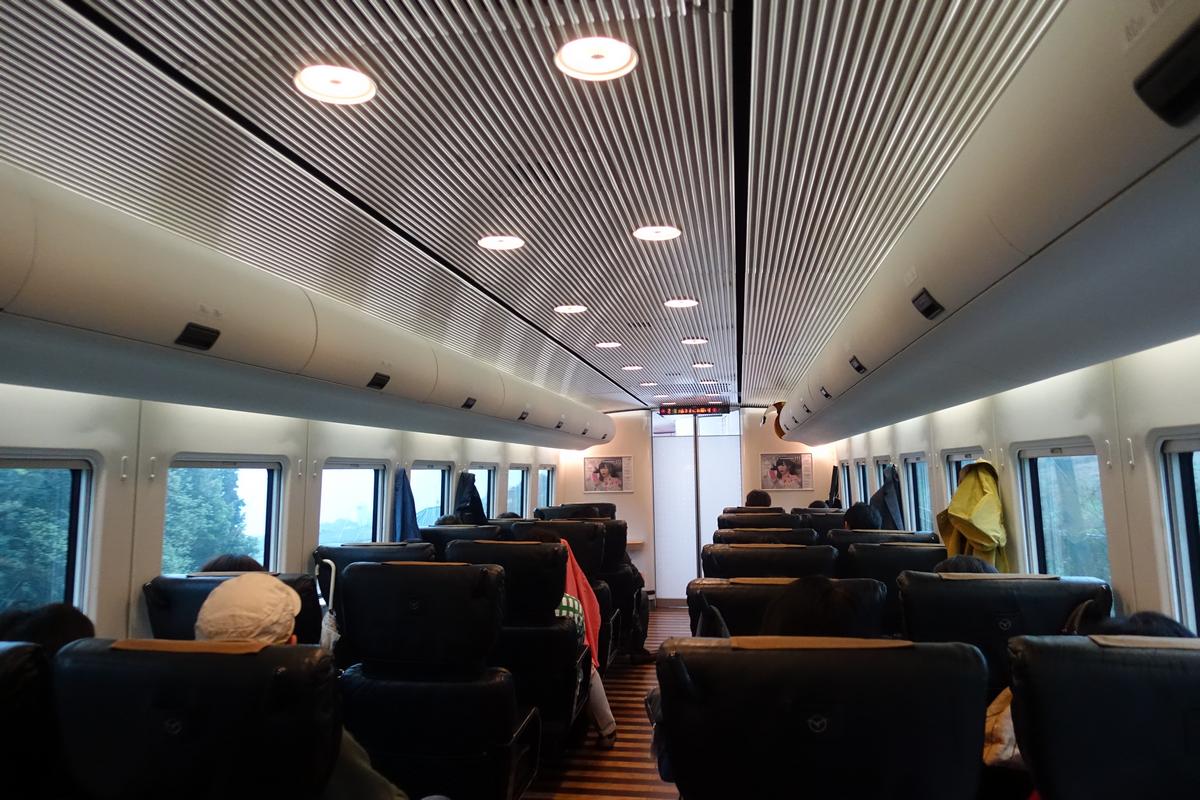
Interior view of a train carriage with rows of black seats, some occupied by passengers, and windows showing trees outside.

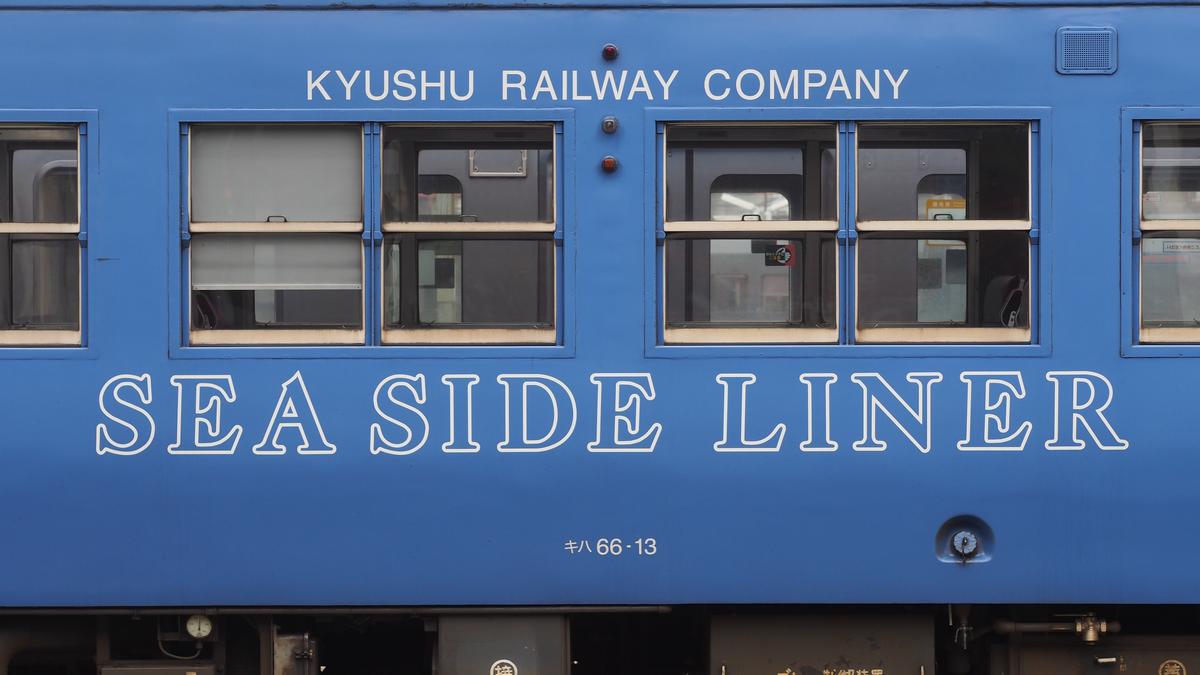
Blue train car with "Kyushu Railway Company" and "SEA SIDE LINER" text.

Local Seaside Liner Train

We arrived in Nagasaki 45 minutes before our scheduled tour to Hashima Island, an abandoned coal mine facility built in 1915. Rumor has it that the island was the behind the inspiration of the deserted urban island featured in Skyfall and Inception.

A narrow Japanese street with many yellow lanterns hanging overhead, utility poles with wires, and people walking.

Three main boat companies offer a guided tour of the island. Space is limited and cruises on the weekend frequently sell out. We ended up taking the Gukanjima cruise, which was the only cruise line that had seats available.

Passengers on a boat under an overcast sky, looking towards a bridge and distant land.

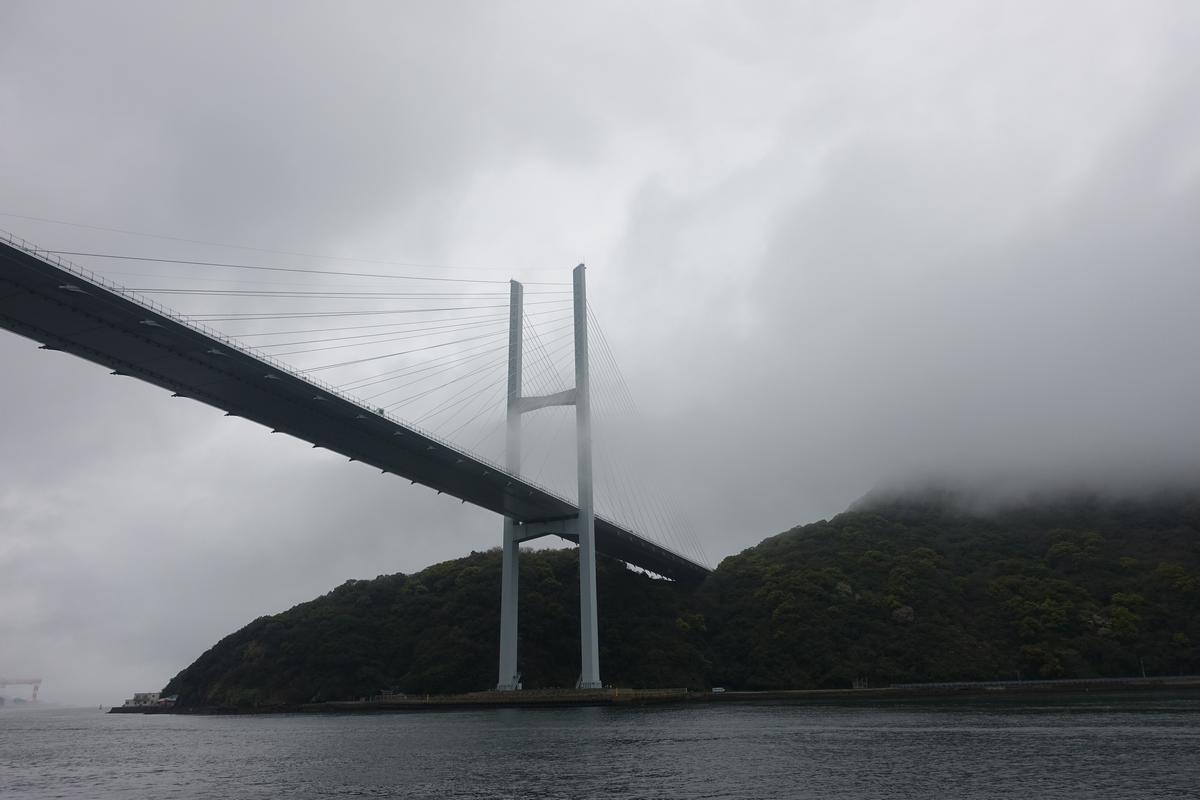
On the way out we were treated to a beautiful view of Nagasaki Bay, including the Megami Ohashi Bridge, which reminded me of the Golden Gate Bridge.
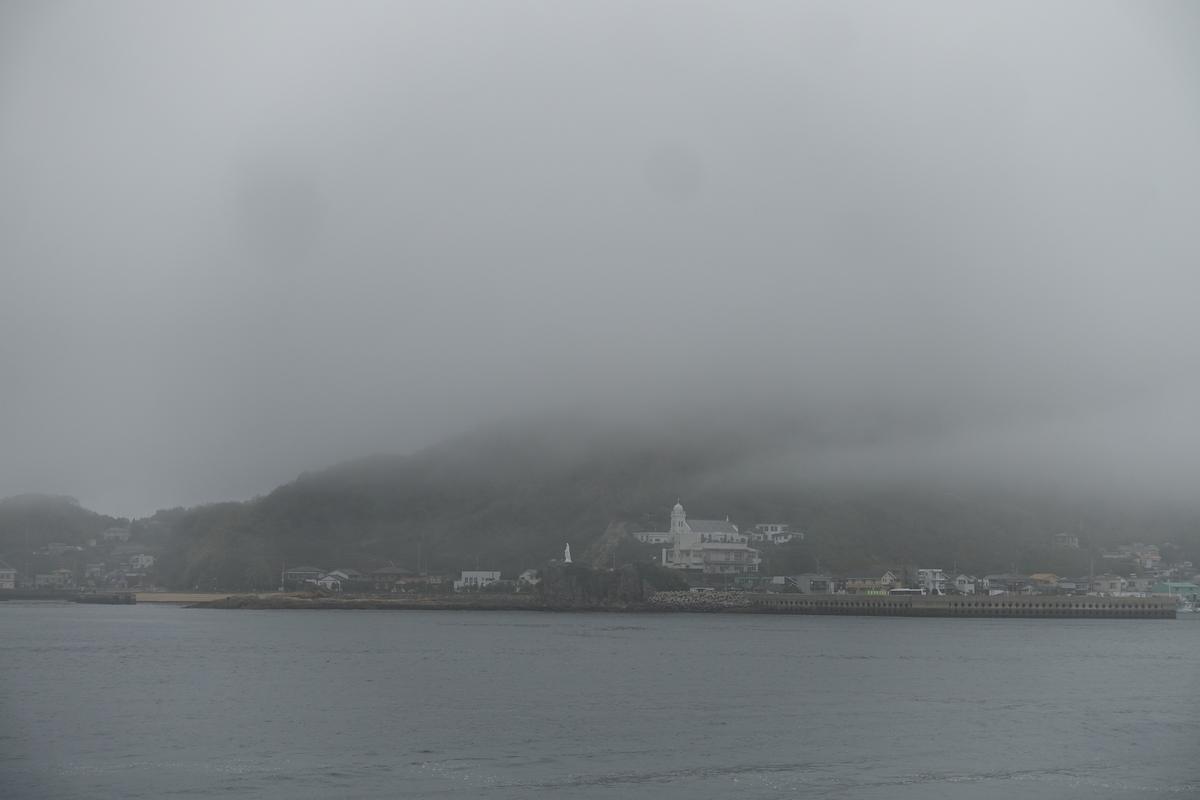
A misty view of a coastal town with a white church on a hill, shrouded in dense fog.

A large cable-stayed bridge extends over water, with its towers and surrounding green hills partially obscured by heavy fog.

Unfortunately, the weather was a bit rough, and the high wave swells resulted meant we were unable to land on the island, which apparently happens quite often.
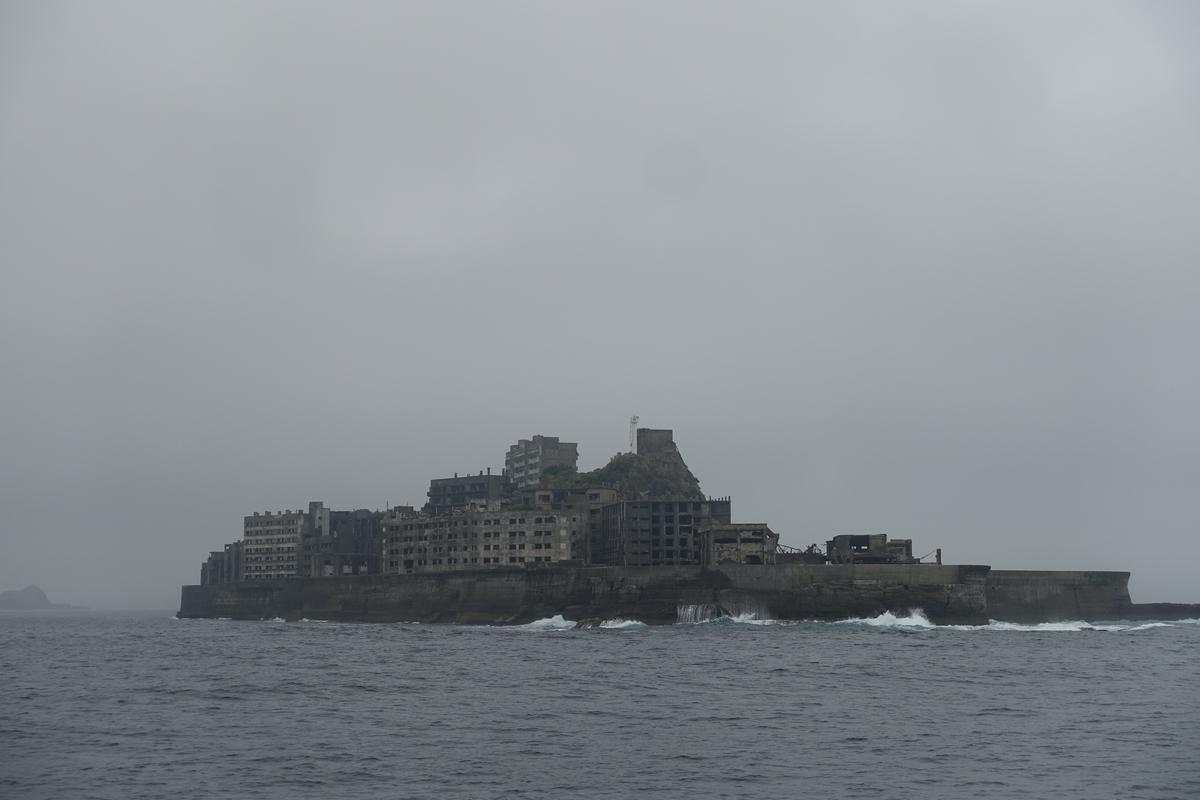
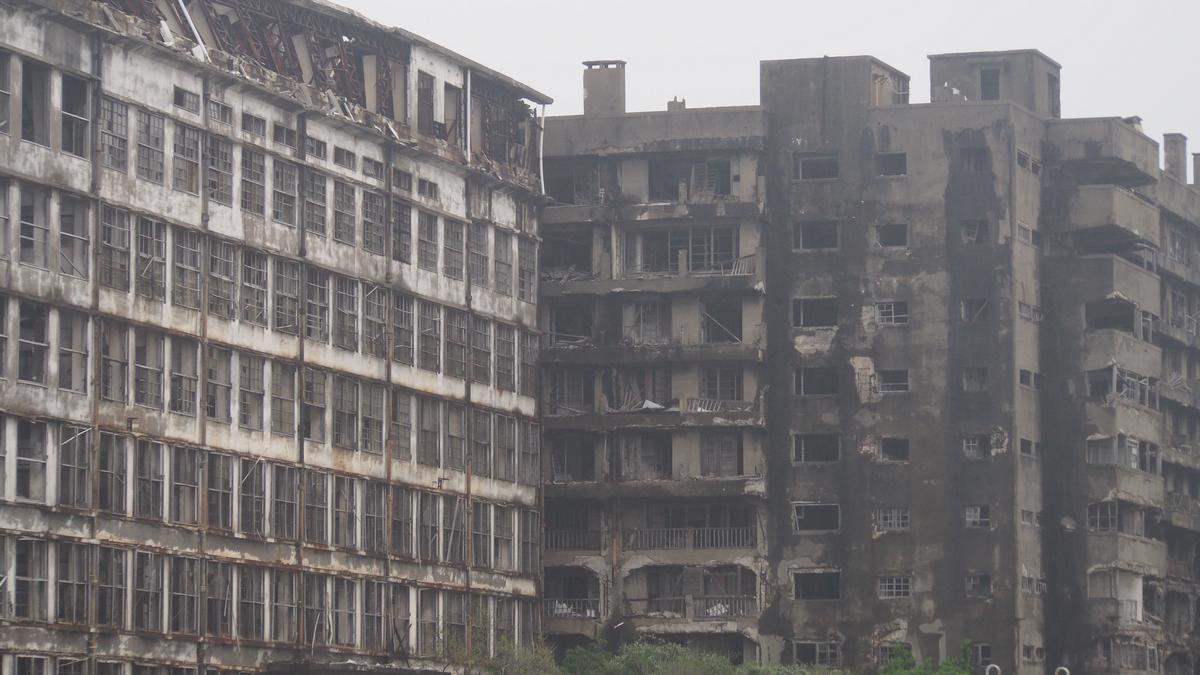
Hashima Island (Battleship Island), covered with decaying concrete buildings, rises from the sea under an overcast sky.

We ended up sailing around the island a couple of times, allowing us to grab a few pictures before heading back.
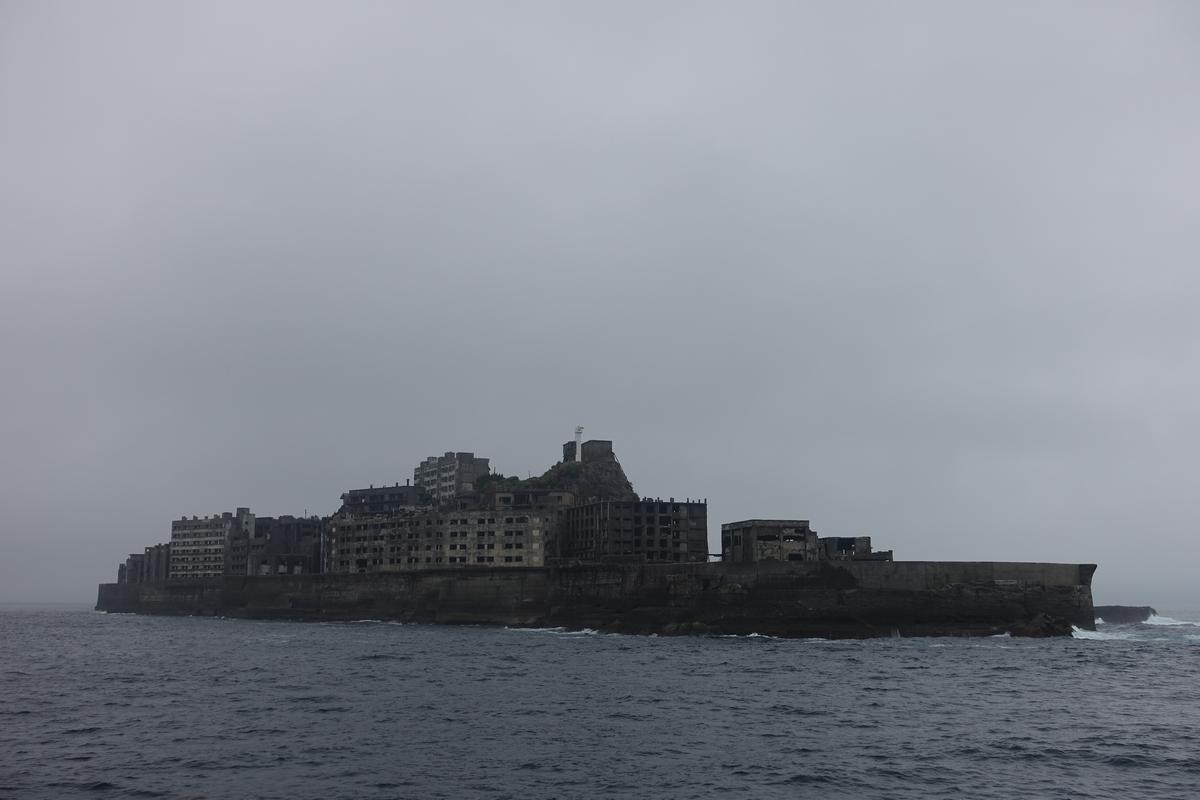
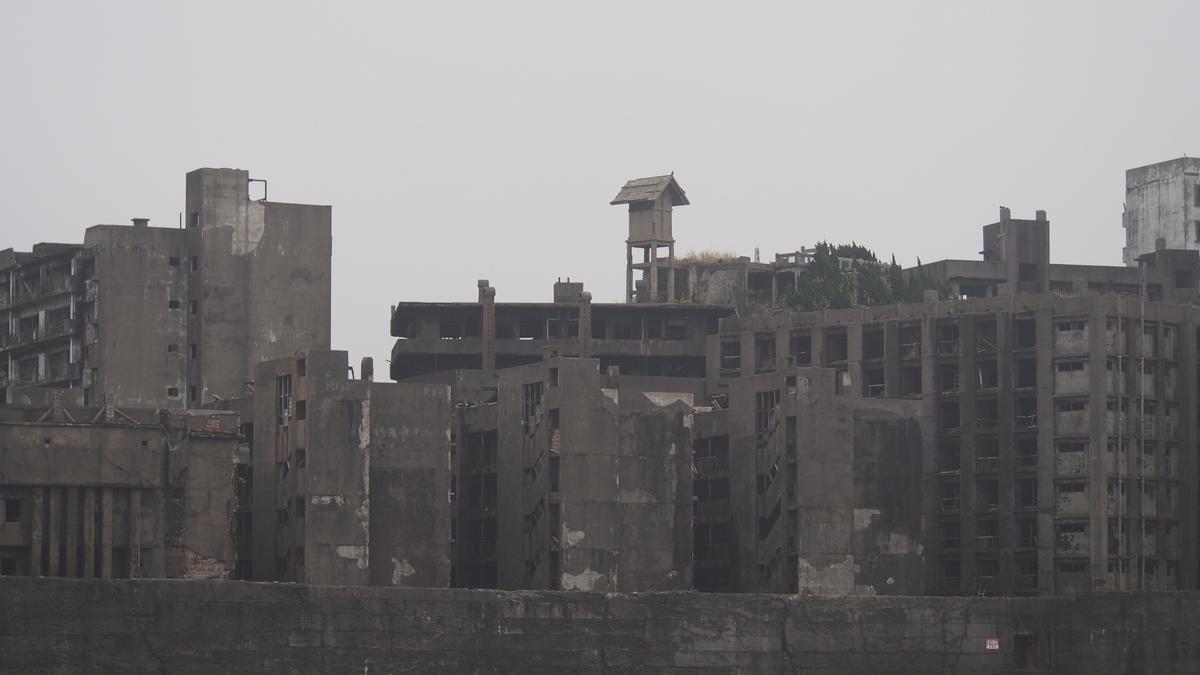
Crumbling buildings of Battleship Island (Hashima) rise from the dark ocean under a grey sky.

View of dilapidated concrete buildings on Hashima (Battleship) Island under an overcast sky.

Dilapidated concrete buildings and a small shrine on Hashima Island.

Two large, dilapidated concrete buildings with many broken windows on Hashima Island.

While we were slightly disappointed on not being able to walk on the island itself, this meant we an additional hour to tour around Nagasaki before the catching the last train to Okayama.

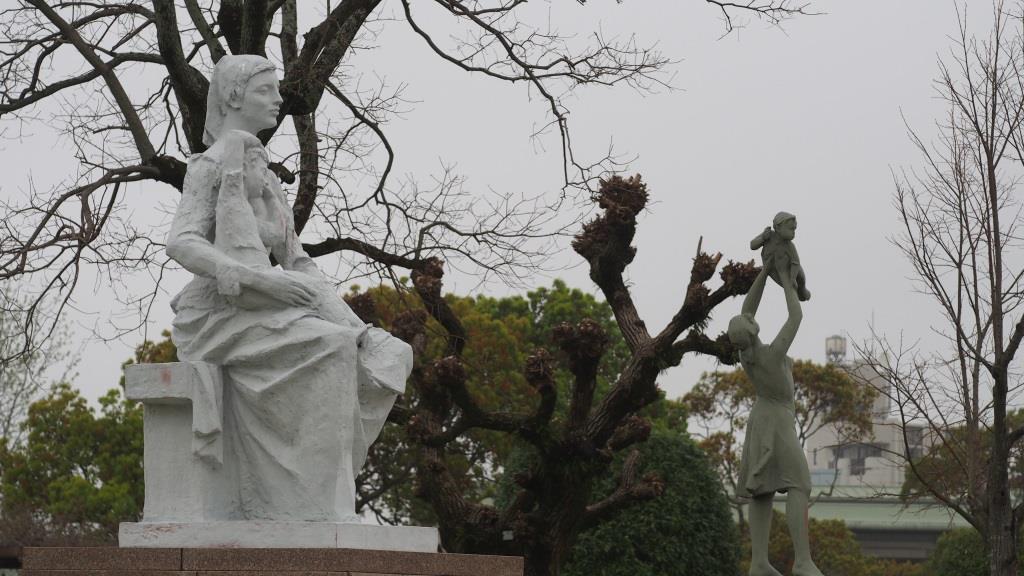
After our tour, we headed to Nagasaki Peace Park, built to commemorate the horrible tragedy that struck this port city over 70 years ago. 
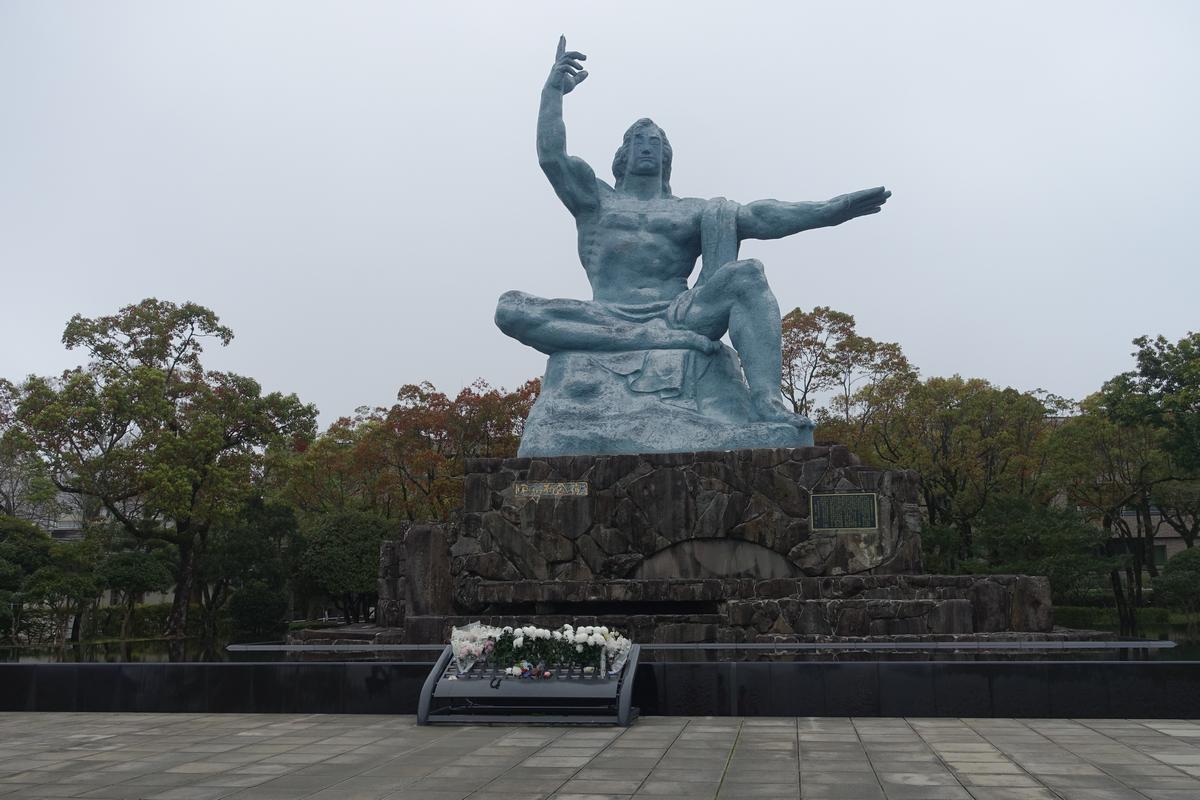
The blue-grey Nagasaki Peace Statue, a seated muscular man with one arm raised and one extended, at Nagasaki Peace Park with flowers at its base.

Two statues depicting women and children, one seated and one standing, at Nagasaki Peace Park.

Compared to the atomic peace park in Hiroshima, the Nagasaki Peace Park is significantly smaller but also receives a fraction of tourists, allowing you to freely roam around the park without having to wade through a vast crowd.
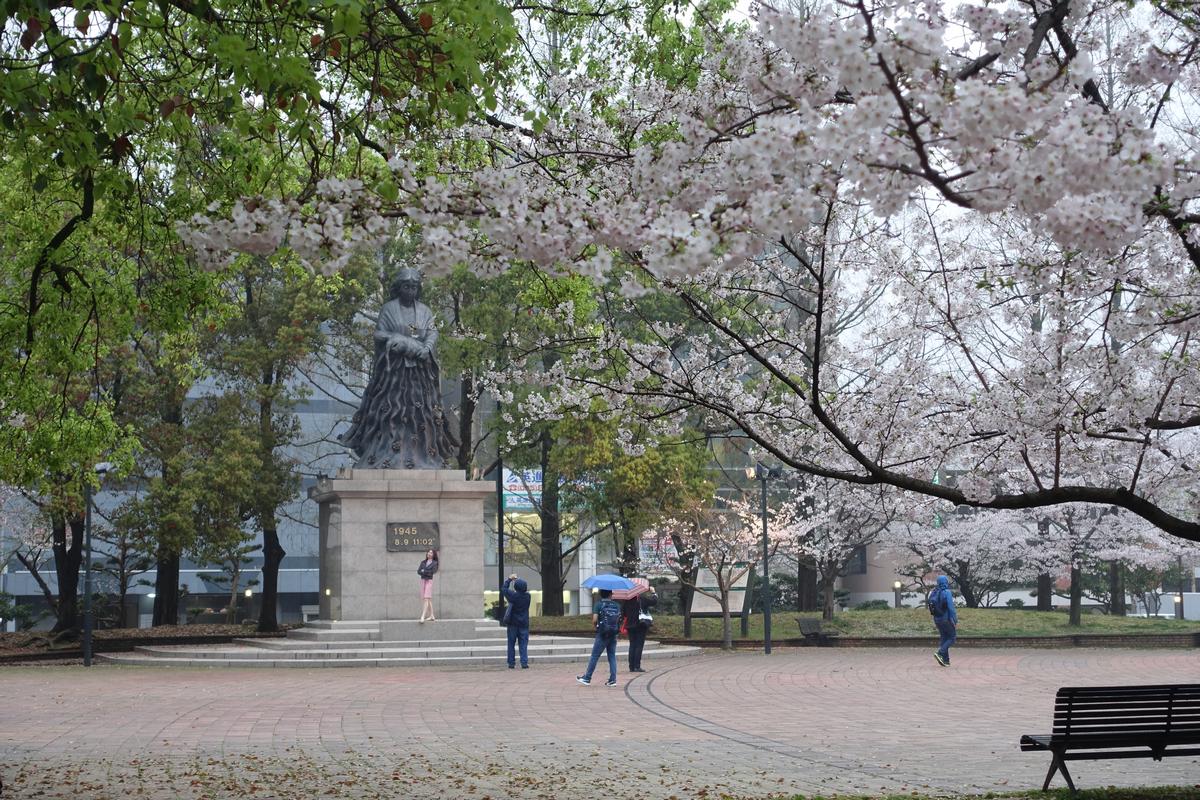
Mother and Child Statue surrounded by cherry blossoms in Nagasaki Peace Park.

The Atomic Bomb Hypocenter Monument in Nagasaki Peace Park, surrounded by a circular plaza and trees.

Ground Zero Monolith

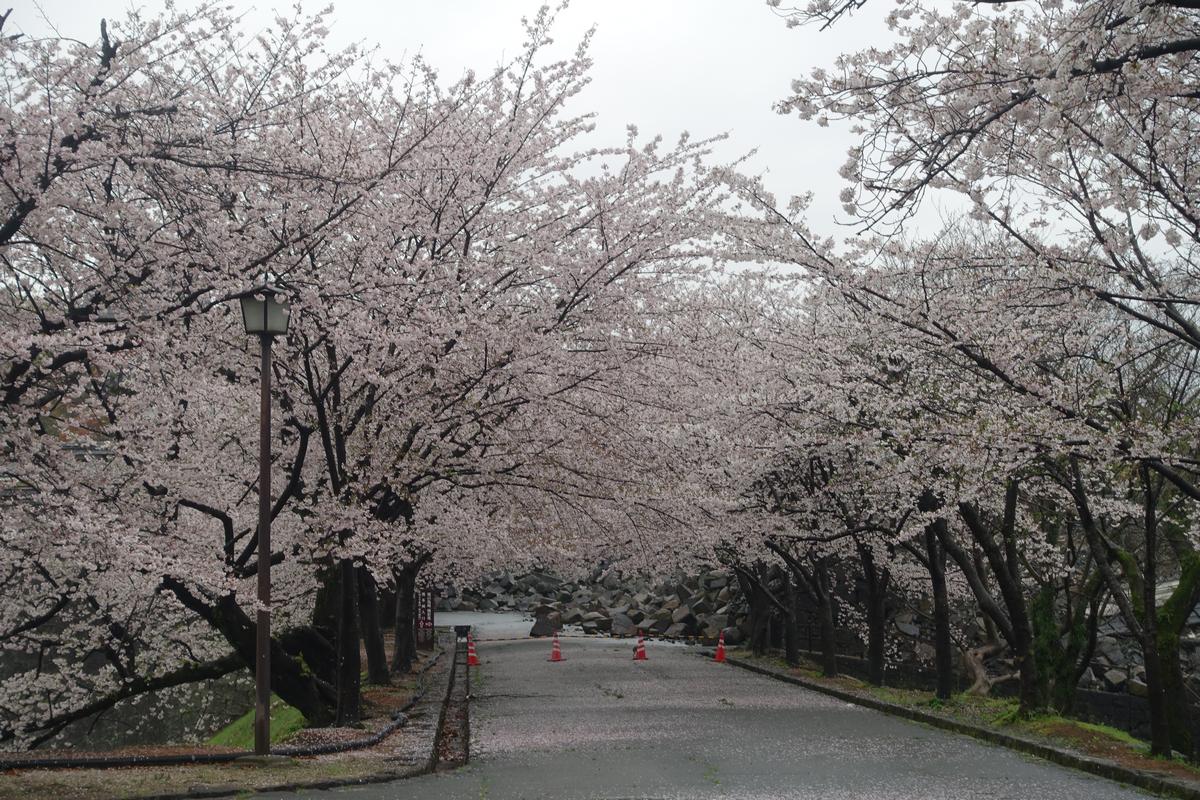
Alongside the ground zero monolith, a row of Sakura trees was in full blossom, symbolizing hope can grow out of even the most tragic of circumstances.
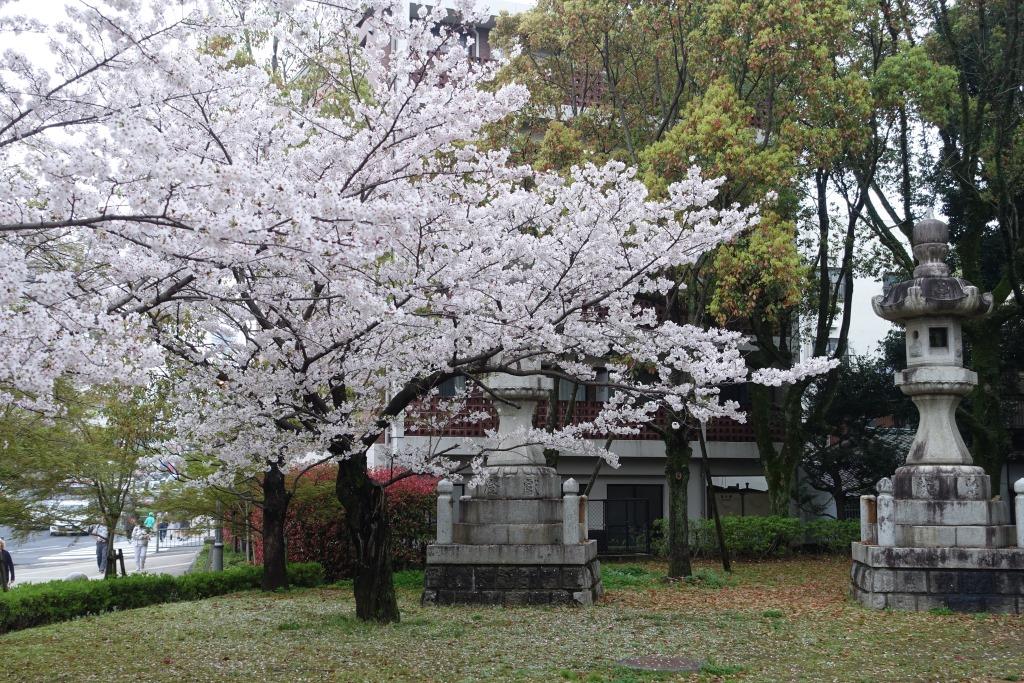
Cherry blossom trees in full bloom next to stone lanterns in a park.

Cherry blossoms in full bloom at Nagasaki Peace Park with people enjoying the view.

Nearby, an unexcavated portion of the rubble is displayed.

Buried tools and broken pottery are visible in a cross-section of earth on Hashima Island.

While our trip to visit Nagasaki was short, seeing such beautiful Sakura blossoms where once a zone of complete destruction laid was a poignant moment of our trip.

A post shared by Sam Huang (@intotheplane) on

Trip Report: Hyatt Regency Fukuoka & Visiting Kumamoto

After our long journey train journey spanning the entire central part of Japan, we arrived at Fukuoka and headed to the nearby Hyatt Regency Fukuoka, located a mere ten minutes walking from Hakata station.
The hotel was completely sold out for weeks but thankfully last minute award space opened up, and I manage to snag a night for 4000 Hyatt points + $50.

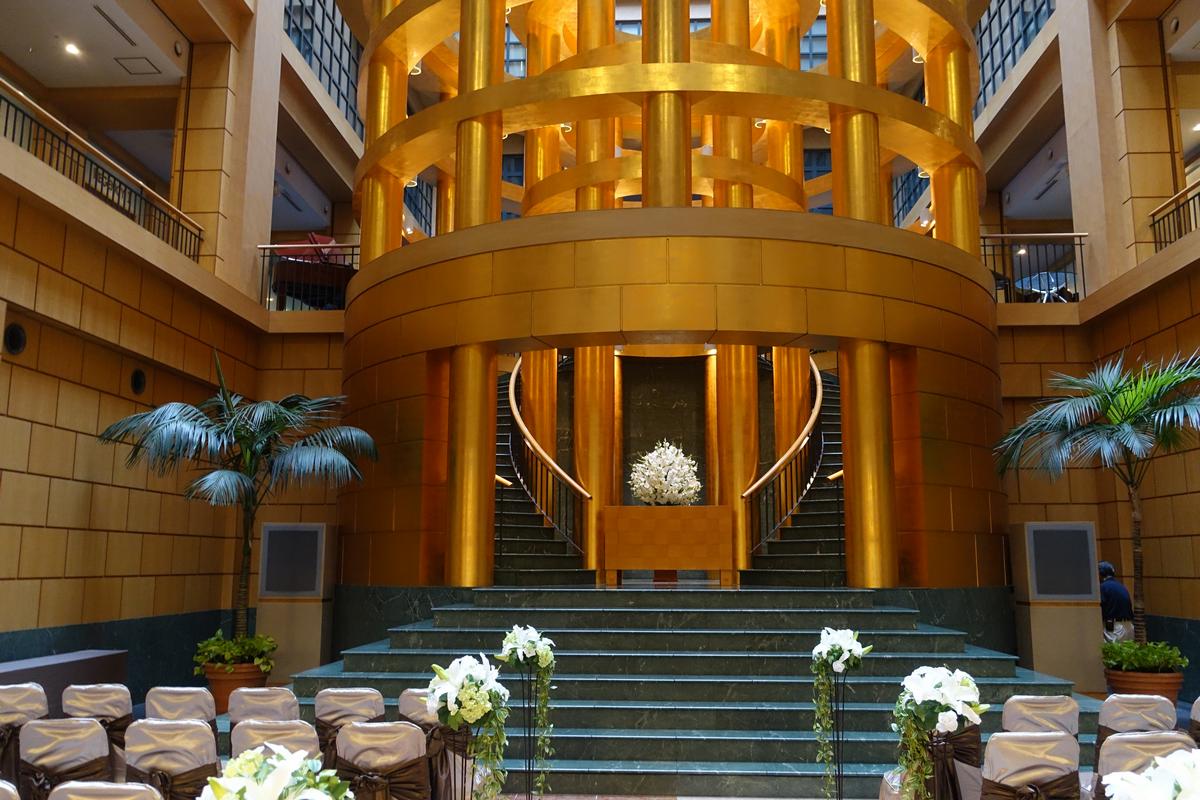
The lobby immediately wowed us, with its somewhat unique ceiling and was a visual treat to look at.we arrived at Fukuoka and headed to the nearby Hyatt Regency Fukuoka, located a mere ten minutes walking from Hakata station.

Hyatt Regency Fukuoka & Visiting Kumamoto

After our long journey train journey spanning the entire central part of Japan, we arrived at Fukuoka and headed to the nearby Hyatt Regency Fukuoka, located a mere ten minutes walking from Hakata station.

A grand golden cylindrical structure rises in the multi-story atrium of the Hyatt Regency Fukuoka, with stairs decorated for an event.

The hotel was completely sold out for weeks but thankfully last minute award space opened up, and I manage to snag a night for 4000 Hyatt points + $50.

A hotel room booking option showing a blurry photo of a 2 Twin Beds room, amenities, points and yen pricing, and a Select button.

The lobby immediately wowed us, with its somewhat unique ceiling and was a visual treat to look at.
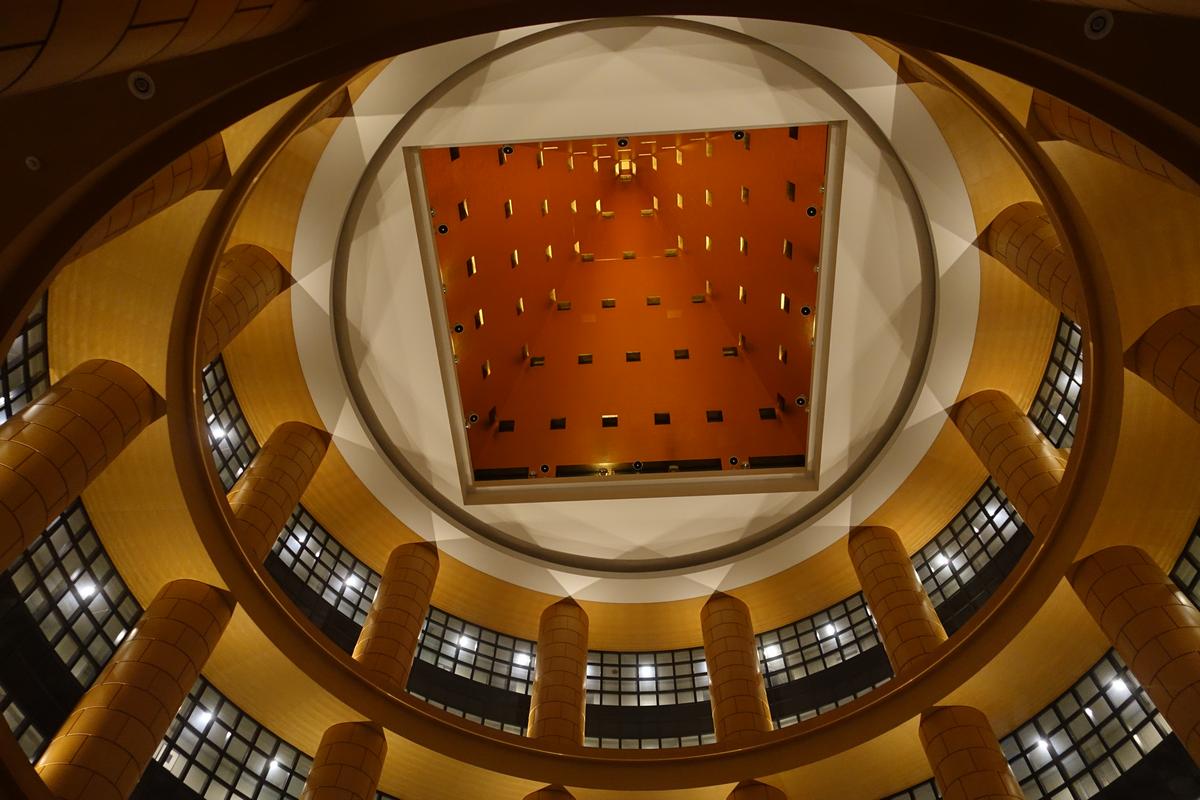
An upward view of the Hyatt Regency Fukuoka's circular atrium with golden walls and a square ceiling.

However, such aesthetics come at a price as navigating the circular hallways proved to be a bit confusing.
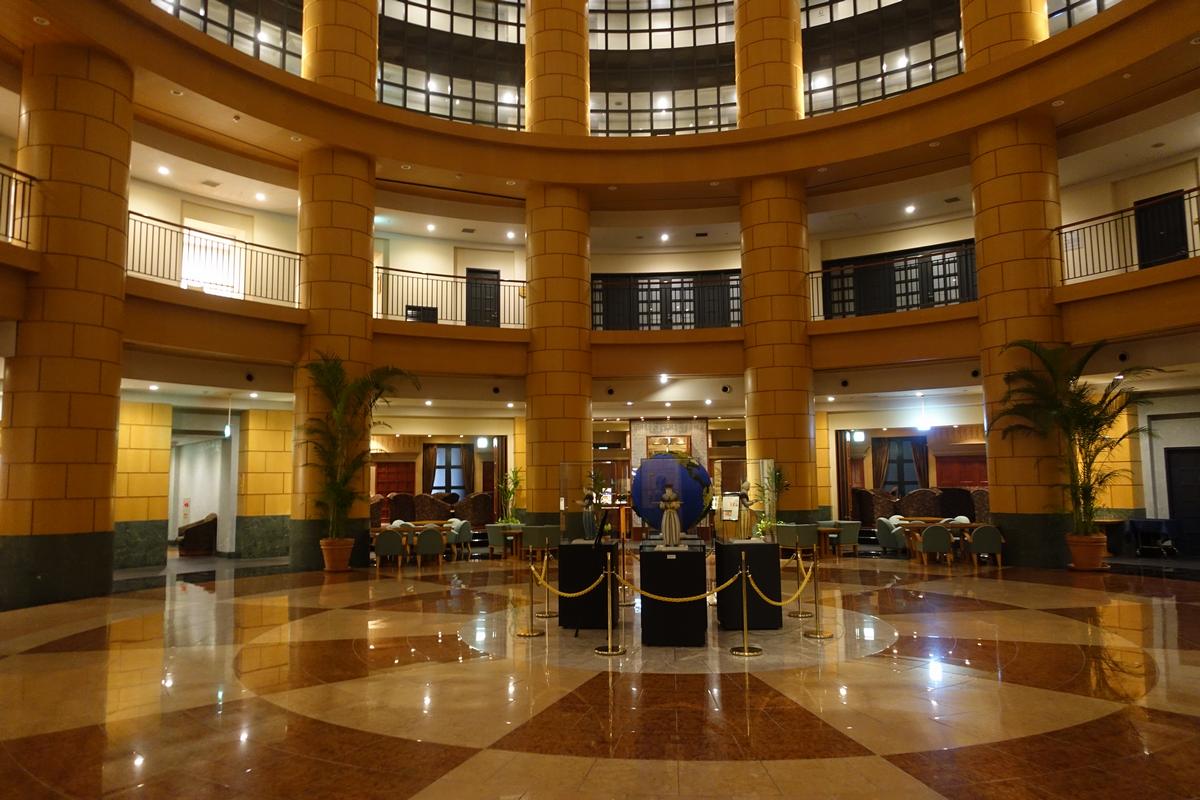
The grand multi-story lobby of the Hyatt Regency Fukuoka features numerous columns, a reflective tiled floor, and a large blue globe display.

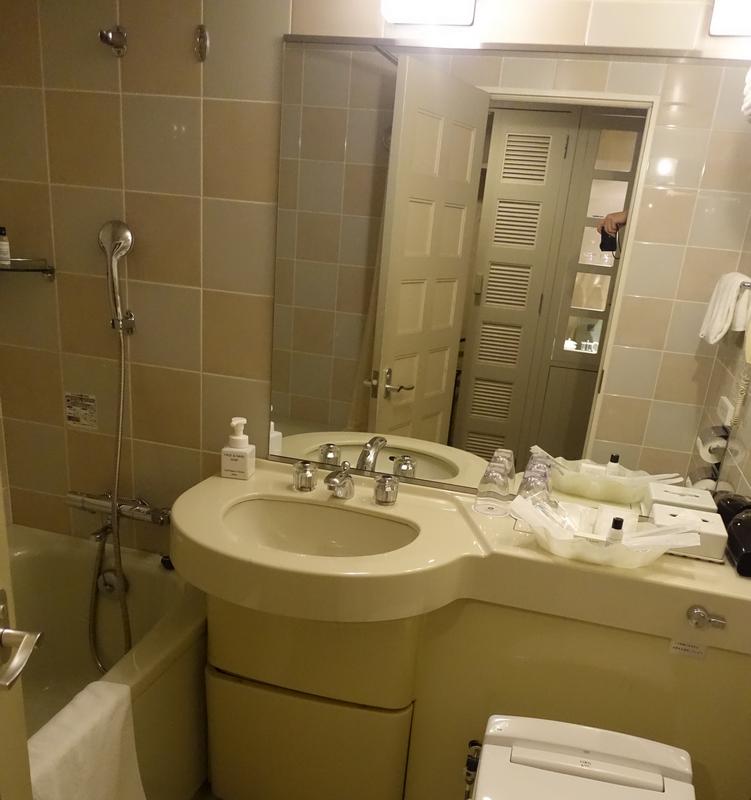
Unfortunately, the grandeur of the lobby didn’t crossover to our relatively bland room.

A hotel room with two single beds, white bedding, and a nightstand with a lamp between them.

However, since we were here for just the night and exhausted from the day-long trip, we didn’t seem to mind, but I was surprised on how dull the room looked, especially since I was “upgraded” to a renovated room.

A dimly lit hotel room featuring a television, desk with a mirror, armchair, and an air purifier.

A beige-tiled hotel bathroom features a bathtub with a shower, a sink with toiletries, and a modern toilet.

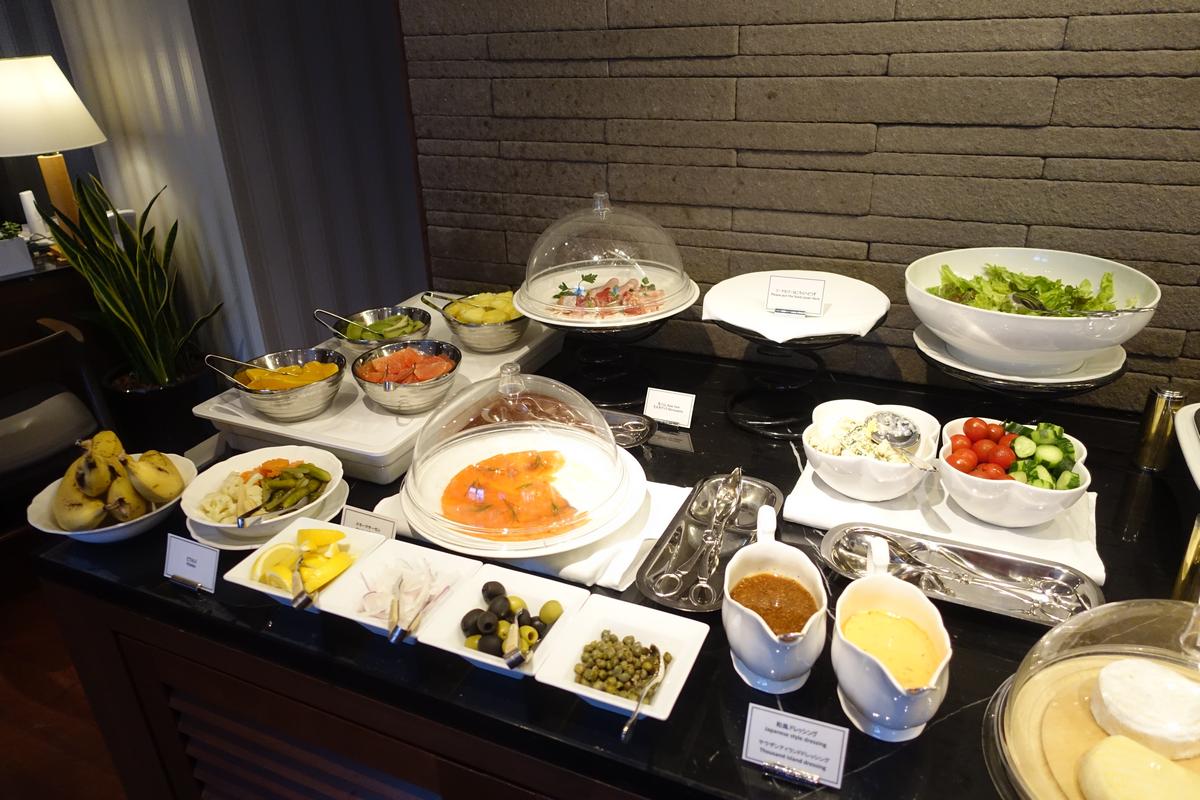
The club lounge breakfast selection was surprisingly decent, with a wide variety of fresh vegetables, along with your typical western offerings of scrambled egg and sausage.
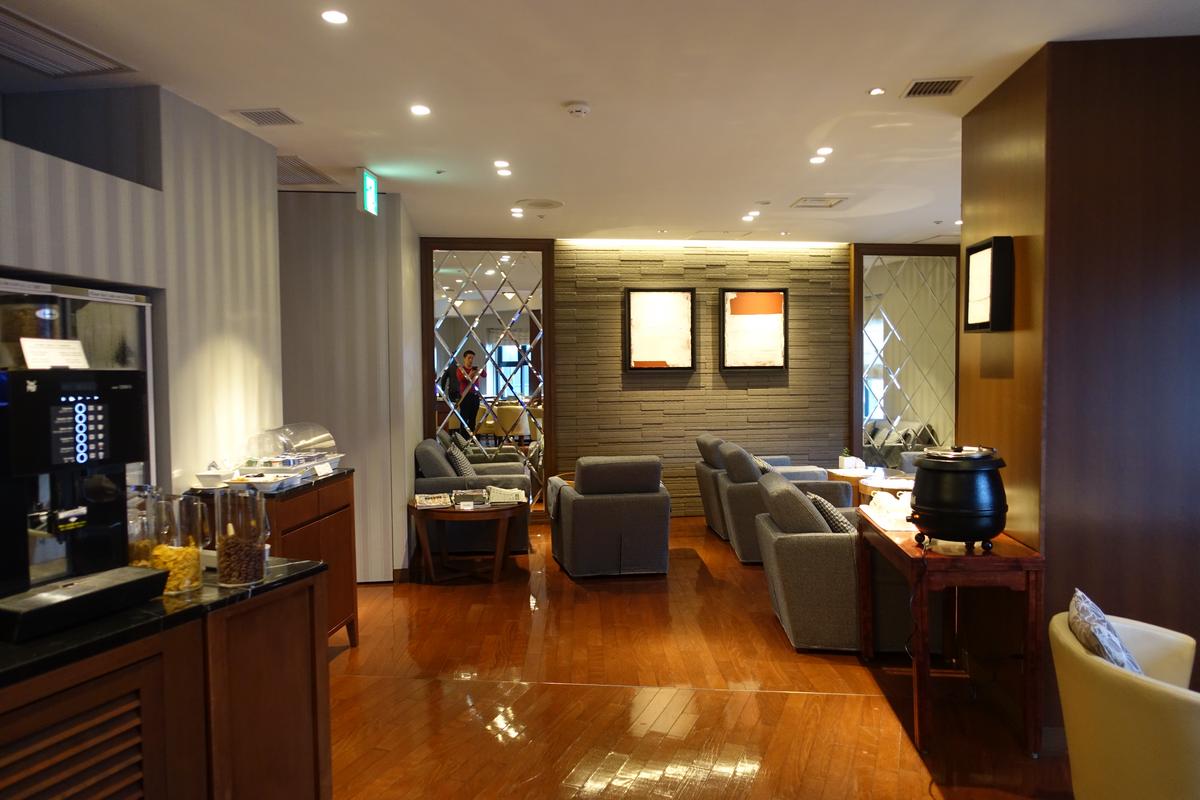
A modern hotel lounge with comfortable seating and a self-serve coffee station.

A diverse hotel buffet offers bowls of fresh fruit, salads, smoked salmon, and various dressings and toppings.

I’d probably give Hyatt Regency Fukuoka a miss, service levels were a bit subpar, and if we weren’t visiting during the Sakura season, I’d pick a locally owned hotel.

After breakfast, we took the Shinkansen to Kumamoto, a city in the center of the island of Kyushu.

Kumamoto may be most famous for its mascot, Kumamon, whose merchandise is quite prevalent throughout Japan and the rest of Asia. 

In fact, Kumamon branded merchandise earned over $1 billion in revenue over the past few years.

Arriving at Kumamoto’s shinkansen station, the ever-present mascot instantly greets visitors.
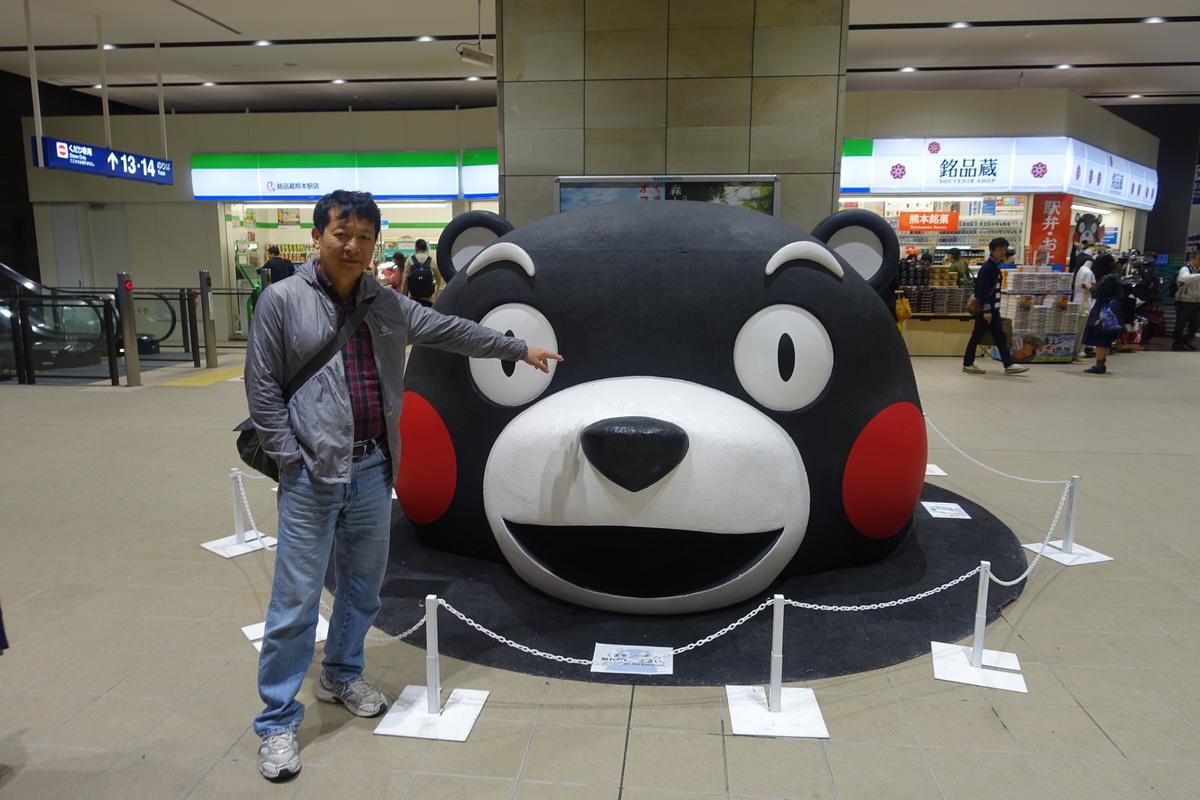
A man points at a large Kumamon mascot in a public concourse.

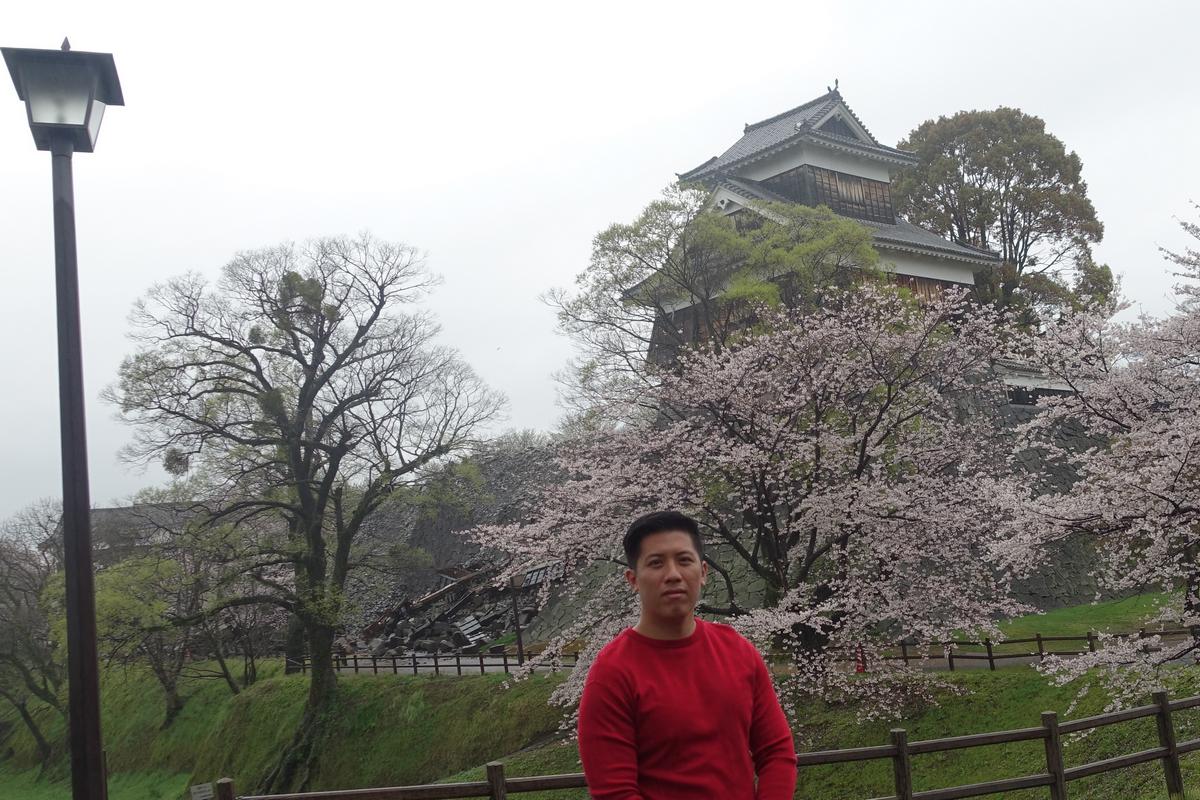
As we had just a few hours in Kumamoto, we headed straight to Kumamoto Castle. Sadly a strong earthquake struck Kumamoto in 2016, causing various parts of the castle to collapse.

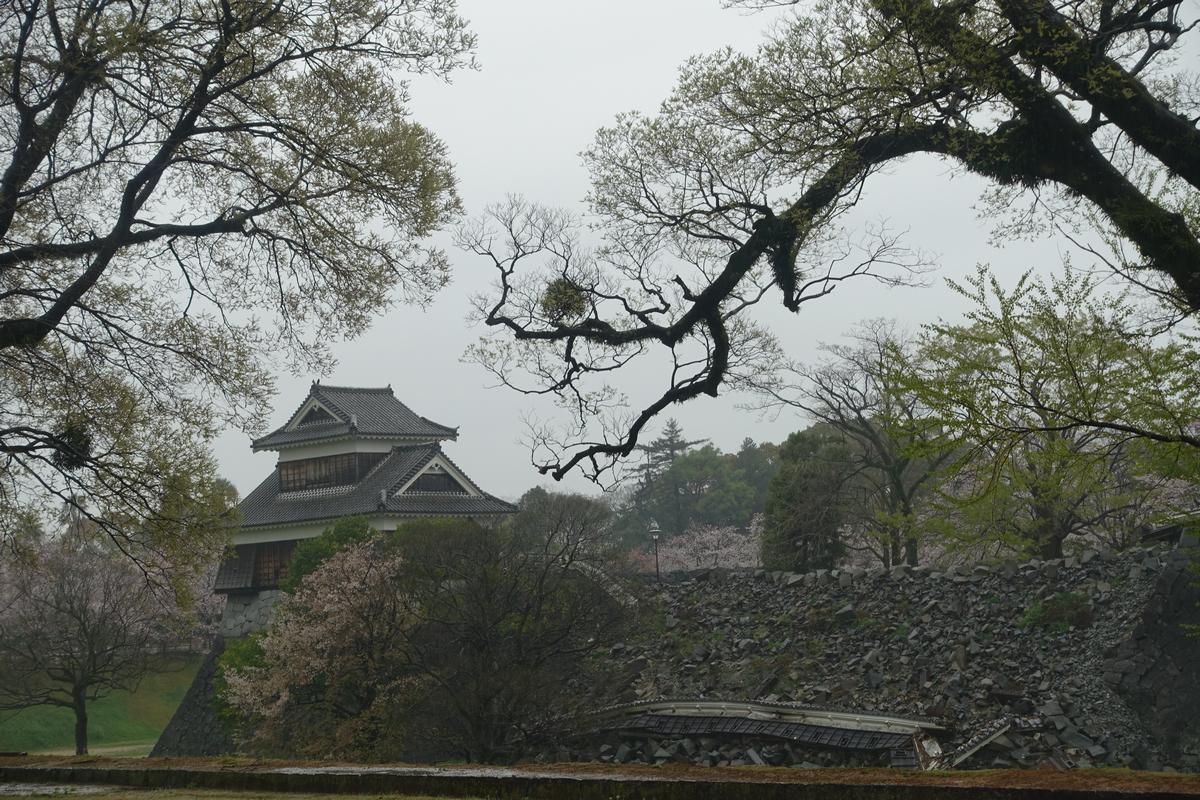
Collapsed stone wall and building rubble at Kumamoto Castle, bordered by a path, trees, and cherry blossoms.

Kumamoto Castle's main tower rises above earthquake-damaged stone walls and spring foliage.

A path lined with blooming cherry blossom trees and fallen petals in Kumamoto.

While visitors aren’t allowed into the castle, the outskirts are open to the public along a marked pathway, and worth a visit, especially when the blossoms are in full bloom.
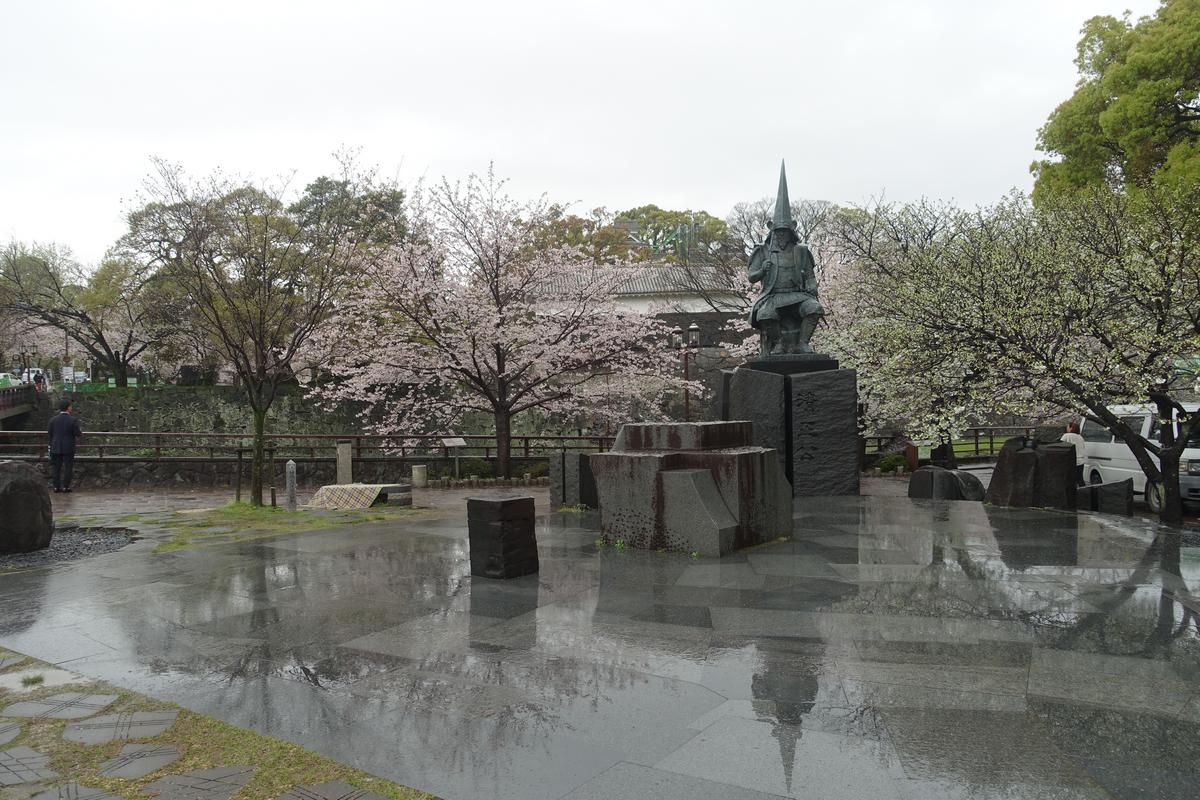
A bronze samurai statue stands amidst blooming cherry blossom trees on a wet, reflective pavement under an overcast sky.

A man in a red shirt stands in front of Kumamoto Castle and blooming cherry trees.

My dad is a bit of a train geek, and probably his favorite part of visiting Kumamoto was riding the Coroco tram from the castle back to the train station.
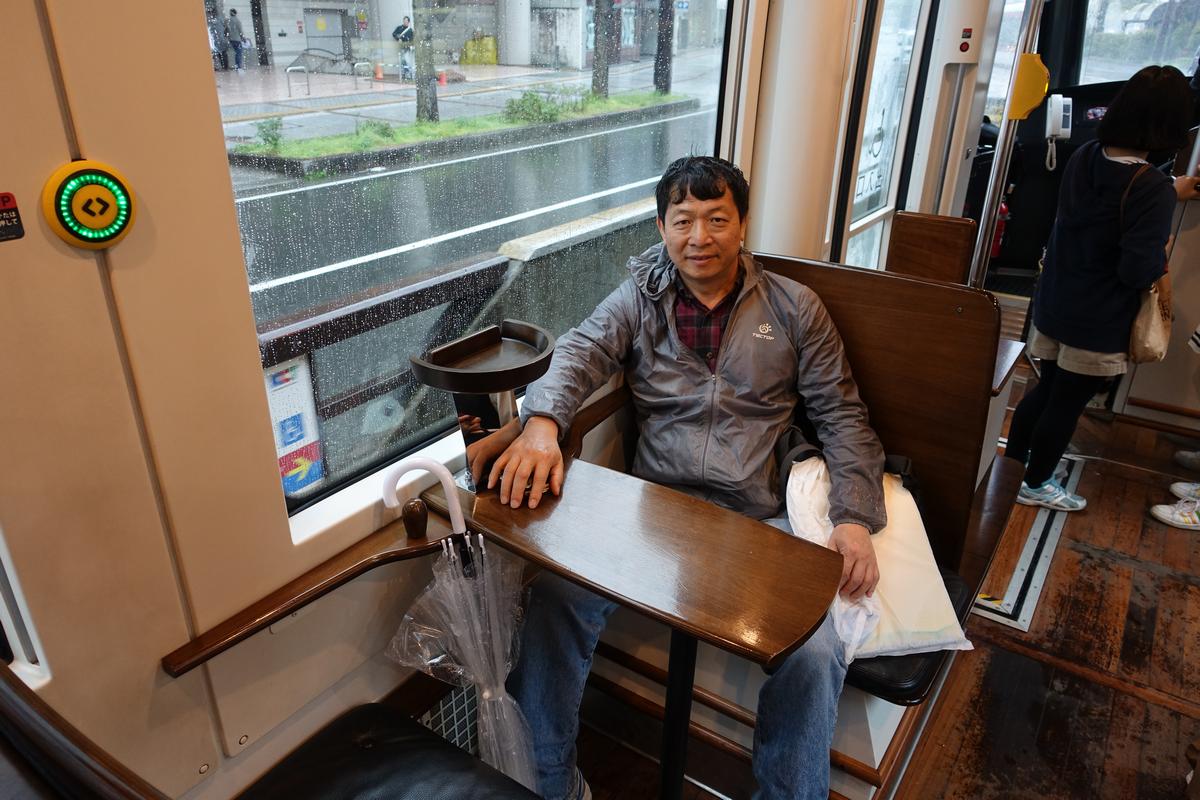
A man sits inside a train next to a window with rain falling outside.

You’d be hard-pressed to find a better-designed tram anywhere else in the world, with its leather seats and dedicated dining tables.
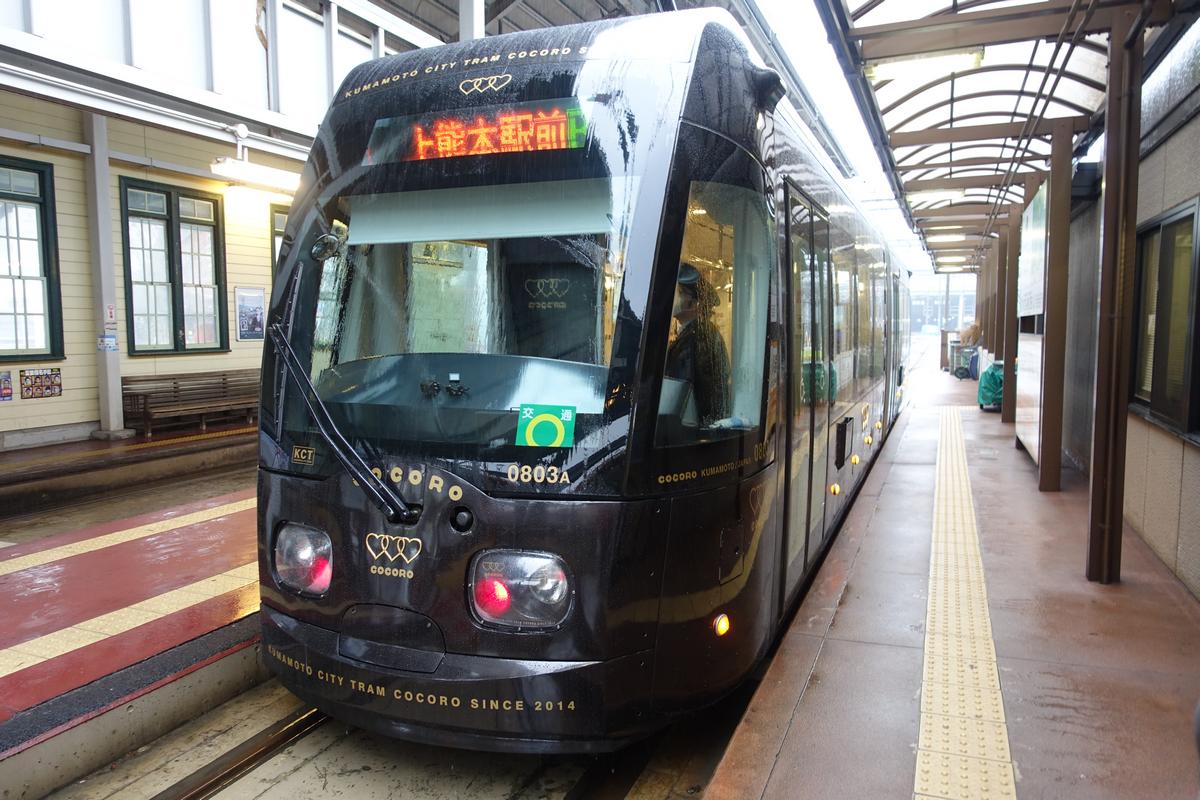
A sleek black Kumamoto City Tram Cocoro is stopped at a station platform on a wet day.

Overall Kumamoto is worth a quick stopover during Sakura, especially if you have the Japan Rail Pass as it takes a mere 40 minutes from Fukuoka to Kumamoto.
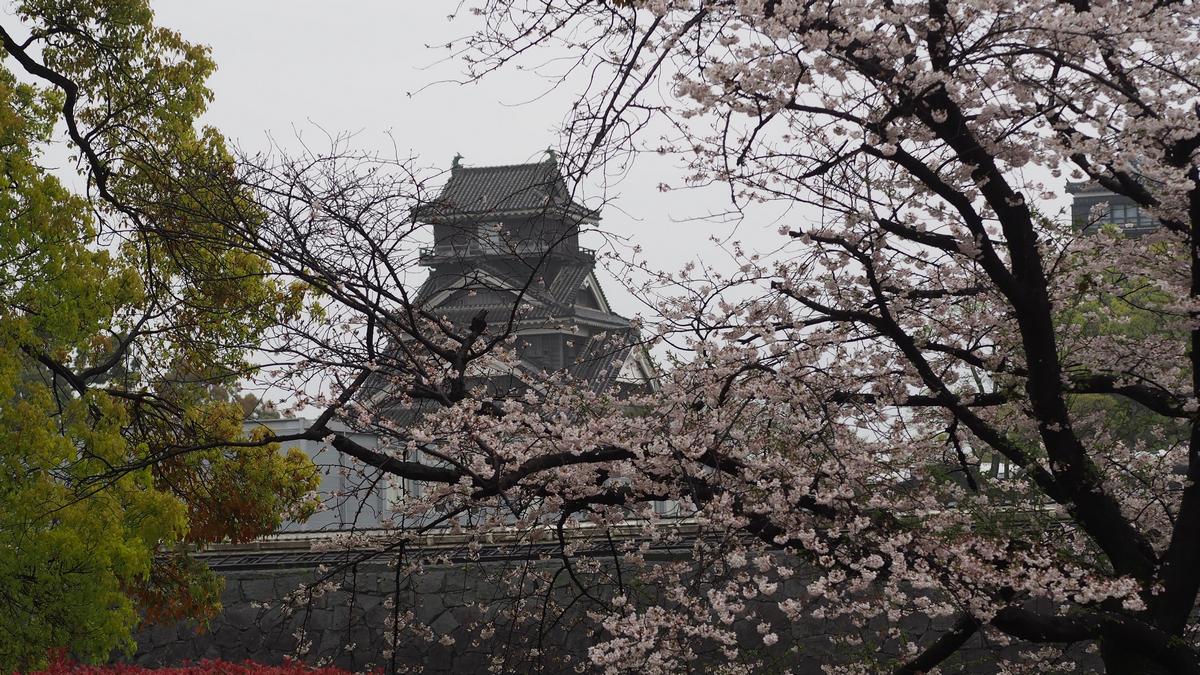
Kumamoto Castle is visible behind blooming cherry blossom branches.

Trip Report: Eating Kobe Beef For $50 & Cherry Blossoms At Kobe Zoo

One of the items on my Dad’s checklist was to try Kobe beef, and it was a no-brainer that we should head to the source to try out this beef delicacy. After a rather long wait, our chef finally arrived and showed us our fat marbled lined steak before heating up the teppanyaki grill. With such a premium piece of meat, there was no need to add any extra flavoring, and the chef gently sprinkled a bit of salt on top. After a few minutes our steaks were ready to be digested and I can honestly say it was the best piece of meat I’ve ever tasted.

How to Eat Kobe Beef for $50 & Cherry Blossoms at Kobe Zoo

After our brief stop in Nagoya, we continued down the Shinkansen to the city of Kobe.

One of the items on my Dad’s checklist was to try Kobe beef, and it was a no-brainer that we should head to the source to try out this beef delicacy.
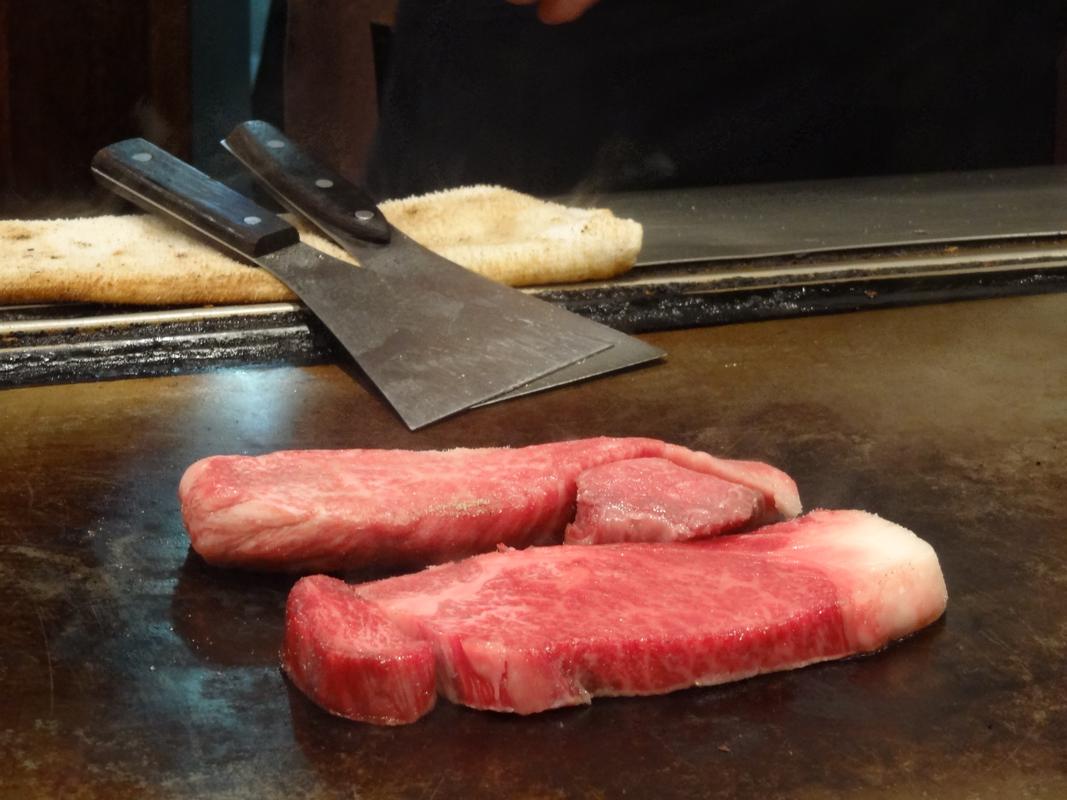
Raw Kobe beef steaks on a hot teppanyaki griddle with spatulas.

As we were on a budget, we decided to forgo an expensive steakhouse and instead dined at Steakland, which charges around $50 for the dinner set which includes rice, salad, and soup.
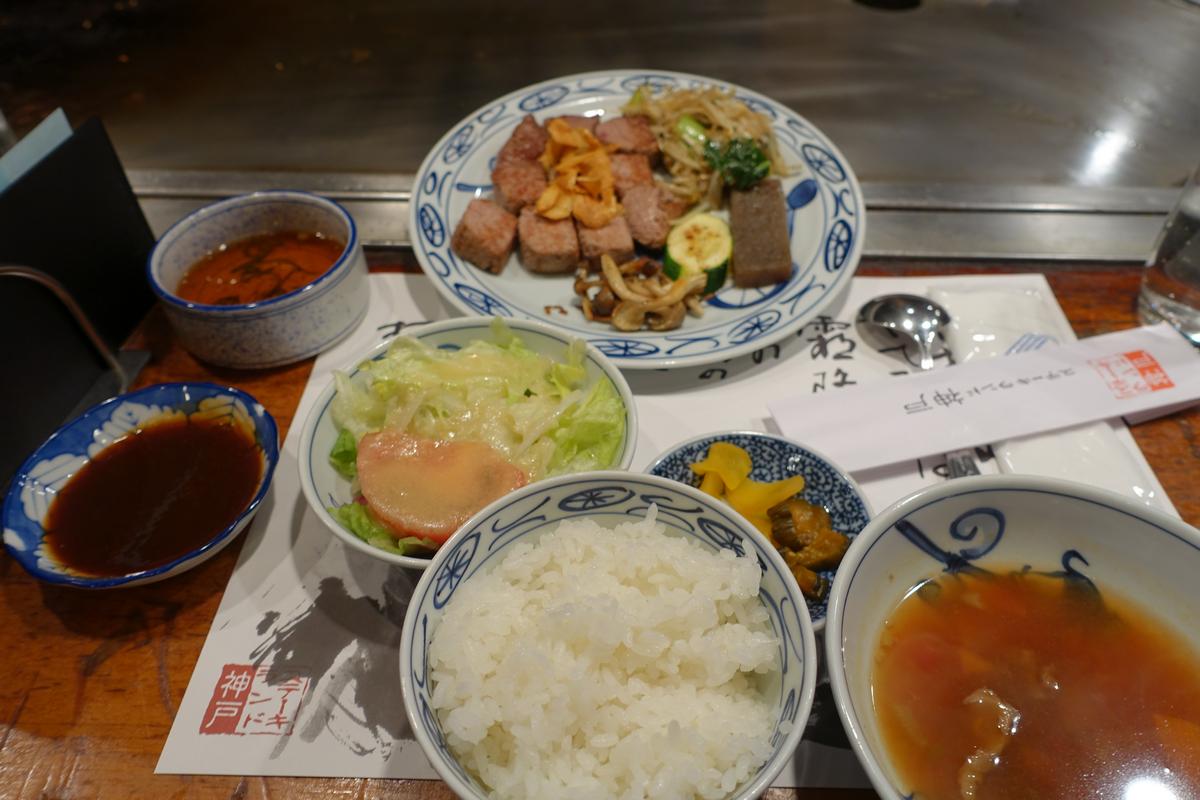
A full set meal featuring cooked Kobe beef, rice, salad, soup, and various sides on a restaurant table.

On a side note for those who don’t eat steak often, when asked by the waiter on how you would like to have your steak done, I’d recommend rare, which meant a slight sear on the outside of the steak, and relatively uncooked on the inside.
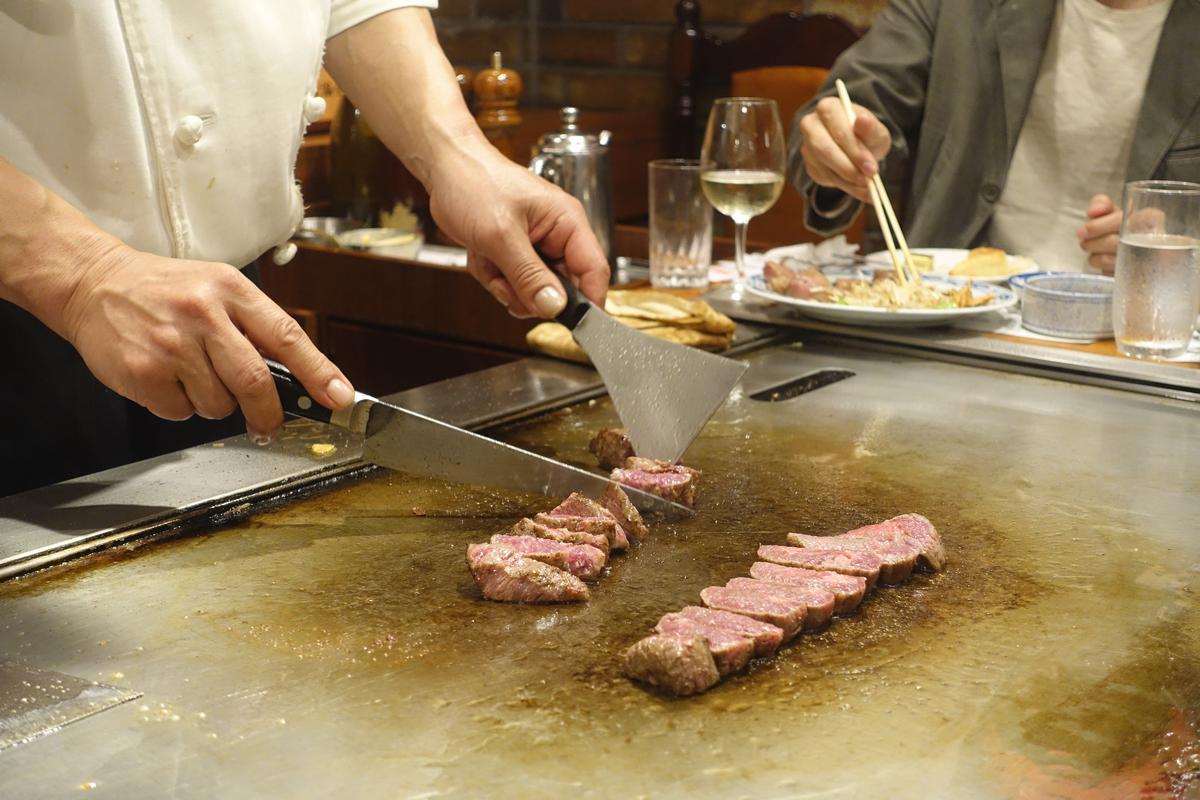
A chef slices cooked Kobe beef on a teppanyaki grill as a diner eats in the background.

However, if you’re hesitant on eating raw steak, then medium rare would also do, but anything higher would ruin the taste.

After a rather long wait, our chef finally arrived and showed us our fat marbled lined steak before heating up the teppanyaki grill.
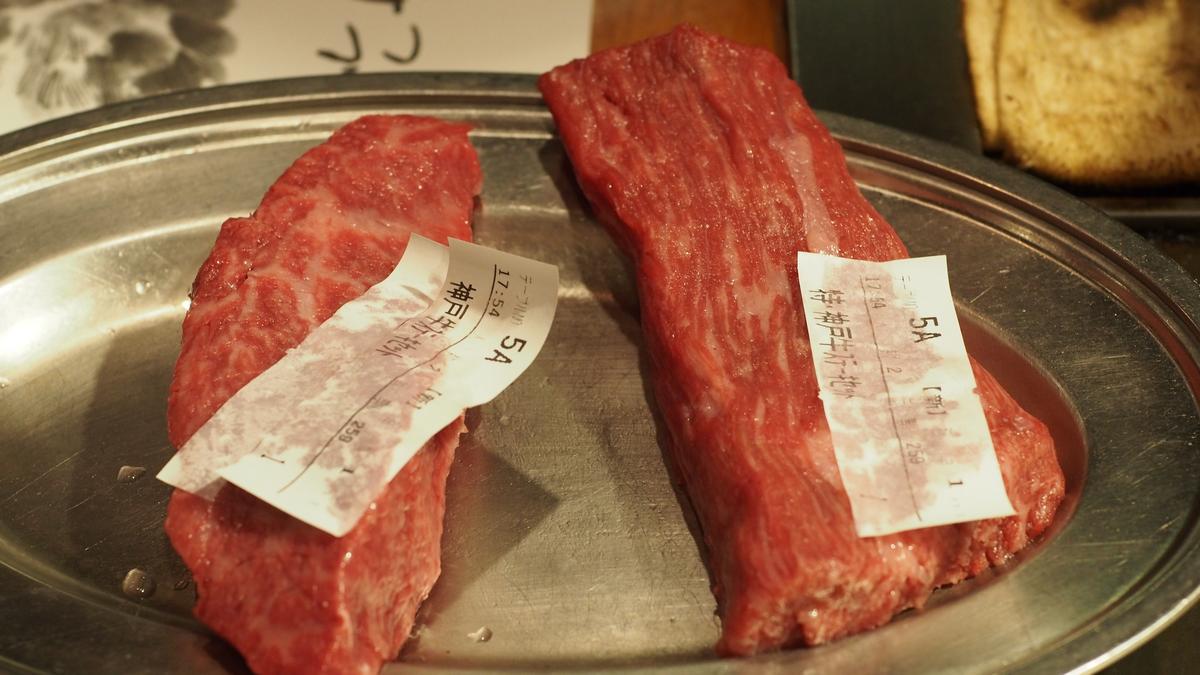
Two raw, marbled Kobe beef pieces with labels on a silver platter.

With such a premium piece of meat, there was no need to add any extra flavoring, and the chef gently sprinkled a bit of salt on top.
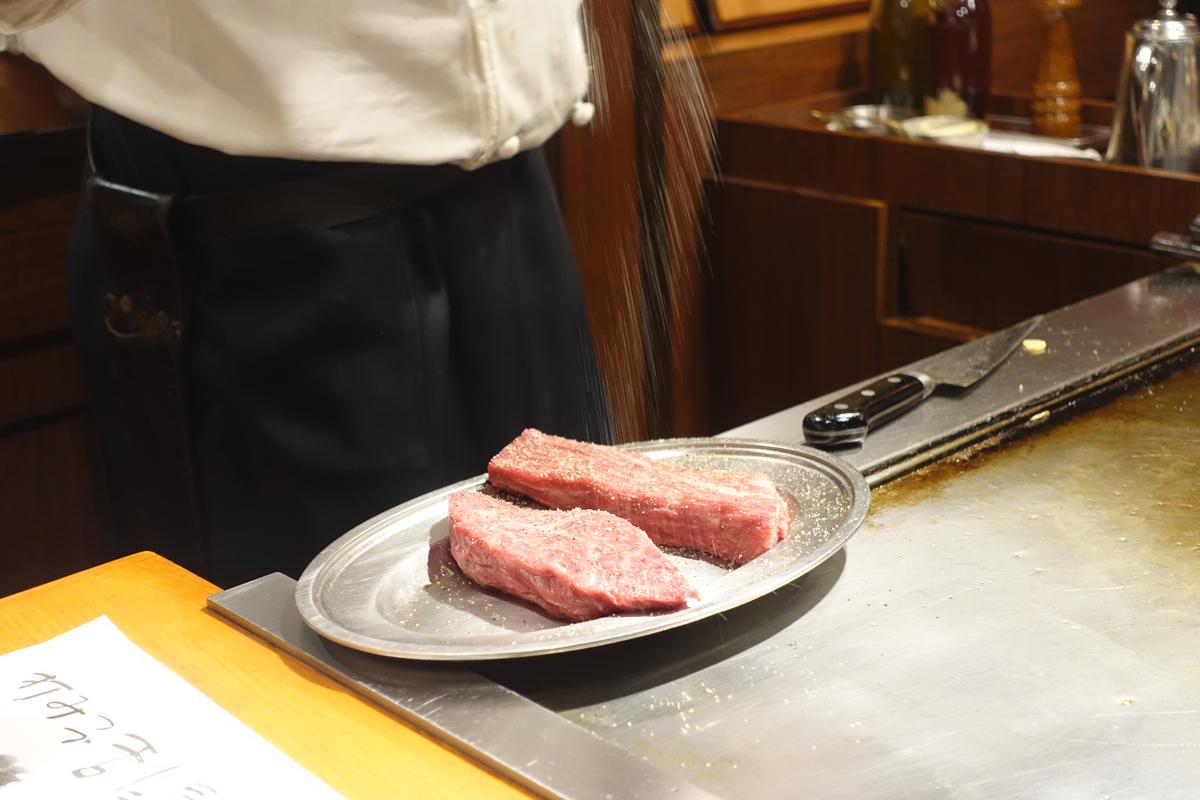
A chef seasons two raw cuts of Kobe beef on a plate next to a teppanyaki grill.

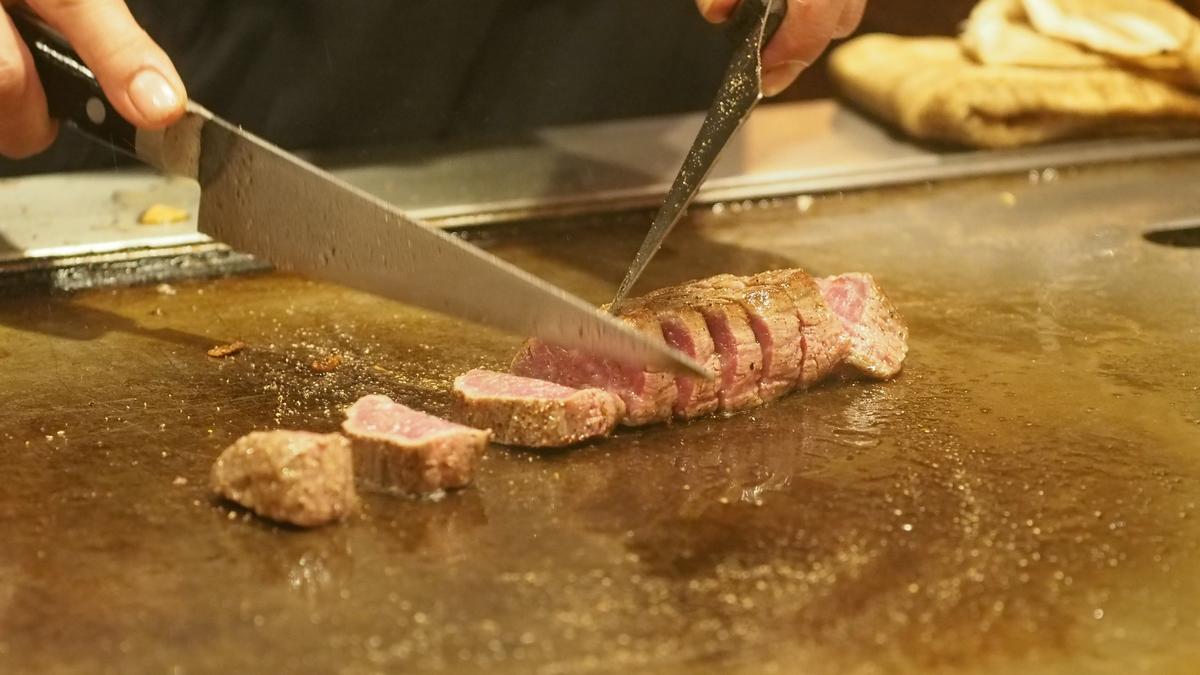
Our chef was straight out of central casting: cutting and searing each piece of Kobe beef with exact precision.
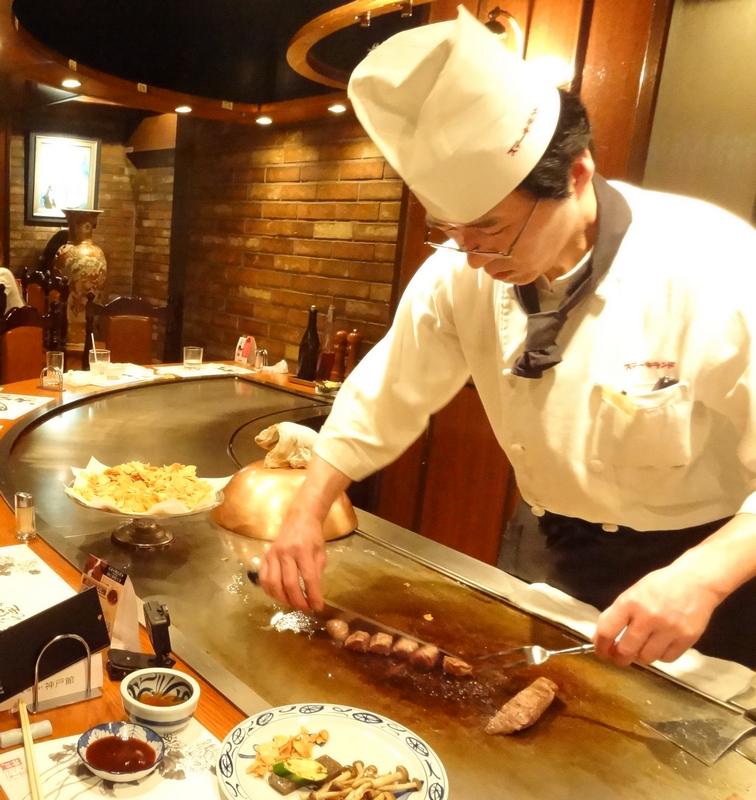
Chef in white uniform preparing Kobe beef on a large flat-top grill at a restaurant.

Hands slice pink Kobe beef on a sizzling teppanyaki griddle.

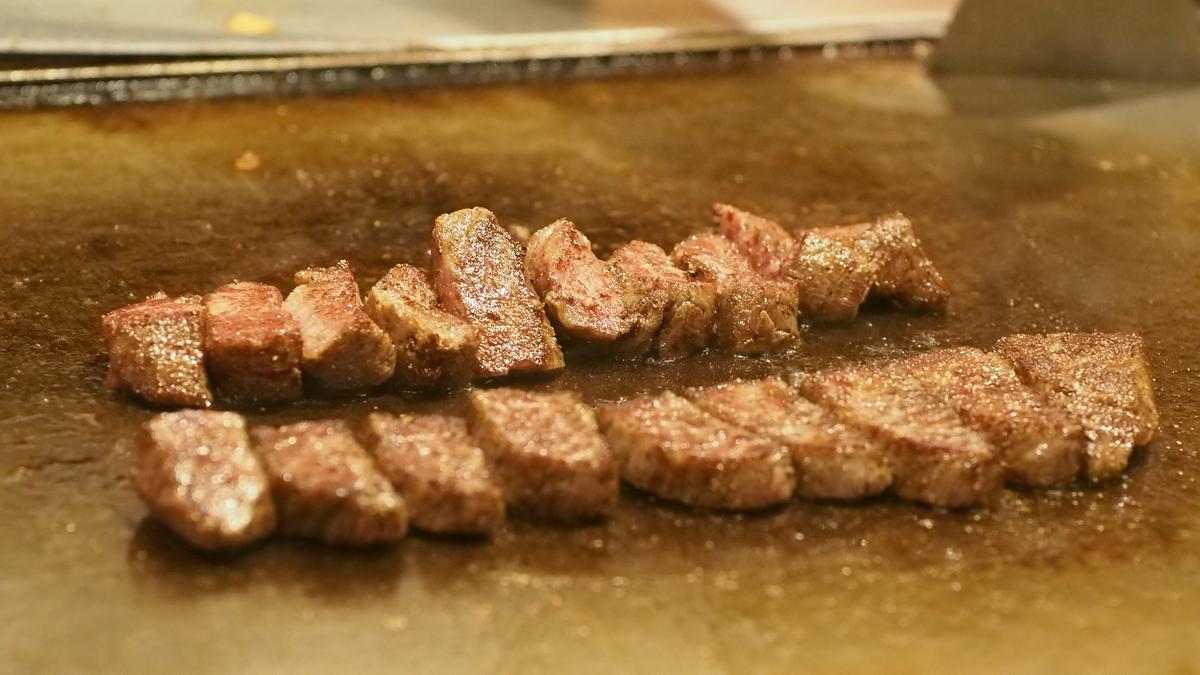
Kobe beef pieces searing on a teppanyaki grill.

After a few minutes our steaks were ready to be digested and I can honestly say it was the best piece of meat I’ve ever tasted.
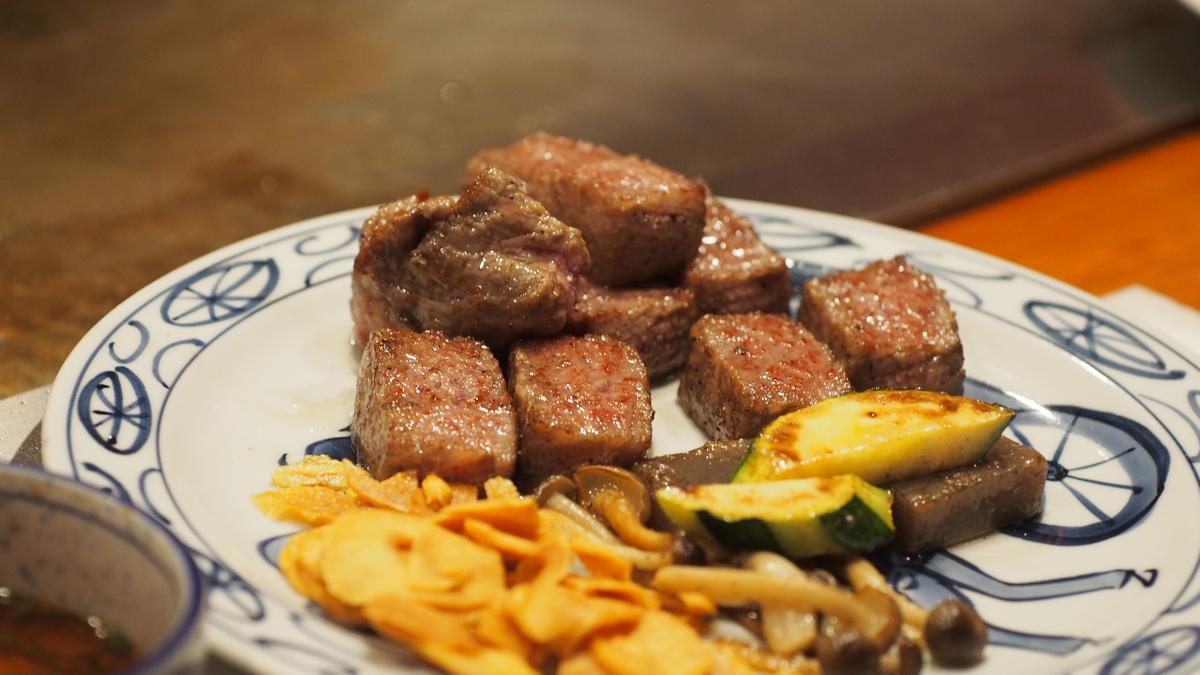
Plate of seared Kobe beef cubes with vegetables and crispy garlic.

The sensation of the Kobe beef bursting in my mouth with all the fat rushing out quickly overwhelmed my senses and it was at that moment I knew I was in food heaven.
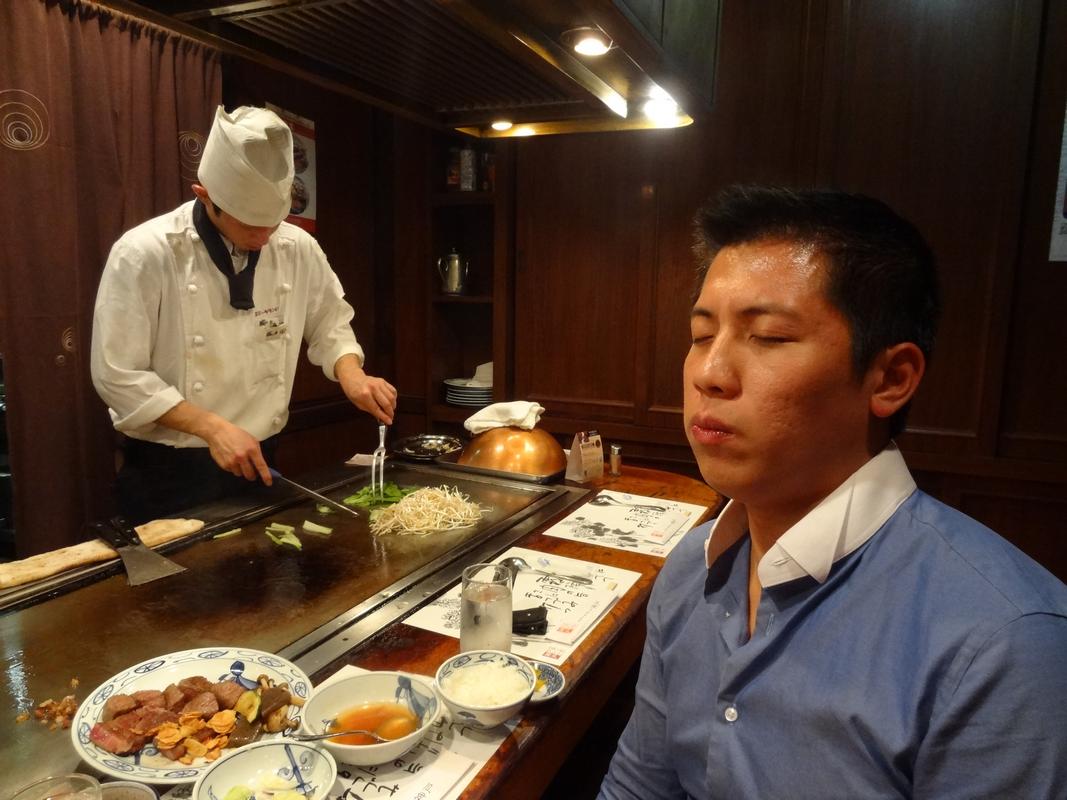
A chef cooks on a teppanyaki grill as a customer enjoys a meal of Kobe beef, eyes closed in appreciation.

Overall, although the atmosphere is a bit grimy, you’re here for the steak. The bill for two Kobe beef sets was around $100, an absolute bargain for the quality of meat.
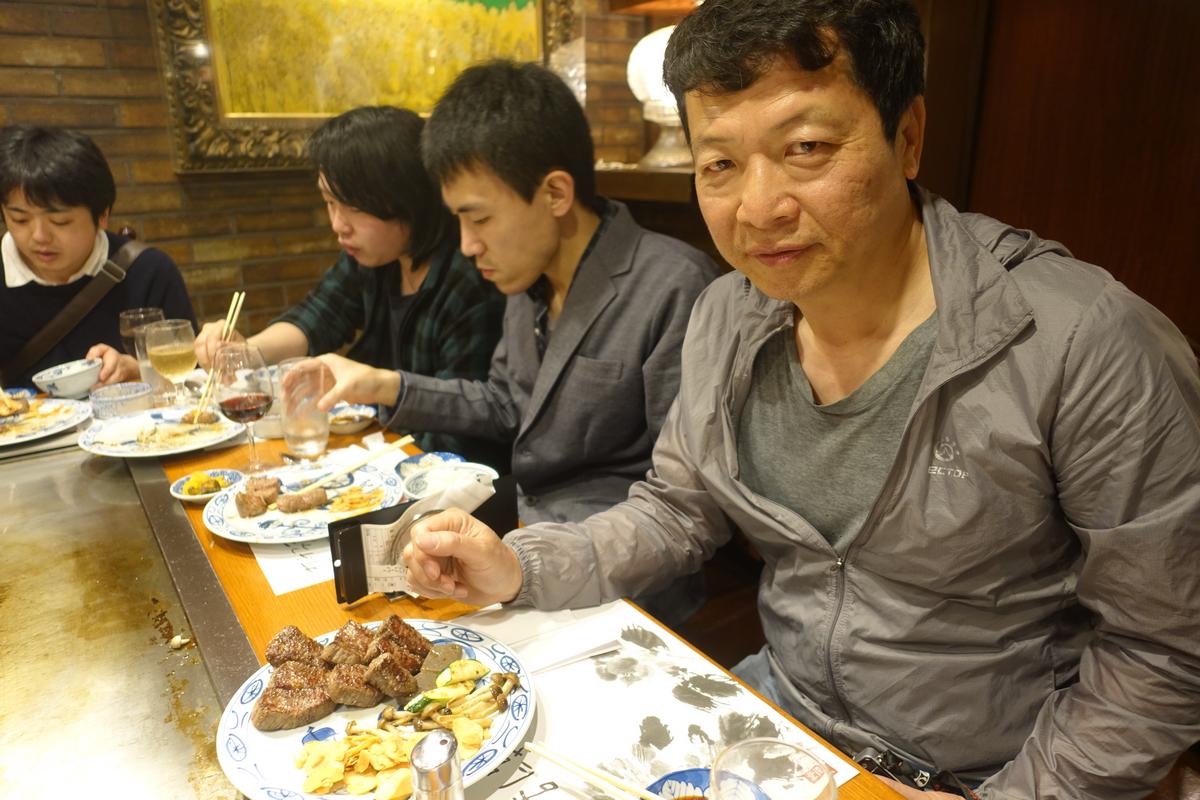
A group of people dining at a restaurant with plates of Kobe beef and wine.

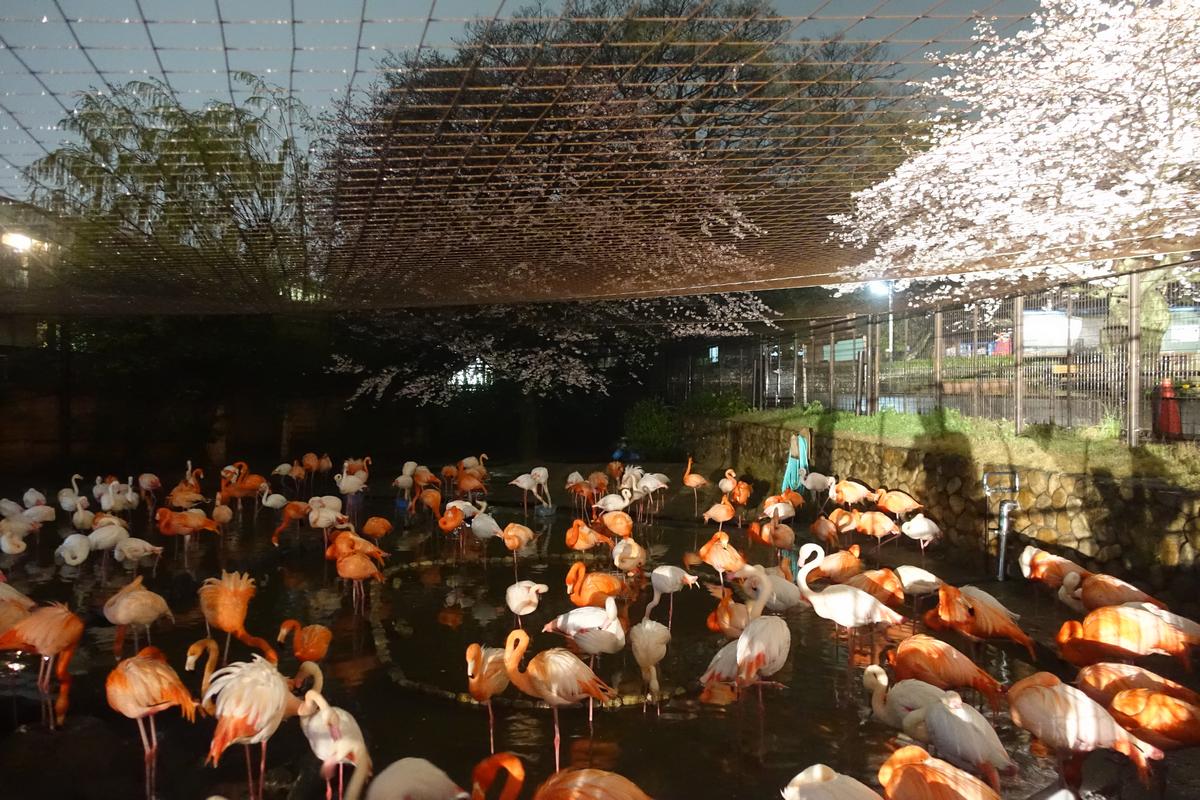
After our sumptuous dinner, we made a quick stop at the Kobe Zoo, which was open to the public for a special Sakura night illumination. 
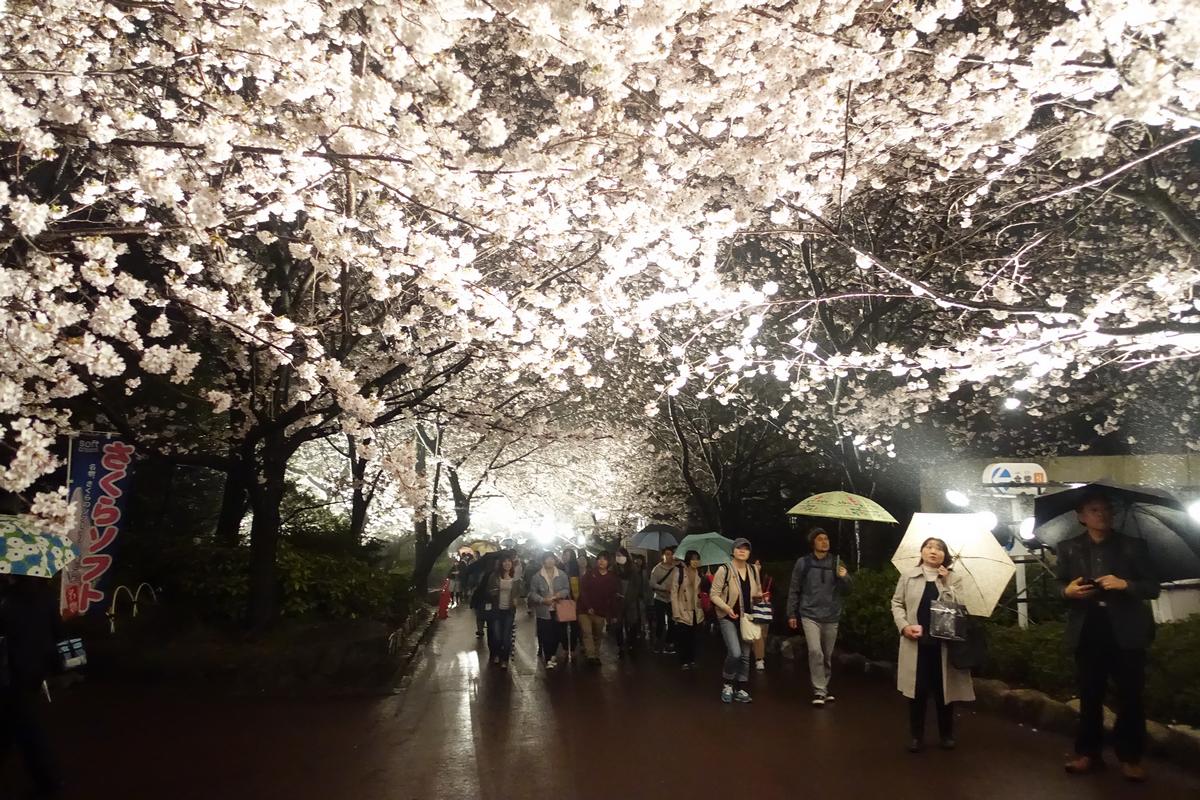
People walk under glowing cherry blossoms at Kobe Zoo at night, some with umbrellas.

People walk under brilliantly illuminated cherry blossom trees at night, many holding umbrellas.

A large flock of pink and white flamingos stands in a pond under illuminated cherry blossom trees at night in a zoo enclosure.

Flamingos under the Sakura

We then rushed back to Shin-Kobe station where we caught the last Hikari shinkansen train to Fukuoka with seven minutes to spare.
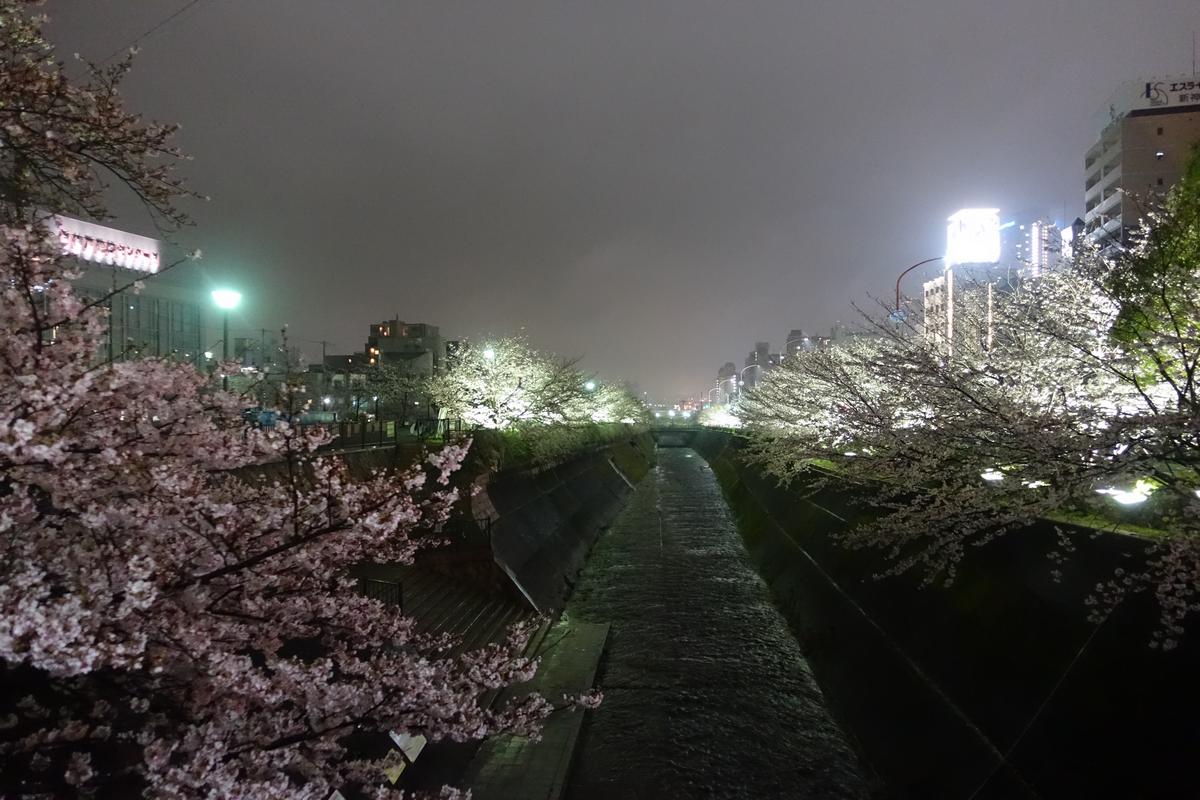
Night view of illuminated cherry blossoms lining a city canal in Kobe.

For those visiting Osaka & Kyoto, Kobe is mere minutes away via the limited express local trains and worth a quick visit, even if it’s just for dinner. 
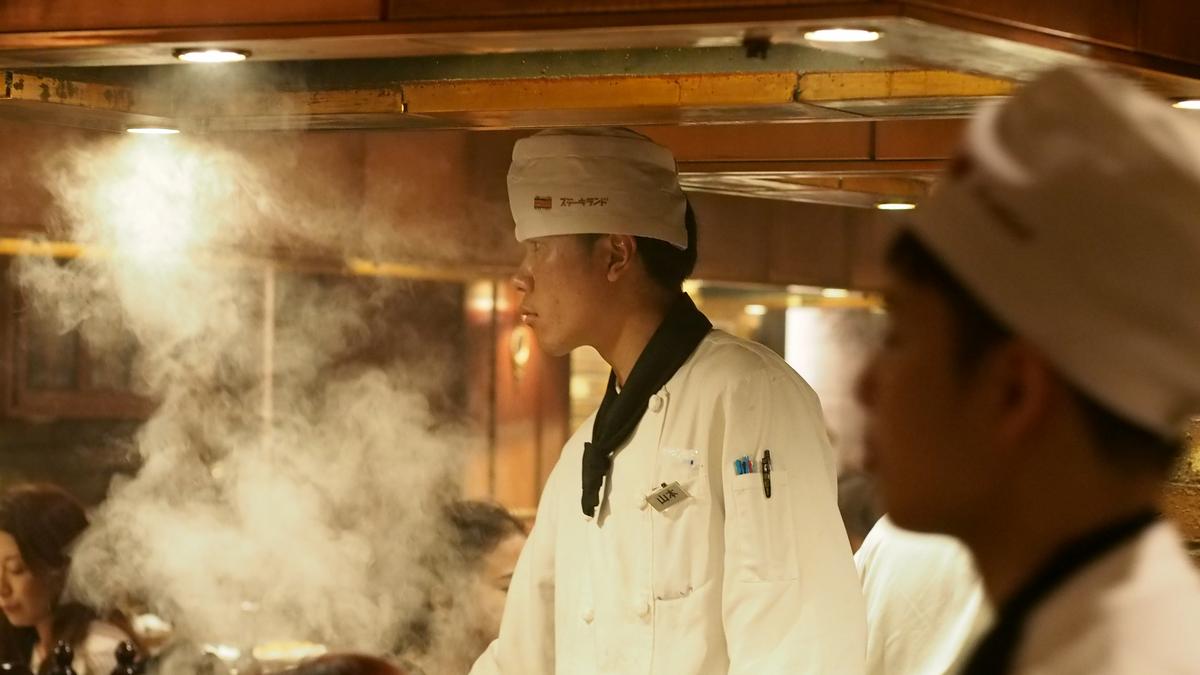
A chef cooks on a grill, surrounded by steam, at a teppanyaki steak restaurant.

Trip Report: Nagoya & Chasing The Sakura On The Shinkansen

We had just two and half hours to explore the city and headed straight to Nagoya Castle. Along the way, we spotted numerous types of Sakura trees in full bloom.

The castle grounds were stunning; with the row of trees next to the Taxi line among the most spectacular blooms I’d seen yet.

Unfortunately, the castle itself was a bit of a disappointment, being completely renovated with modern conveniences such as elevators, and lacks the traditional “feel” compared to other castles such as the one in Himeji.

Nagoya Castle – Chasing the Sakura on the Shinkansen

After an incredible extended stay in Tokyo, my dad and I checked out of the Hyatt Regency Tokyo and began our long journey aboard the Shinkansen (Japanese bullet train) to Fukuoka with stops in Nagoya and Kobe.
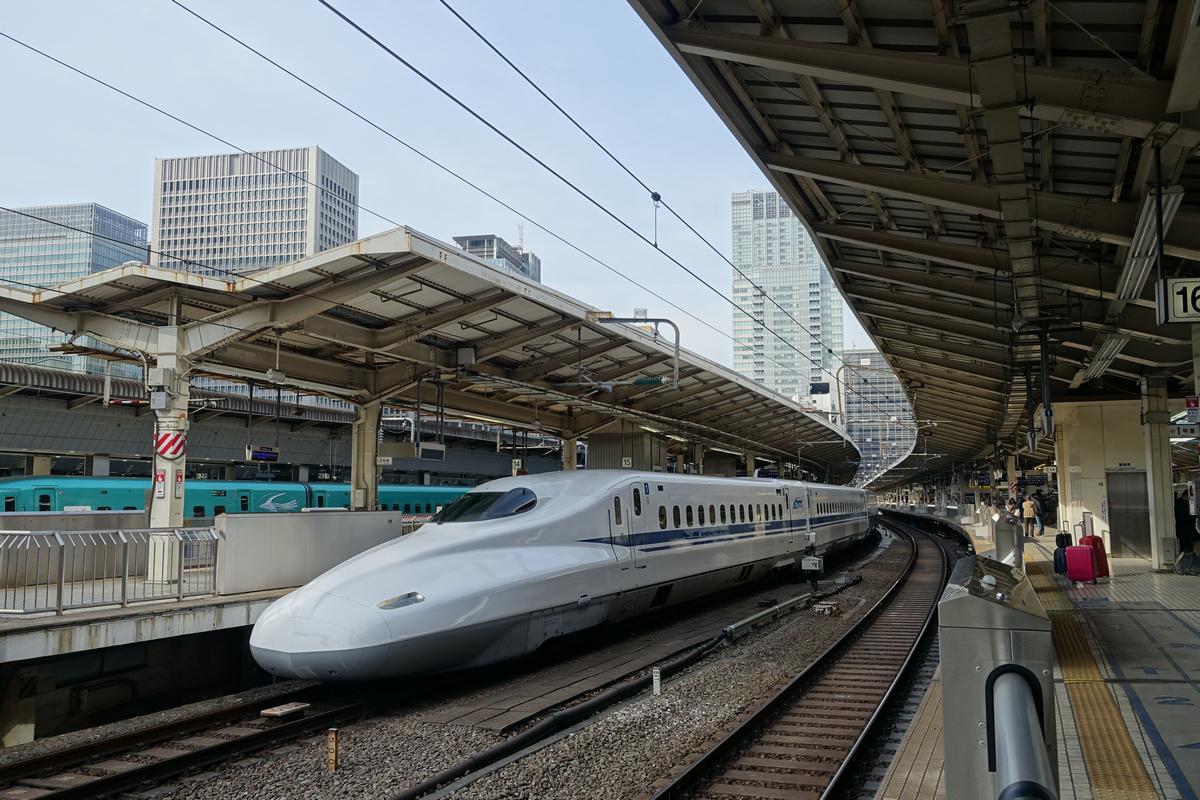
A white Shinkansen bullet train sits on tracks at a station platform.

For those unfamiliar with the Japan Rail Pass, the pass grants pass holders unlimited train travel on Japan Railway lines for one to three weeks (depending on the type of pass).

As we knew this would probably be the only time my Dad would ever get the chance to see the cherry blossoms in Japan, we quickly drew up a crazy train journey zig-zagging across central and southern Japan.
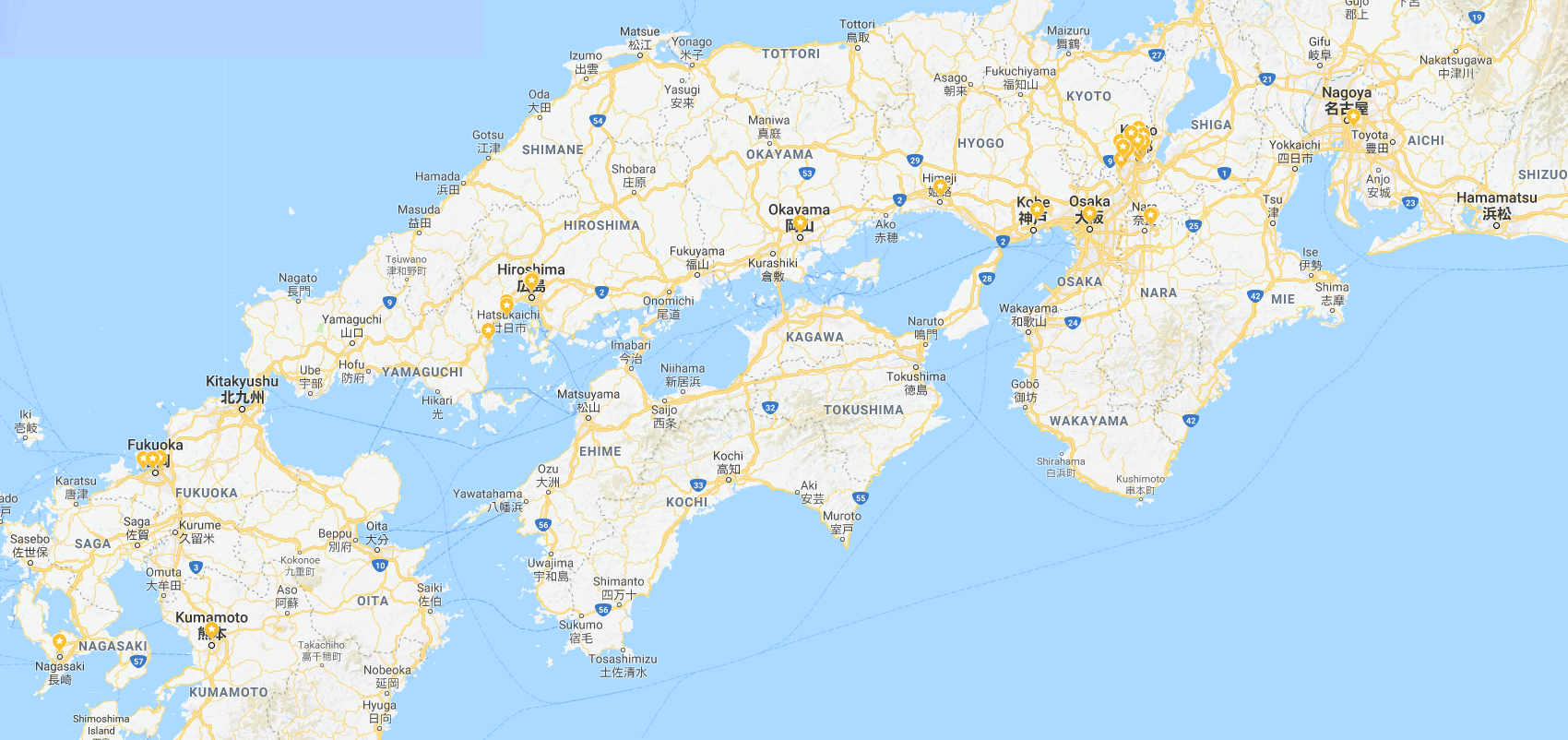
Map of central and western Japan highlighting major cities including Nagoya.

The Shinkansen trains are notoriously punctual, clean, and comfortable, if not a little tight width wise. If you’re traveling in twos, I’d highly advise arriving early and reserving seats ending with “D” & “E,” rather than risk getting stuck with a stranger on the right side of the train.

Interior of a Shinkansen train car with passengers in blue seats and luggage on overhead racks.

We had just two and half hours to explore the city and headed straight to Nagoya Castle.
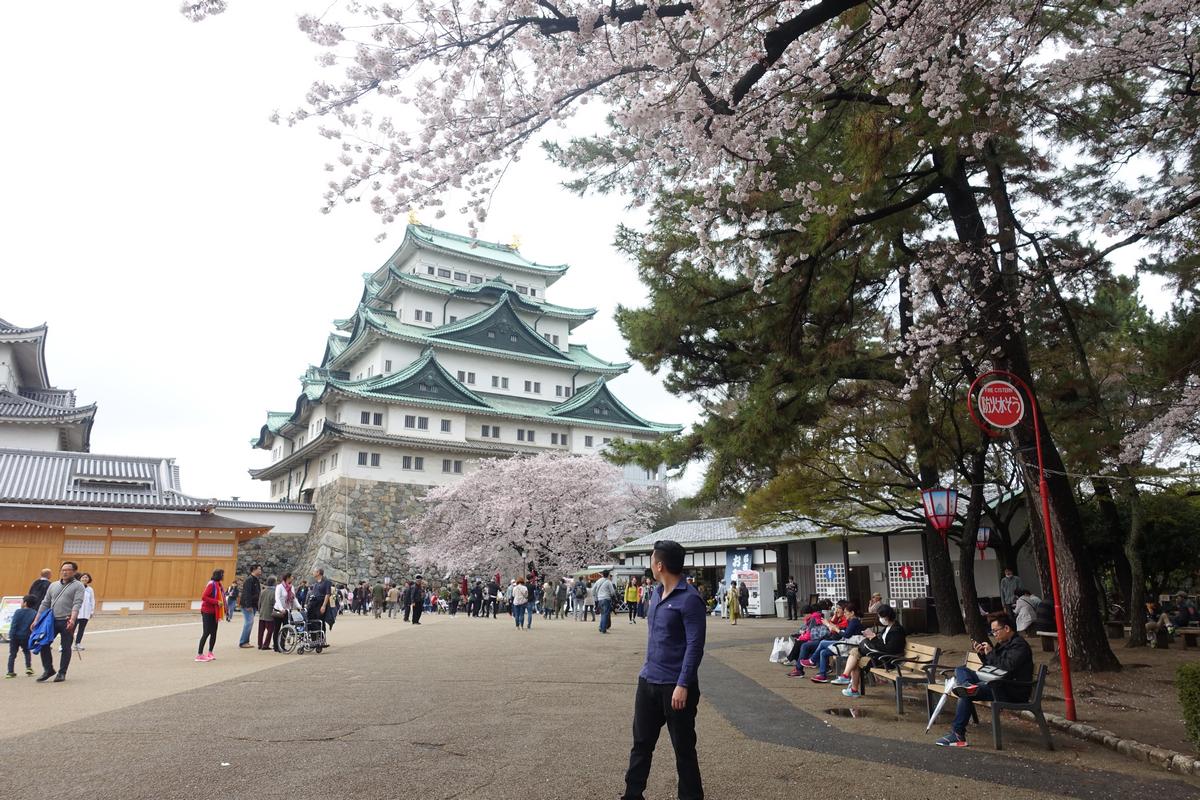
Nagoya Castle stands tall, framed by blooming cherry trees, with many visitors enjoying the park.

Along the way, we spotted numerous types of Sakura trees in full bloom.

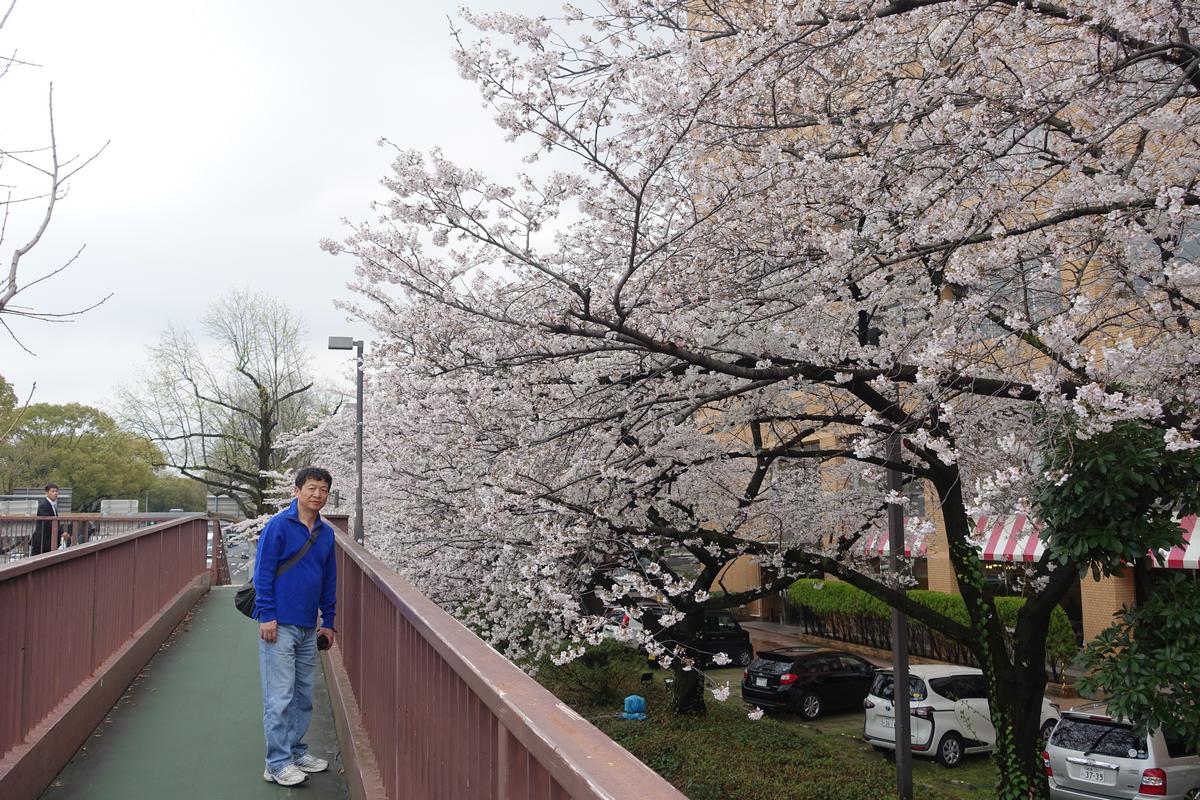
Pink weeping cherry blossoms and red flowers line an urban street with a pedestrian bridge.

A man stands on a bridge lined with blooming cherry blossom trees.

The castle grounds were stunning; with the row of trees next to the Taxi line among the most spectacular blooms I’d seen yet.
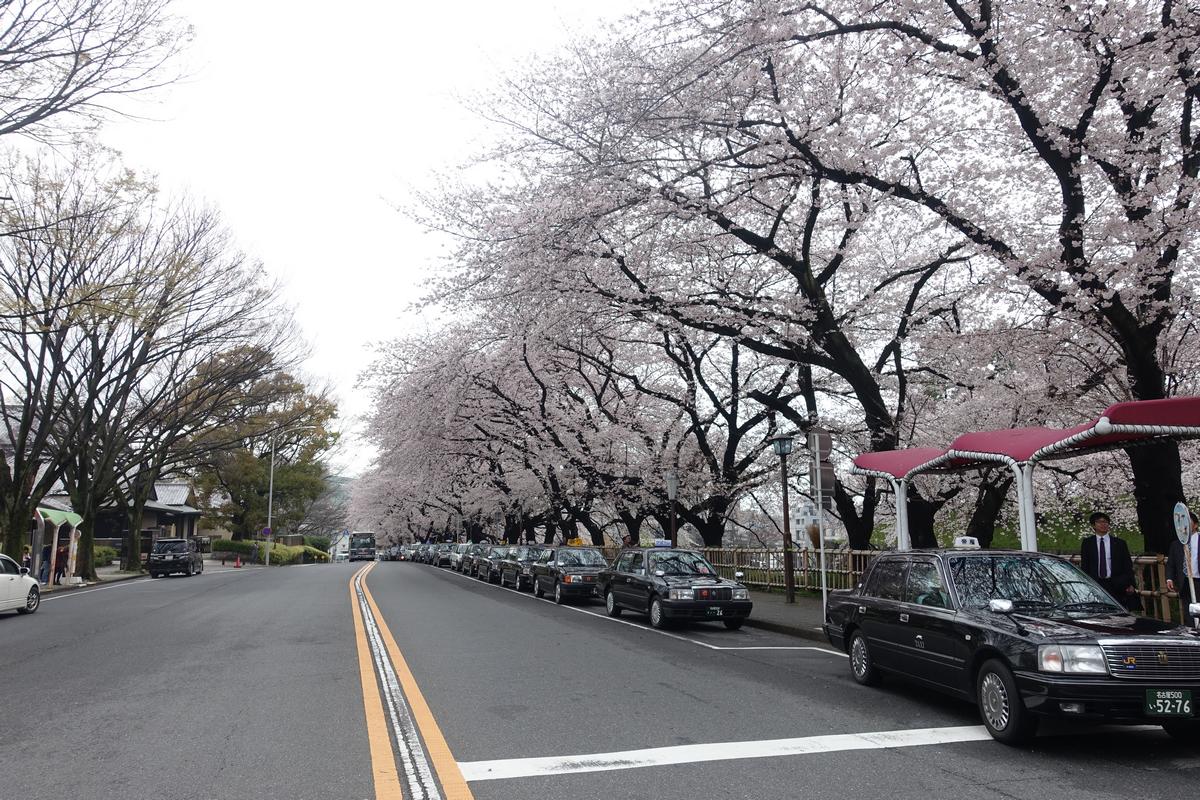
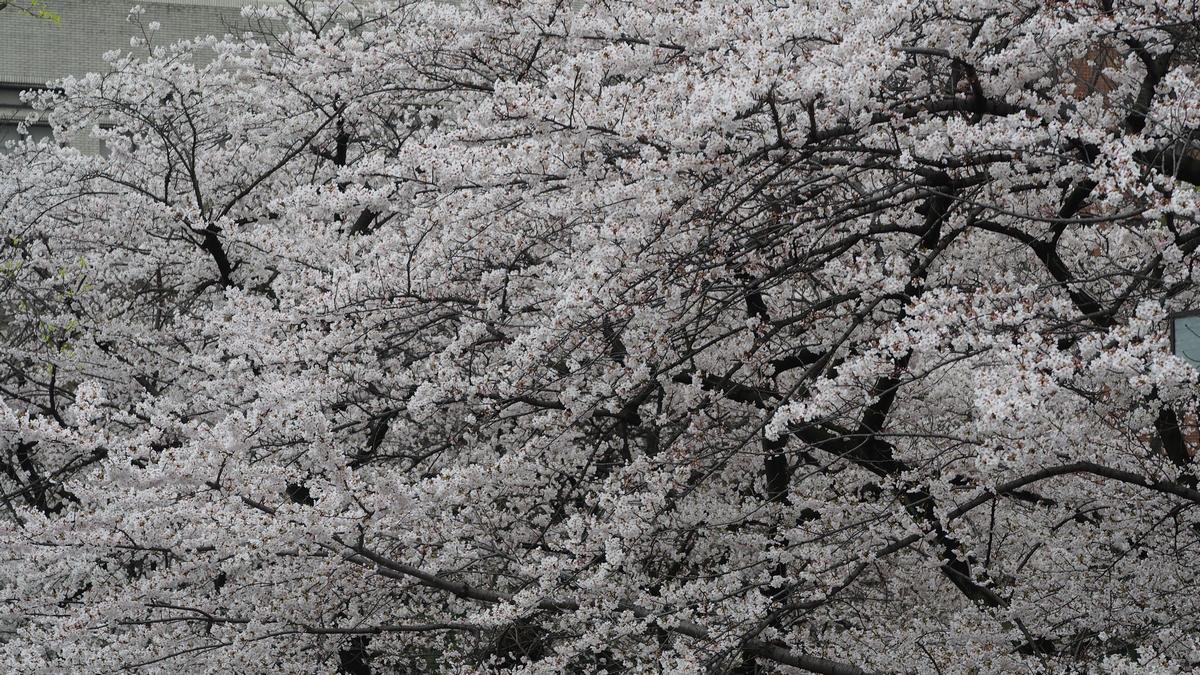
A street lined with blooming cherry blossom trees, with a row of black taxis parked underneath.

Numerous white sakura blossoms cover tree branches.

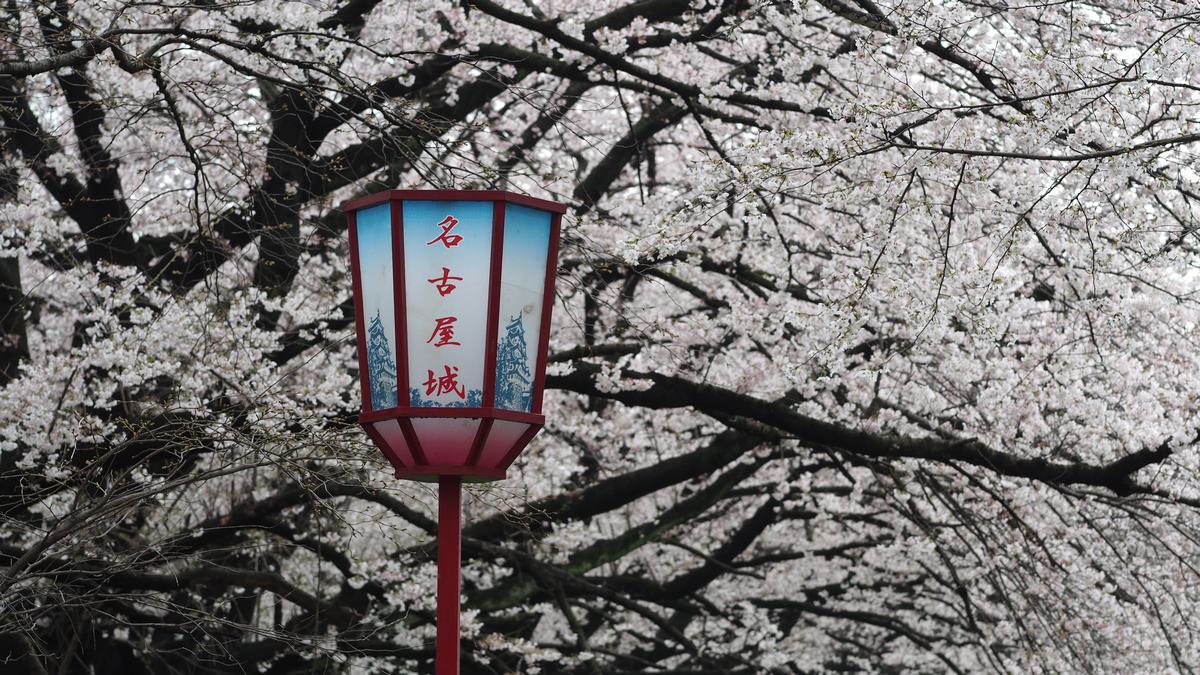
A Nagoya Castle lantern stands in front of blooming white cherry blossoms.

Nagoya Castle's roof rises above a dense canopy of pink cherry blossoms.

Unfortunately, the castle itself was a bit of a disappointment, being completely renovated with modern conveniences such as elevators, and lacks the traditional “feel” compared to other castles such as the one in Himeji.
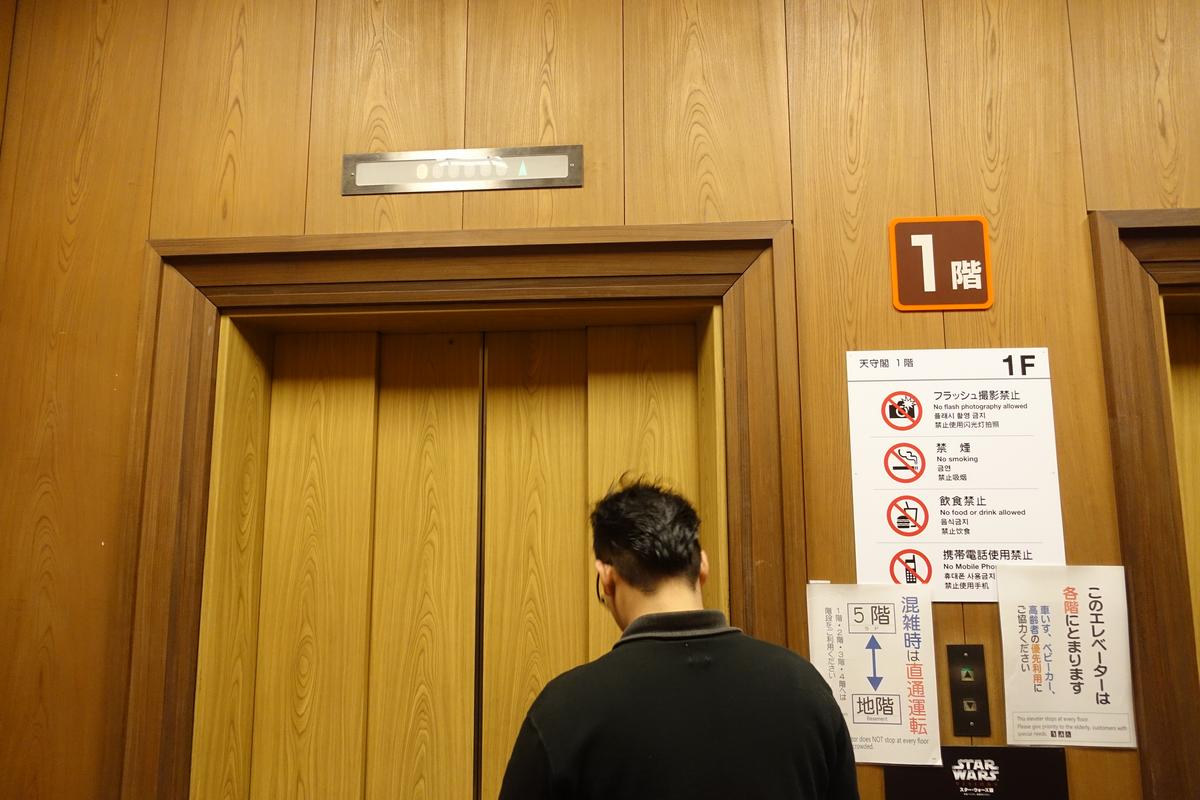
A person stands facing a wooden elevator door on the first floor, next to informational signs in Japanese and English.

A person in traditional samurai armor with an elaborate hairstyle holds a spear next to a yellow banner.

However, the views of the Sakura trees from above made the 500 yen entrance fee palatable, but I’d be hesitant recommending anyone coming here during the regular season.
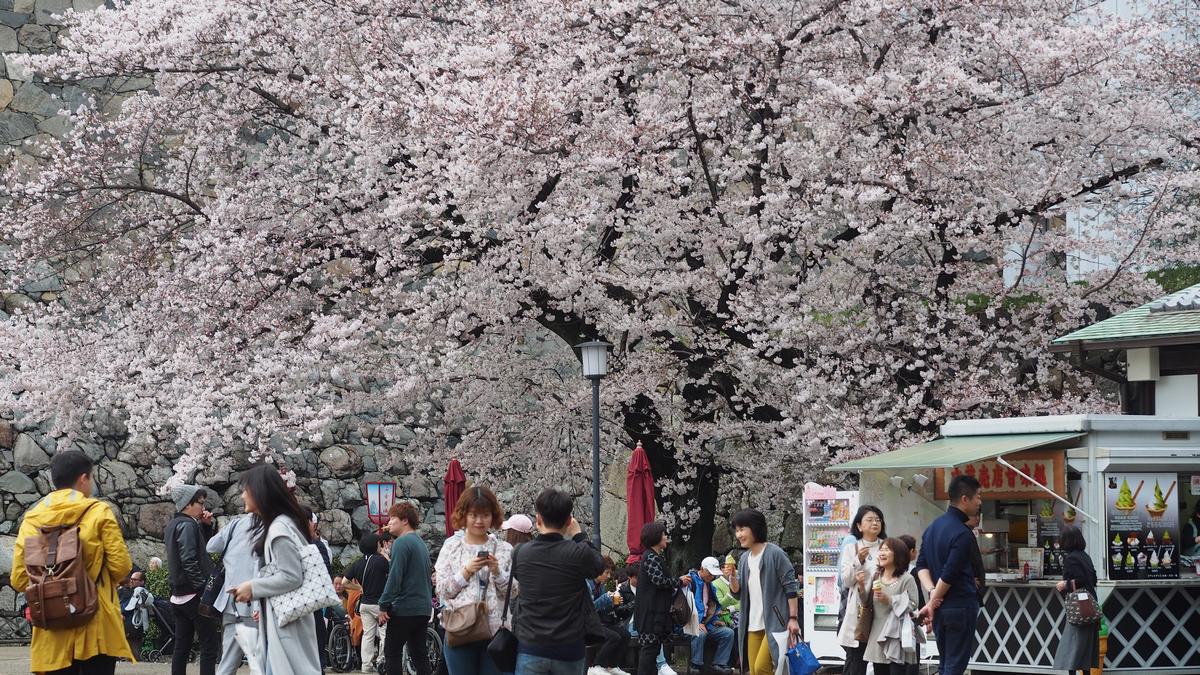
Visitors gathered beneath a large, blooming sakura tree near a food stall at Nagoya Castle.

Nagoya Castle building with traditional roofs and blooming cherry blossom trees under an overcast sky.

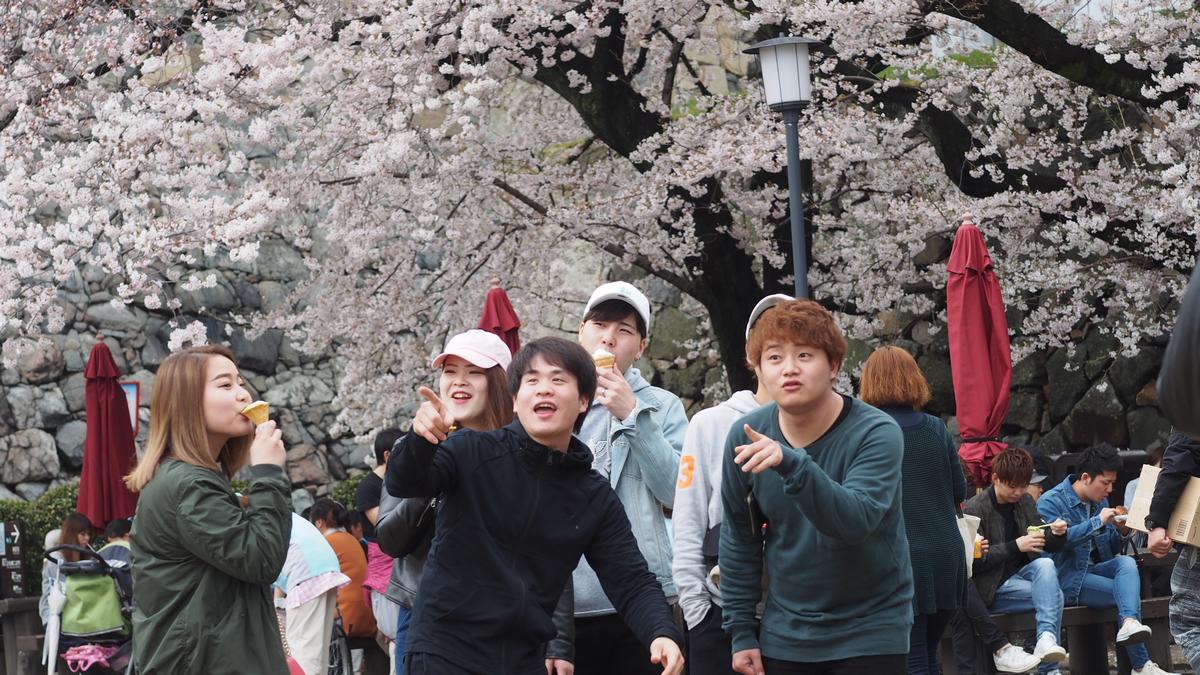
A group of people enjoying ice cream and pointing under abundant cherry blossoms.

View from Nagoya Castle's ornate green roof over a park with cherry blossoms, a pond, and the city beyond.

After leisurely strolling around, we sprinted back to the Shinkansen station and headed to Kobe, snacking on some Sakura donuts.
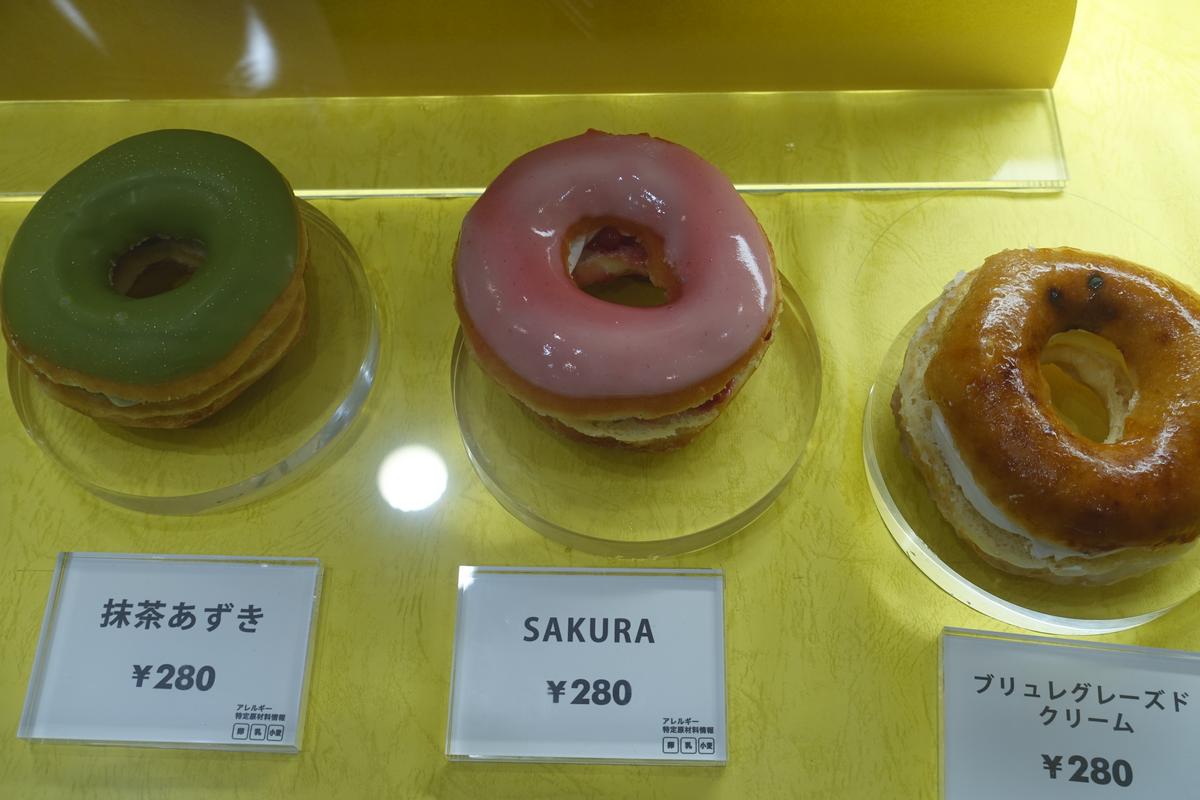
Three donuts, including green matcha, pink sakura, and crème brûlée, displayed with their ¥280 prices.

Review: Hyatt Regency Tokyo – Deluxe Room & Atrium Suite

Accommodation in Tokyo is notoriously expensive, especially during the peak cherry blossom season, with rooms at five-star hotels regularly going for over $300+. 

Screenshot of a hotel booking summary showing room details, dates, and a total cost of ¥44,356 JPY.

Unfortunately, the number of points needed for most western hotels aren’t exactly a bargain either with hotels such as the Hilton Tokyo will cost you upwards of 60,000 points.

A screenshot of a Hilton hotel room booking page displaying rates, payment options, and a thumbnail photo of the room.

Thankfully, Hyatt hasn’t followed suit, and since I was planning on staying Tokyo for over a week, I decided to save my points and stay at the Hyatt Regency Tokyo. One free night will cost you a mere 12,000 Hyatt points, a bargain compared to the 44,000 Yen cash rates.

Screenshot of multiple Hyatt Regency Tokyo hotel reservations displaying dates and booking details.

After flying into Haneda, I took a limousine bus which stopped right in front of the Hyatt Regency. The hotel is conveniently located right next to Tochomae station, within the famous Shinjuku district.

A night street scene in Tokyo's Kabukicho district, featuring a prominent red illuminated archway and numerous colorful neon signs.

The lobby is stunning and reminds me a bit of a cathedral, with its large chandeliers, glass elevators, and retro looking floor patterns.

The grand atrium lobby of the Hyatt Regency Tokyo, with a patterned floor, reception desk, and a tall illuminated sculpture.

Ornate crystal chandeliers illuminate a grand hotel atrium.

I headed up to the club lounge where the club agents warmly greeted me.

Entrance to the Hyatt Regency Tokyo's Regency Club lounge.

Prior to arrival, I’d email the hotel requesting a renovated room with a view of Shinjuku Park, which is a great hidden spot for those looking to take a quick morning walk without the swarms of tourists found in nearby parks such as Shinjuku Gyoen.

A woman looks up at blooming cherry trees in a park with city buildings in the background.

The renovated room itself was quite spacious for Japanese standards, and the king sized bed large enough for any couple.

A hotel room with a bed, a table and chair by a window with a city view.

A small coffee table and chair lines along the window, with a work desk next to the TV.

A hotel room with a table and armchair next to a large window overlooking the Tokyo cityscape.

The bathroom consists of both a shower and a bathtub, a rarity among most hotels in Tokyo.

A modern hotel bathroom featuring a double vanity with two vessel sinks and a glass-enclosed shower.

A white bathtub with chrome faucet, drain, and a grab bar.

Since I arrived during the opening stages of Sakura, the trees were still barren. However, each day more and more blossoms opened up, giving a bird’s eye view of the Sakura bloom.

Wide aerial view of Tokyo showing a park below and a dense cityscape with numerous buildings and a tall skyscraper.

As my Dad was set to arrive midway through my stay, I switched to a renovated room with two double beds. The beds are on the small end, closer to a Twin then a standard double, so if you’re traveling with a family of four, it will be a very tight squeeze.

A hotel room featuring two twin beds, a large window with a city view, and a wooden headboard.

Overall the renovated rooms were clean, comfortable, and not cramped, which is what you should expect at its current price point.

Keep in mind that while the Hyatt Regency has completed renovations for around 80% of its rooms, there are plenty of bad reviews for the few remaining unfinished rooms. I’d still highly recommend emailing beforehand to request a renovated room, especially if you lack any kind of Hyatt Status.

If you’re an Explorist or Globalist member, make sure to go a step further and ask for a room facing the park. If you’re lucky with your timing, you’ll see a beautiful view of Sakura trees in full bloom.

An aerial view of a park filled with people picnicking on blue tarps under cherry blossom trees.

Do note that award space for the peak cherry blossom quickly disappears and you’ll either need to book at least six months ahead or wait till around two weeks before arrival date.

On a previous stay, I’d used a diamond suite upgrade and was assigned an Atrium suite, which featured plenty of room and a spacious living area.

A contemporary hotel suite featuring a sofa, dining table, wall-mounted television, and an open doorway to a bathroom.

A modern hotel suite with a bright dining area and a dimly lit living room.

A long wooden table with a fruit bowl and wine in front of a large window with a city view.

The bedroom was also quite spacious, if not a bit dreary due to the lack of sunlight, and is adjacent to the standalone bathtub.

A hotel room with two twin beds, a television, and a glass-walled bathroom with a bathtub.

A modern hotel bathroom featuring a double vanity with vessel sinks and a large soaking tub behind a glass partition.

Interestingly enough there was a large balcony outside with no furniture, which seemed like a waste of space.

Do note that complimentary upgrades to the suite level are almost non-existent for Globalists, so if you want the bigger room, you’ll have to use a tier suite upgrade.

As a Globalist member, I also received access to the Hyatt Regency Club, which was quite full during breakfast and the nightly cocktail hour.

A hotel lounge with multiple dark wood tables, chairs, and a large abstract painting on the wall.

A rare empty moment

If you’re unable to find space in the two main lounging areas, walk all the way to the back room, which typically is quite empty.

The cocktail hour had a healthy selection of alcohol, but a very limited amount of cold snacks.

A buffet display featuring cheese, crackers, and pickled vegetables.

A multi-tiered snack display featuring various chips, nuts, and dips.

Guests are given one choice of a small hot dish to choose from daily.

An elegant white plate features a small bowl of stewed food, two spoon-shaped appetizers, and a glass of orange drink.

To be fair, every dish we ordered was of high quality and given the plethora of quality Japanese restaurants in the Shinjuku district; the cocktail hour is meant to be a pre-meal appetizer.

A man looks at the camera while dining at a table by a window with a city view at dusk.

Breakfast had a significantly more extensive selection of items to choose from, although the range of hot dishes was quite limited.

A hotel breakfast spread featuring a plate of salmon, rice, pasta, and vegetables, with a side salad, soup, and condiments.

However, they had plenty of fresh fruit including strawberries, and I ended up making my fruit yogurt granola, which wasn’t such a bad idea.

A white bowl filled with sliced bananas and strawberries in milk.

On top of the hotel is the tiny gym and rooftop swimming pool, which had a rather unique rooftop design.

A row of treadmills in a hotel gym overlooks a city skyline through large windows.

A modern indoor swimming pool at Hyatt Regency Tokyo, featuring a large skylight, lounge chairs, and a person swimming.

Overall I enjoyed my stay at the Hyatt Regency Tokyo. Service levels were high, and the rooms were functional if not spectacular. I’d be hesitant to call it a five-star hotel, but it is an incredible value on points, and I wouldn’t hesitate to stay here again if I was planning on an extended stay.

Dusk cityscape view of Tokyo with illuminated buildings stretching to the horizon.

With the Park Hyatt Tokyo just blocks away, I’d recommend staying at the Hyatt Regency Tokyo before transferring to the Park Hyatt Tokyo for the final few days of your stay.

A plate of snacks and a phone on a table with a nighttime city view of tall buildings and a park.