Trip Report: Cherry Blossoms At Miyajima Island
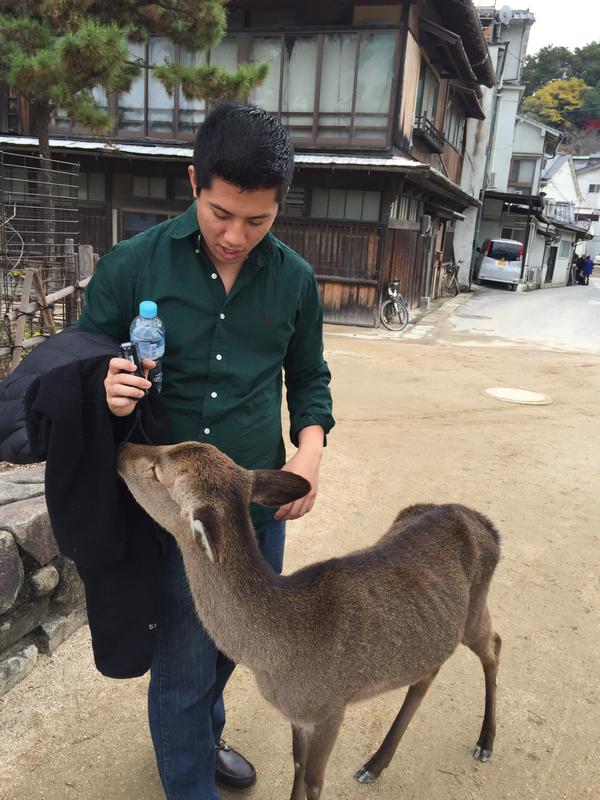
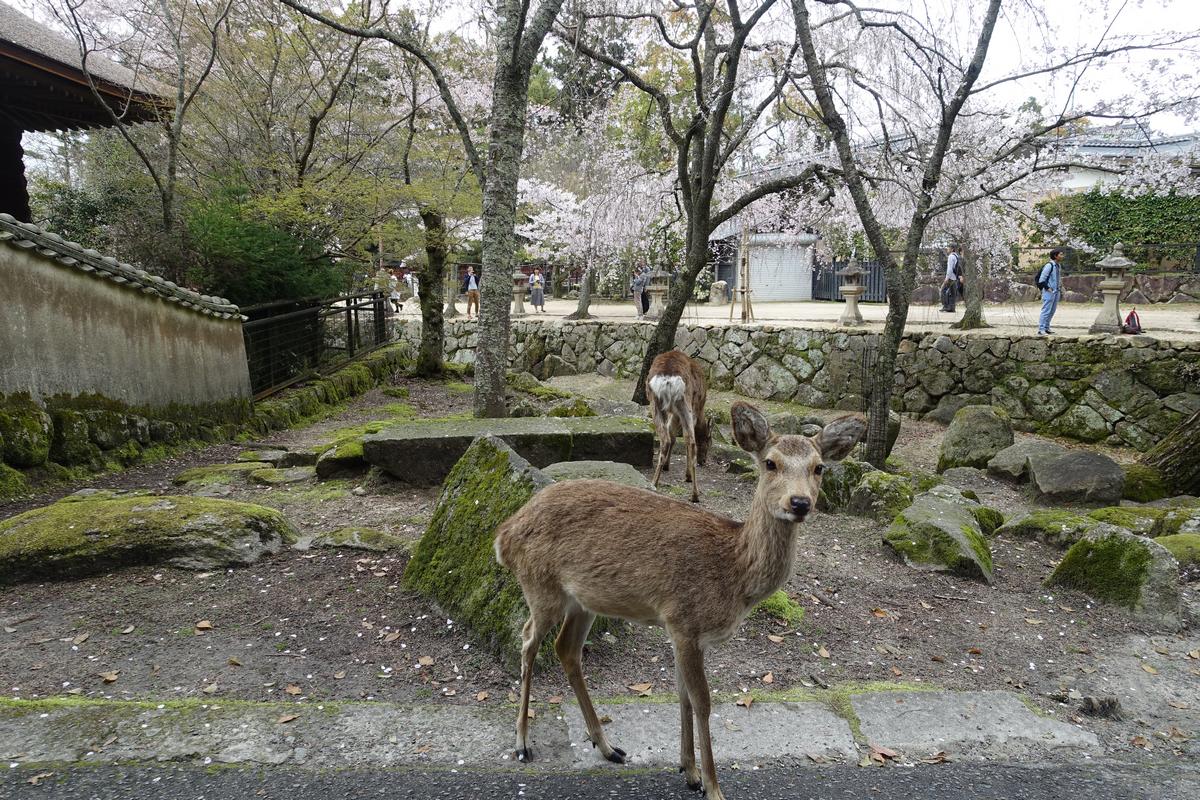
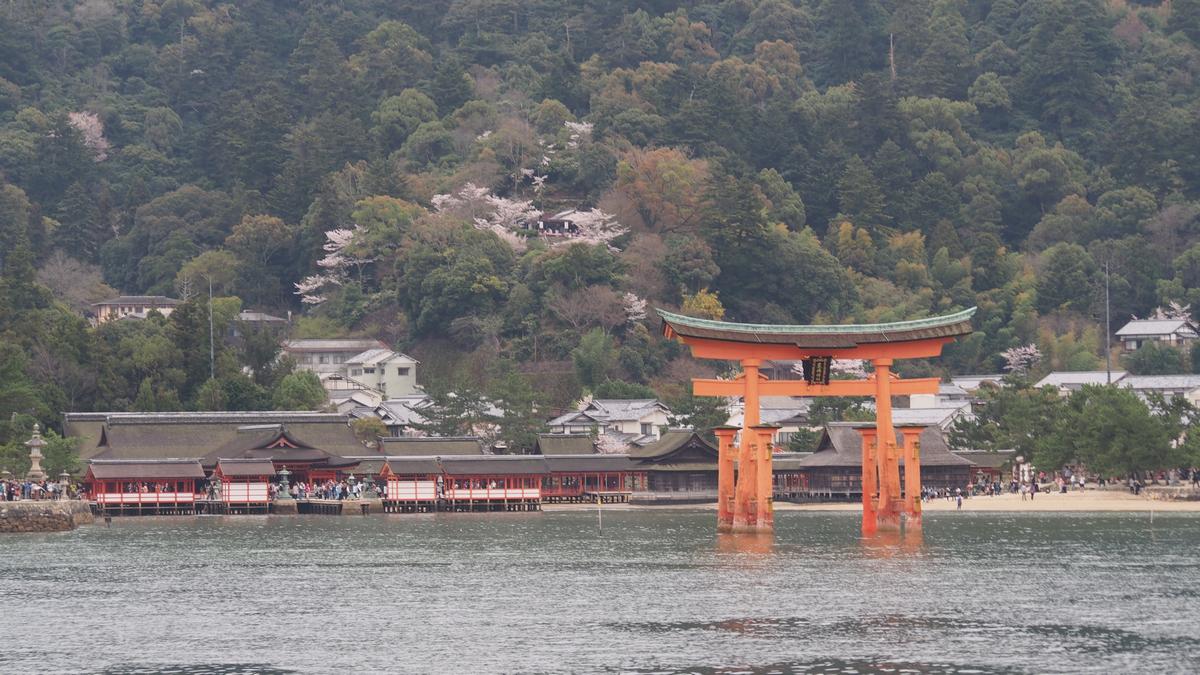
The next morning we woke up refreshed and headed to the island of Miyajima, one of Japan’s most popular tourist destinations famous for its giant floating Torii gate and tame island deer. Once you arrive at Miyajima, the first thing that you’ll probably notice is the numerous domesticated deer that prowl around the island.
Cherry Blossoms at Miyajima Island
The next morning we woke up refreshed and headed to the
island of Miyajima, one of Japan’s most popular tourist destinations famous for
its giant floating Torii gate and tame island deer.
As a sky bridge directly connected the Crowne Plaza Okayama
to the Shinkansen station, the hotel could not have been more conveniently
located, and it took us about two hours to reach the island.

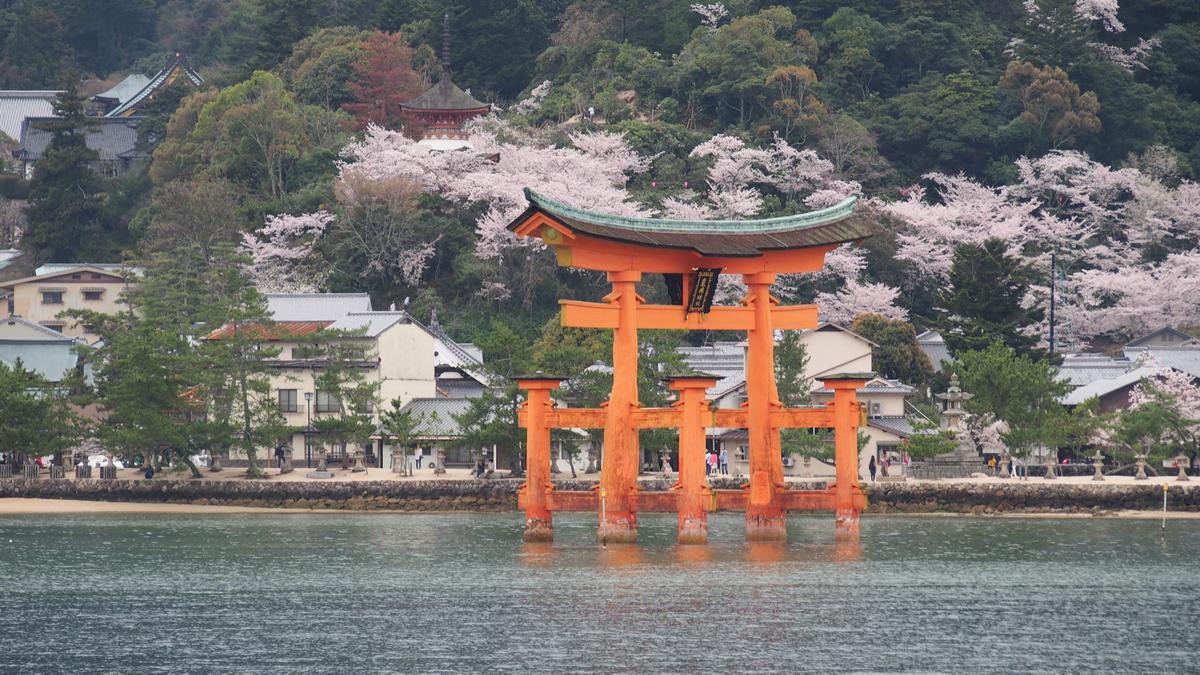
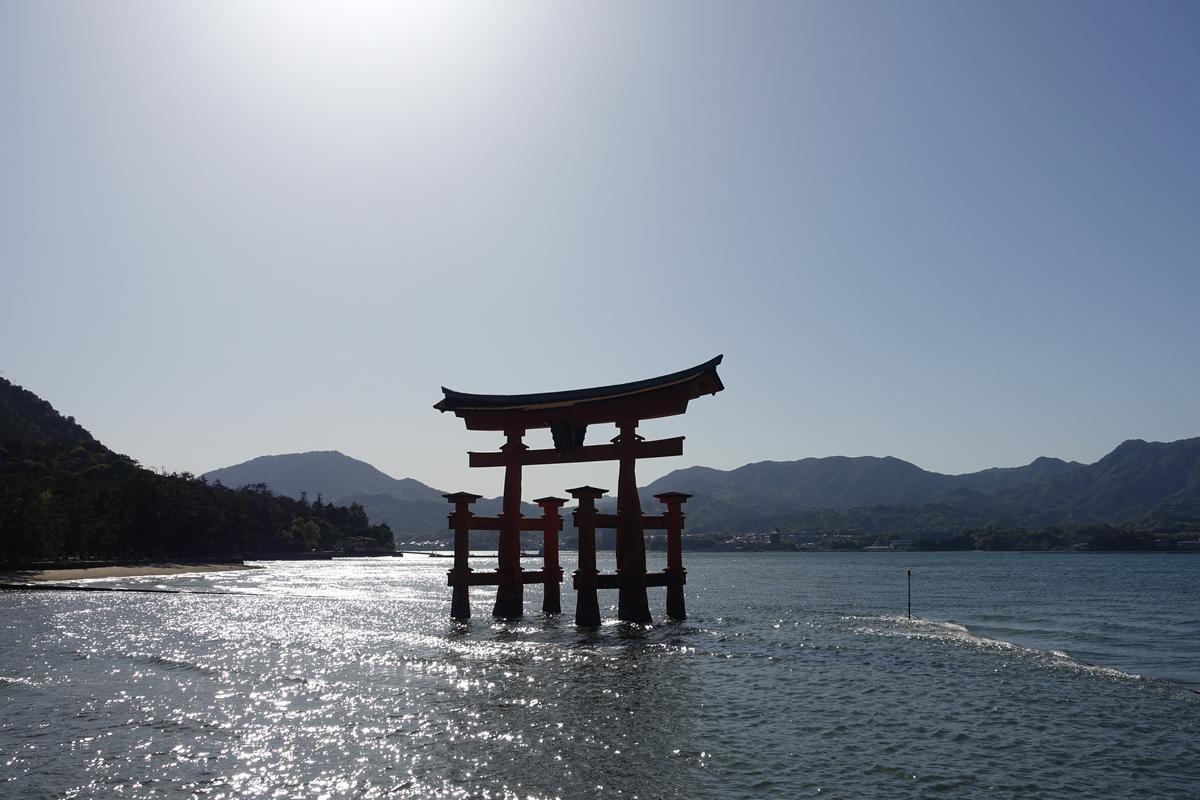
As the ferry pulled into the dock, we’re greeted by one of Japan’s
most treasured icons, the giant “floating” Torii Gate of Itsukushima Shrine.

Once you arrive at Miyajima, the first thing that you’ll
probably notice is the numerous domesticated deer that prowl around the island.
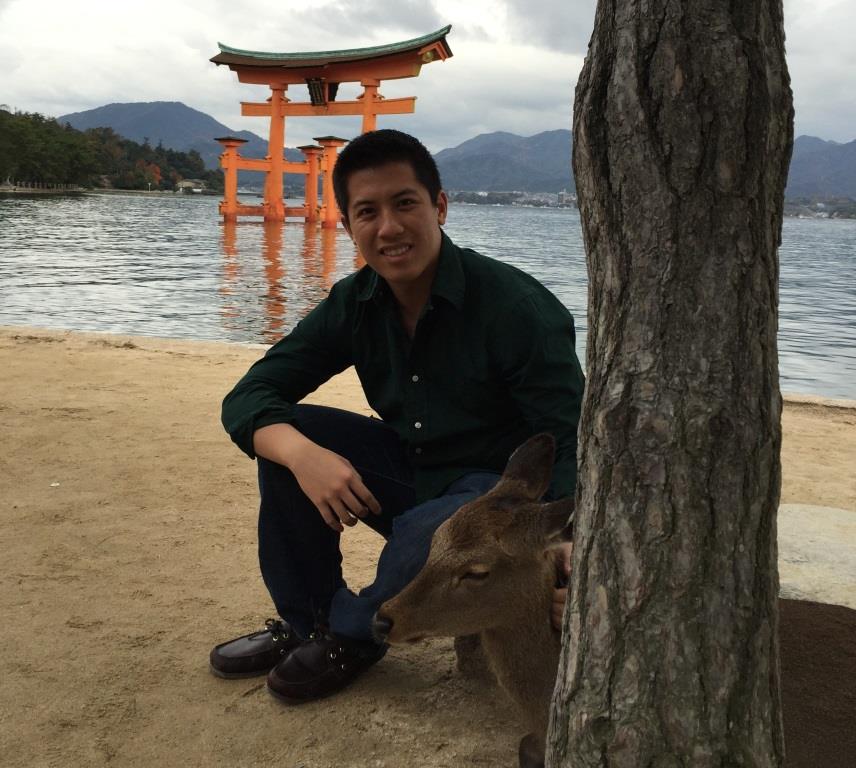
While they are safe to pet, it’s important to note that the
deer are always on the prowl for food.
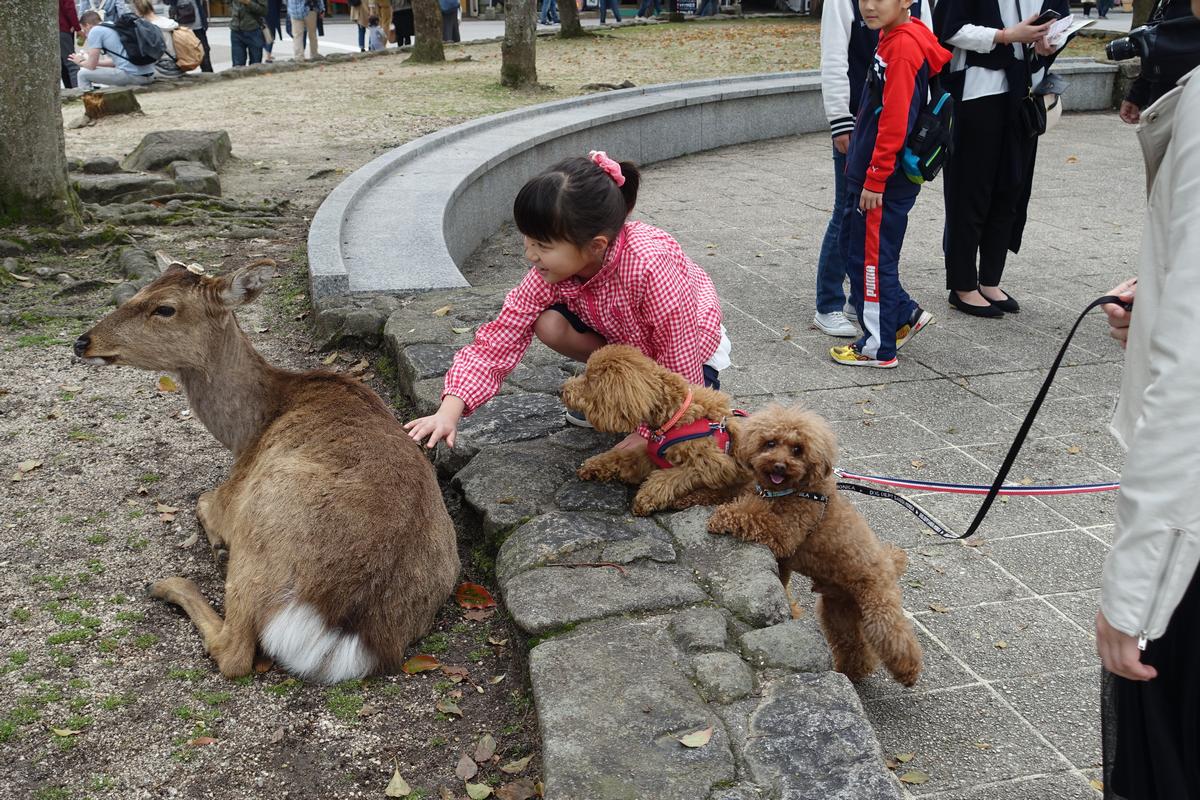
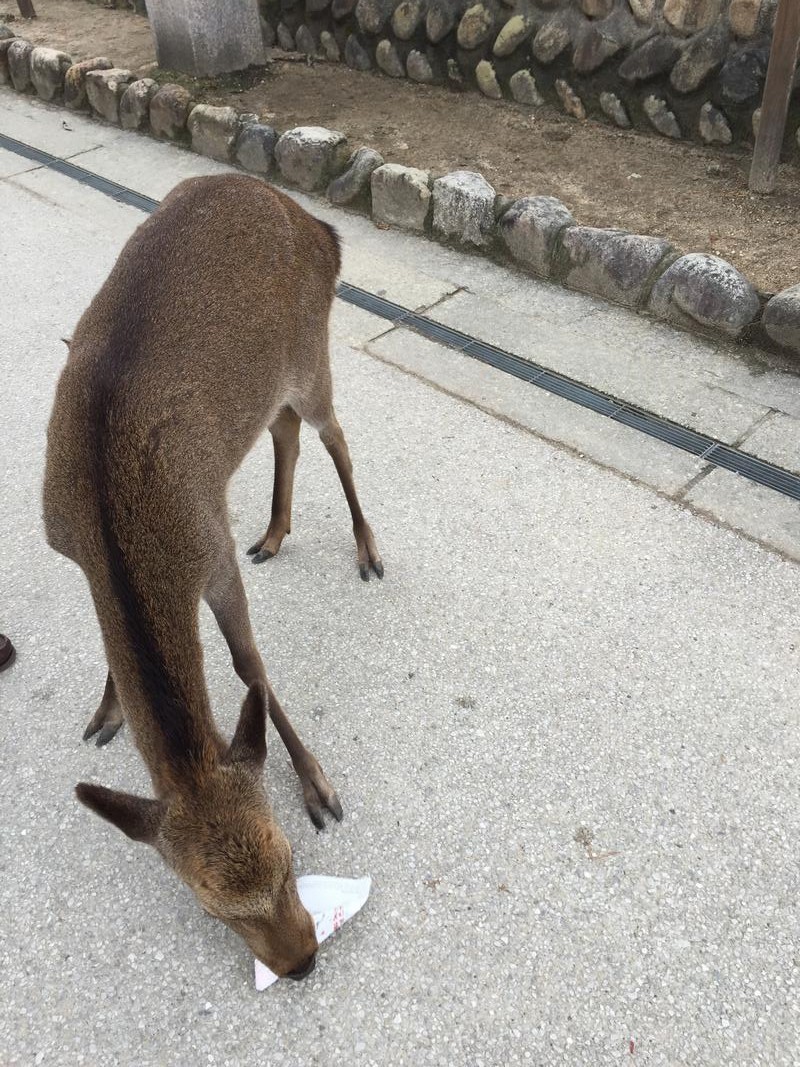
On a previous visit, a deer had grabbed my visitors map and
ate it in a blink of an eye. If you are bringing in food, be cautious as those
cute looking deer pack a rather powerful bite.
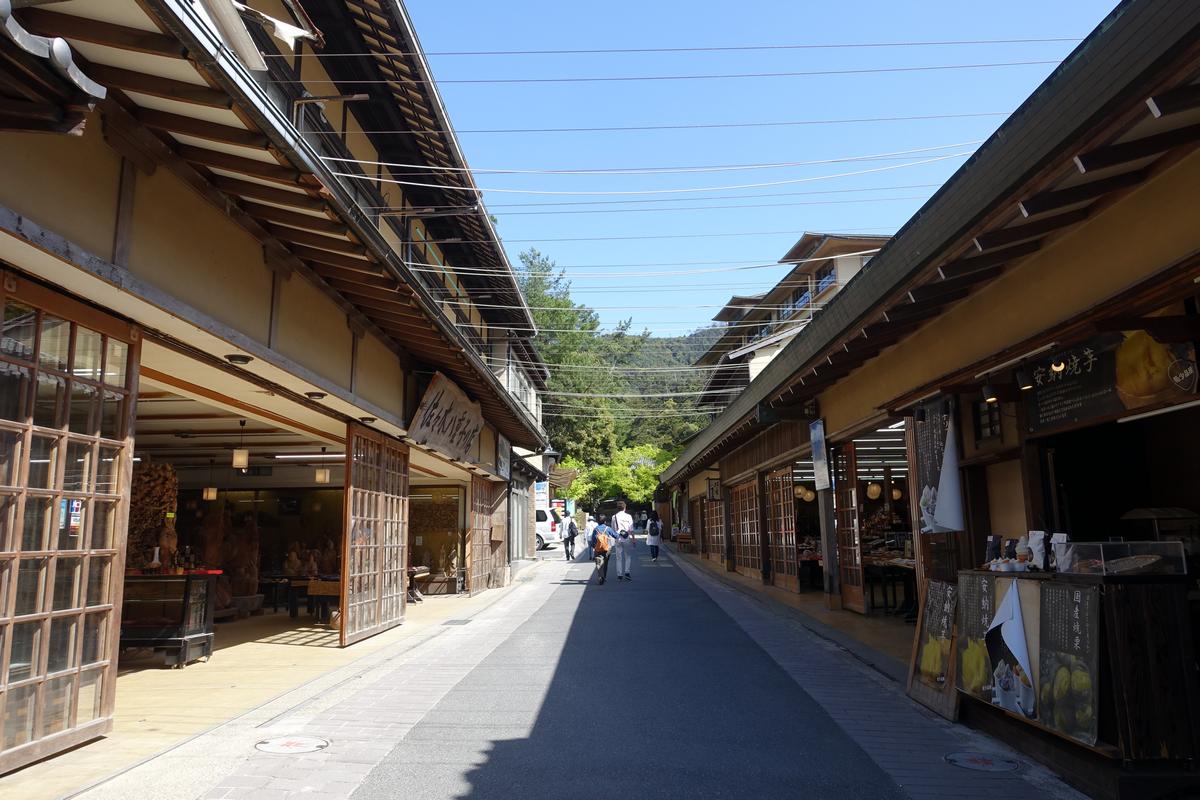
We headed down the main tourist walkway lined with numerous
shops selling various tourist souvenirs and snacks.

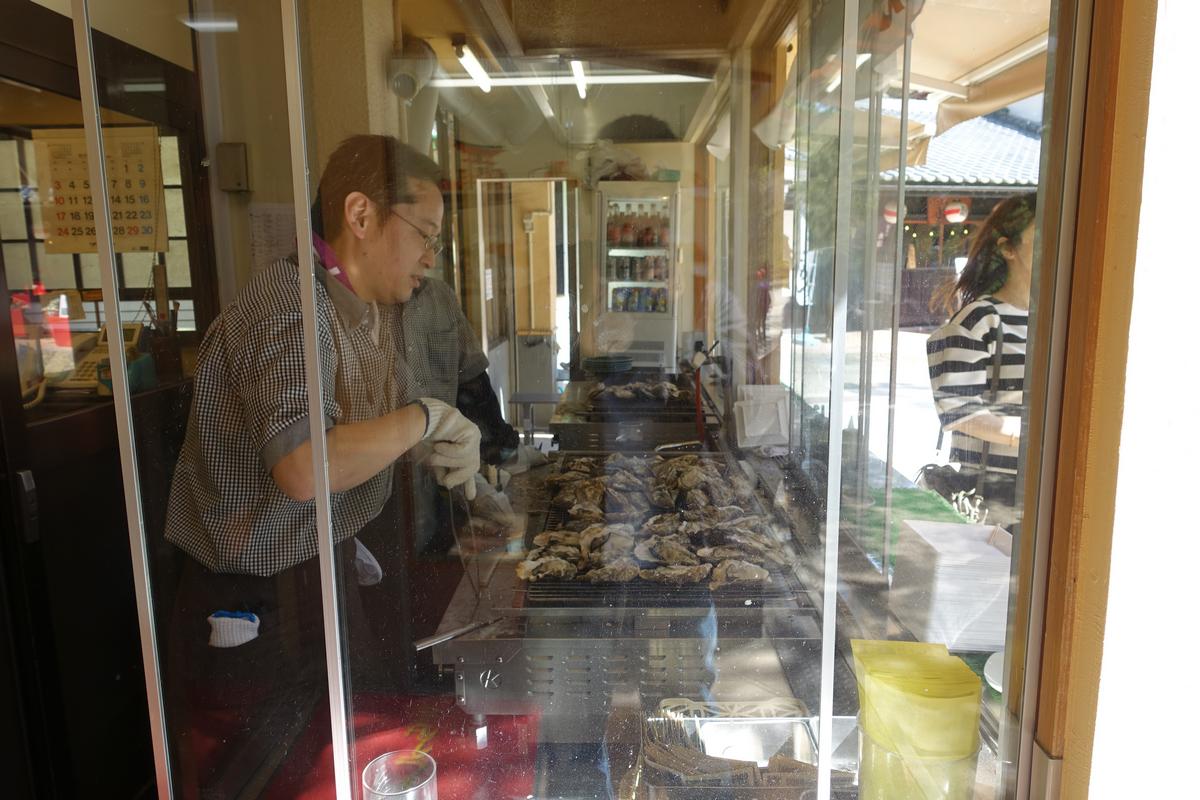
Miyajima is well
known for its oysters, and if you’re looking to bring a gift home, I’d suggest
buying a box of Momiji, a maple leaf shaped pastry filled with various sweets.
At the end of the main walkway are the world famous
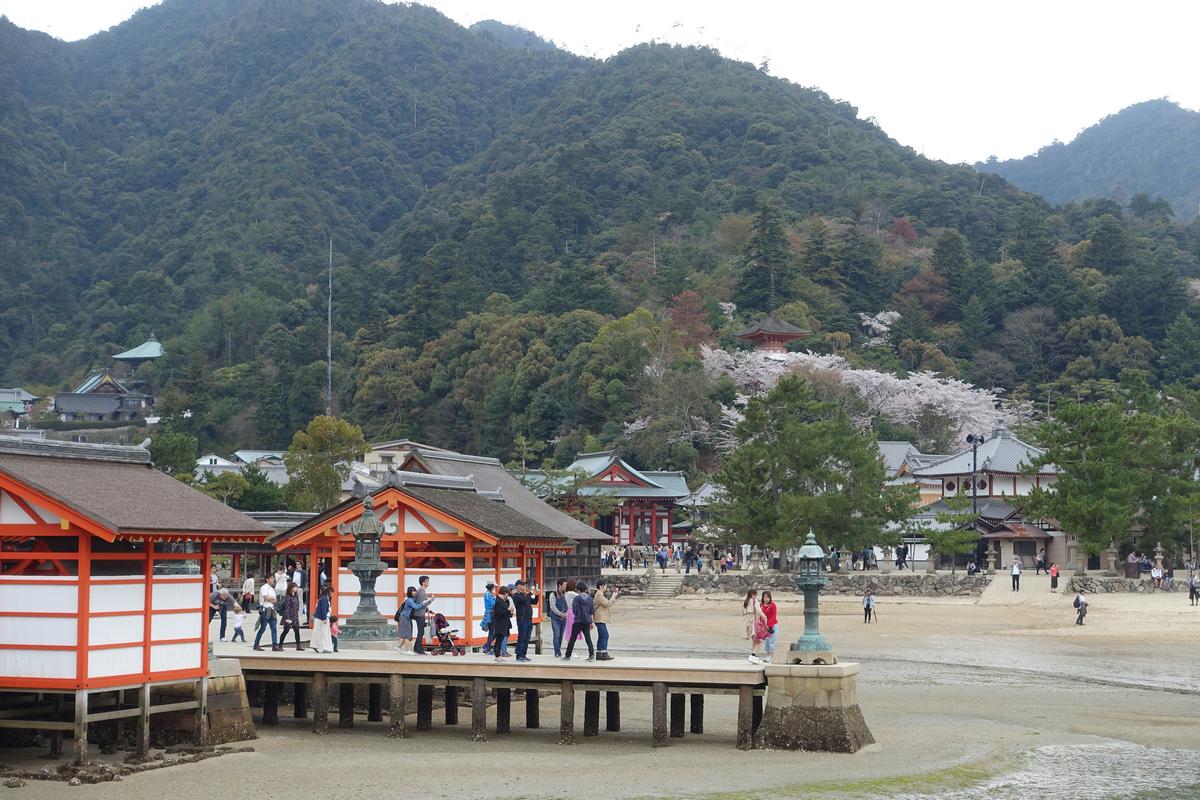
Itsukushima Shrine and Torii gate. Depending on the time of day, you’ll either
see the shrine surrounded by water or the water recedes far enough that you’re
able to walk to Torii gate and place a coin for good luck.

High Tide

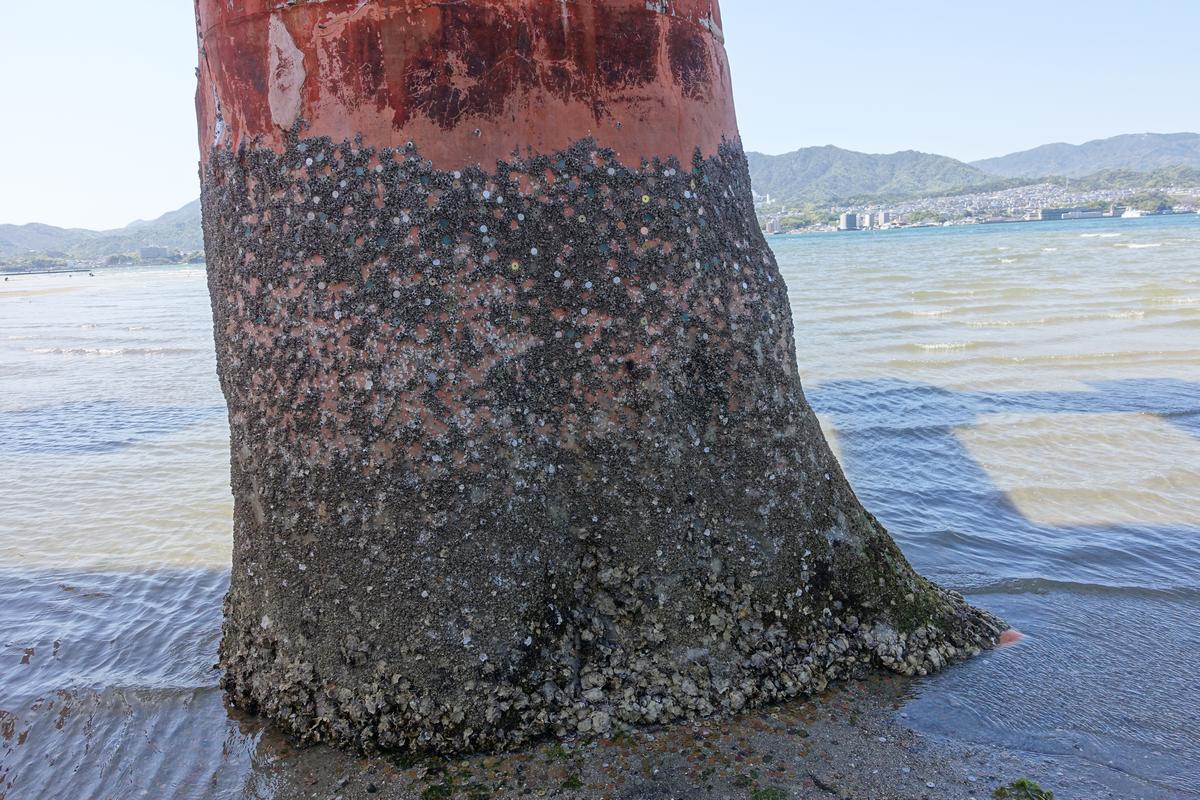
Low Tide
While being able to walk to the gate was a unique
experience, I’d recommend coming during hours of high tide, as the shrine is
particularly stunning during the late afternoon hours.
Not as Picturesque
While the Itsukushima Shrine & Torii gate was indeed
jaw-dropping, the Toyokuni shrine was a slight disappointment, as the grand
wooden hall is essentially a hollow space inside.


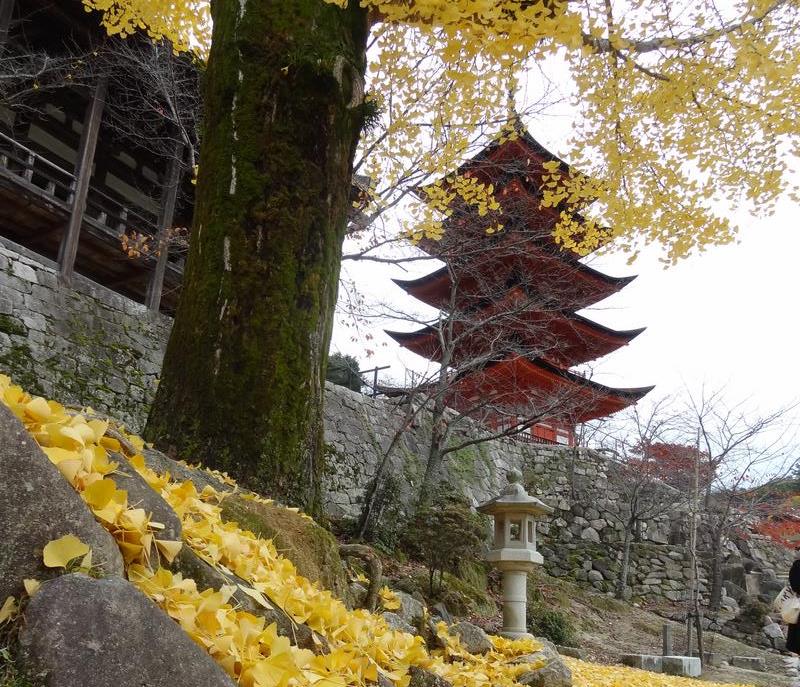
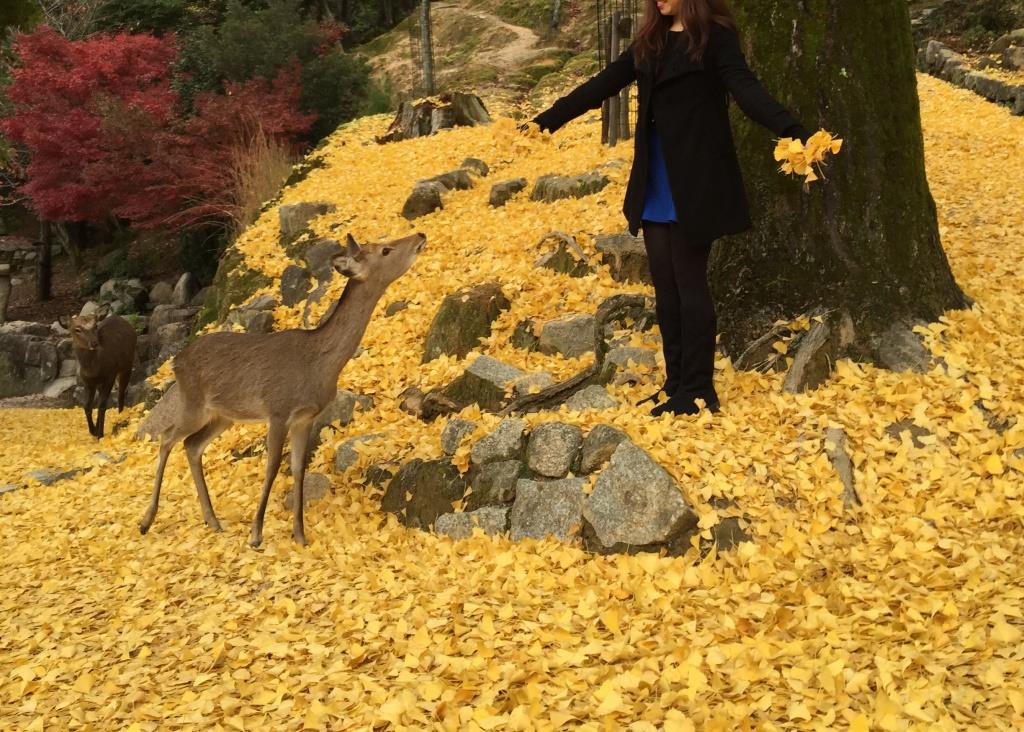
However, the area near the hall does look stunning during
the fall season, and you might even stumble upon a few wandering deer.
After hitting the main tourist hot spots, we decided to
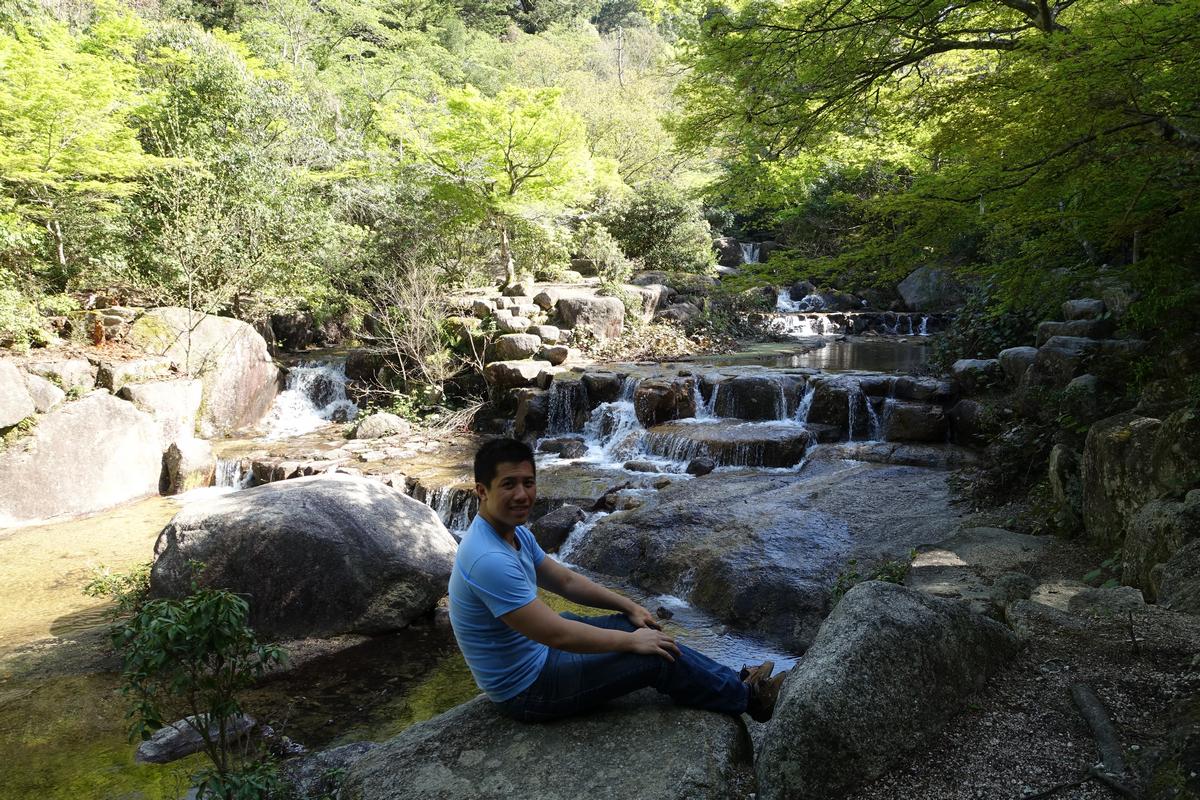
escape the crowds and headed to Momijidani Park towards the ropeway. Just a few
hundred meters from the main walkway and the crowds quickly thin out, and
you’ll soon find yourself inside an oasis of peace and serenity.

For those taking a day trip from Osaka, your time is
limited, and I’d advise skipping the ropeway and head back down but before
reaching the main walkway, take a sharp left head to the Tahoto Pagoda.

During the Sakura full bloom, the pagoda has a
postcard-perfect view where you can see the giant Torii gate surrounded by
Sakura blossoms.
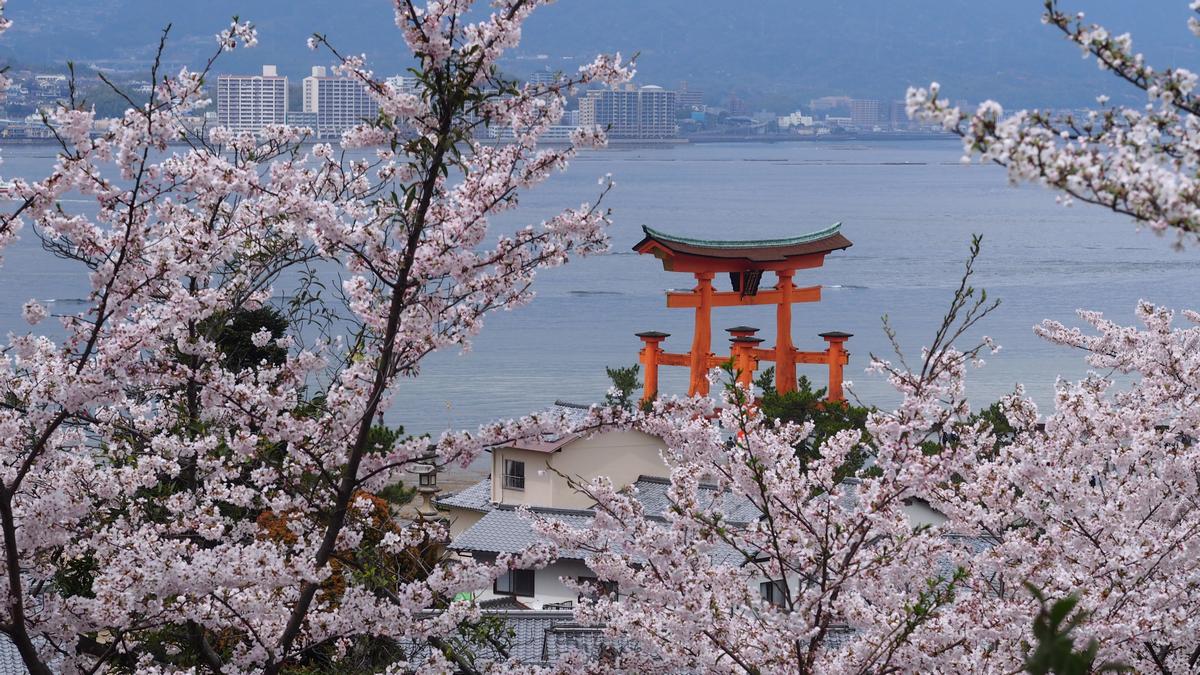
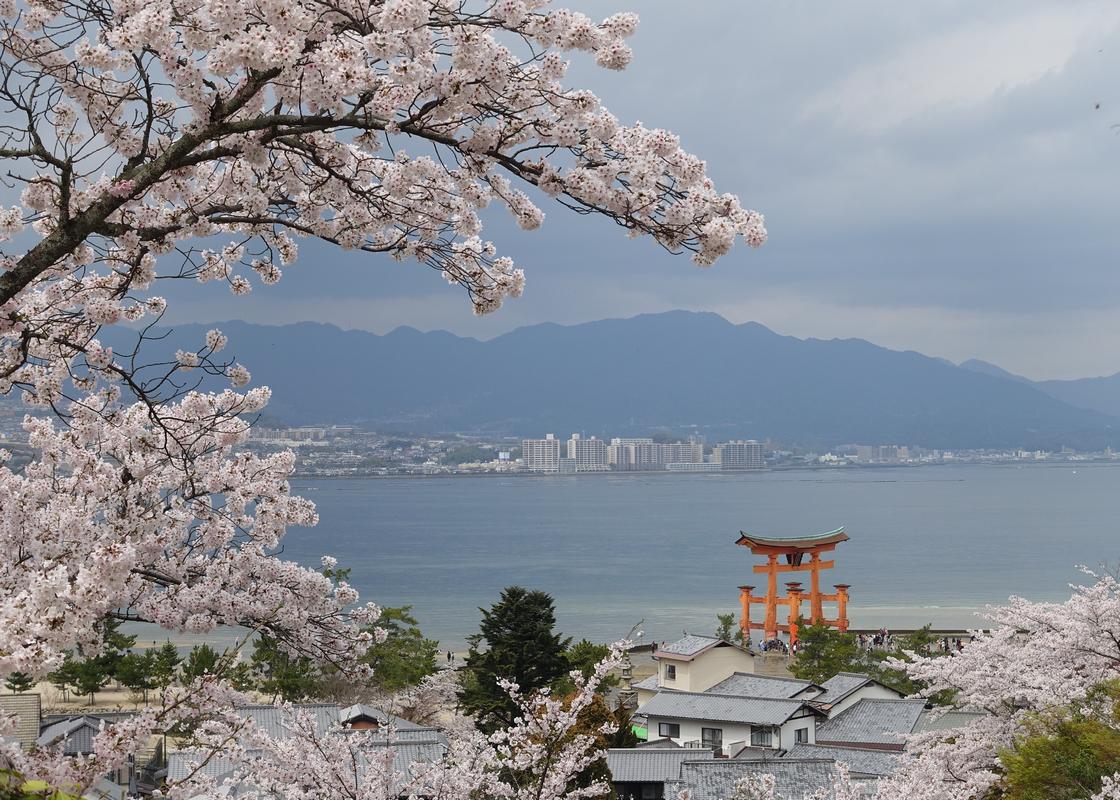
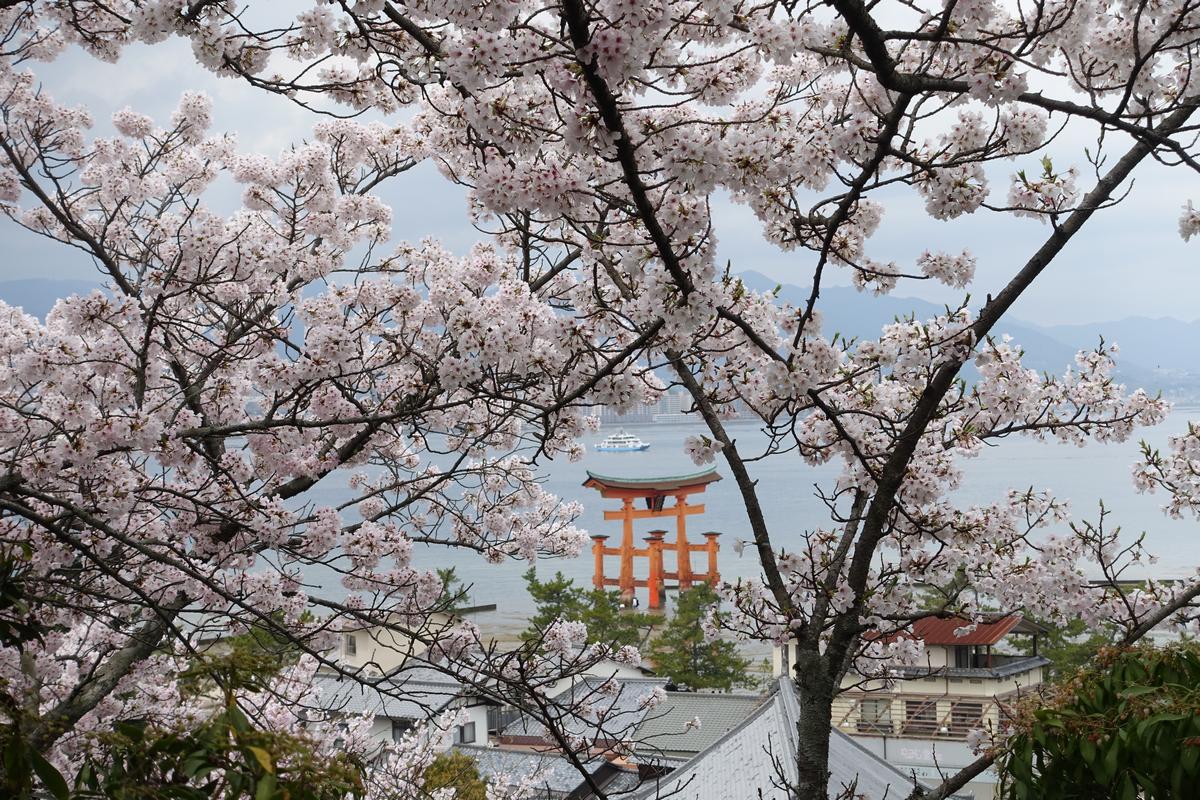
Better yet, the Pagoda seems to be a well-hidden local
secret, with just a few Japanese tourists taking pictures and locals lounging under
the Sakura trees.

We then headed back to the ferry and headed to Iwakuni, one
of Japan’s most scenic bridges during Saukra.
Trip Report: Visiting Battleship Island (Hashima) & Nagasaki Peace Park
We arrived in Nagasaki 45 minutes before our scheduled tour to Hashima Island, an abandoned coal mine facility built in 1915. Rumor has it that the island was the behind the inspiration of the deserted urban island featured in Skyfall and Inception. Three main boat companies offer a guided tour of the island. Space is limited and cruises on the weekend frequently sell out. We ended up taking the Gukanjima cruise, which was the only cruise line that had seats available.
Visiting Battleship Island (Hashima) & Nagasaki Peace Park
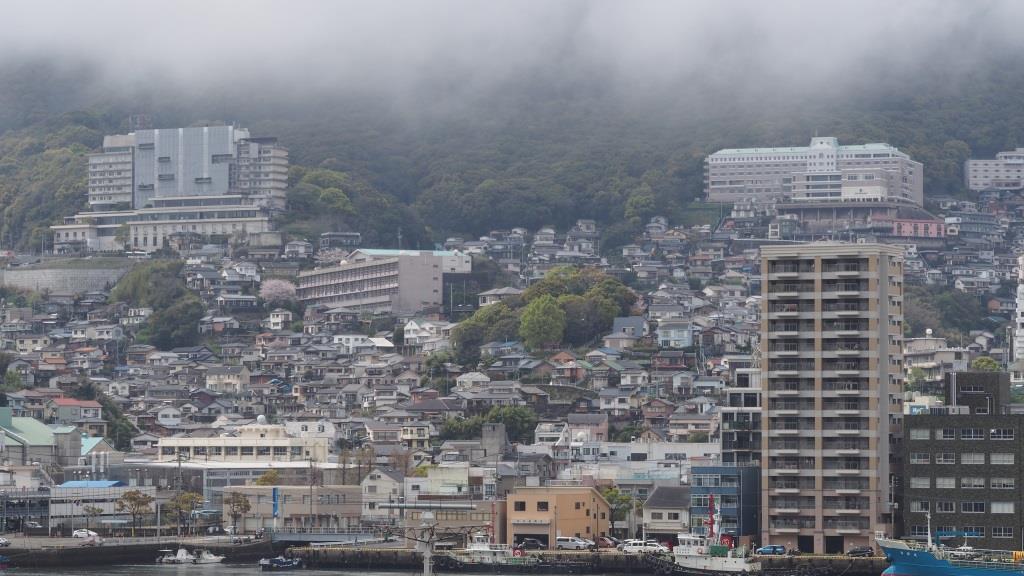
After our brief morning visit to Fukuoka, we headed to the
town of Nagasaki, best known for being the unfortunate target of the second
atomic bomb dropped during World War 2.
As there is currently no Shinkansen service to Nagasaki, we
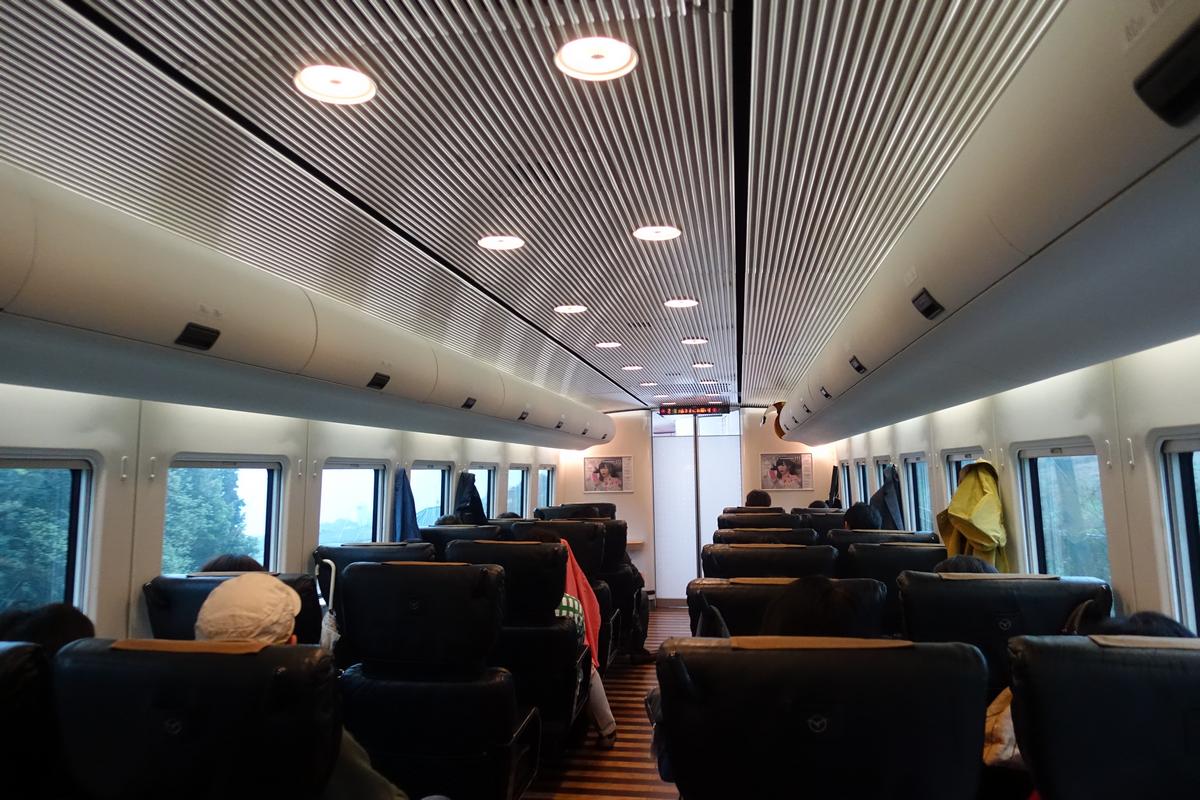
rode on the Kamome limited express train. The train compartment was spacious
with 2×2 leather seating and resembled more like an airline cabin, complete
with small overhead bins to store your luggage.
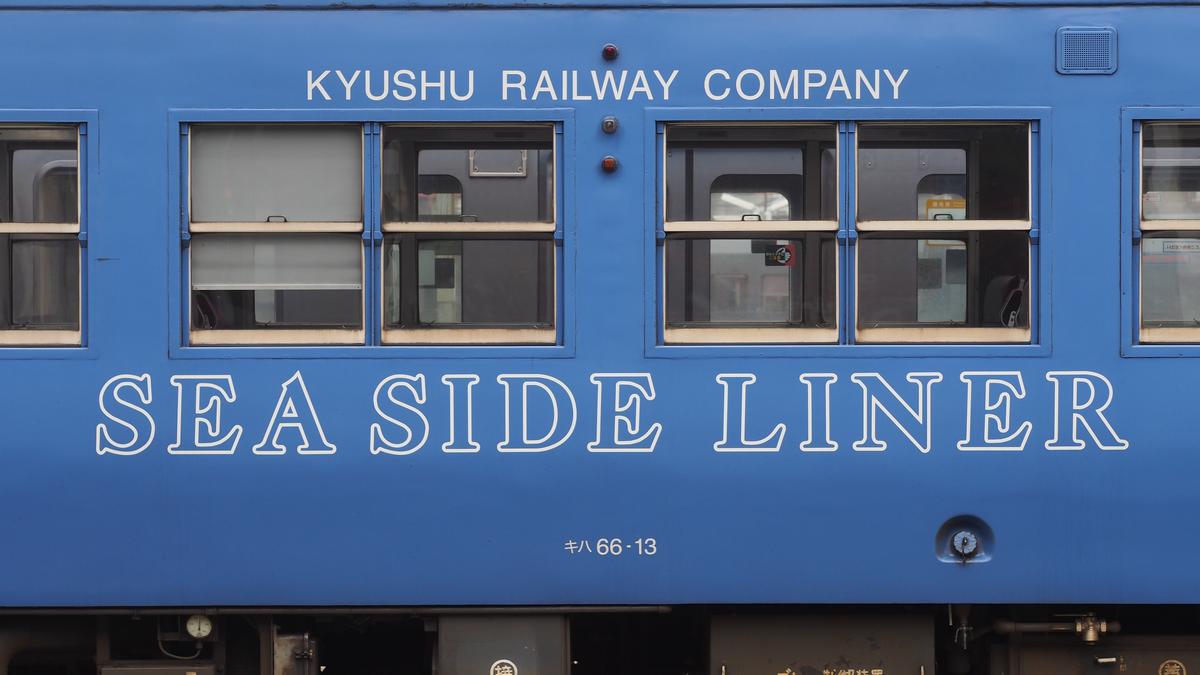
Local Seaside Liner
Train
We arrived in Nagasaki 45 minutes before our scheduled tour
to Hashima Island, an abandoned coal mine facility built in 1915. Rumor
has it that the island was the behind the inspiration of the deserted urban
island featured in Skyfall and Inception.

Three main boat companies offer a guided tour of the island.
Space is limited and cruises on the weekend frequently sell out. We ended up
taking the Gukanjima cruise, which was the only cruise line that had seats
available.

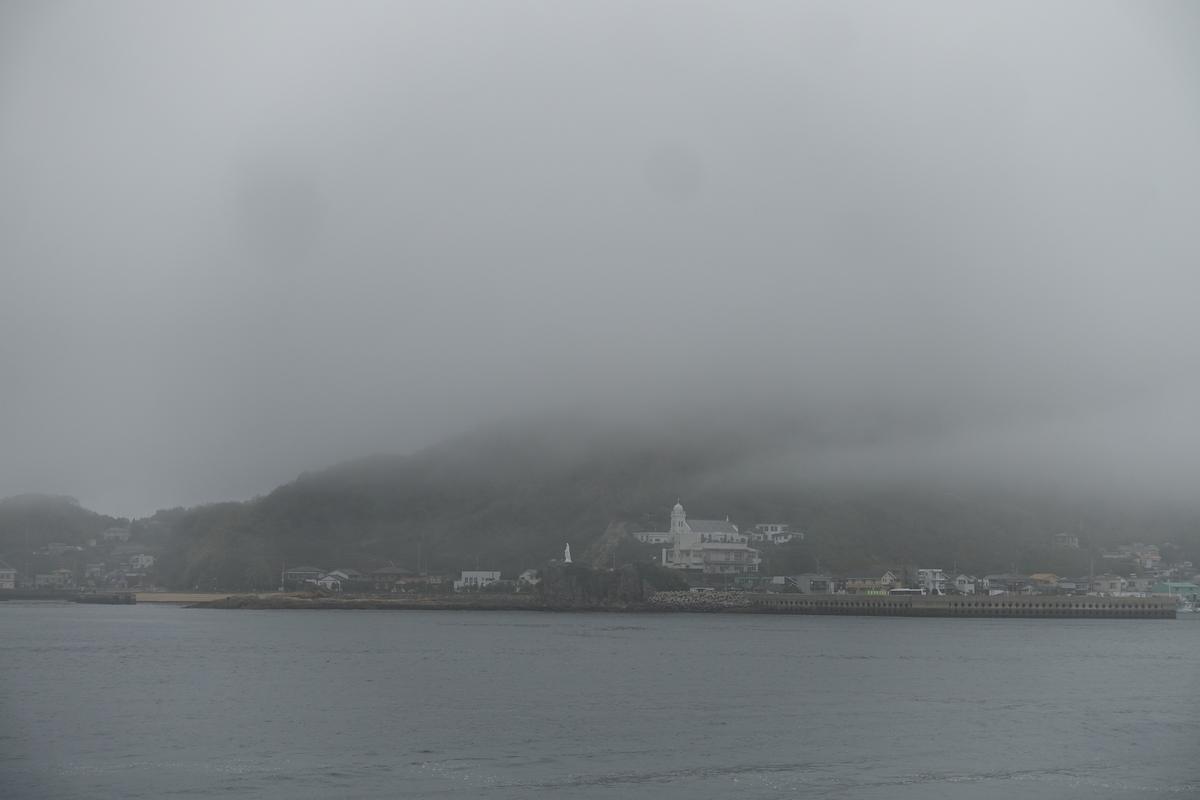
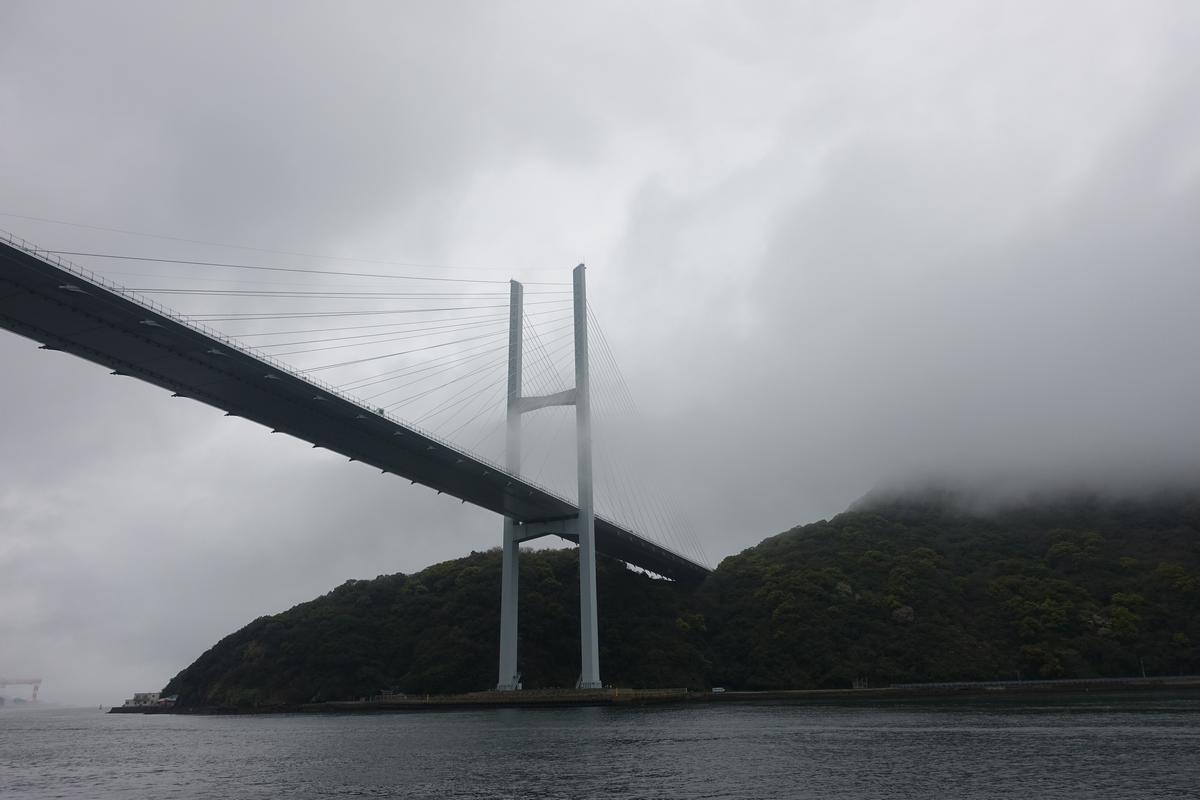
On the way out we were treated to a beautiful view of
Nagasaki Bay, including the Megami Ohashi Bridge, which reminded me of the
Golden Gate Bridge.
Unfortunately, the weather was a bit rough, and the high
wave swells resulted meant we were unable to land on the island, which apparently
happens quite often.
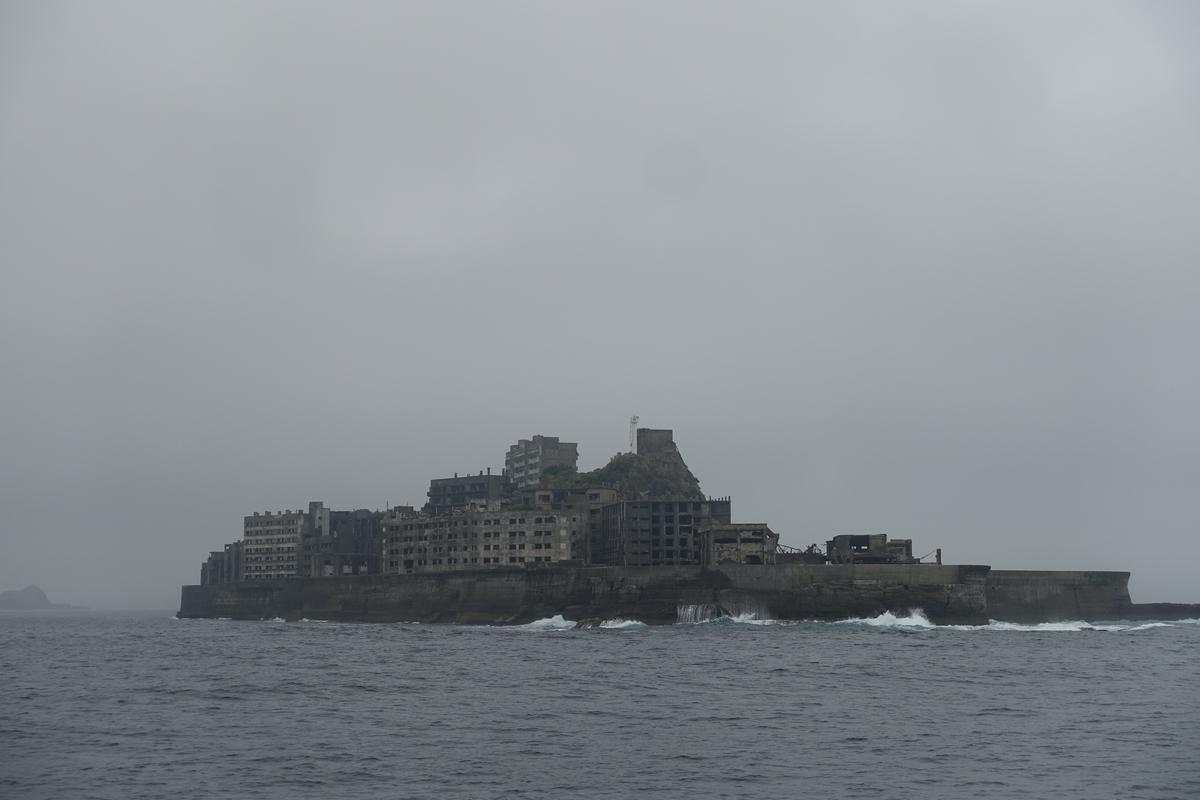
We ended up sailing around the island a couple of times,
allowing us to grab a few pictures before heading back.
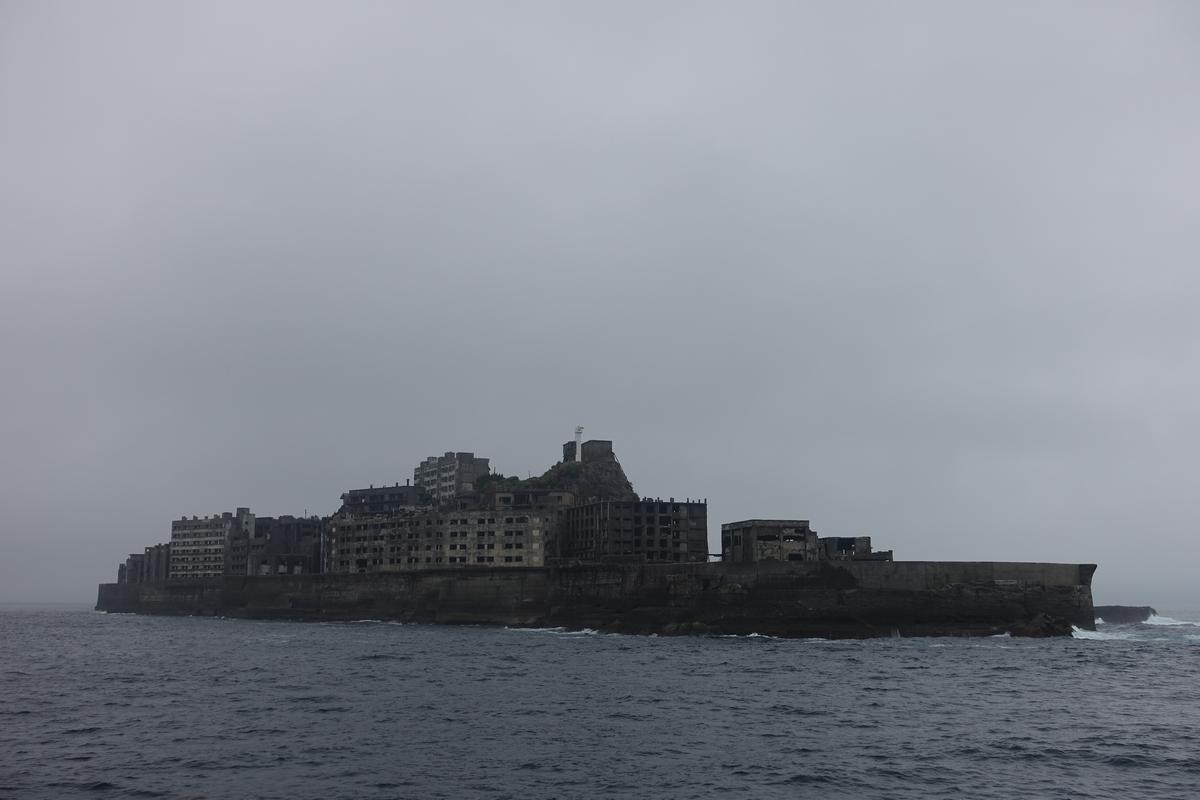
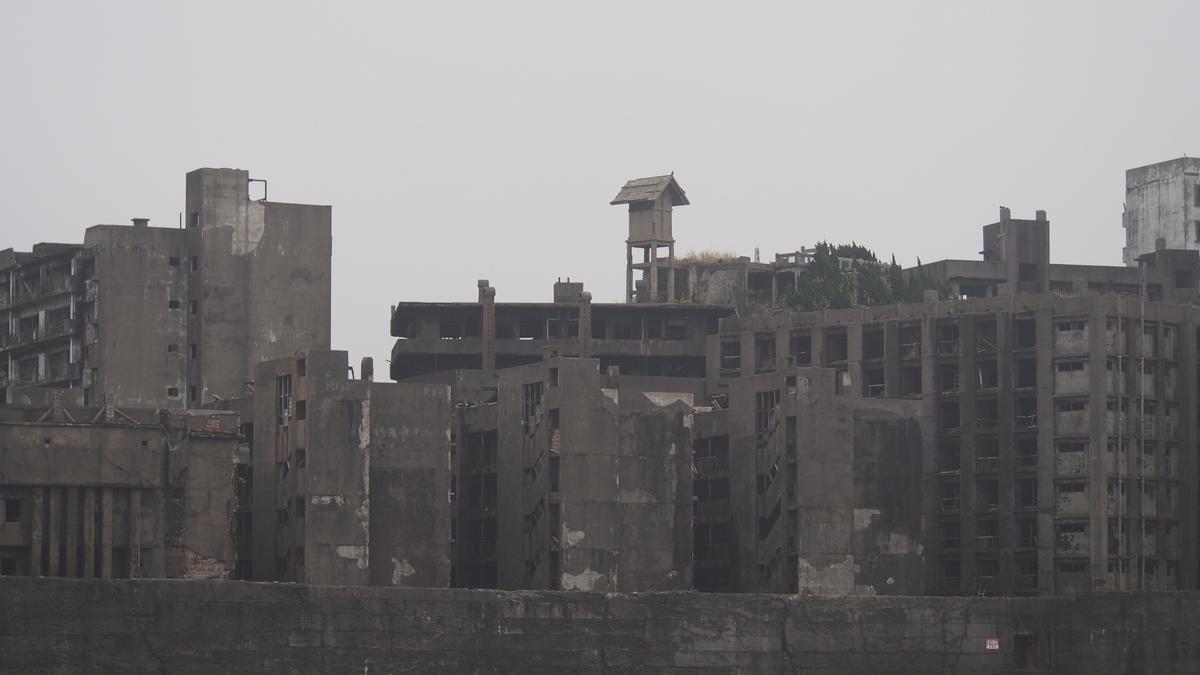

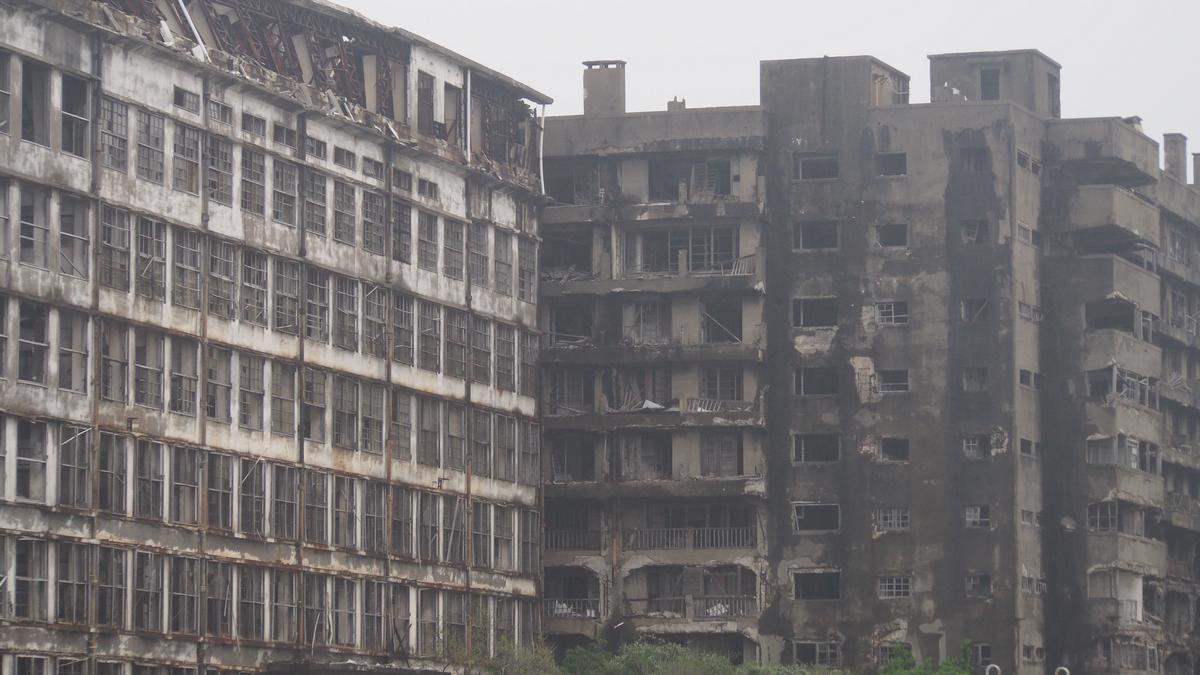
While we were slightly disappointed on not being able to
walk on the island itself, this meant we an additional hour to tour around
Nagasaki before the catching the last train to Okayama.
After our tour, we headed to Nagasaki Peace Park, built to
commemorate the horrible tragedy that struck this port city over 70 years
ago.
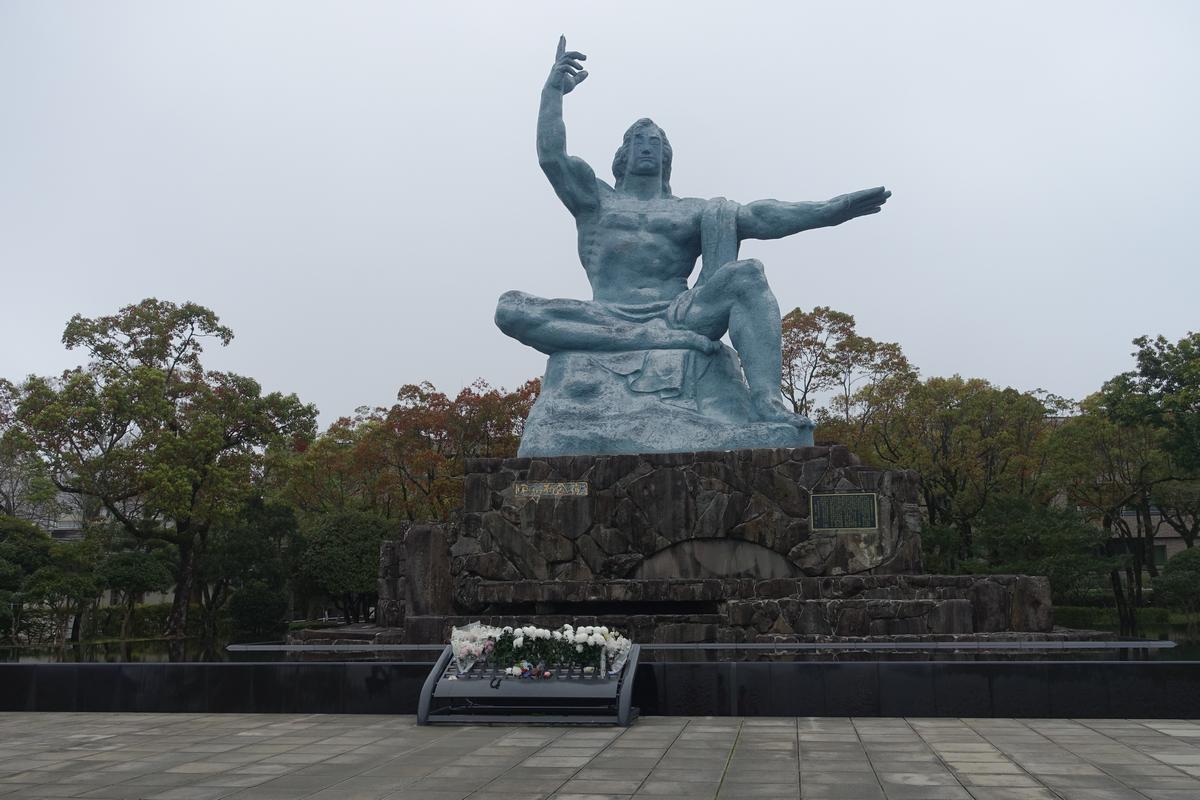
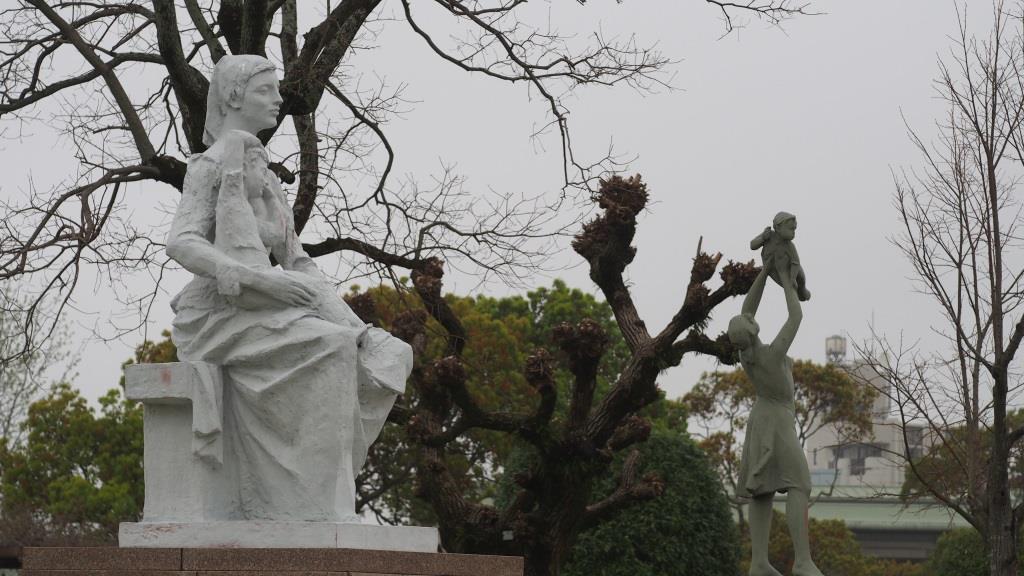
Compared to the atomic peace park in Hiroshima, the Nagasaki
Peace Park is significantly smaller but also receives a fraction of tourists,
allowing you to freely roam around the park without having to wade through a
vast crowd.
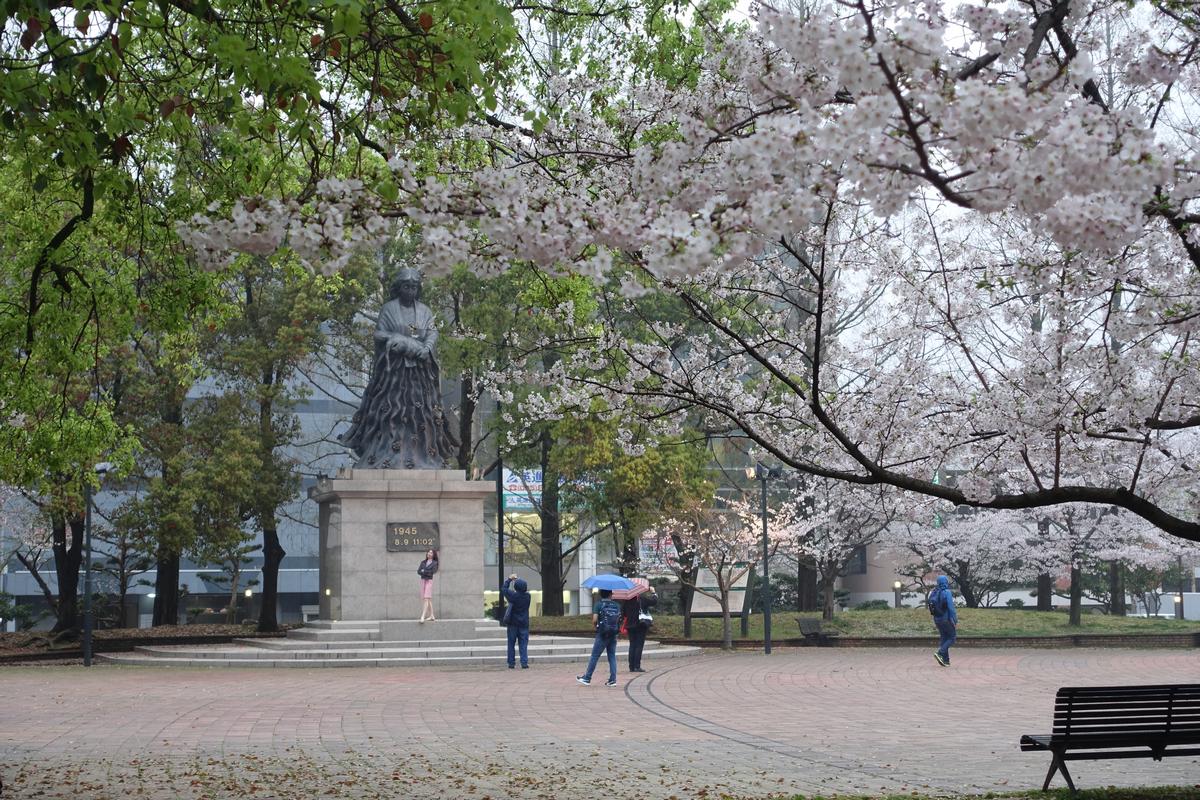

Ground Zero Monolith
Alongside the ground zero monolith, a row of Sakura trees
was in full blossom, symbolizing hope can grow out of even the most tragic of
circumstances.
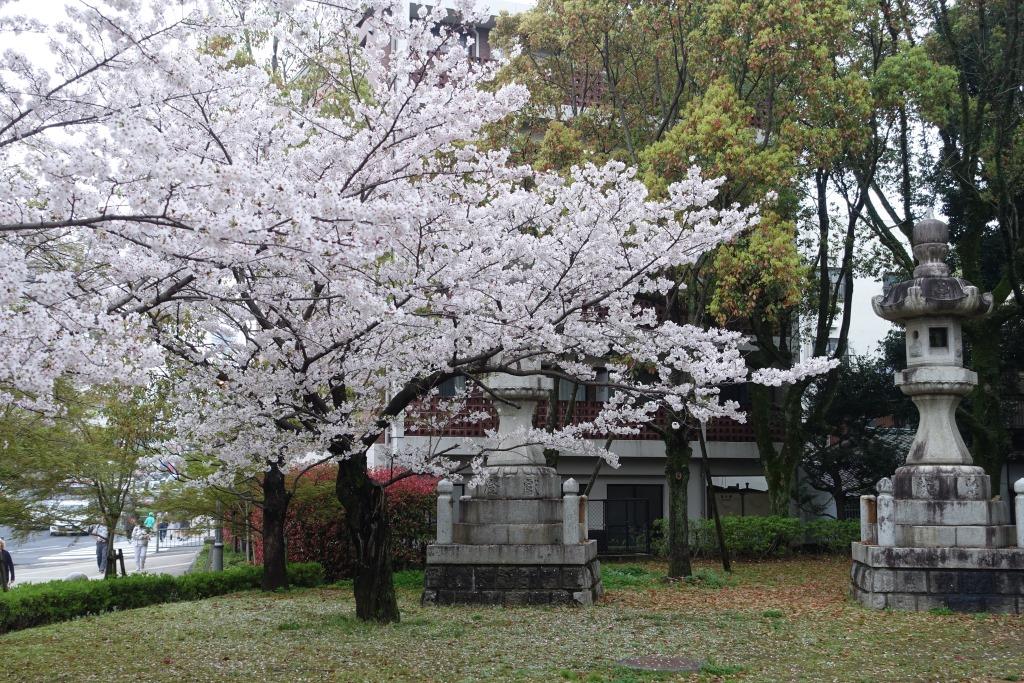

Nearby, an unexcavated portion of the rubble is displayed.

While our trip to visit Nagasaki was short, seeing such
beautiful Sakura blossoms where once a zone of complete destruction laid was a
poignant moment of our trip.
Trip Report: Hyatt Regency Fukuoka & Visiting Kumamoto
After our long journey train journey spanning the entire central part of Japan, we arrived at Fukuoka and headed to the nearby Hyatt Regency Fukuoka, located a mere ten minutes walking from Hakata station.
The hotel was completely sold out for weeks but thankfully last minute award space opened up, and I manage to snag a night for 4000 Hyatt points + $50.
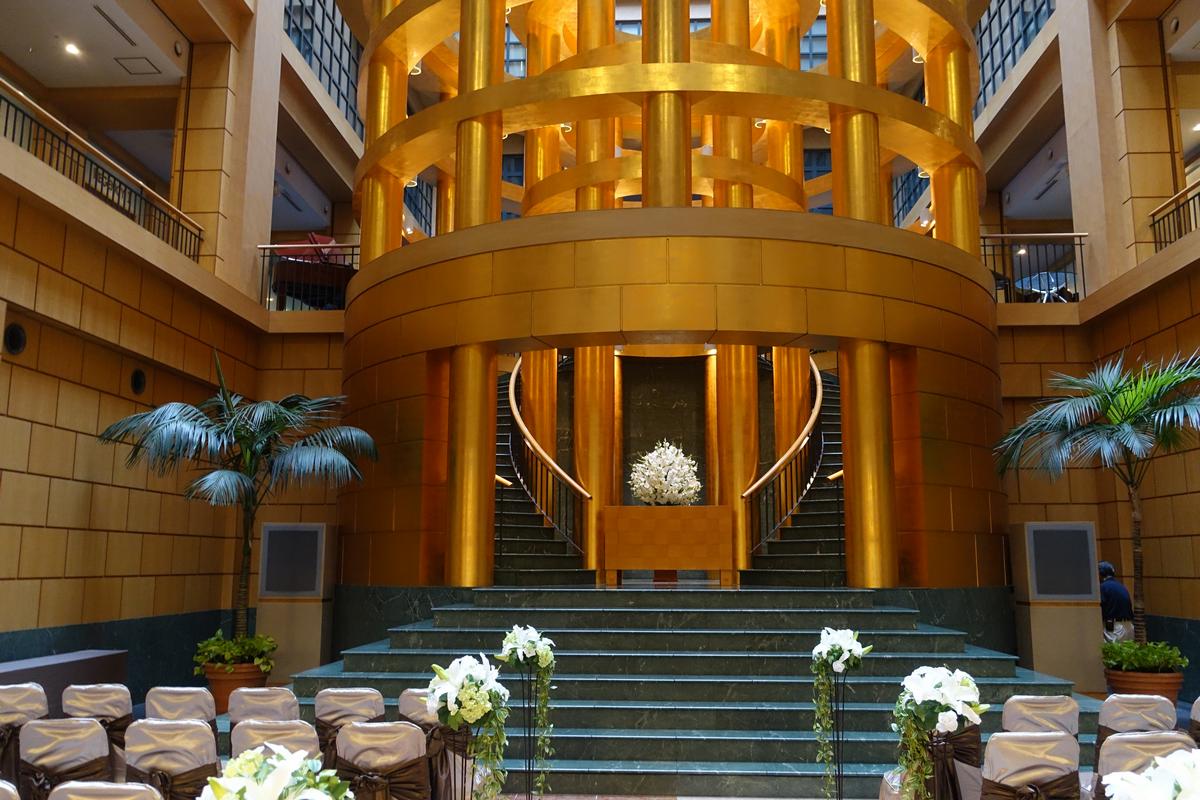
The lobby immediately wowed us, with its somewhat unique ceiling and was a visual treat to look at.we arrived at Fukuoka and headed to the nearby Hyatt Regency Fukuoka, located a mere ten minutes walking from Hakata station.
Hyatt Regency Fukuoka & Visiting Kumamoto
After our long journey train journey spanning the entire
central part of Japan, we arrived at Fukuoka and headed to the nearby Hyatt
Regency Fukuoka, located a mere ten minutes walking from Hakata station.
The hotel was completely sold out for weeks but thankfully
last minute award space opened up, and I manage to snag a night for 4000 Hyatt
points + $50.

The lobby immediately wowed us, with its somewhat unique
ceiling and was a visual treat to look at.
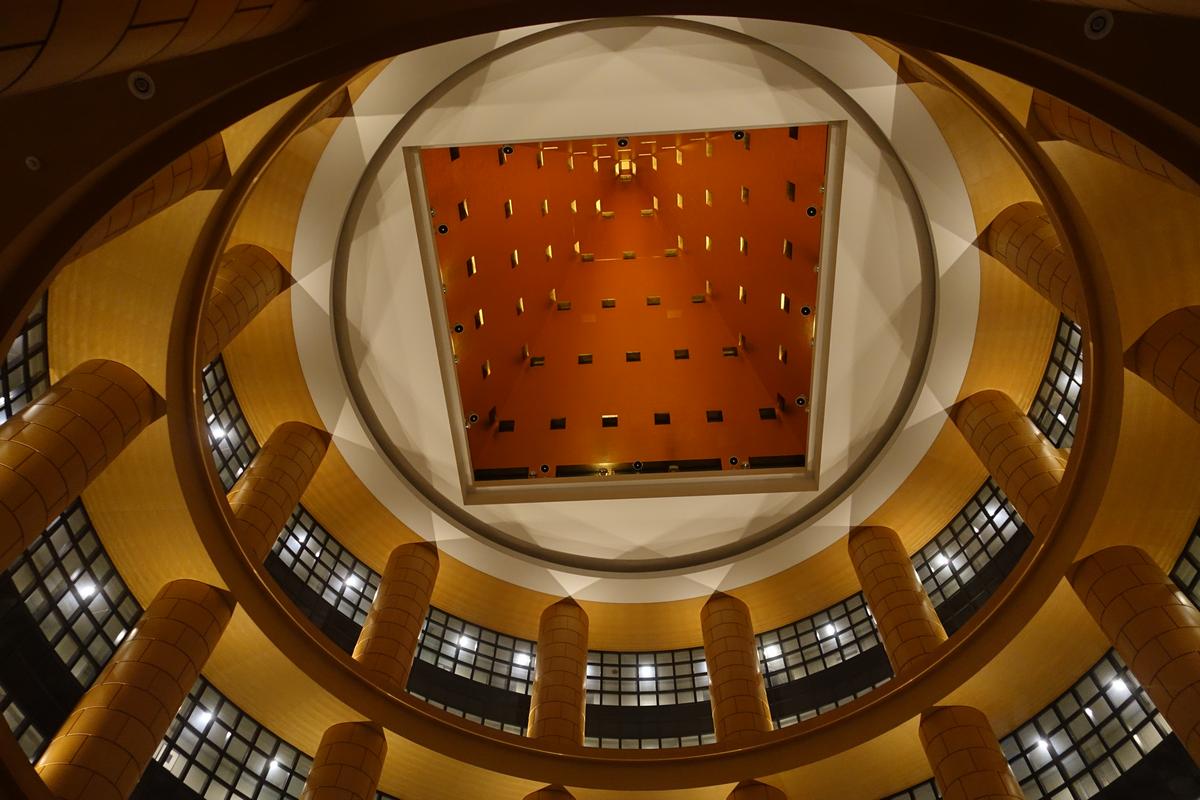
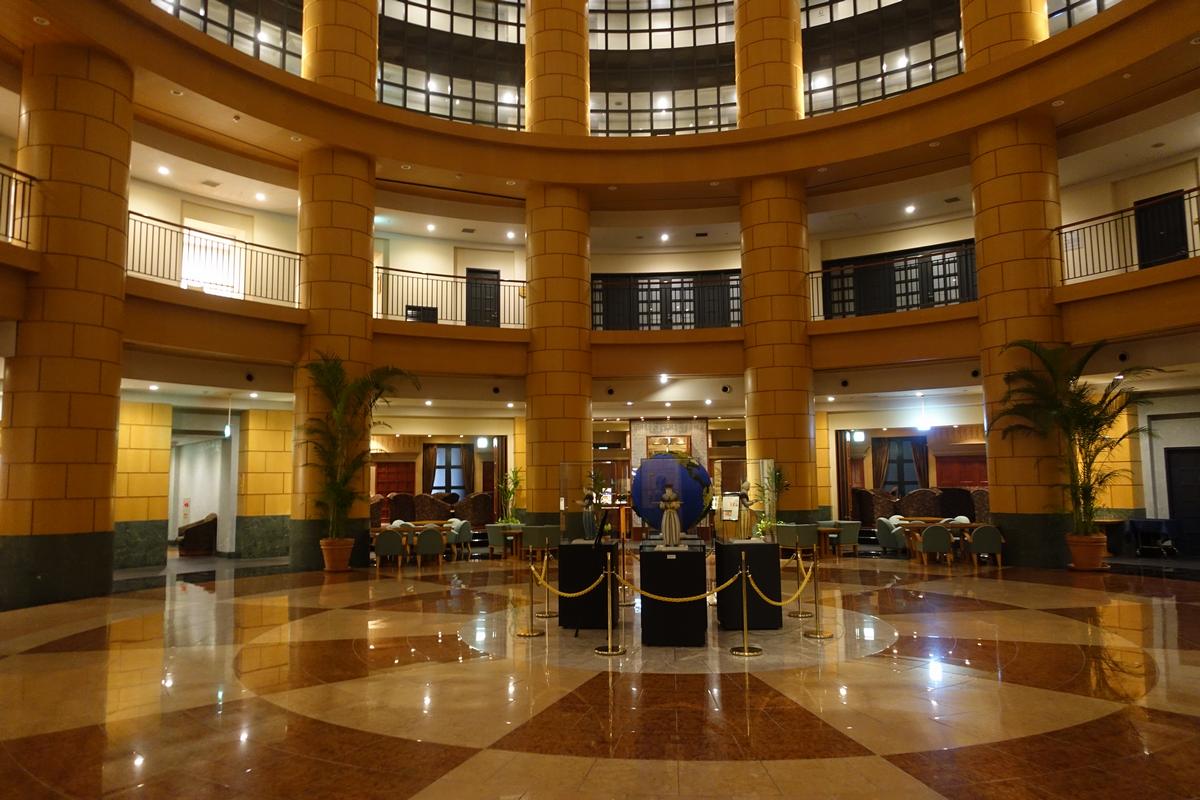
However, such aesthetics come at a price as navigating the
circular hallways proved to be a bit confusing.
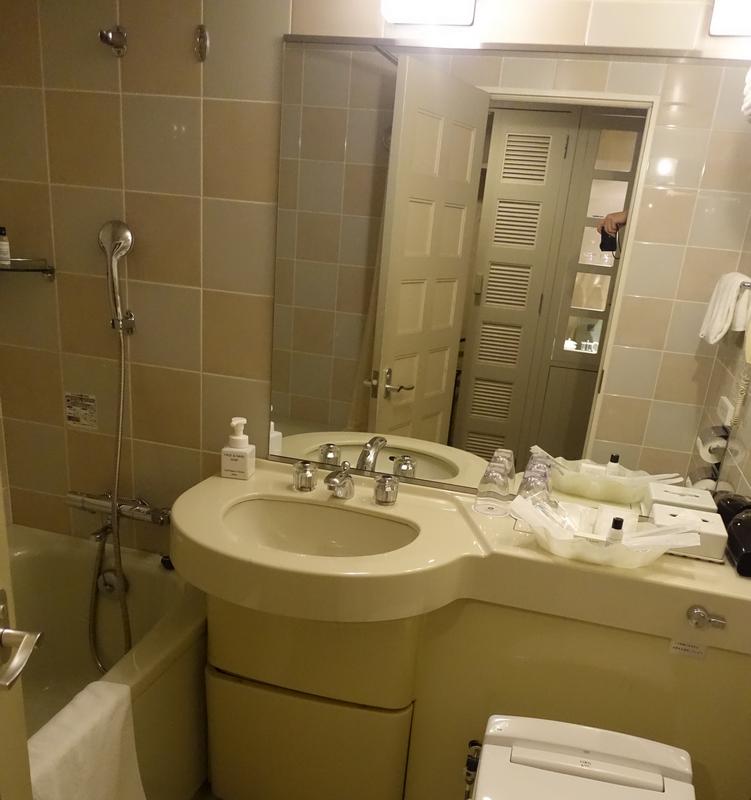
Unfortunately, the grandeur of the lobby didn’t crossover to
our relatively bland room.

However, since we were here for just the night and exhausted
from the day-long trip, we didn’t seem to mind, but I was surprised on how dull
the room looked, especially since I was “upgraded” to a renovated room.

The club lounge breakfast selection was surprisingly decent,
with a wide variety of fresh vegetables, along with your typical western
offerings of scrambled egg and sausage.
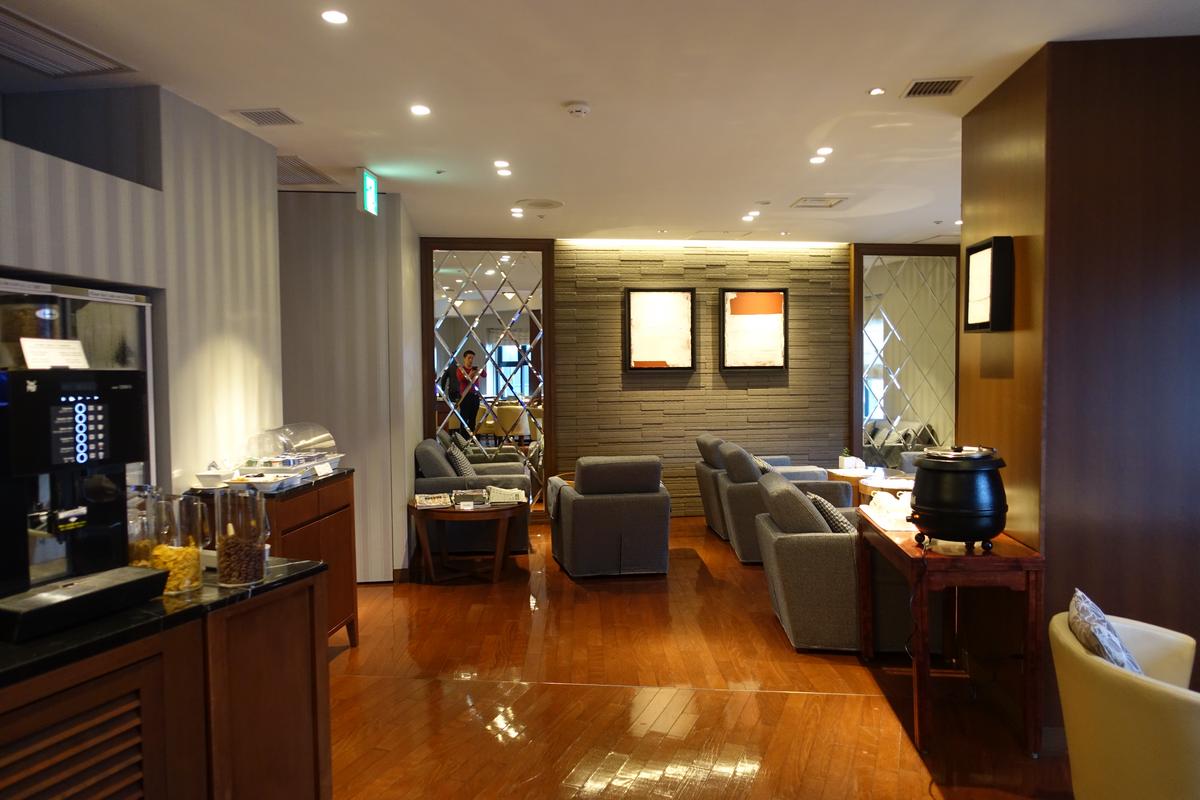
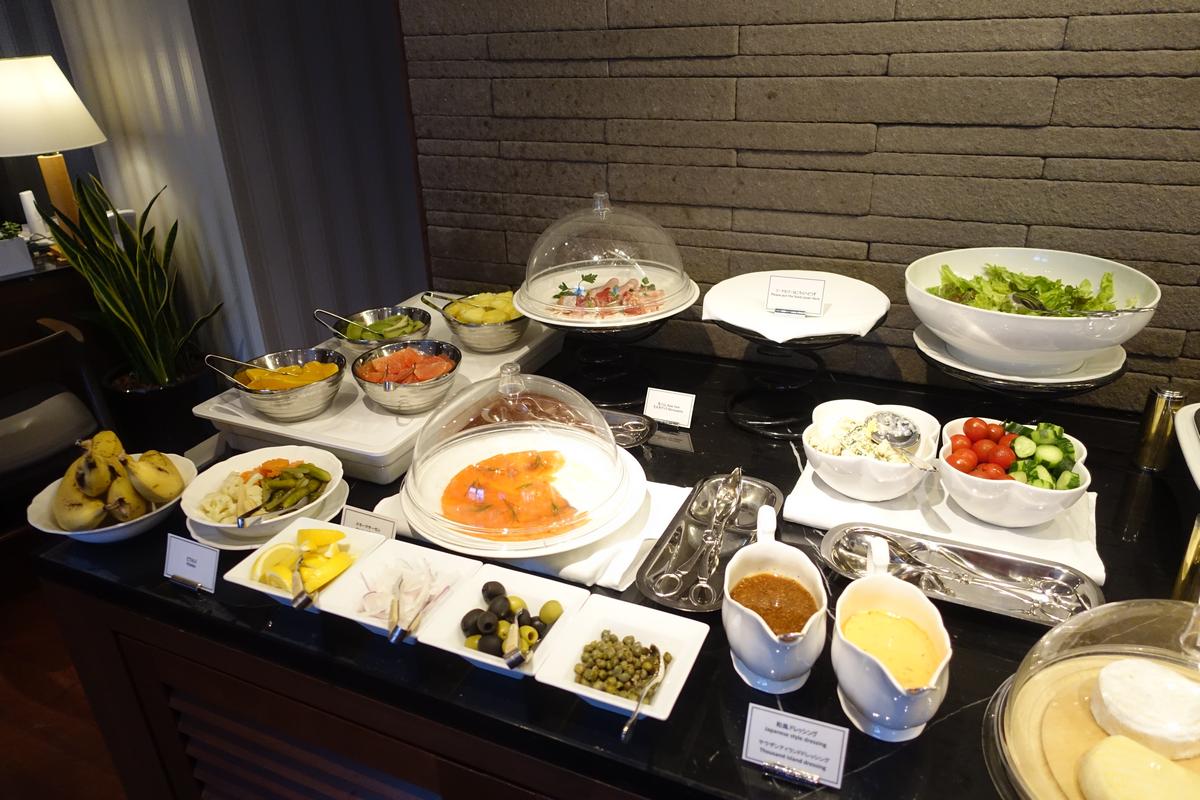
I’d probably give Hyatt Regency Fukuoka a miss, service
levels were a bit subpar, and if we weren’t visiting during the Sakura season,
I’d pick a locally owned hotel.
After breakfast, we took the Shinkansen to Kumamoto, a city
in the center of the island of Kyushu.
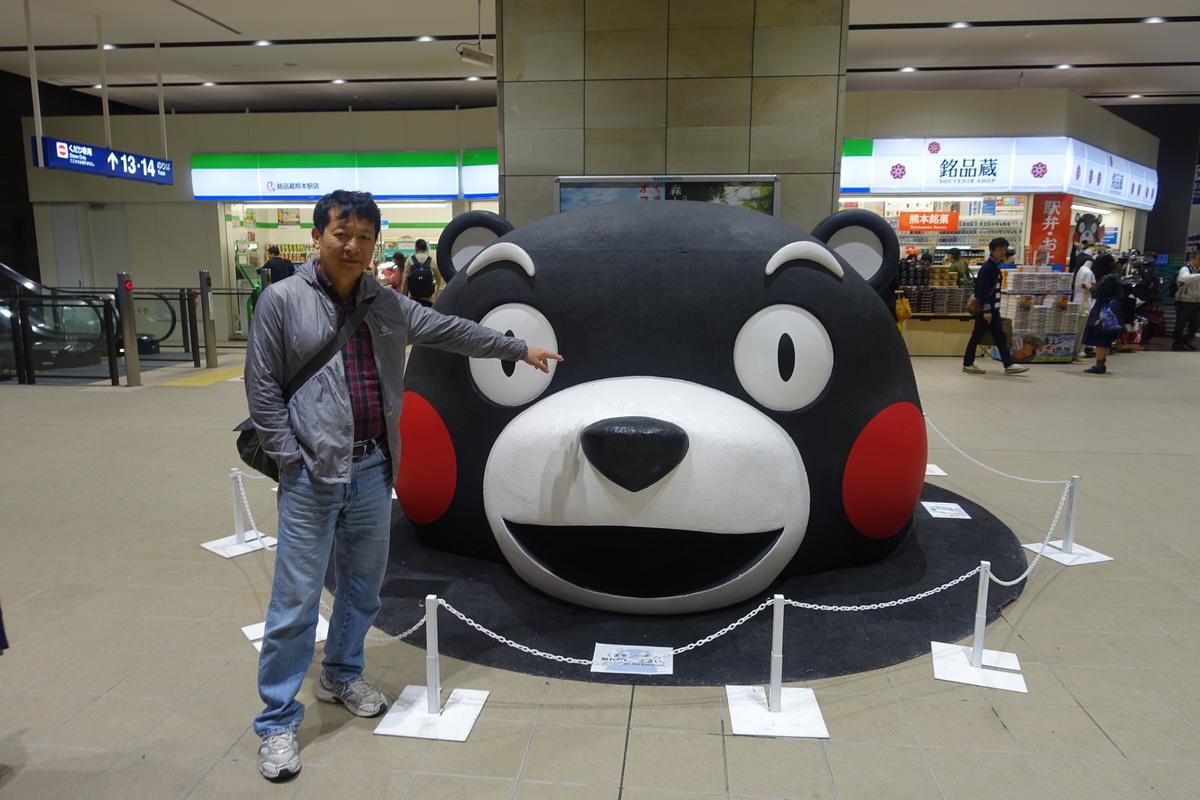
Kumamoto may be most famous for its mascot, Kumamon, whose
merchandise is quite prevalent throughout Japan and the rest of Asia.
In fact,
Kumamon branded merchandise earned over $1 billion in revenue over the past few
years.
Arriving at Kumamoto’s shinkansen station, the ever-present
mascot instantly greets visitors.
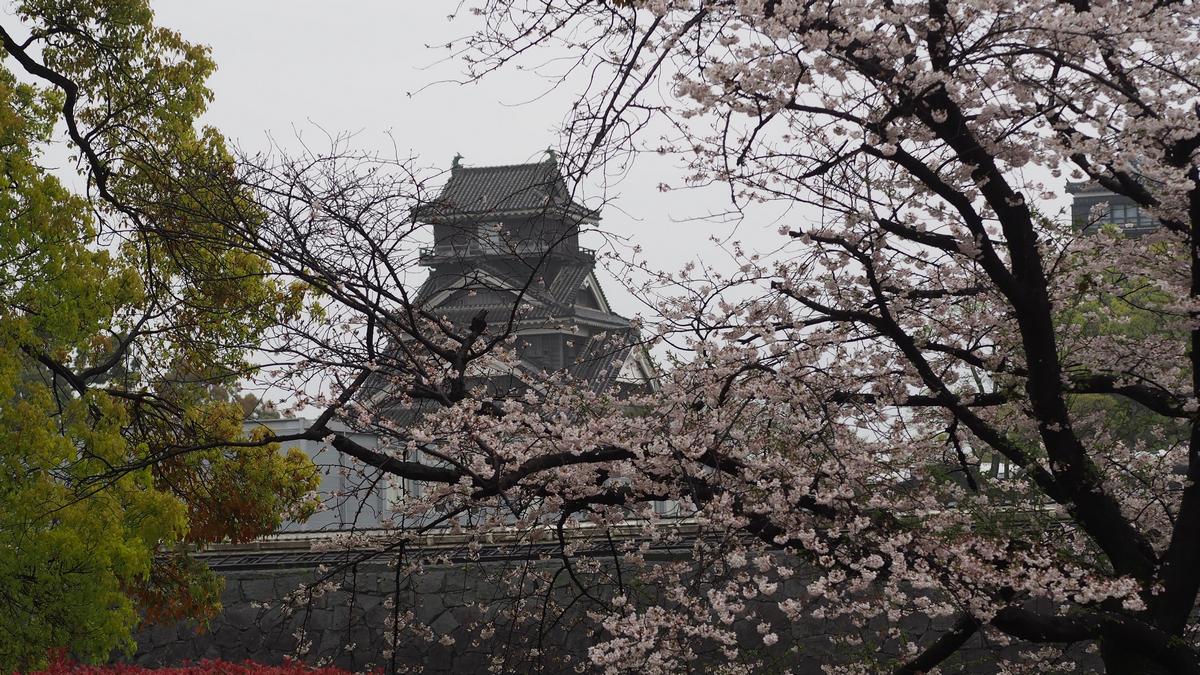
As we had just a few hours in Kumamoto, we headed straight
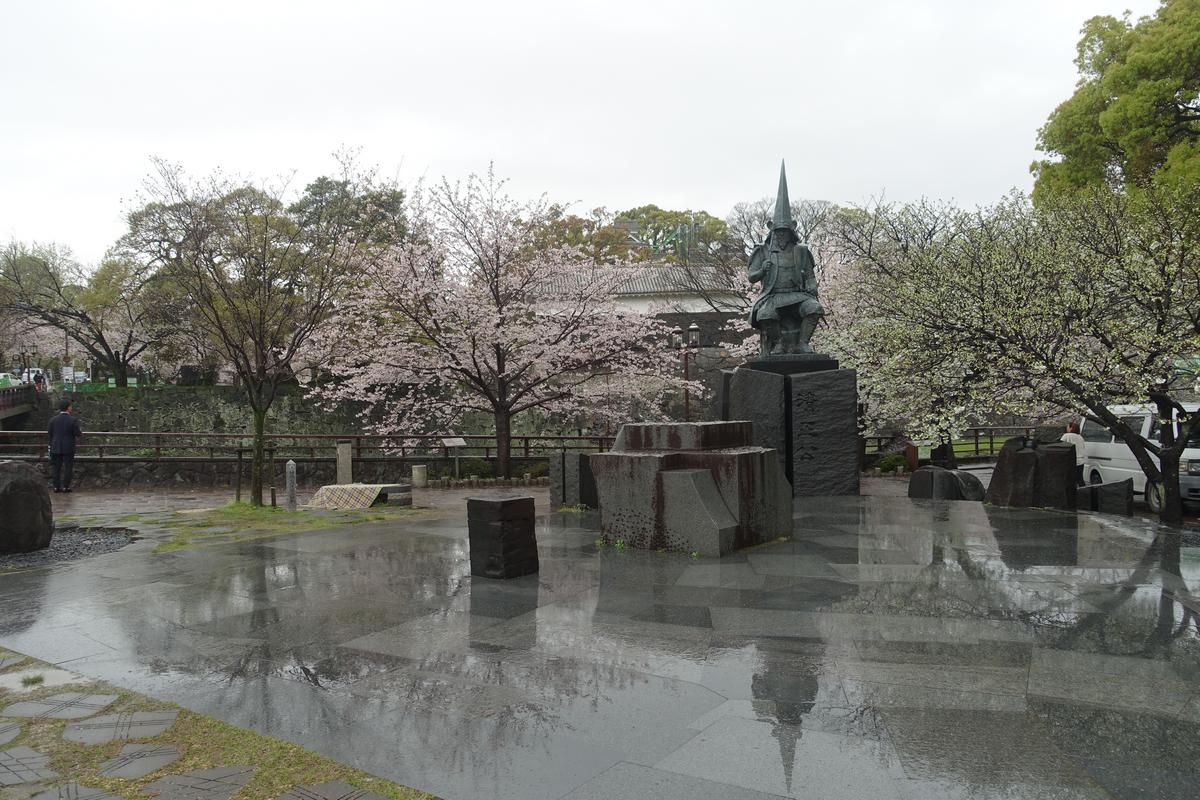
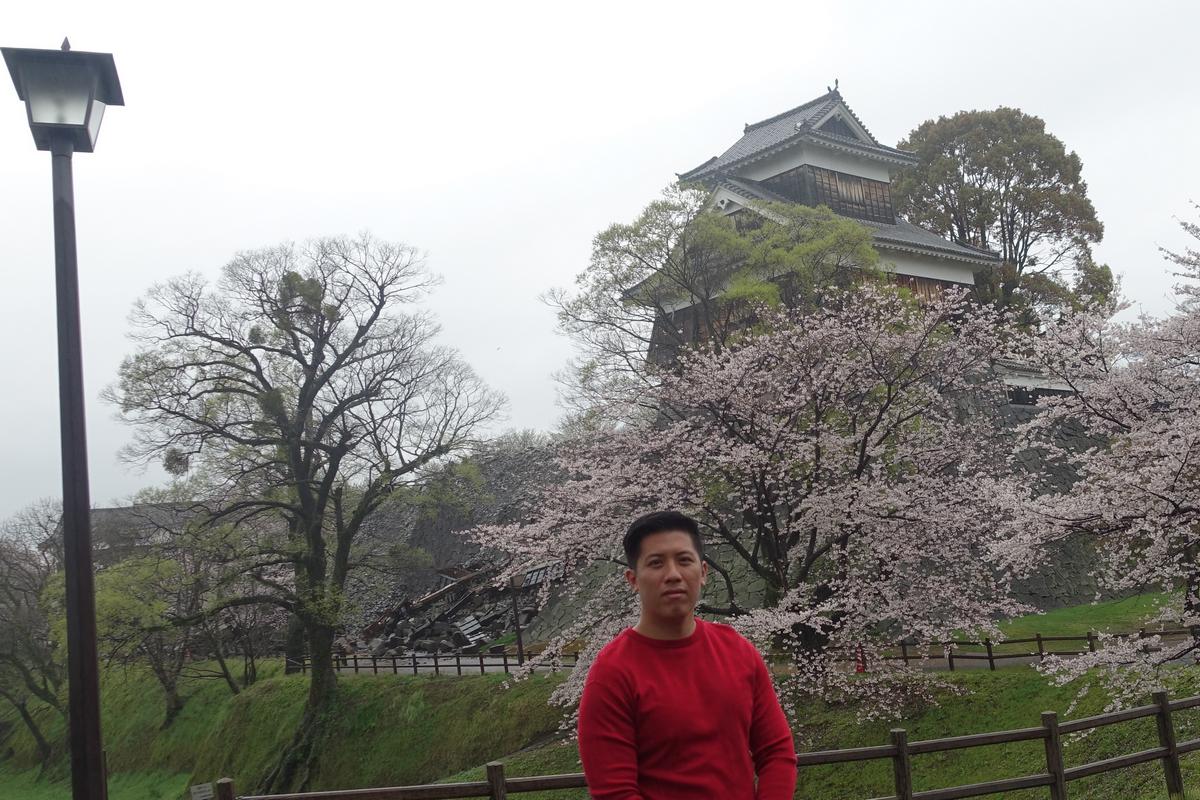
to Kumamoto Castle. Sadly a strong earthquake struck Kumamoto in 2016, causing
various parts of the castle to collapse.

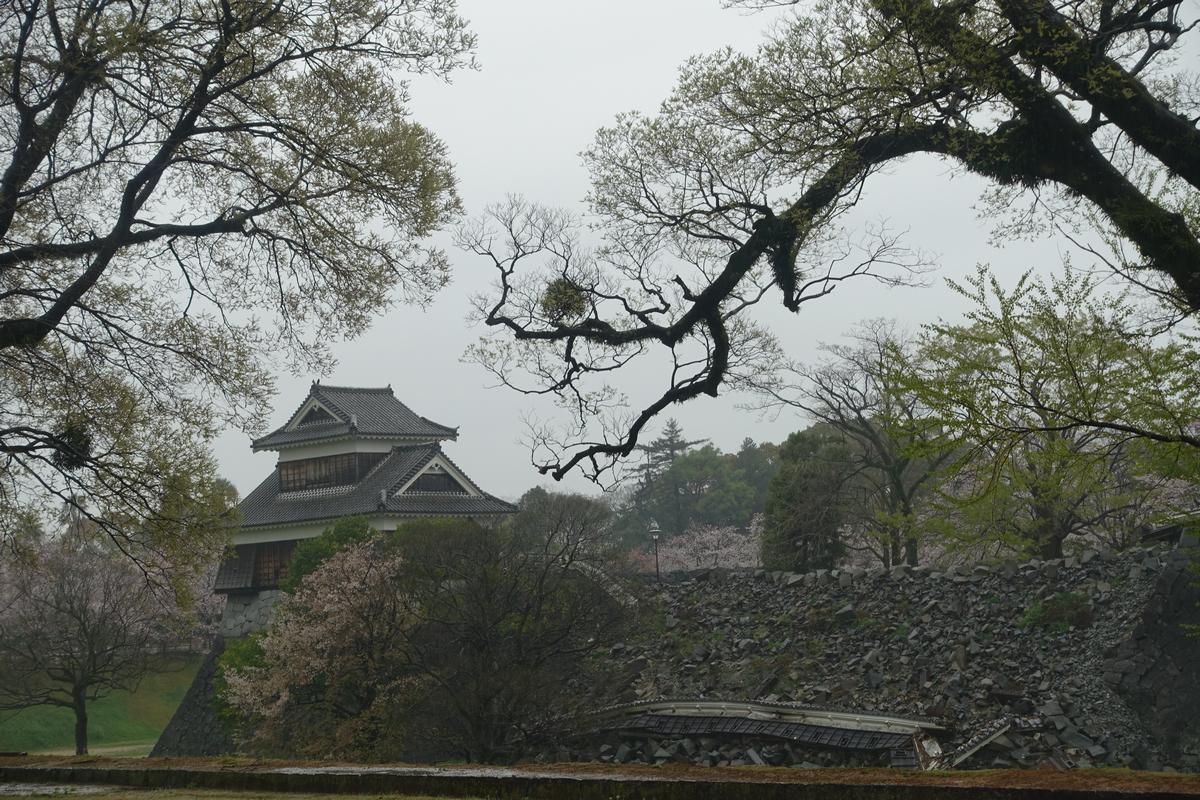
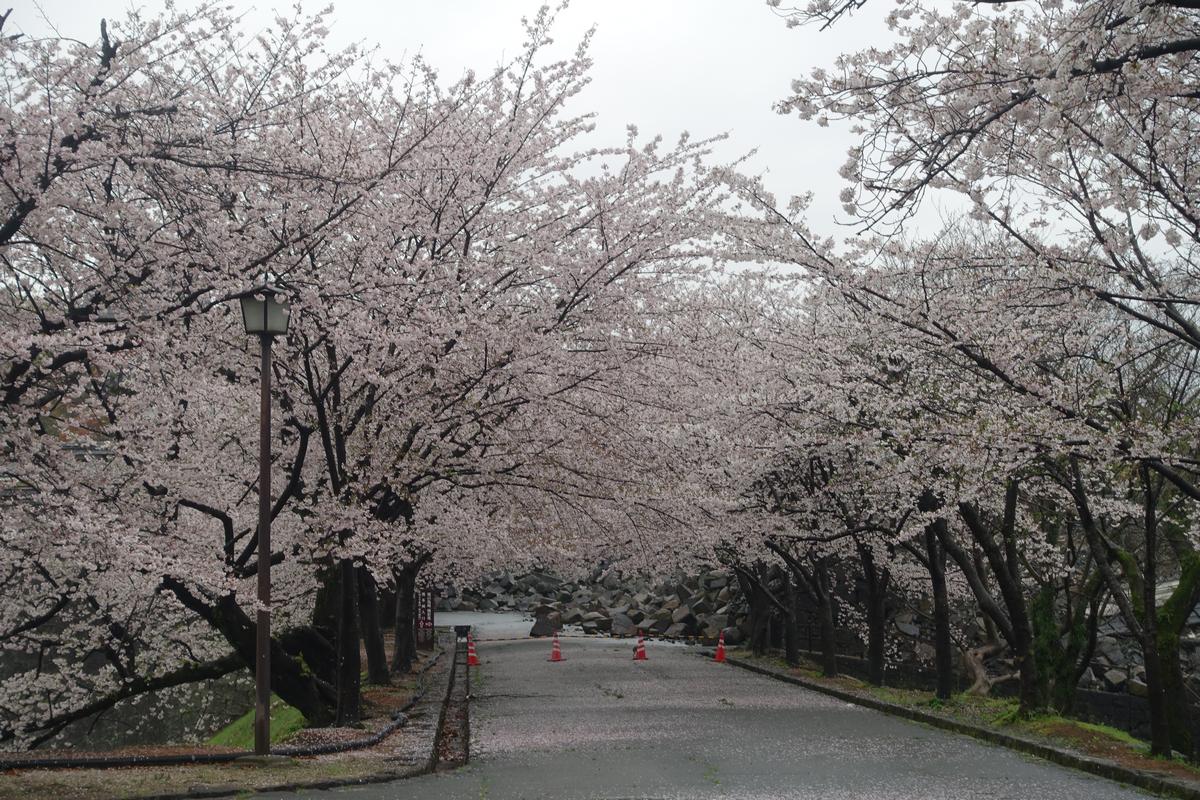
While visitors aren’t allowed into the castle, the outskirts
are open to the public along a marked pathway, and worth a visit, especially
when the blossoms are in full bloom.
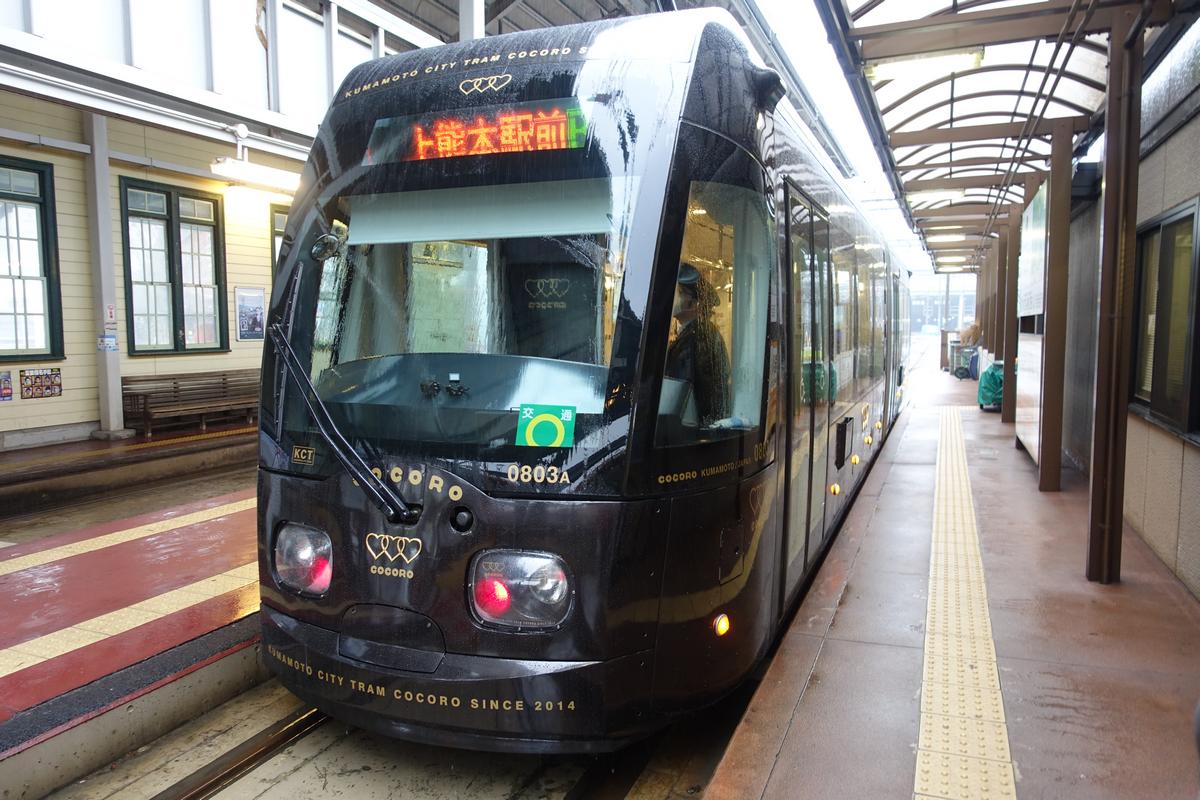
My dad is a bit of a train geek, and probably his favorite
part of visiting Kumamoto was riding the Coroco tram from the castle back to
the train station.
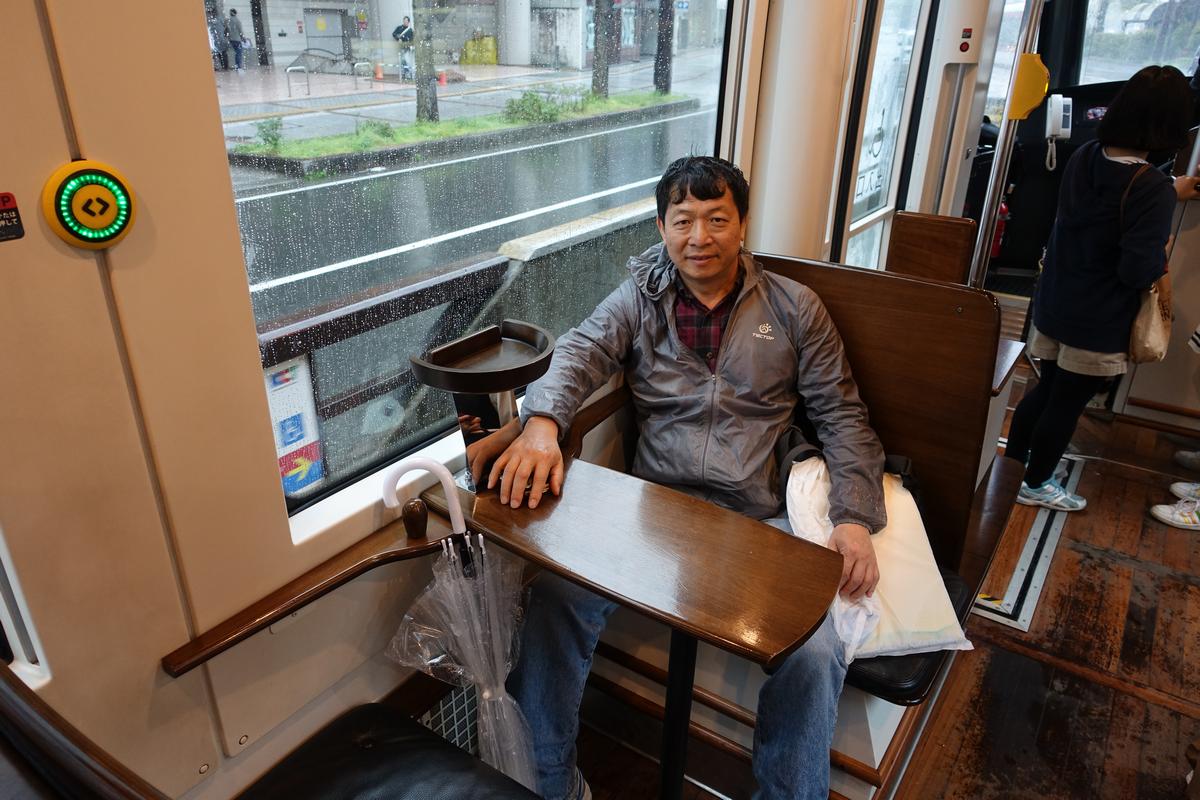
You’d be hard-pressed to find a better-designed tram
anywhere else in the world, with its leather seats and dedicated dining tables.
Overall Kumamoto is worth a quick stopover during Sakura,
especially if you have the Japan Rail Pass as it takes a mere 40 minutes from
Fukuoka to Kumamoto.
Trip Report: Eating Kobe Beef For $50 & Cherry Blossoms At Kobe Zoo
One of the items on my Dad’s checklist was to try Kobe beef, and it was a no-brainer that we should head to the source to try out this beef delicacy. After a rather long wait, our chef finally arrived and showed us our fat marbled lined steak before heating up the teppanyaki grill. With such a premium piece of meat, there was no need to add any extra flavoring, and the chef gently sprinkled a bit of salt on top. After a few minutes our steaks were ready to be digested and I can honestly say it was the best piece of meat I’ve ever tasted.
How to Eat Kobe Beef for $50 & Cherry Blossoms at Kobe Zoo
After our brief stop in Nagoya, we continued down the
Shinkansen to the city of Kobe.
One of the items on my Dad’s checklist was to try Kobe
beef, and it was a no-brainer that we should head to the source to try out this
beef delicacy.
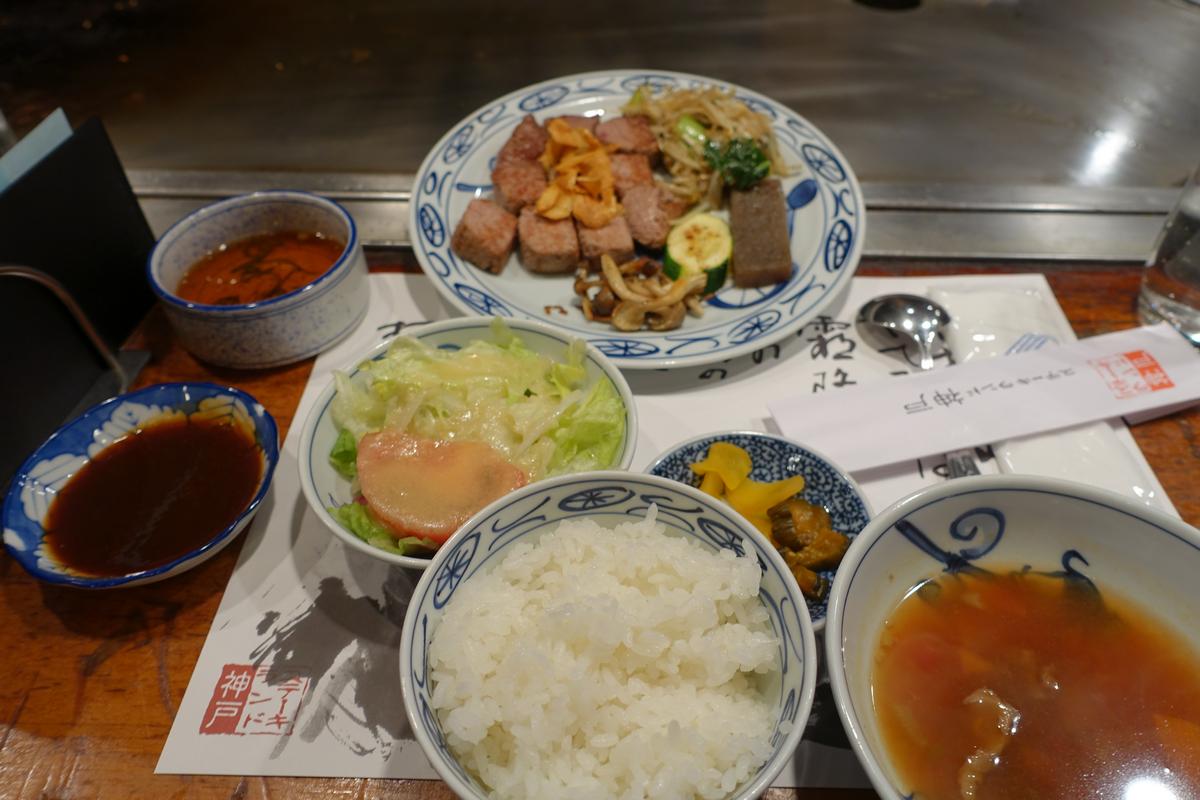
As we were on a budget, we decided to forgo an expensive
steakhouse and instead dined at Steakland, which charges around $50 for the
dinner set which includes rice, salad, and soup.
On a side note for those who don’t eat steak often, when
asked by the waiter on how you would like to have your steak done, I’d
recommend rare, which meant a slight sear on the outside of the steak, and
relatively uncooked on the inside.
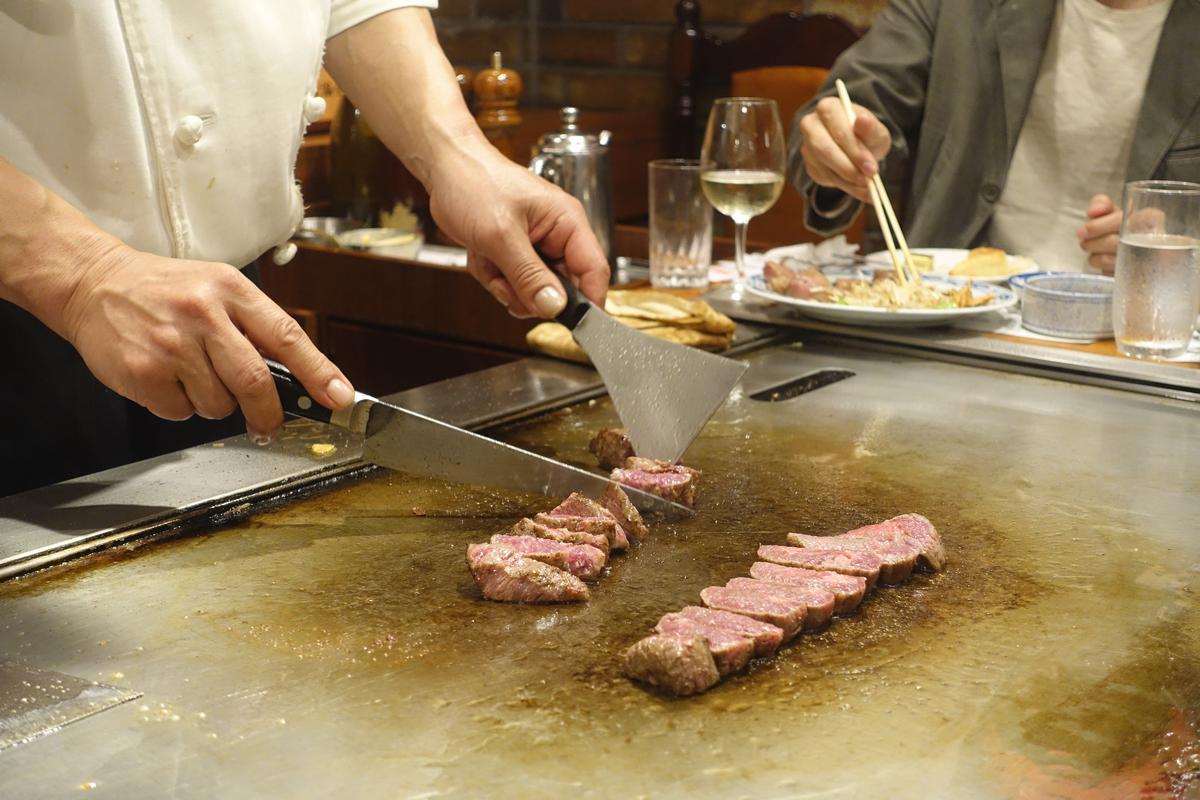
However, if you’re hesitant on eating raw steak, then medium
rare would also do, but anything higher would ruin the taste.
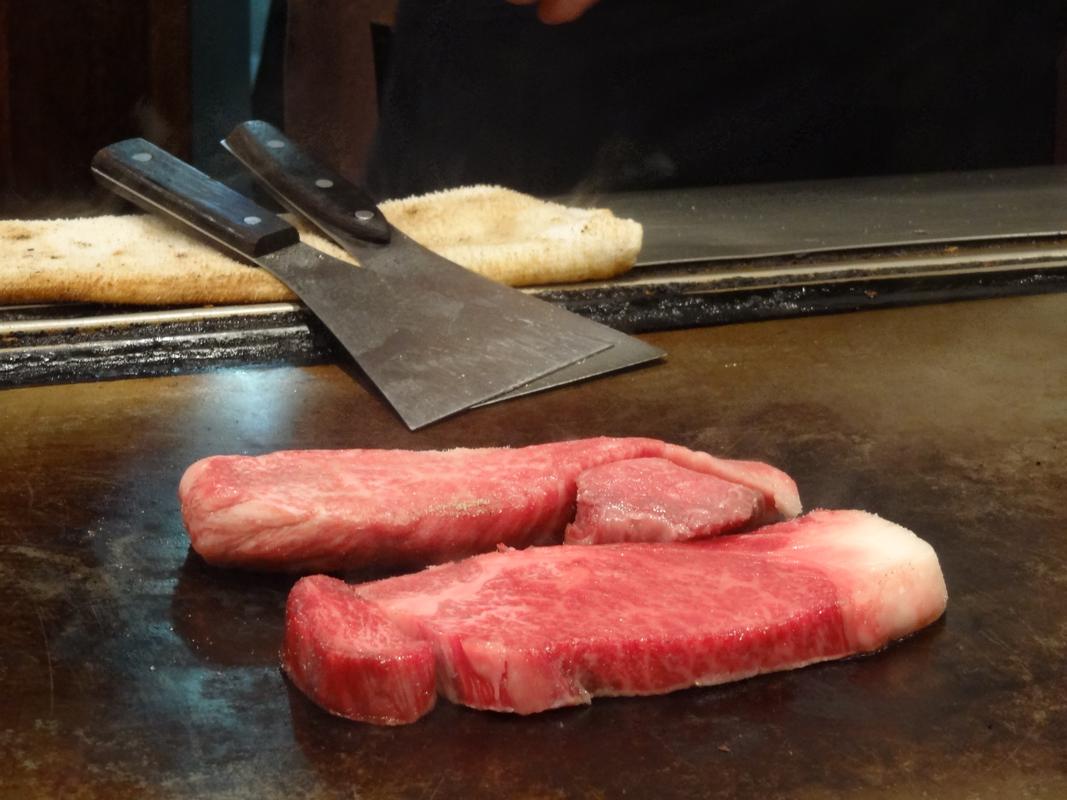
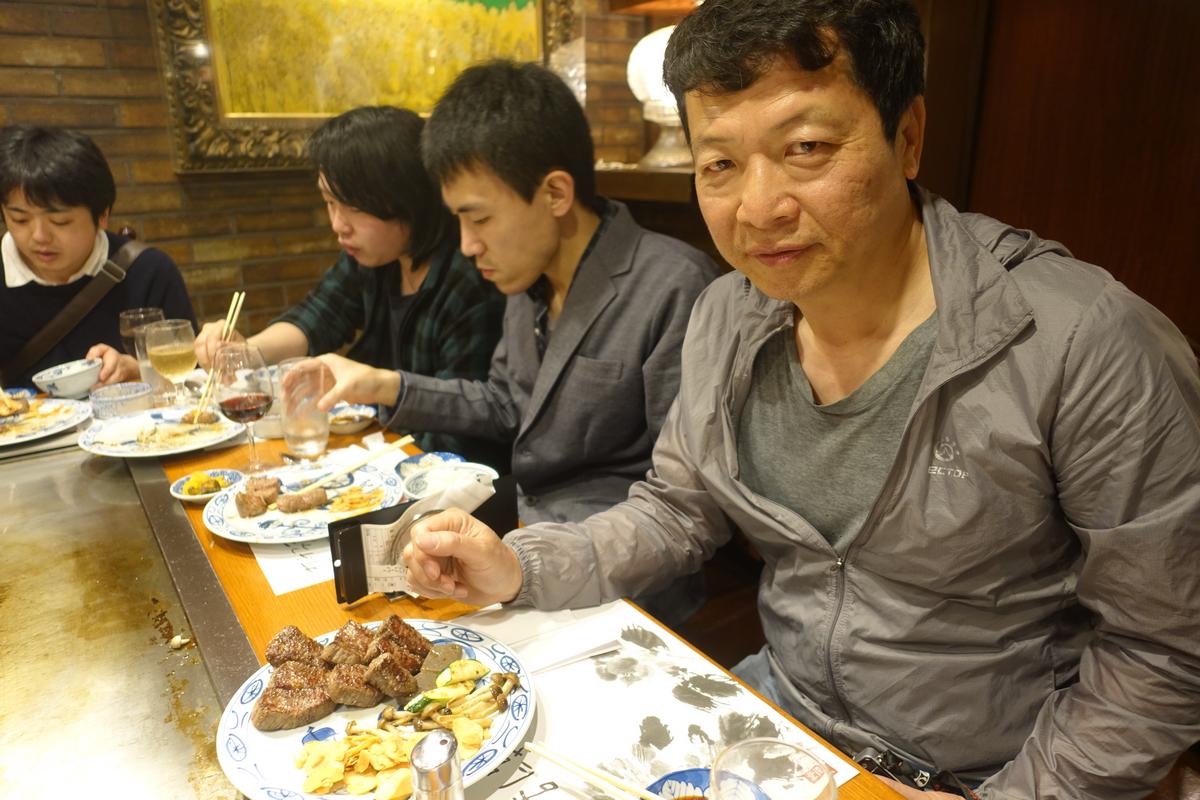
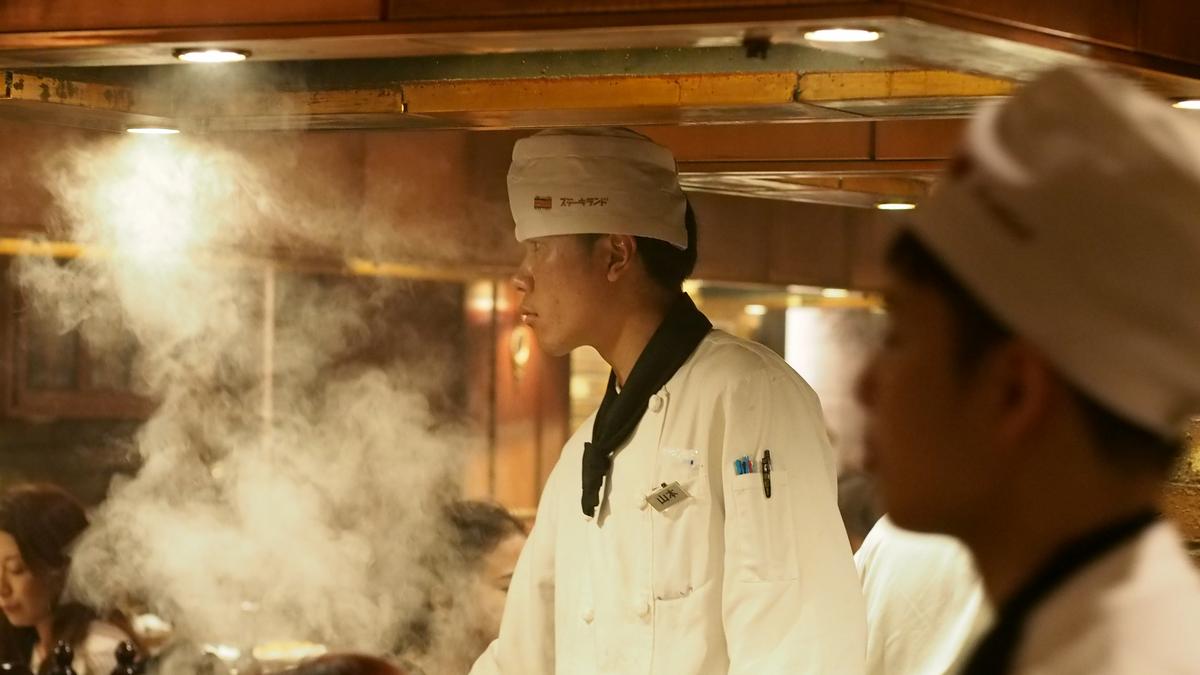
After a rather long wait, our chef finally arrived and
showed us our fat marbled lined steak before heating up the teppanyaki grill.
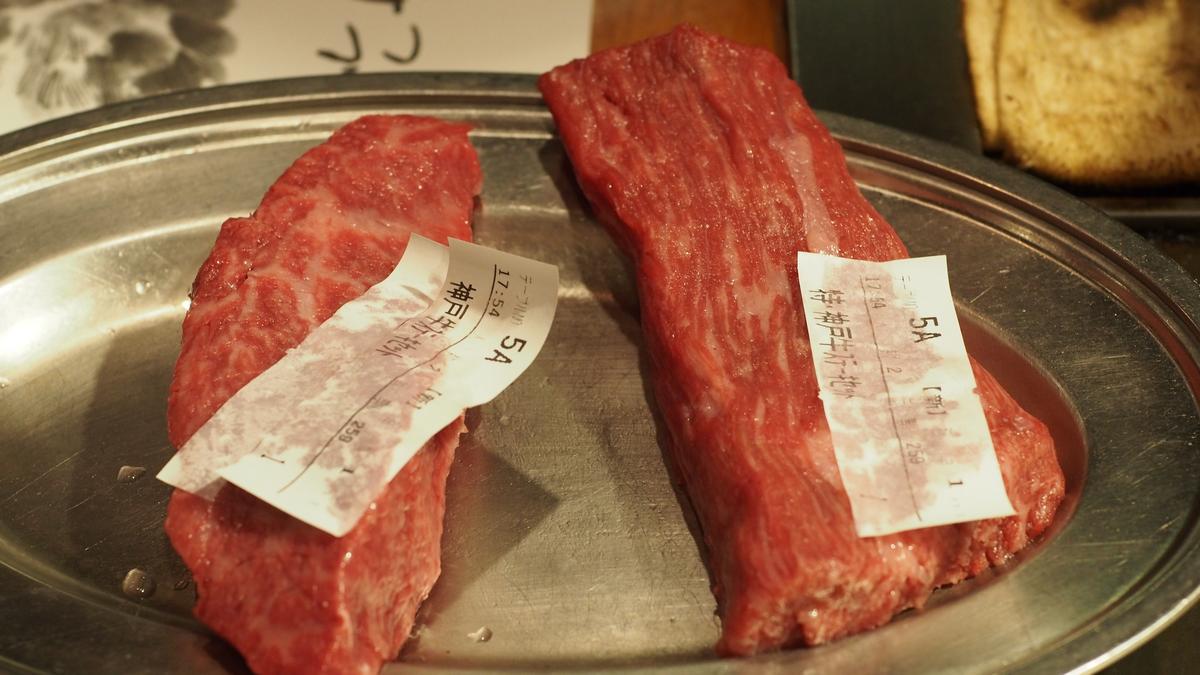
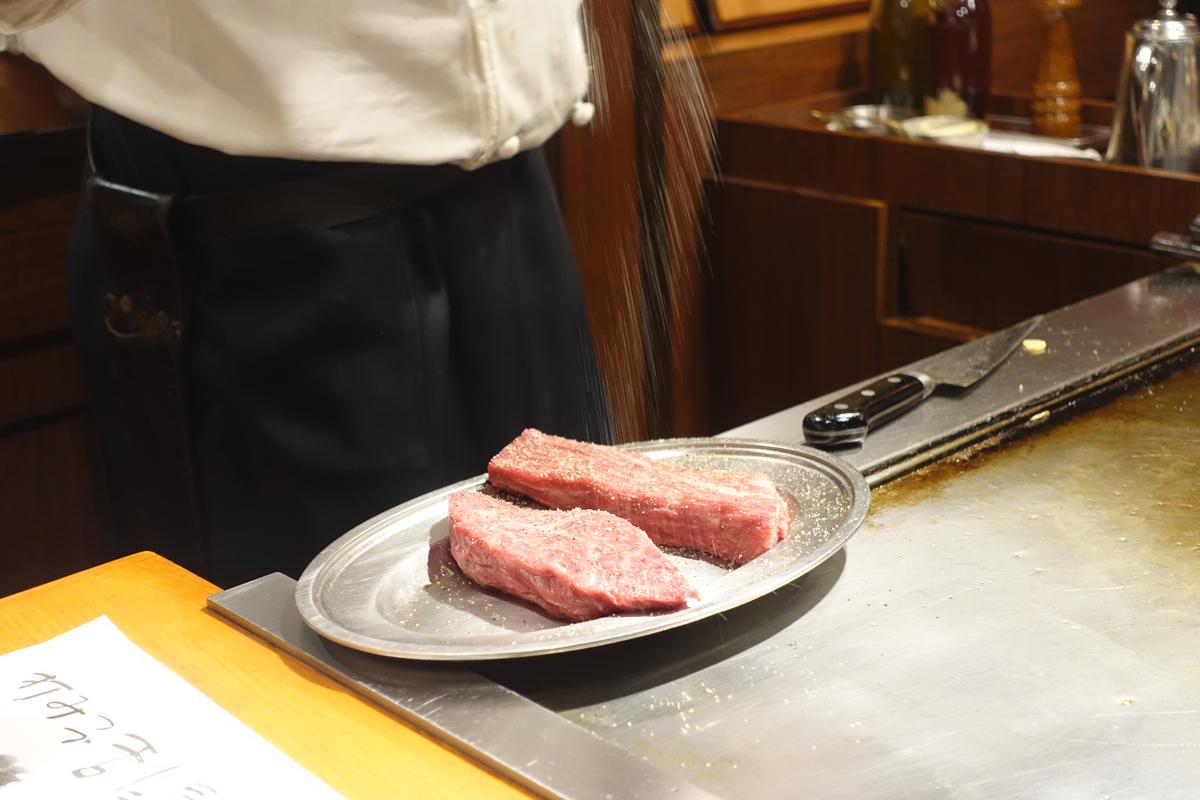
With such a premium piece of meat, there was no need to add
any extra flavoring, and the chef gently sprinkled a bit of salt on top.
Our chef was straight out of central casting: cutting and
searing each piece of Kobe beef with exact precision.
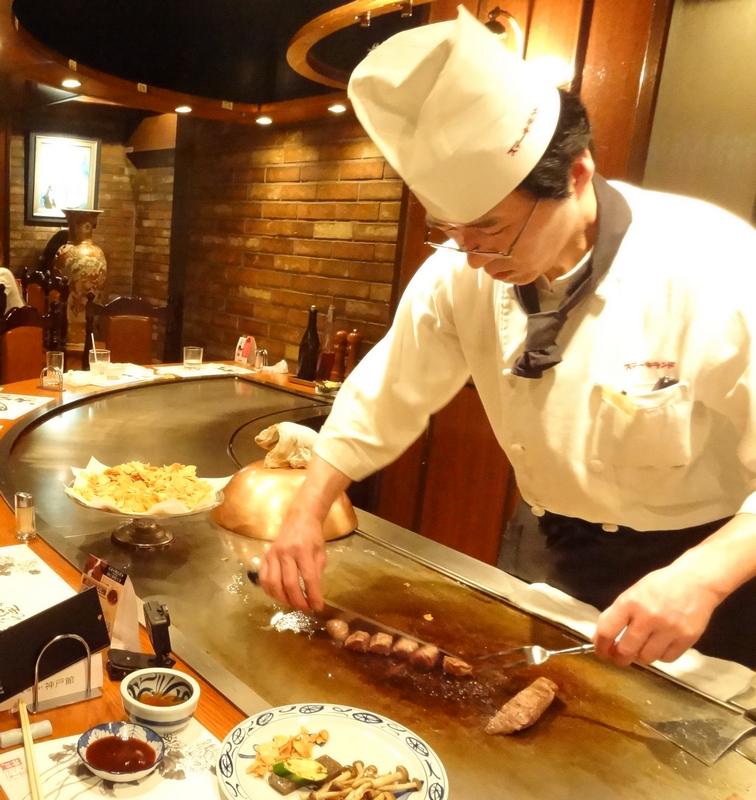
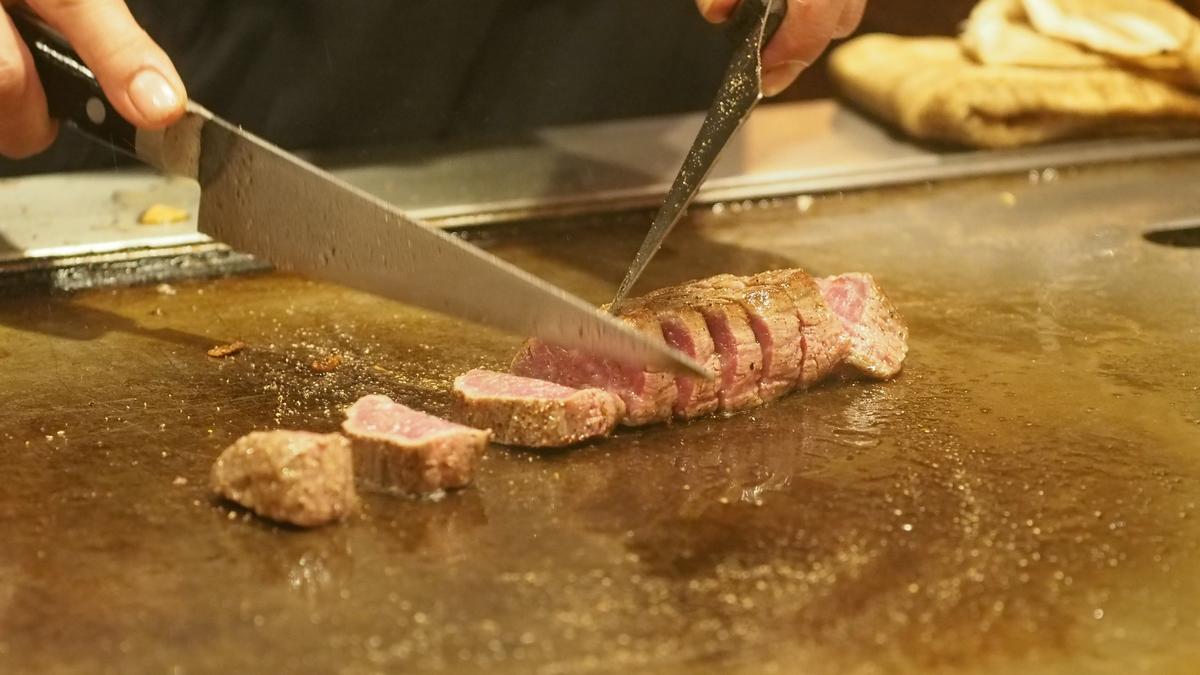
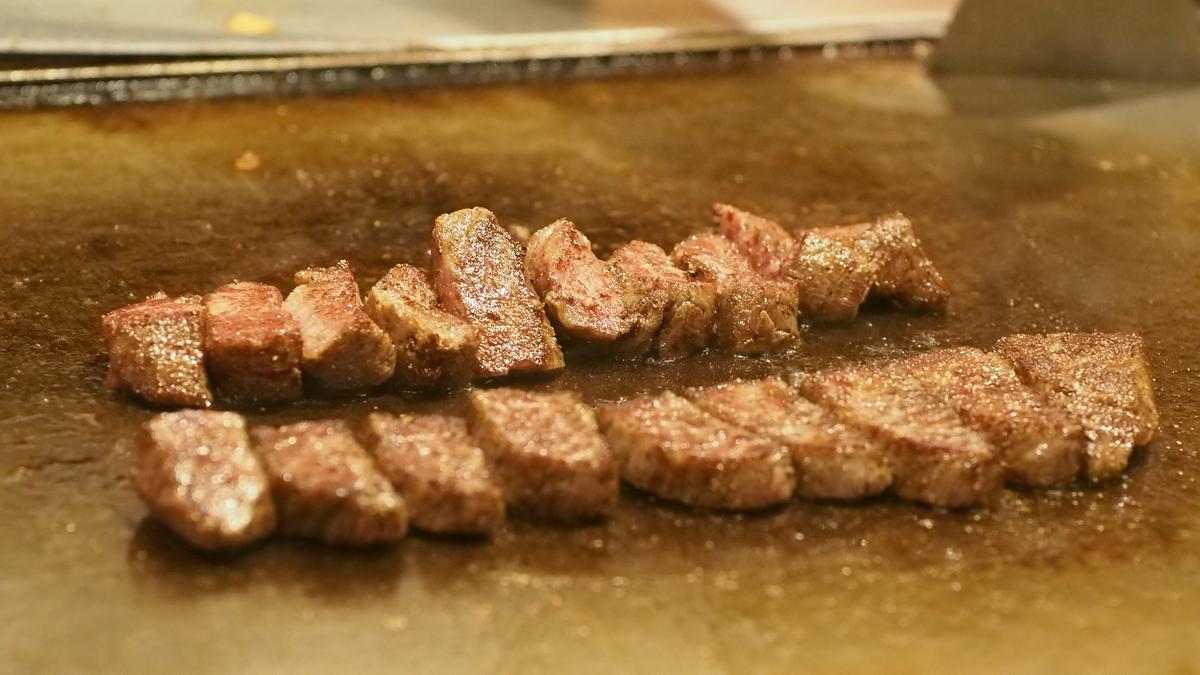
After a few minutes our steaks were ready to be digested and
I can honestly say it was the best piece of meat I’ve ever tasted.
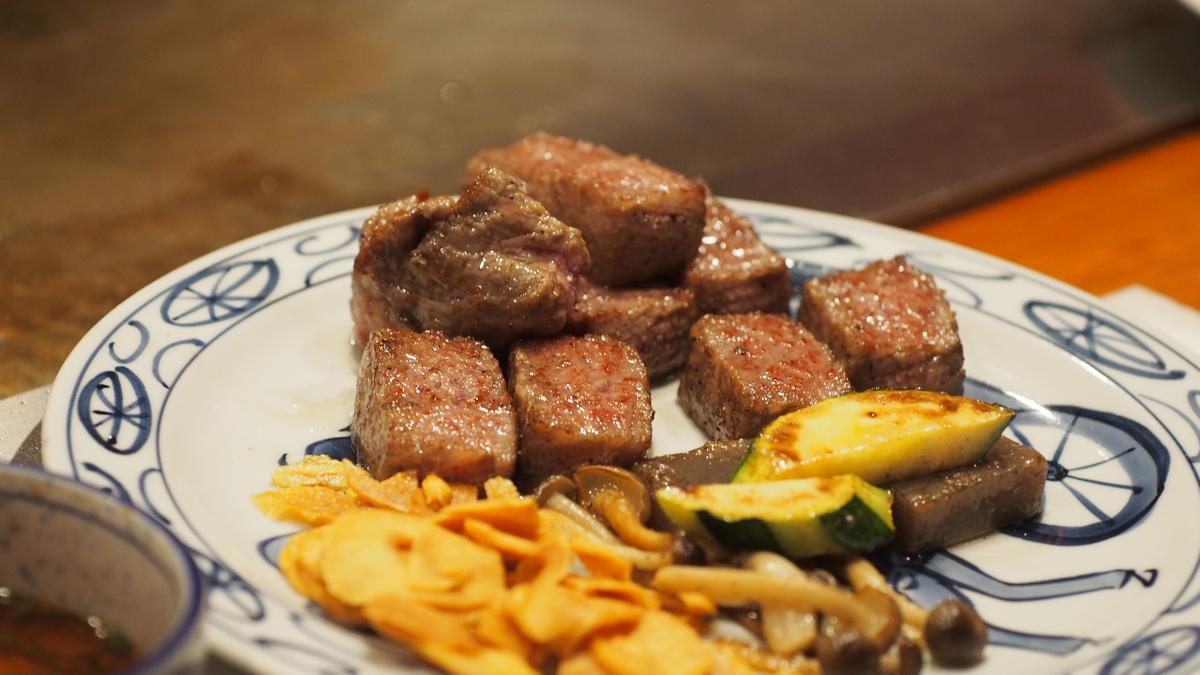
The sensation of the Kobe beef bursting in my mouth with all
the fat rushing out quickly overwhelmed my senses and it was at that moment I
knew I was in food heaven.
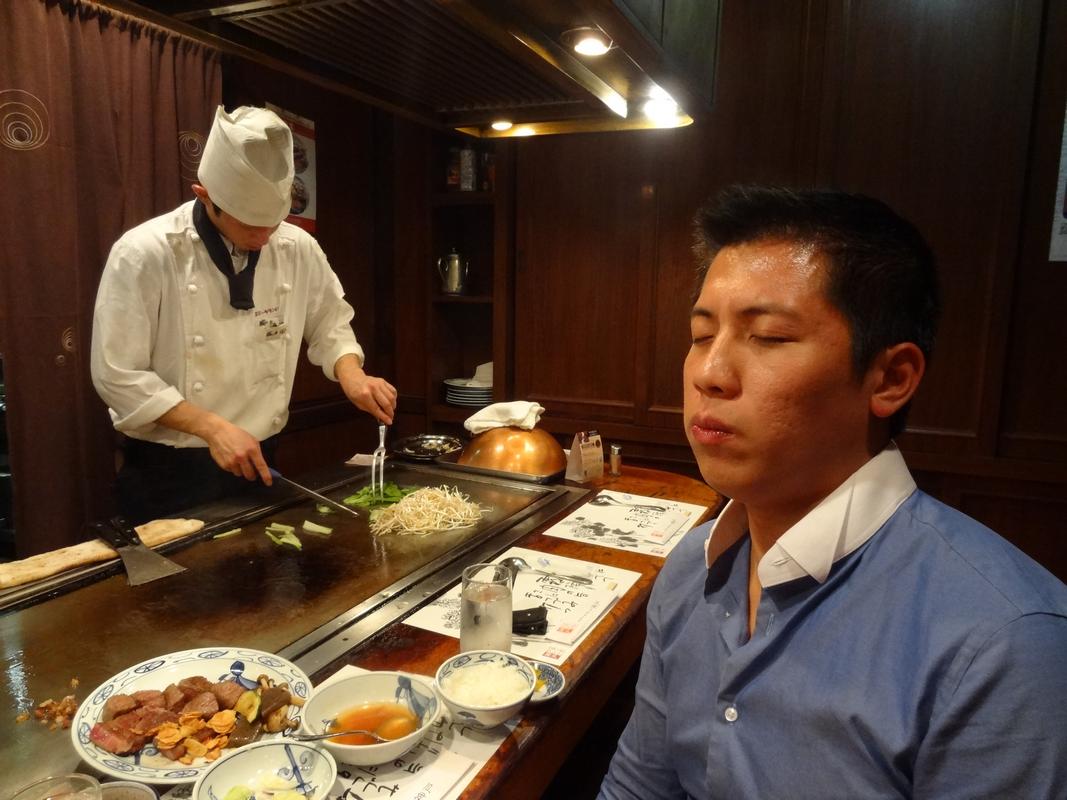
Overall, although the atmosphere is a bit grimy, you’re here
for the steak. The bill for two Kobe beef sets was around $100, an absolute
bargain for the quality of meat.
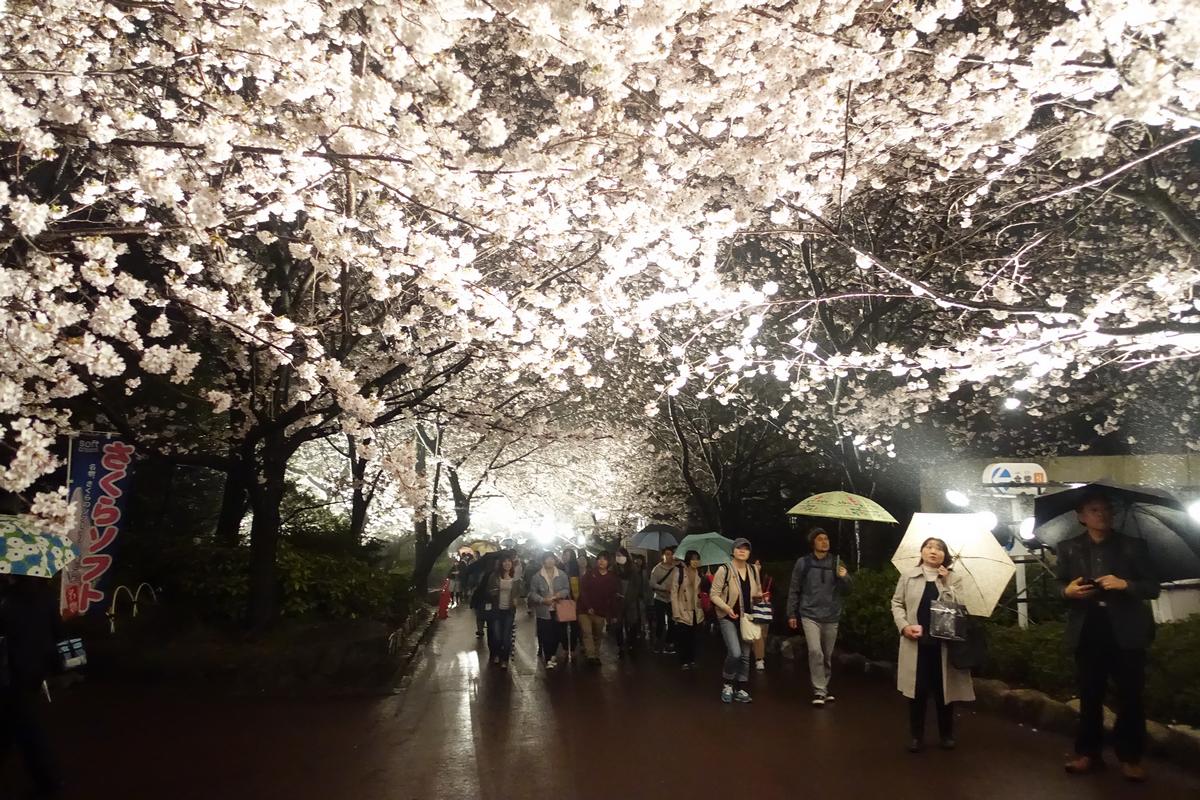
After our sumptuous dinner, we made a quick stop at the Kobe
Zoo, which was open to the public for a special Sakura night illumination.

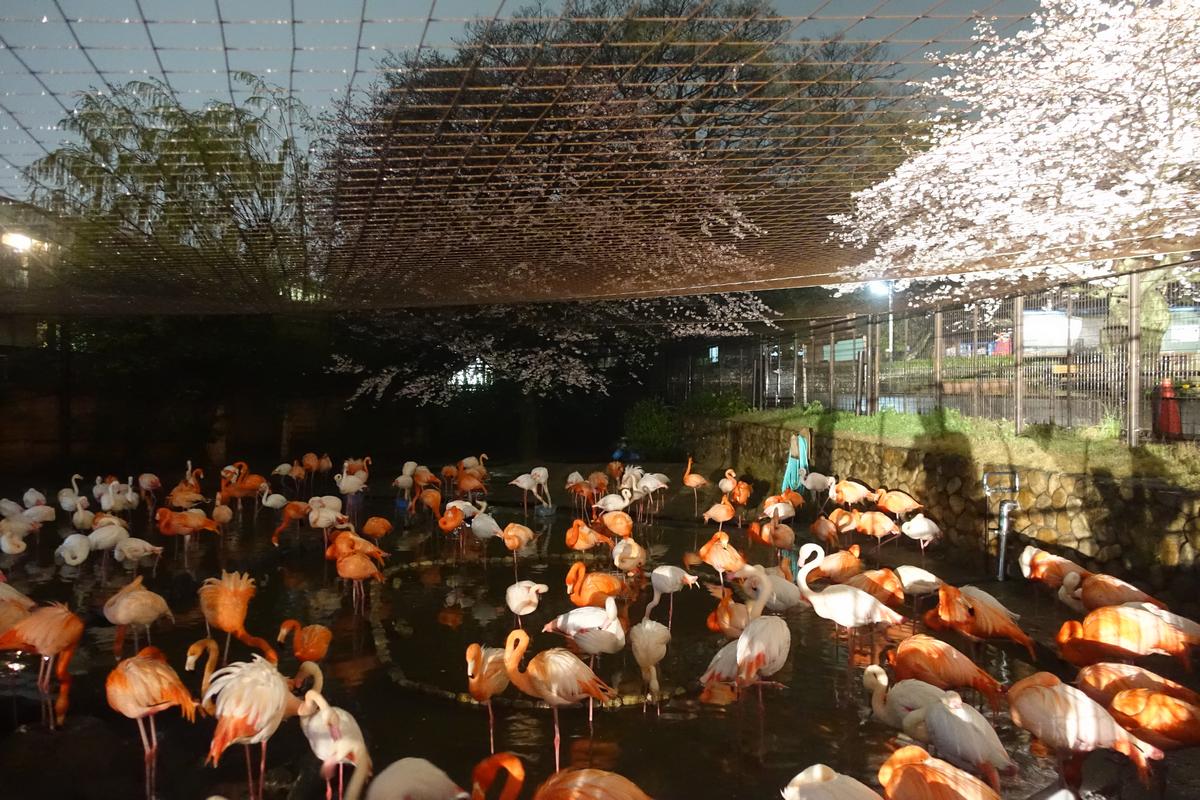
Flamingos under the Sakura
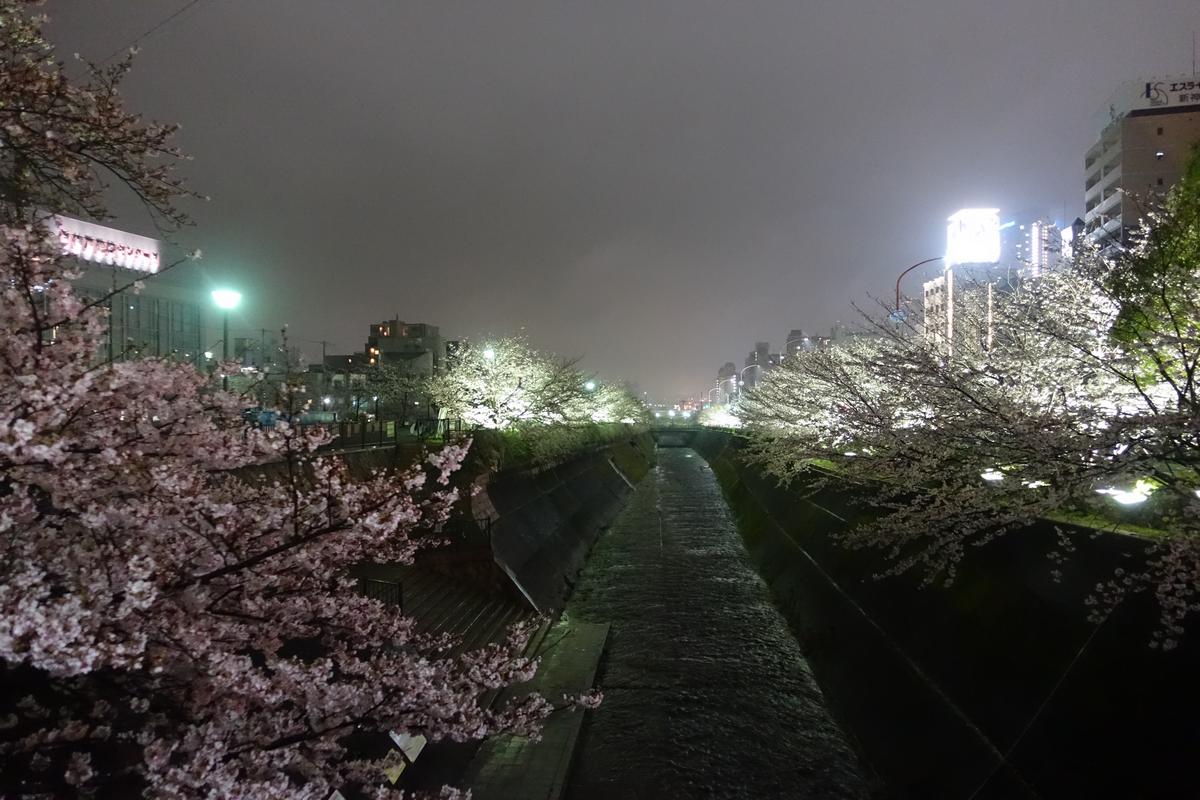
We then rushed back to Shin-Kobe station where we caught the
last Hikari shinkansen train to Fukuoka with seven minutes to spare.
For those visiting Osaka & Kyoto, Kobe is mere minutes
away via the limited express local trains and worth a quick visit, even if it’s
just for dinner.
Trip Report: Nagoya & Chasing The Sakura On The Shinkansen
We had just two and half hours to explore the city and headed straight to Nagoya Castle. Along the way, we spotted numerous types of Sakura trees in full bloom.
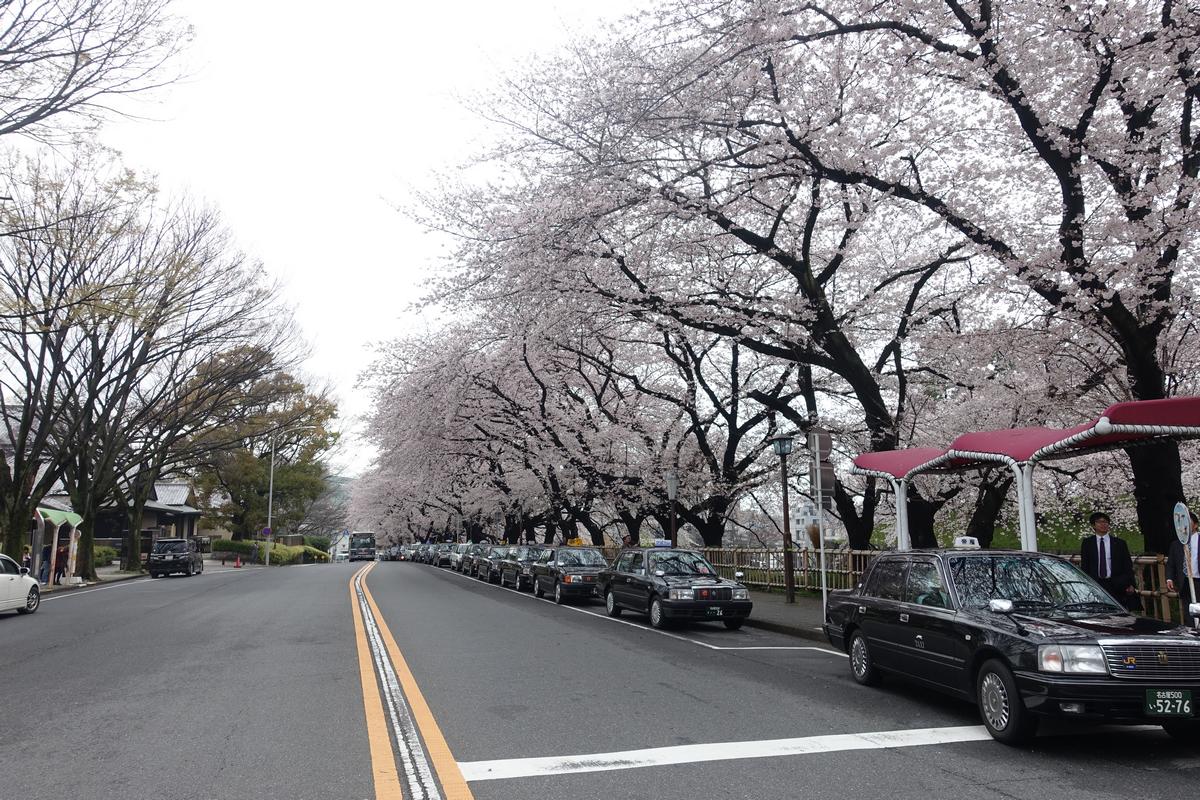
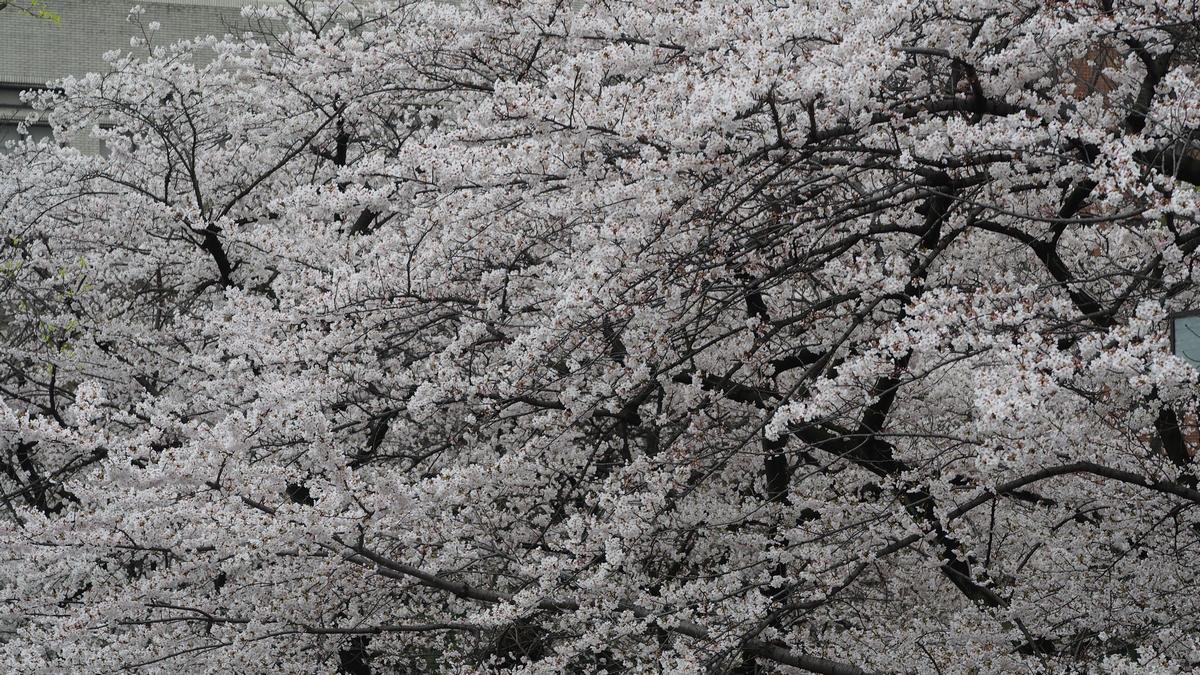
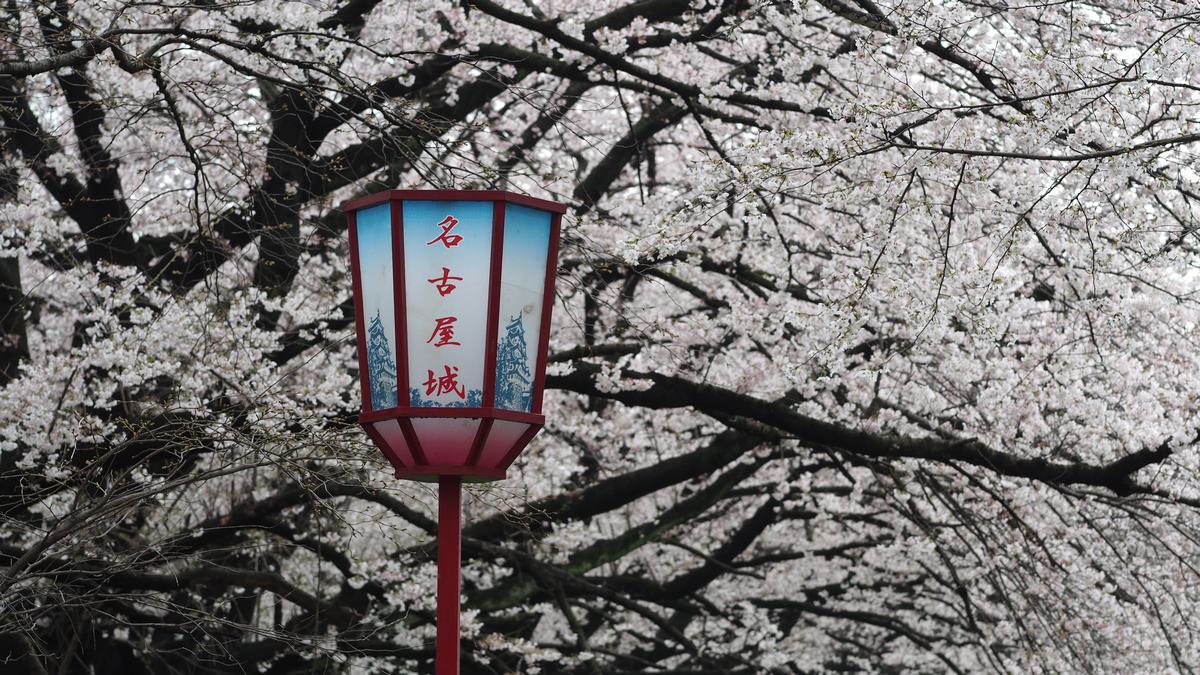
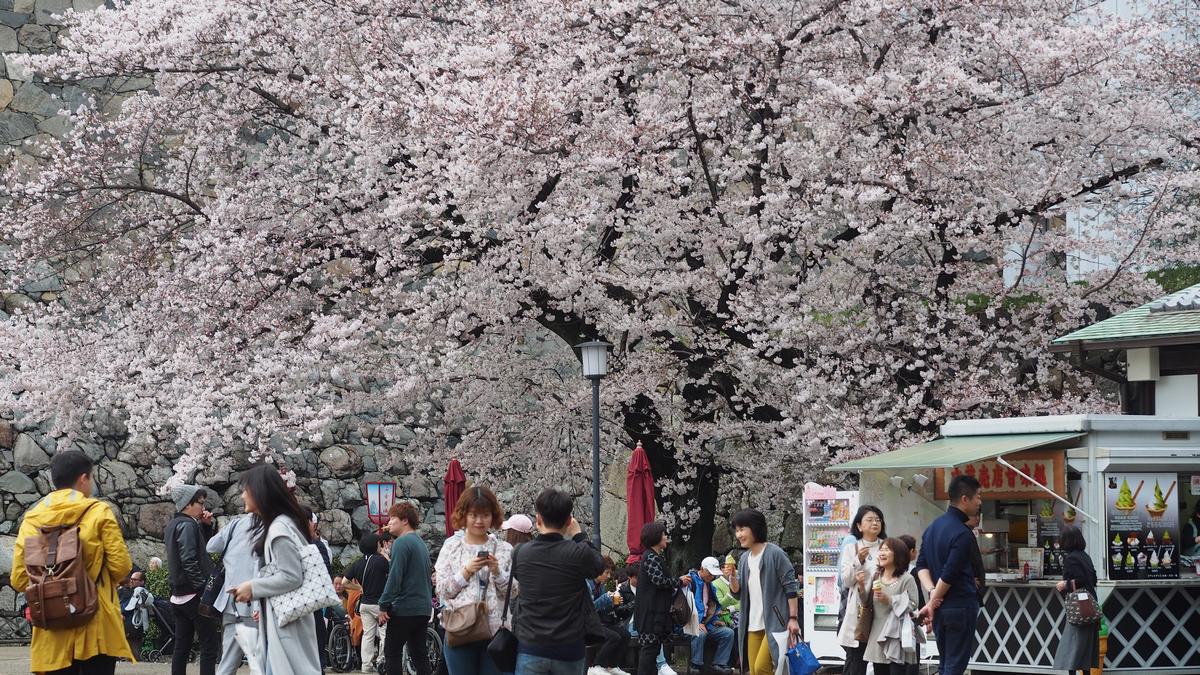
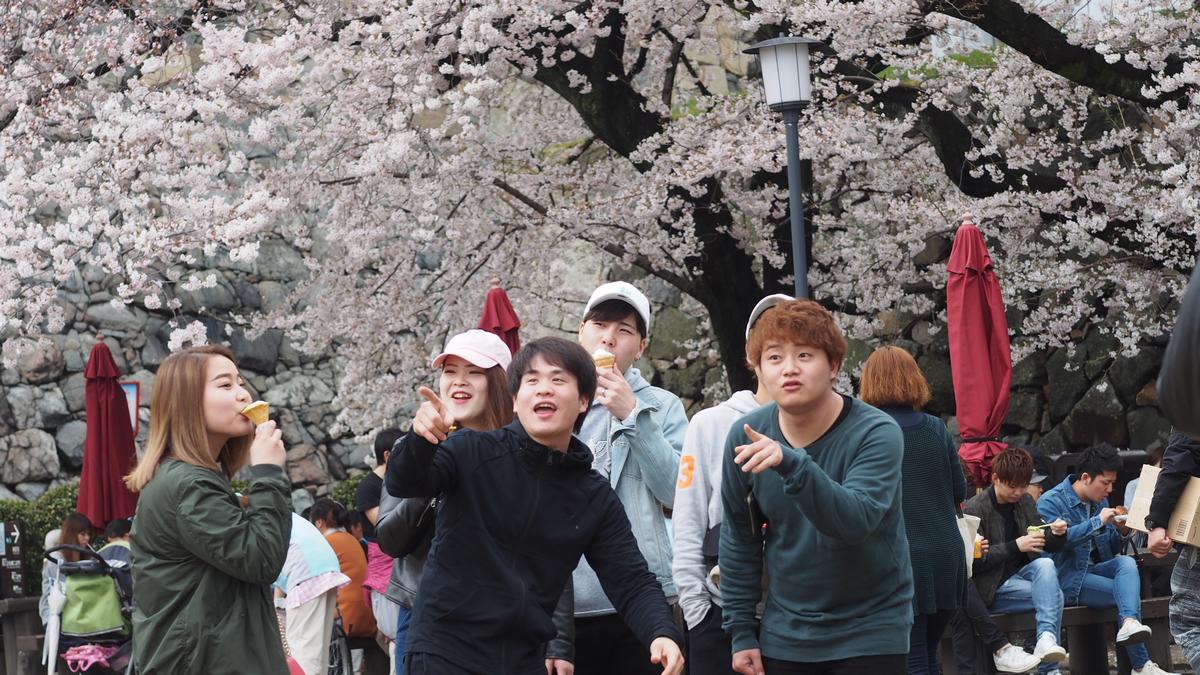
The castle grounds were stunning; with the row of trees next to the Taxi line among the most spectacular blooms I’d seen yet.
Unfortunately, the castle itself was a bit of a disappointment, being completely renovated with modern conveniences such as elevators, and lacks the traditional “feel” compared to other castles such as the one in Himeji.
Nagoya Castle – Chasing the Sakura on the Shinkansen
After an incredible extended stay in Tokyo, my dad and I
checked out of the Hyatt Regency Tokyo and began our long journey aboard the
Shinkansen (Japanese bullet train) to Fukuoka with stops in Nagoya and Kobe.
For those unfamiliar with the Japan Rail Pass, the pass
grants pass holders unlimited train travel on Japan Railway lines for one to
three weeks (depending on the type of pass).
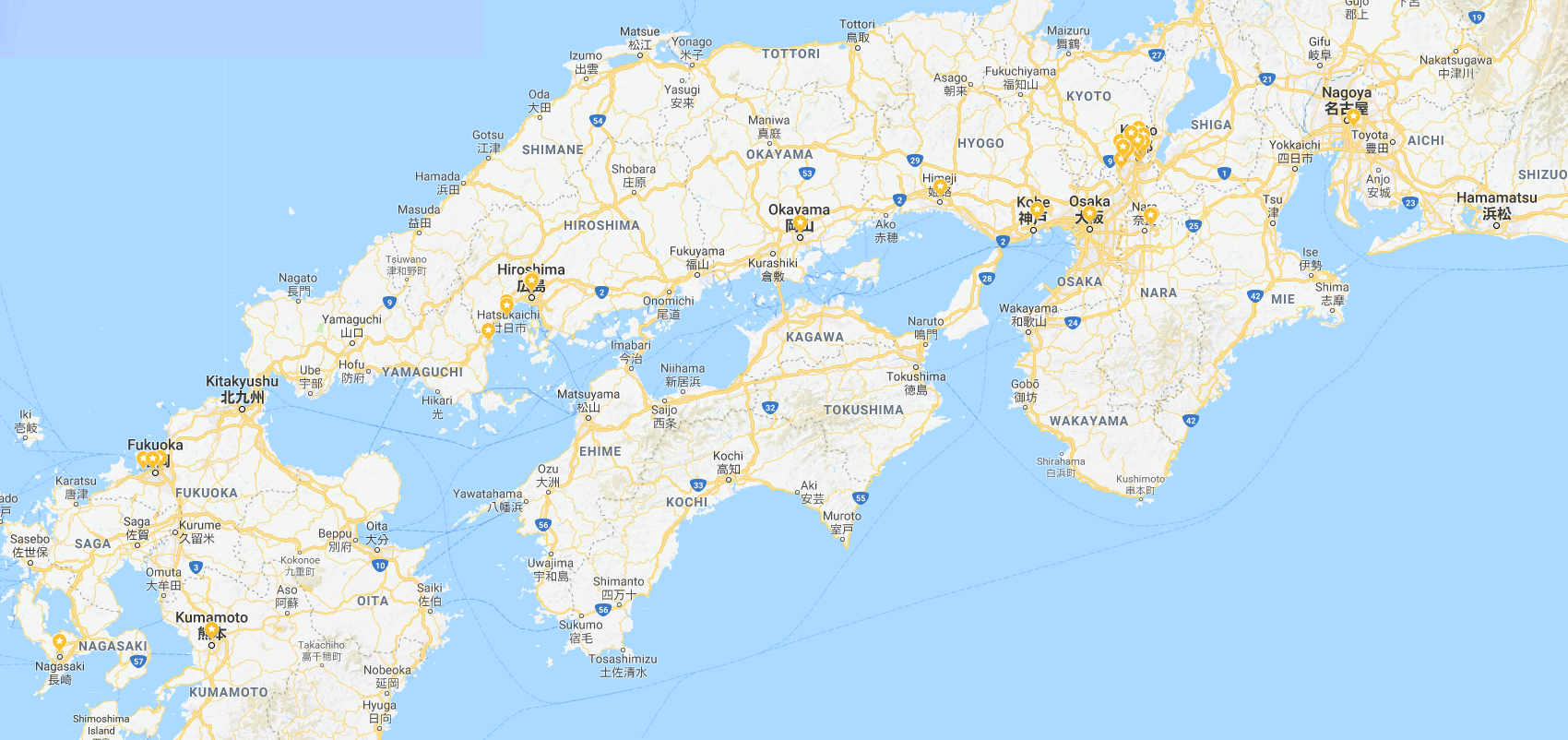
As we knew this would probably be the only time my Dad would
ever get the chance to see the cherry blossoms in Japan, we quickly drew up a
crazy train journey zig-zagging across central and southern Japan.
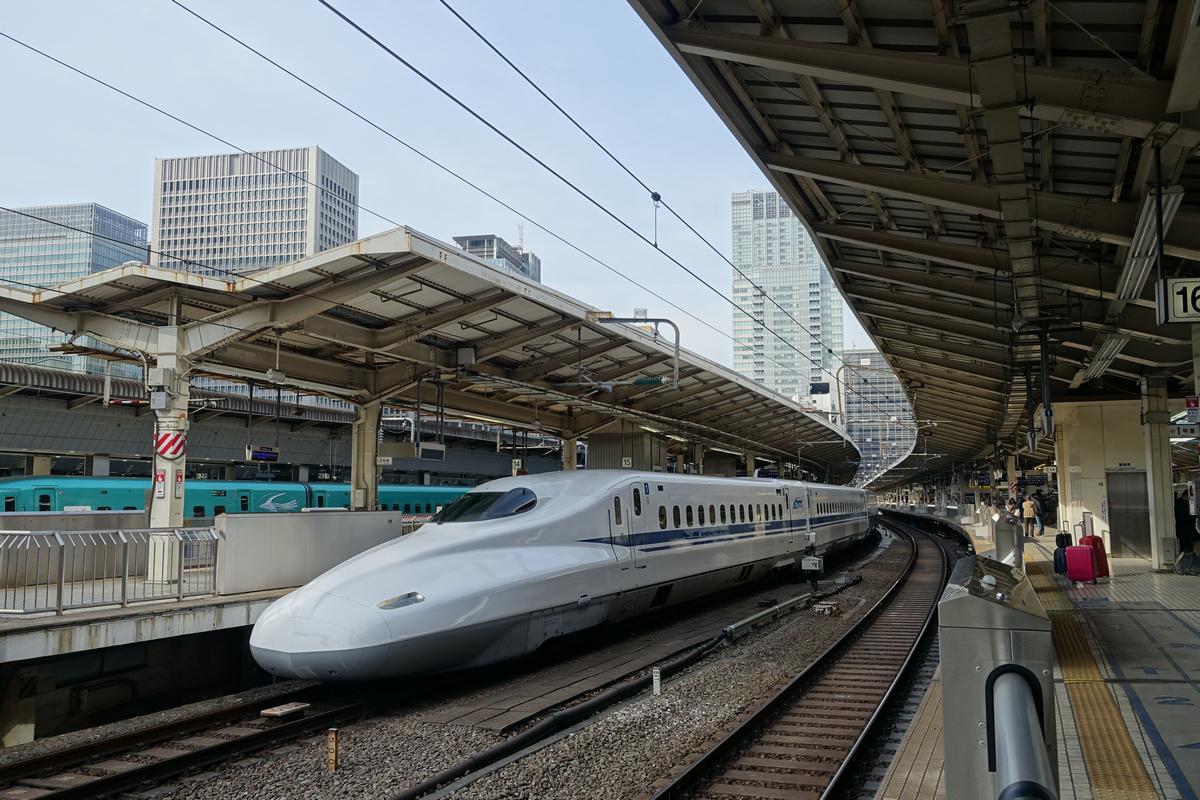
The Shinkansen trains are notoriously punctual, clean, and
comfortable, if not a little tight width wise. If you’re traveling in twos, I’d
highly advise arriving early and reserving seats ending with “D” & “E,”
rather than risk getting stuck with a stranger on the right side of the train.

We had just two and half hours to explore the city and
headed straight to Nagoya Castle.
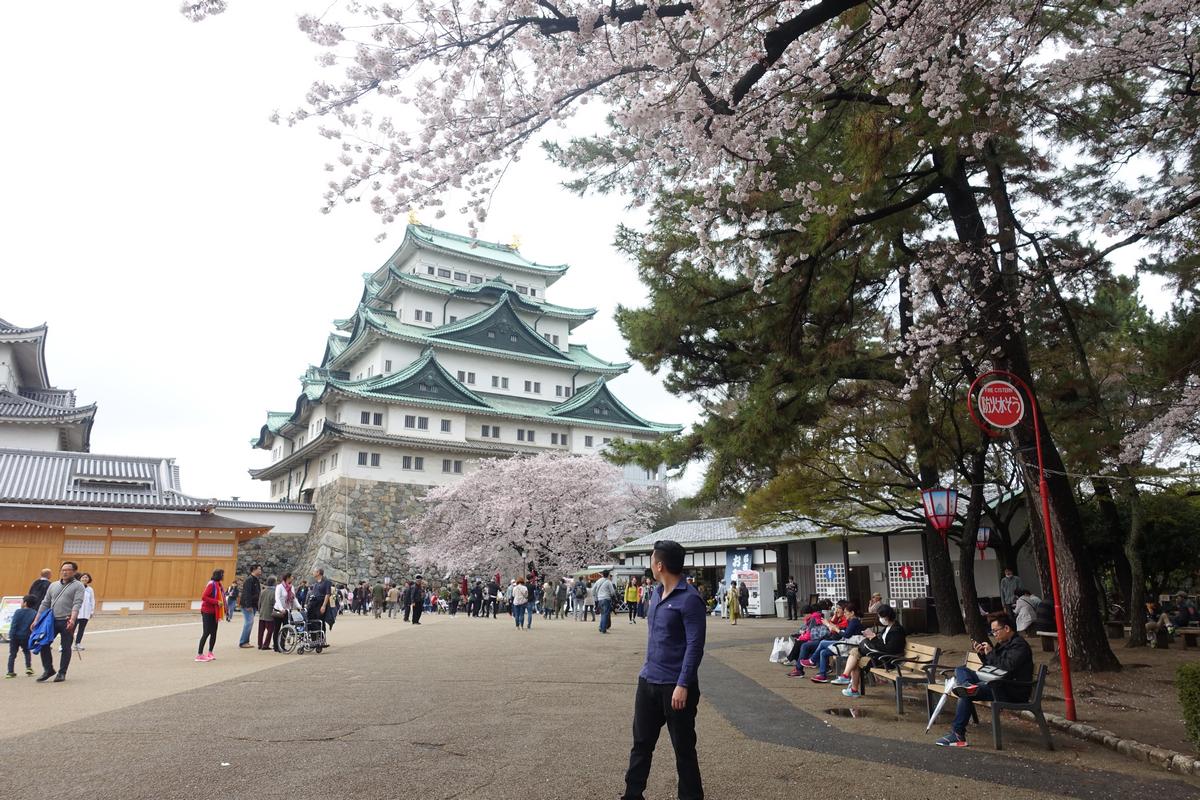
Along the way, we spotted numerous types of Sakura trees in
full bloom.

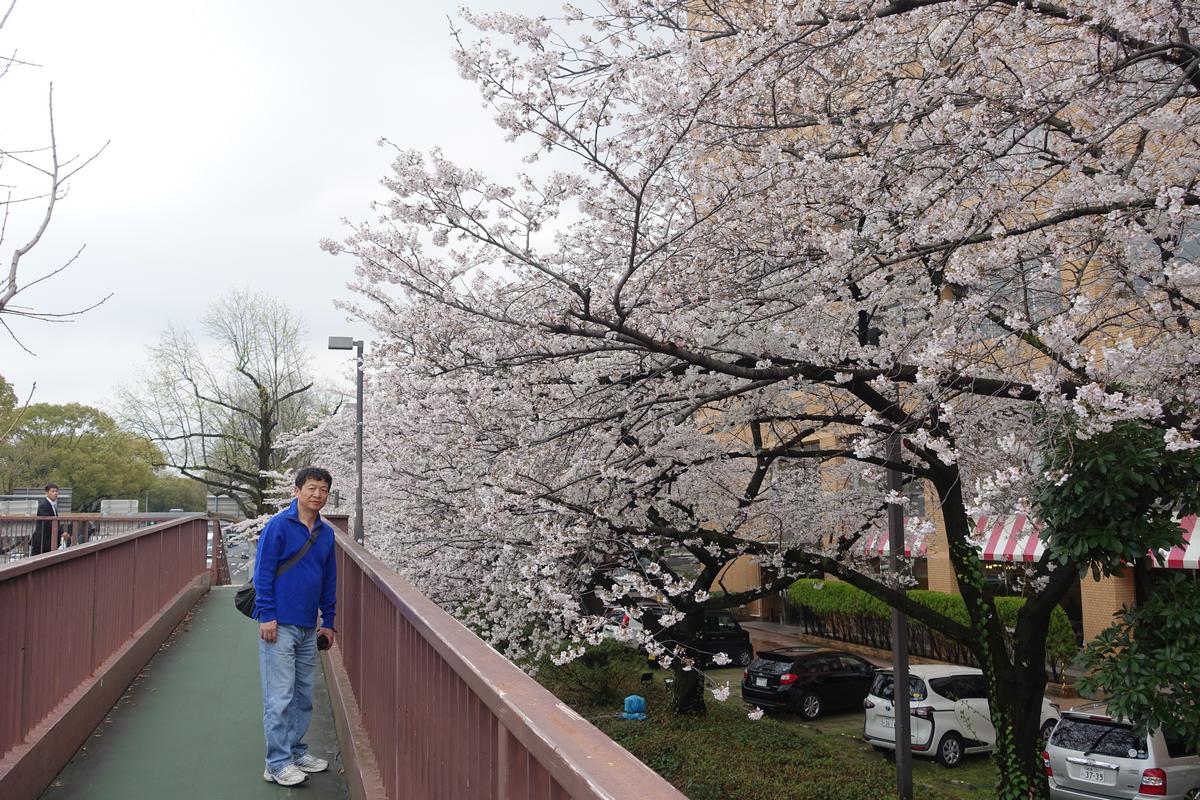
The castle grounds were stunning; with the row of trees next
to the Taxi line among the most spectacular blooms I’d seen yet.

Unfortunately, the castle itself was a bit of a
disappointment, being completely renovated with modern conveniences such as
elevators, and lacks the traditional “feel” compared to other castles such as
the one in Himeji.
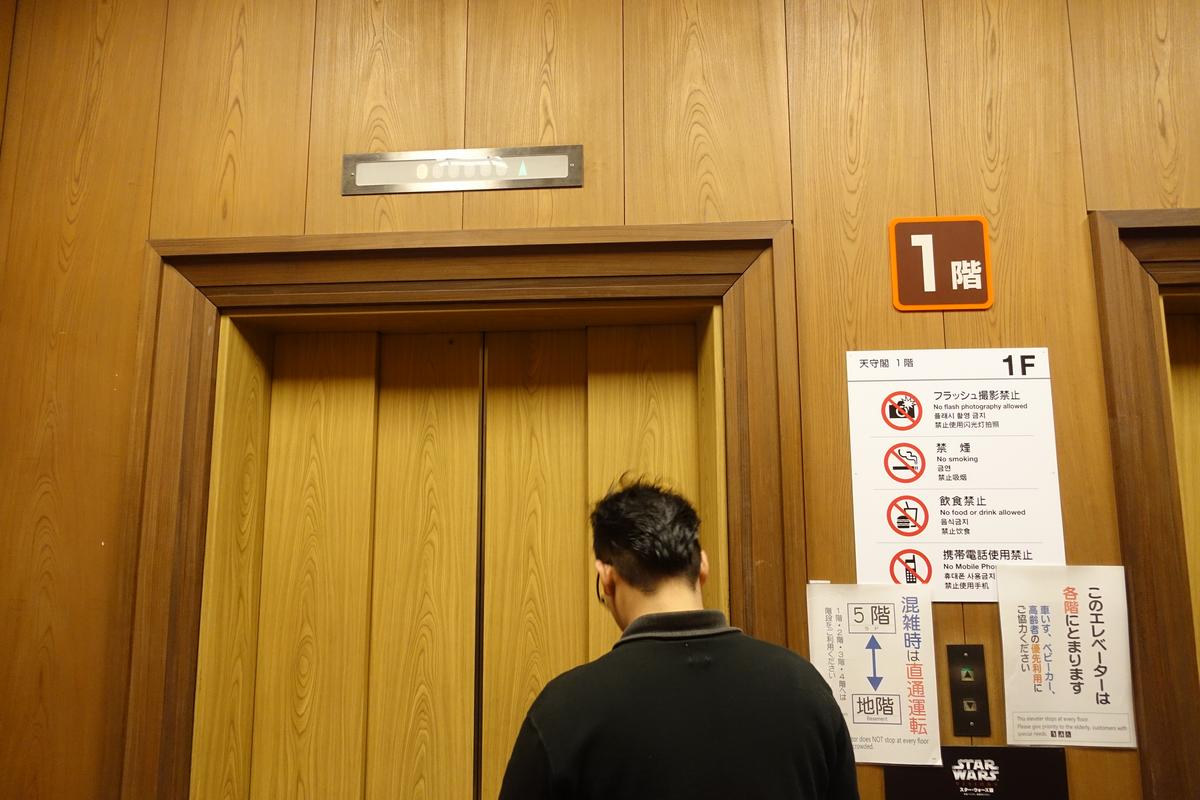

However, the views of the Sakura trees from above made the
500 yen entrance fee palatable, but I’d be hesitant recommending anyone coming
here during the regular season.


After leisurely strolling around, we sprinted back to the
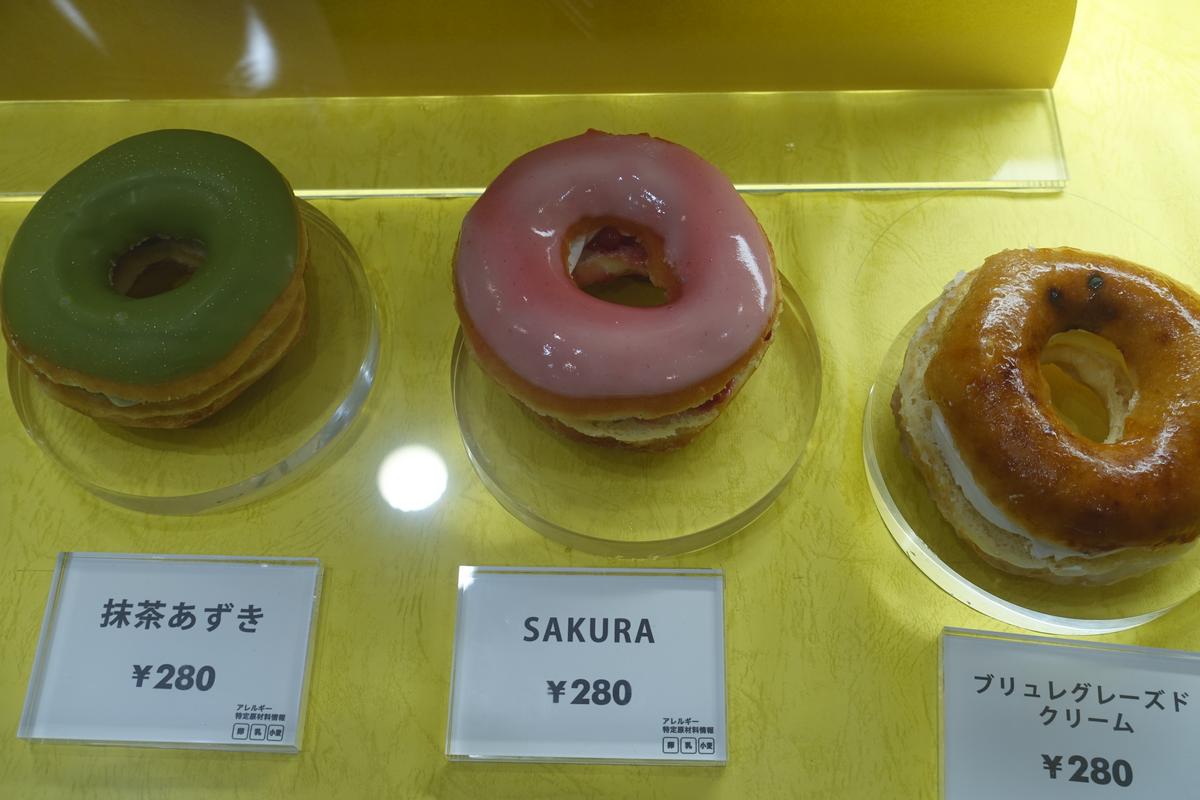
Shinkansen station and headed to Kobe, snacking on some Sakura donuts.