Trip Report: Fushimi Inari Shrine At Night & Cherry Blossoms At Daikakuji Temple
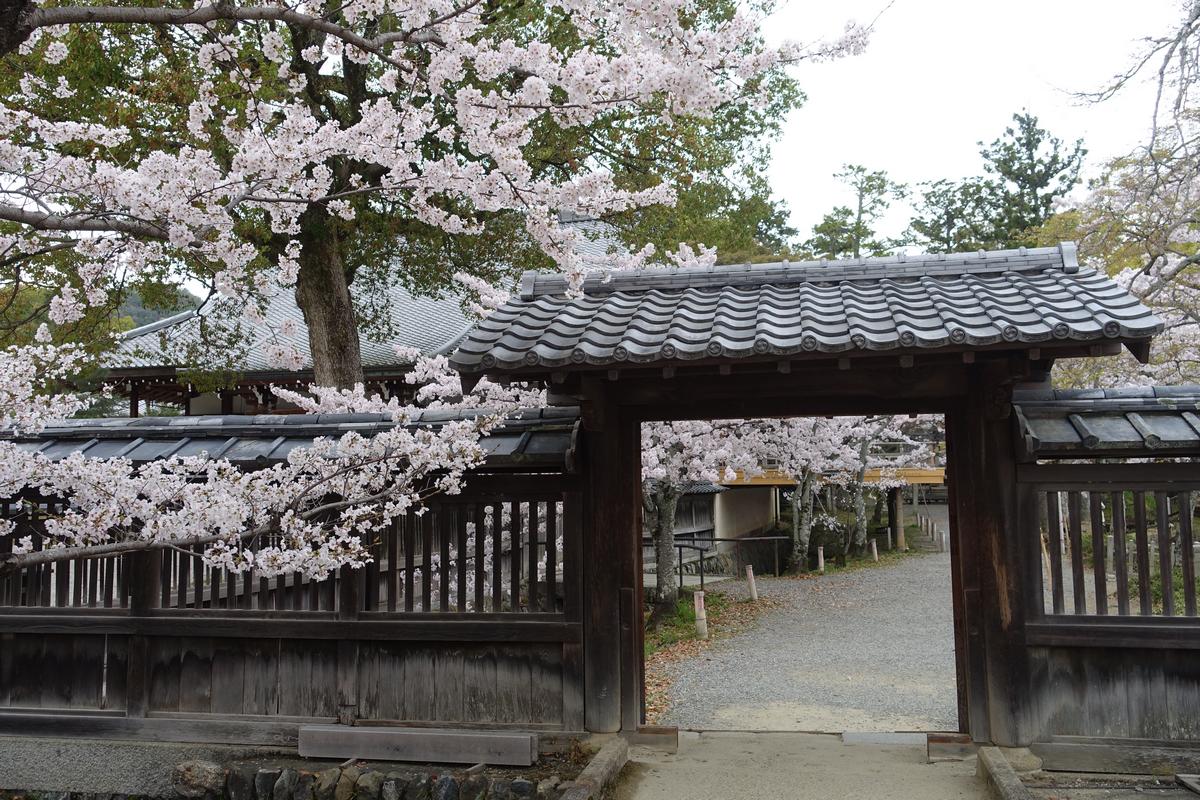
After checking in at the Hyatt Regency Kyoto, we took the local train towards the western part of Kyoto and made our first stop at Daikakuji Temple.
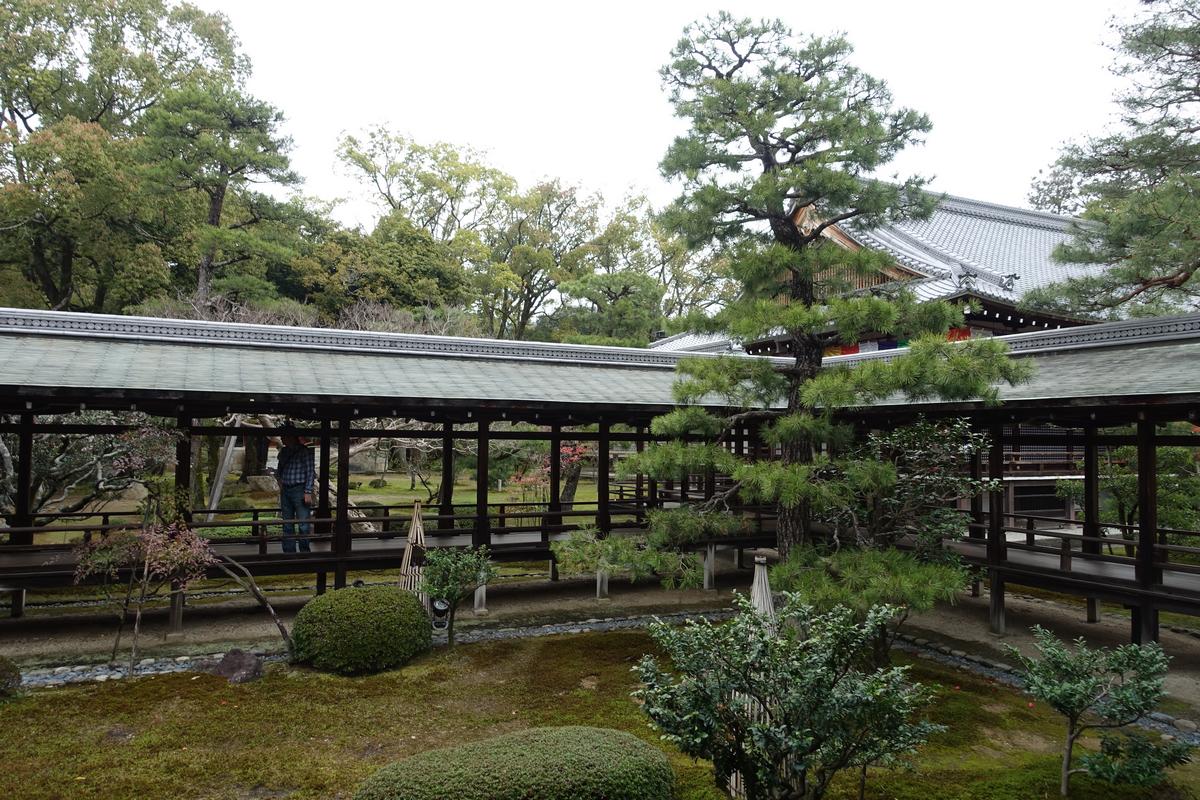
Taking cue from my past experiences visiting tourist hot spots in Japan, we arrived around 45 minutes prior to closing time. As a result, the temple was nearly deserted and we marveled in relative solitude at the ancient elevated wooden walkways connecting the various buildings.
Visiting Fushimi Inari Shrine at Night & Cherry Blossoms at Daikakuji Temple
After checking in at the Hyatt Regency Kyoto, we took the local train towards the western part of Kyoto and made our first stop at Daikakuji Temple.
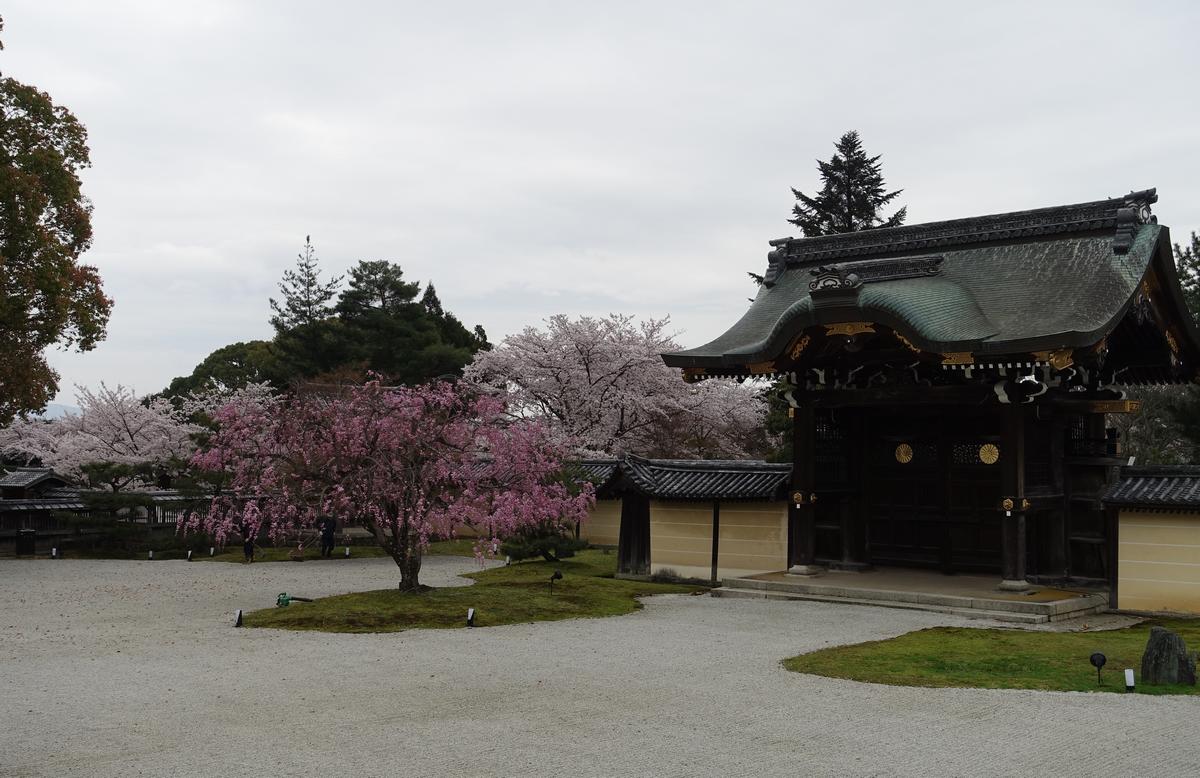
Taking cue from my past experiences visiting tourist hot spots in Japan, we arrived around 45 minutes prior to closing time. As a result, the temple was nearly deserted and we marveled in relative solitude at the ancient elevated wooden walkways connecting the various buildings.
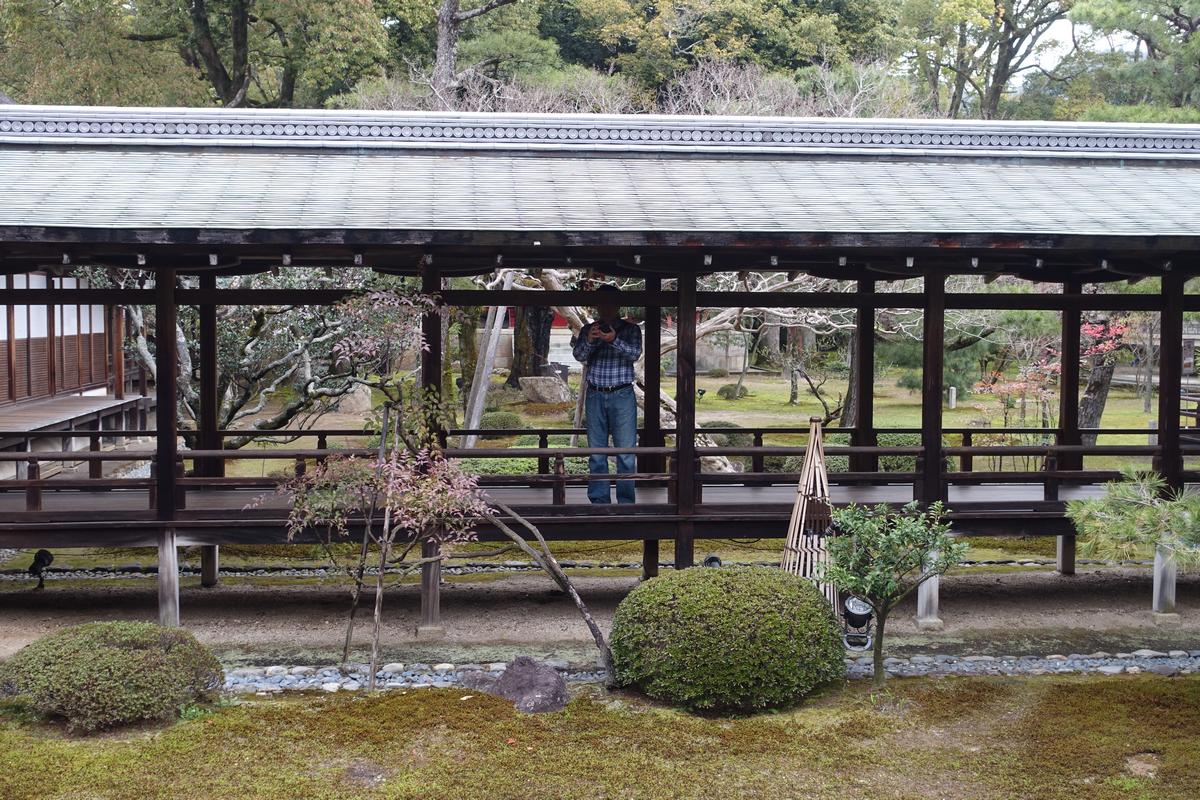
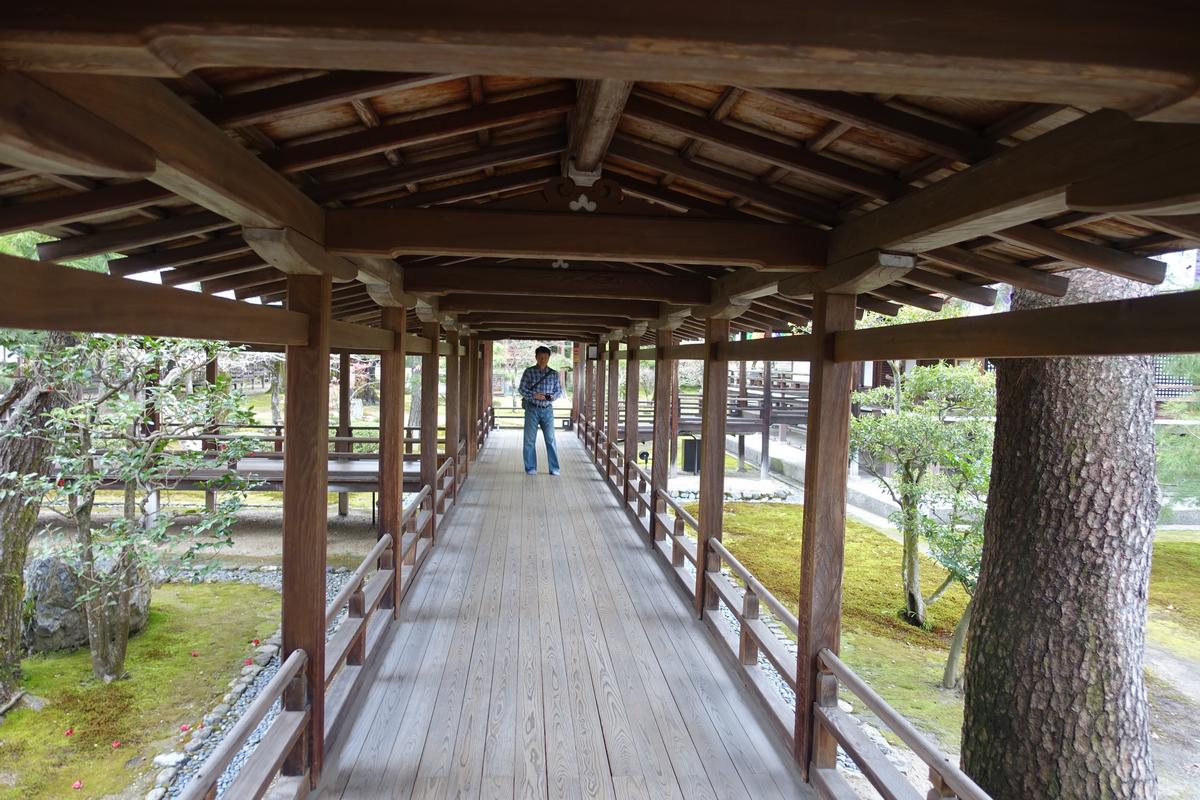
Truly we felt like we were in ancient Japan.
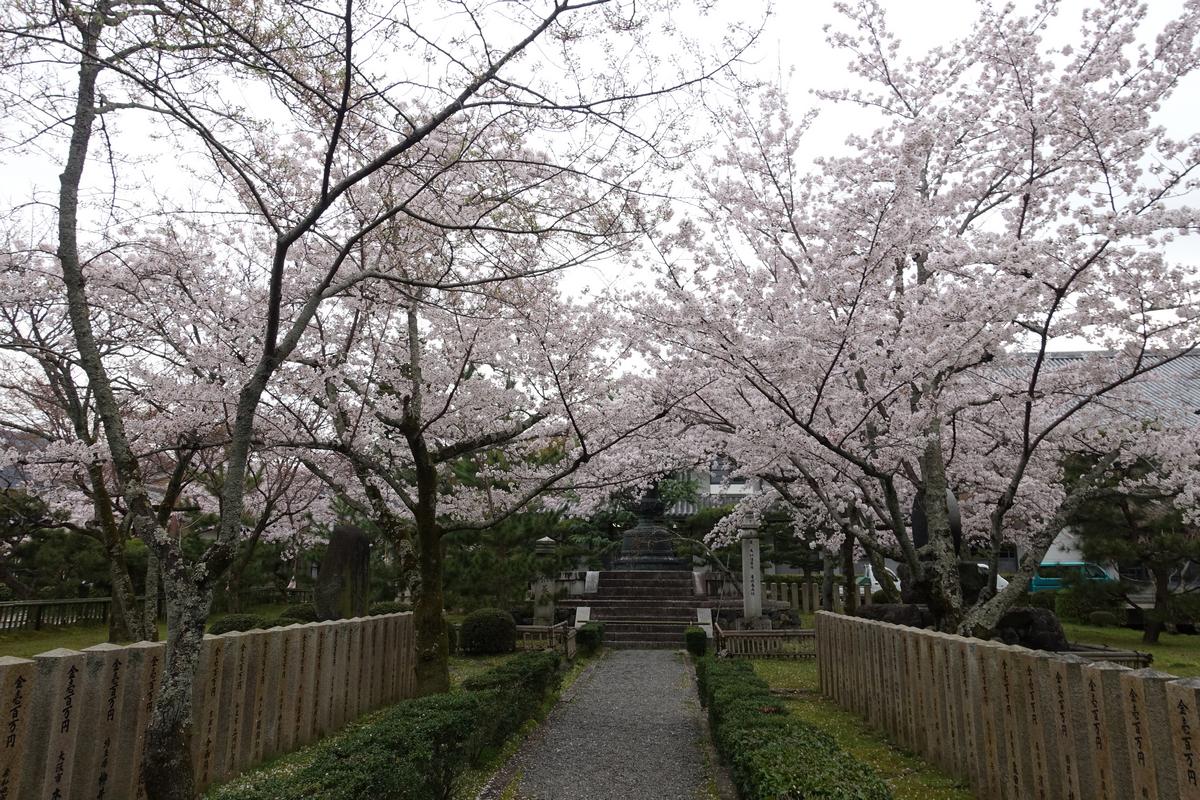
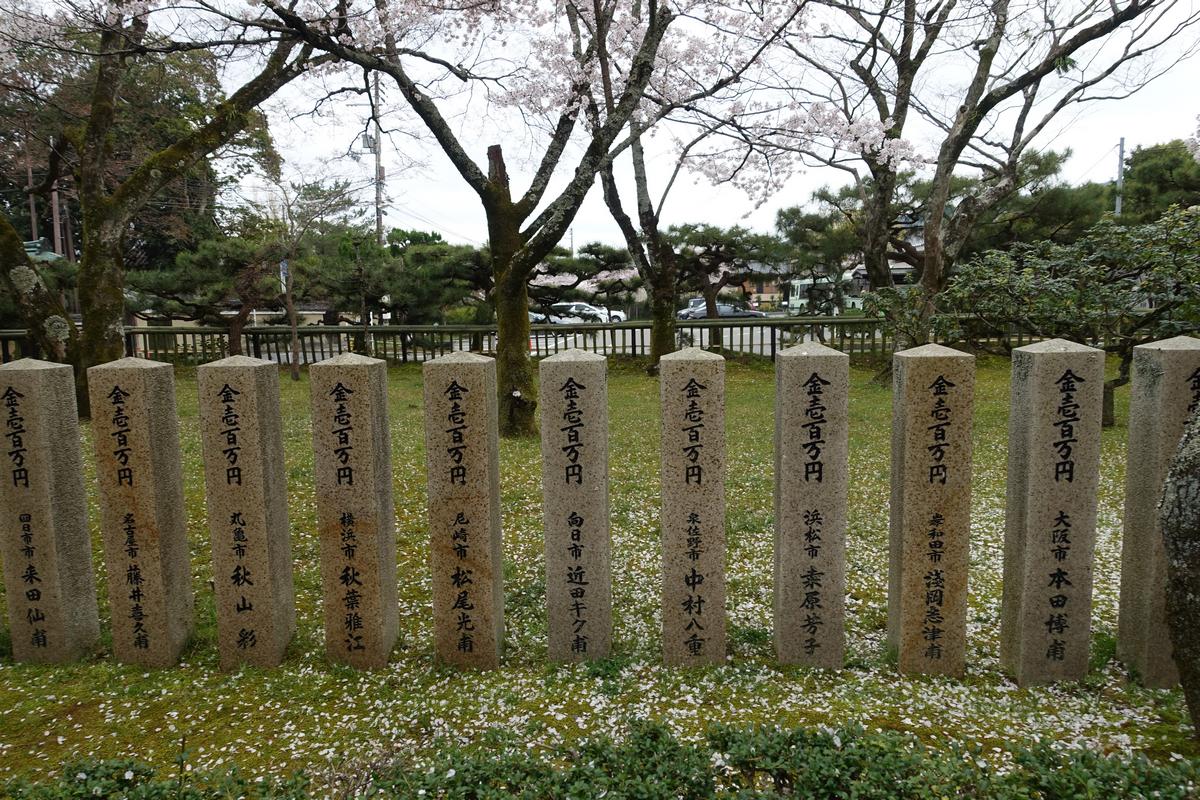
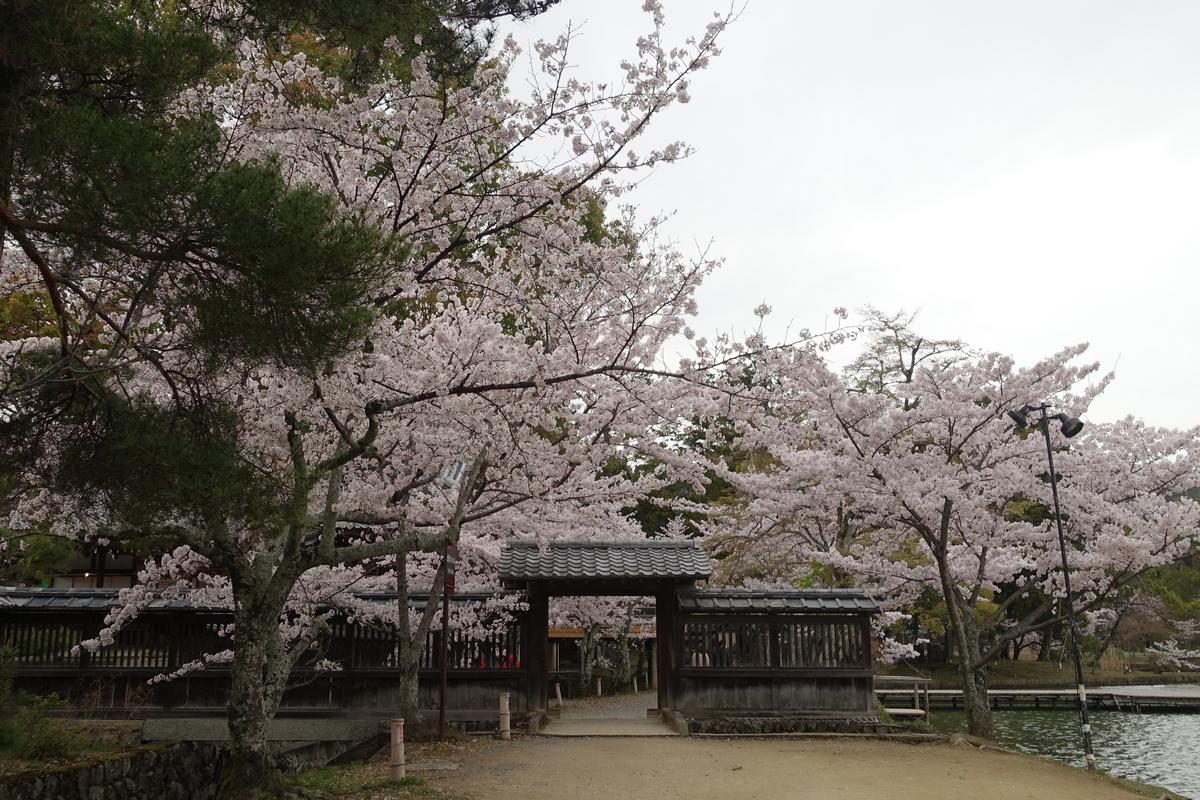
In front of Daikakuji Temple is a small graveyard, where cherry blossom petals from perfectly placed Sakura trees fall gracefully on top of graves honoring the deceased.
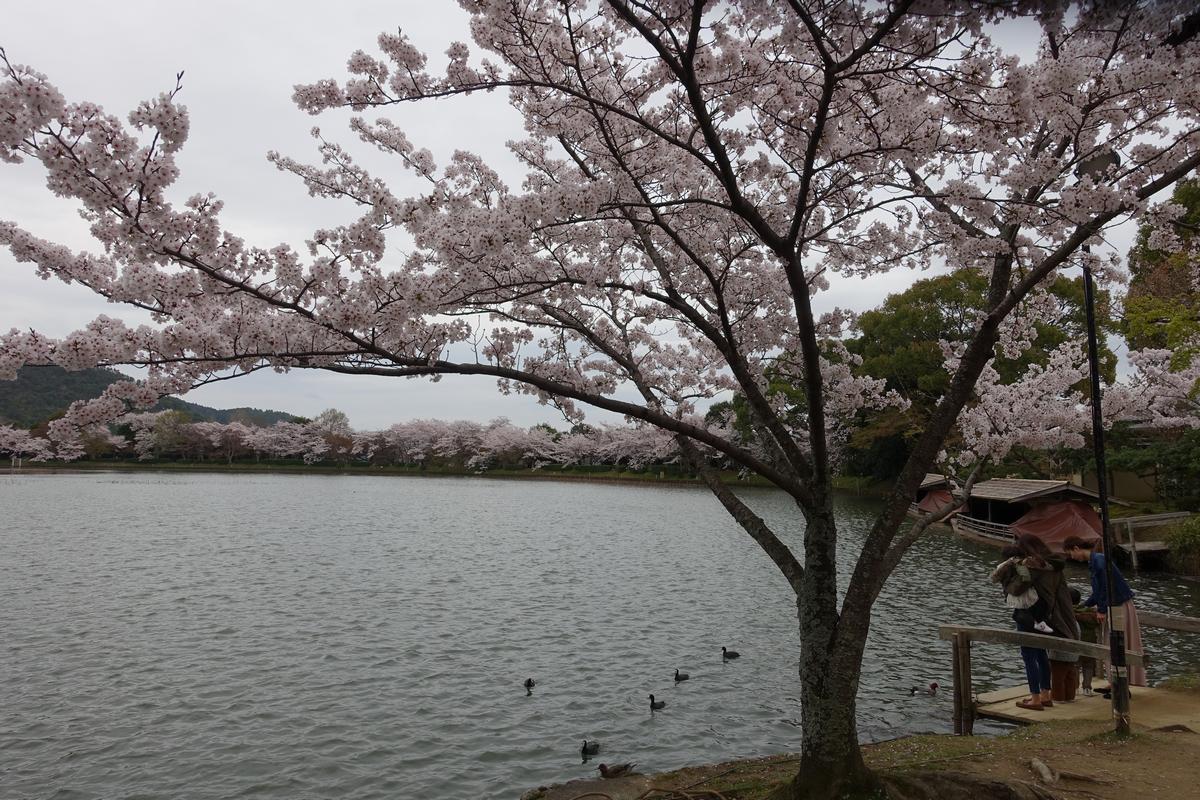
Next to the temple was the Osawa pond, which looked absolutely stunning during the peak mankai bloom.
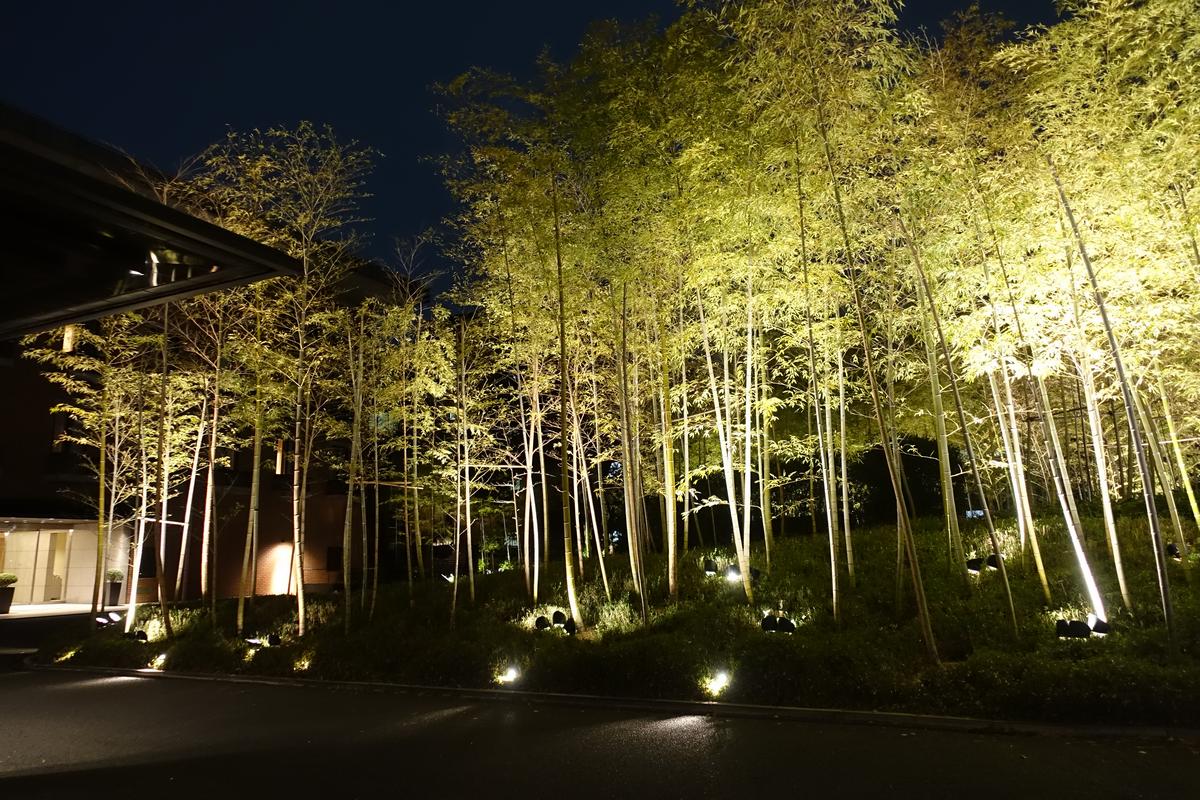
As the sun began to set on horizon, we headed to the world famous Arashiyama bamboo forest.
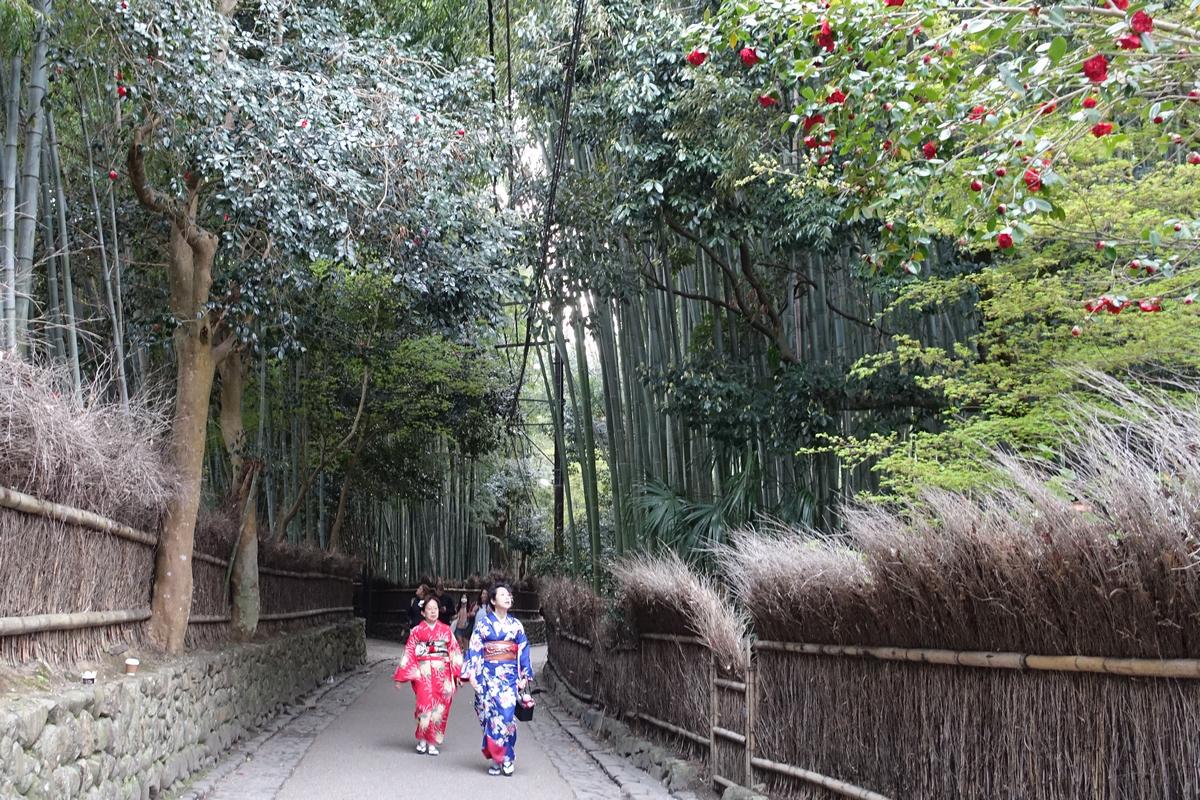
The eerily sounds of the bamboo stalks rustling in the slight wind breeze was simply mystifying, and we found ourselves spending a bit longer than planned in this enchanting forest.
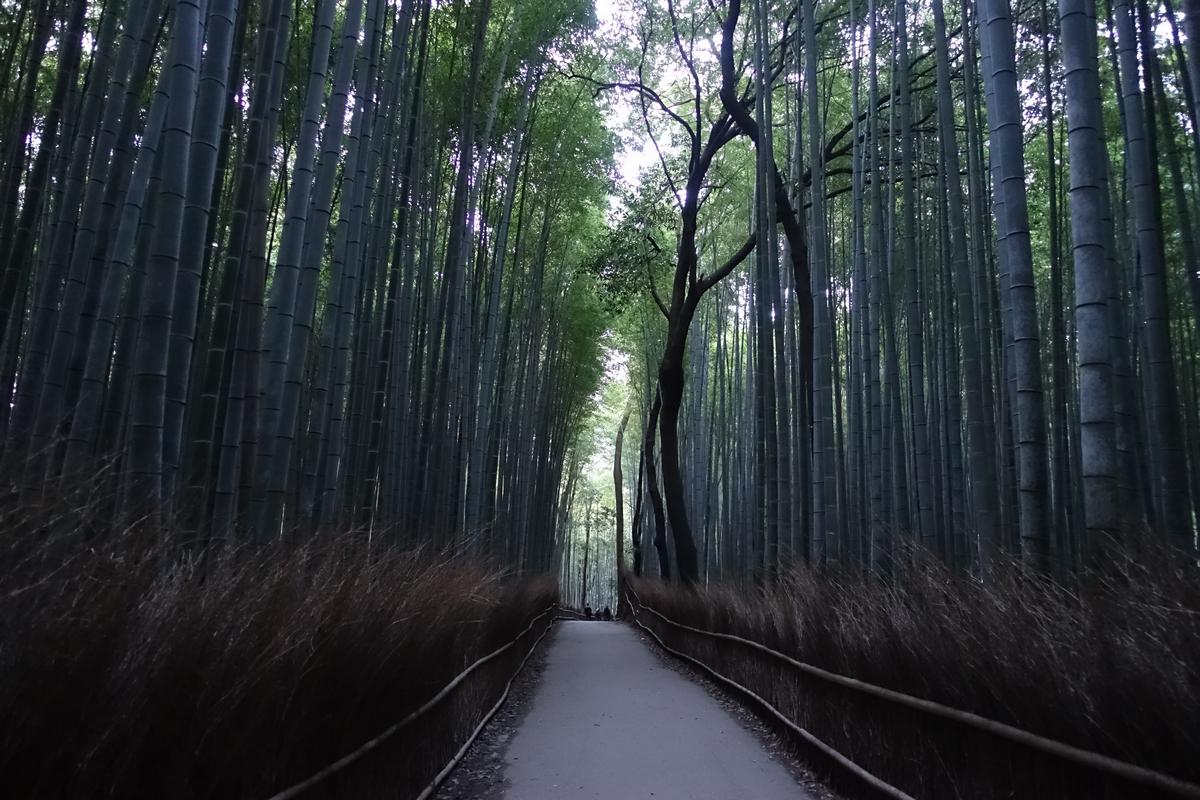
Do know that the bamboo forest is unlit, and we barely made it outside as the last rays of dusk were disappearing.
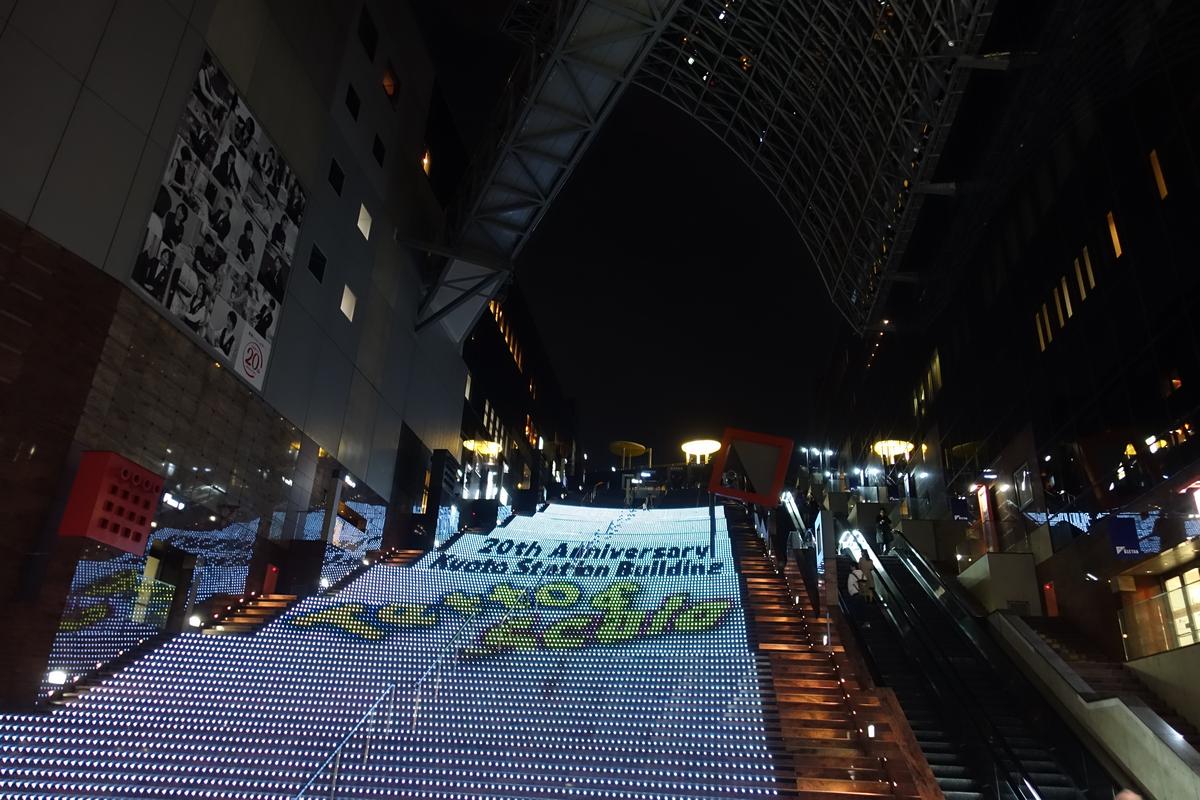
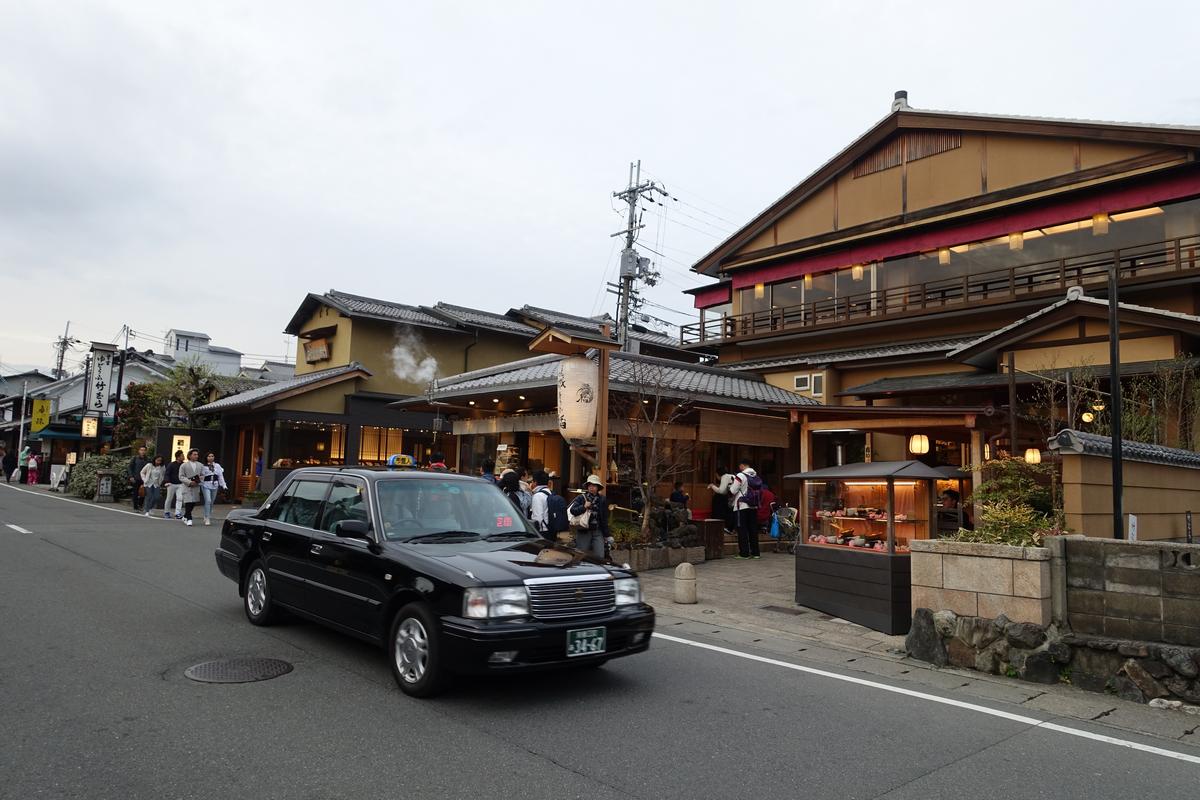
Afterwards, we headed back towards the main tourist area of Arashiyama, which was deserted.
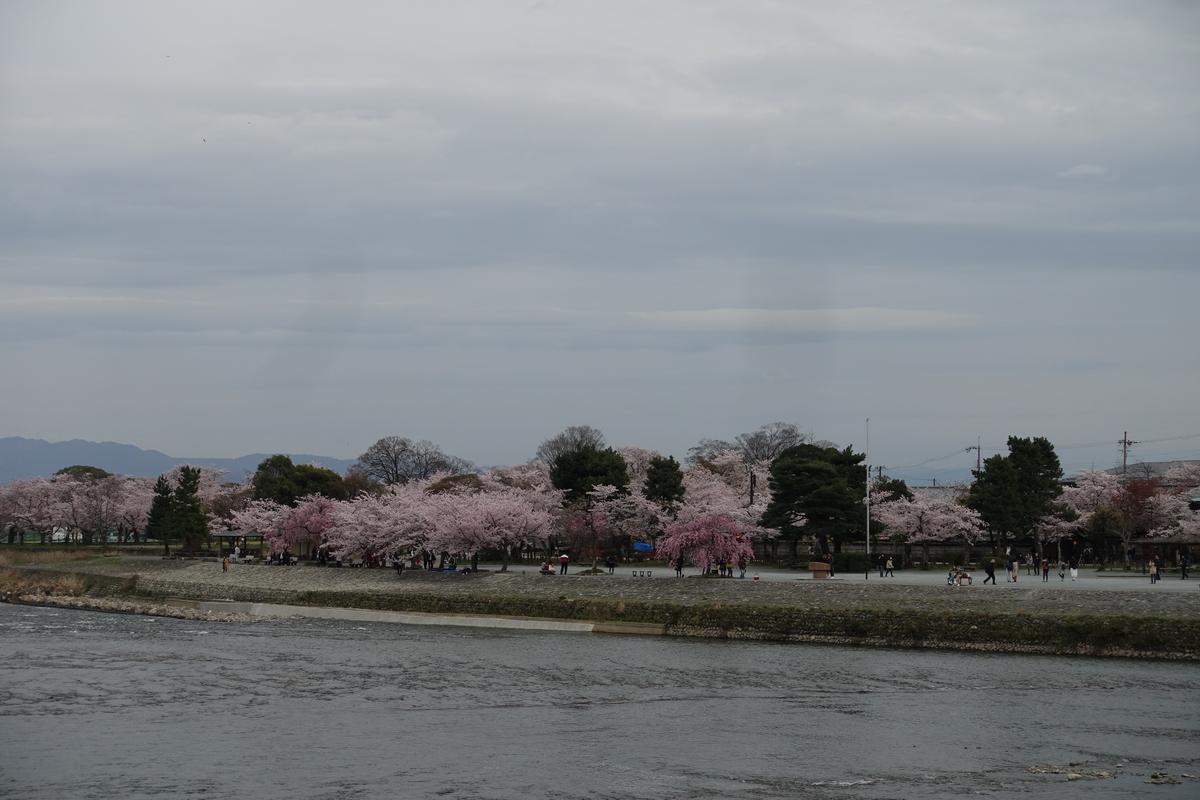
Across the river banks, a grove of sakura trees were in full bloom, but due to nightfall we were unable to explore further.
Afterward, we headed back to the Hyatt Regency for a quick break before heading to the Fushimi Inari Shrine, made famous by a rather potent scene in the movie Memories of Geisha.
As local tradition states that the ancestor ghost spirits come out from the tori gates at night, it was no surprise we pretty much had the shrine all to ourselves.
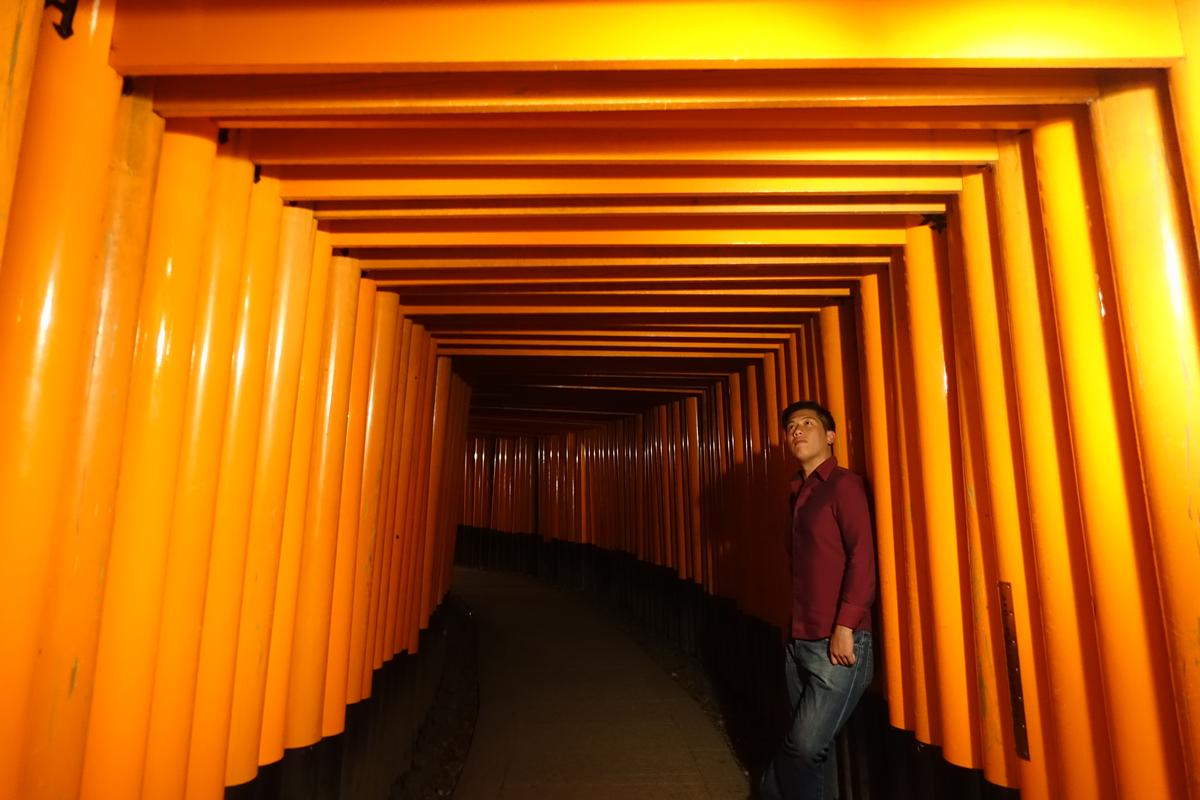
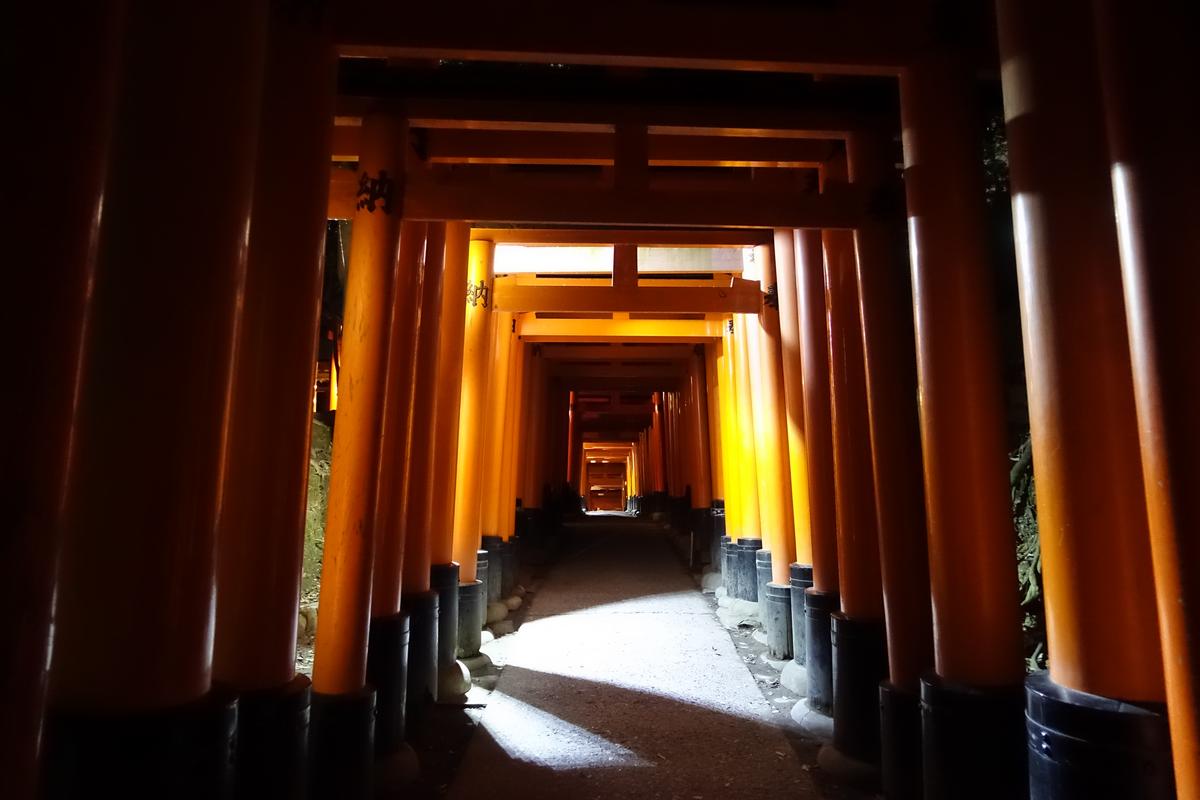
Thankfully, spotlights are attached to a few gates, and I found walking under the empty torii shrine to be a complete 180 during the daytime.
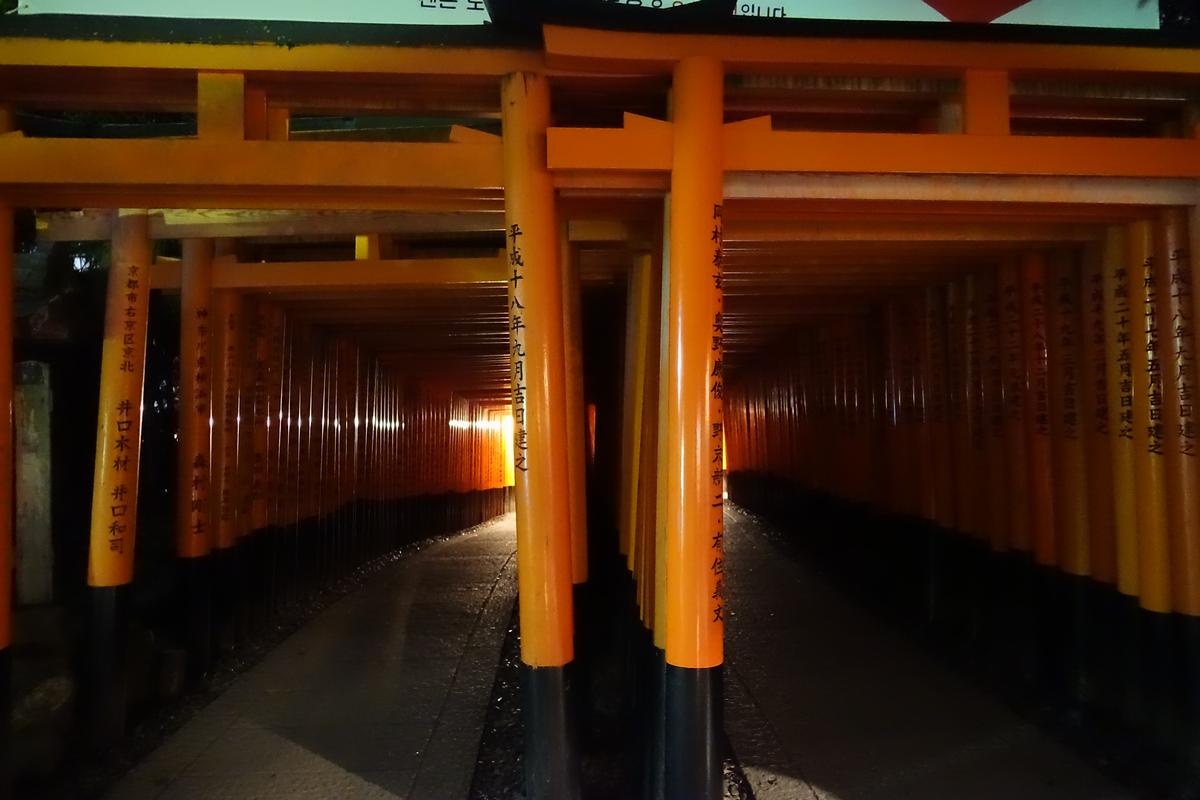
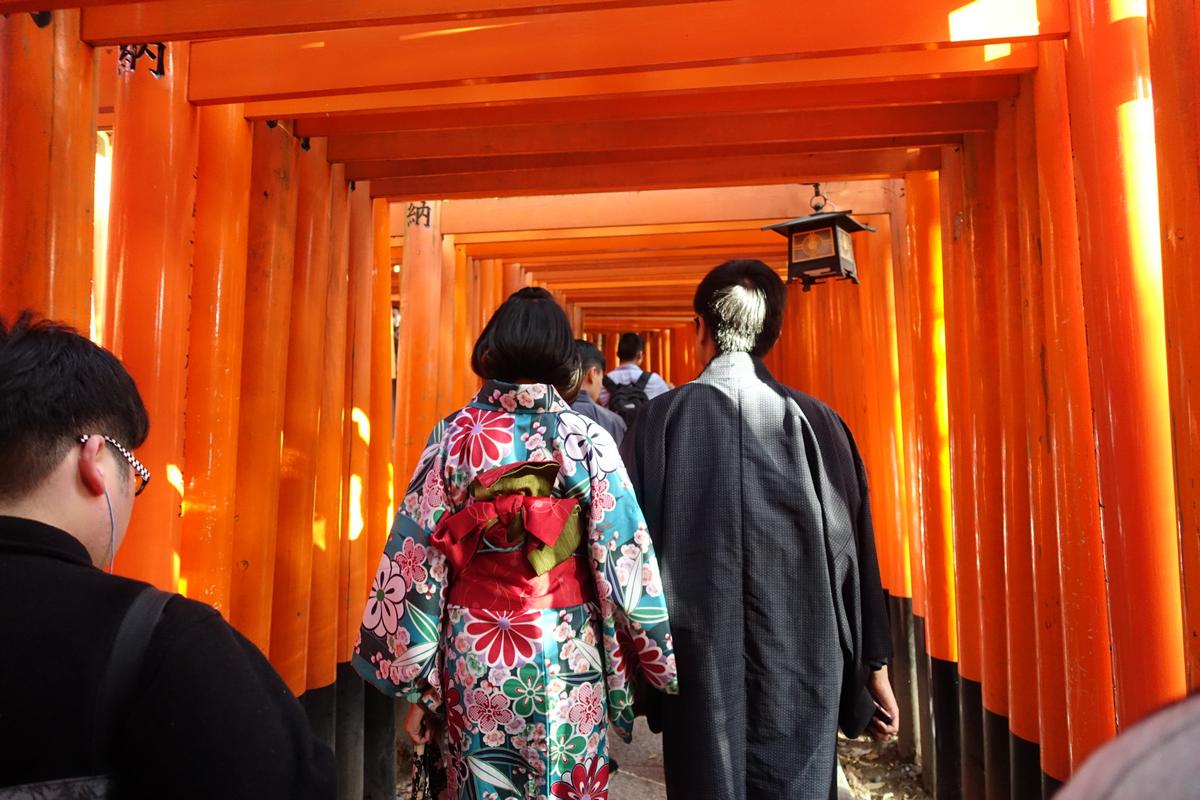
Crowded during the daytime
Do note that besides one lone Sakura tree, you’d be hard-pressed to find any evidence that Kyoto was in the middle of Mankai.
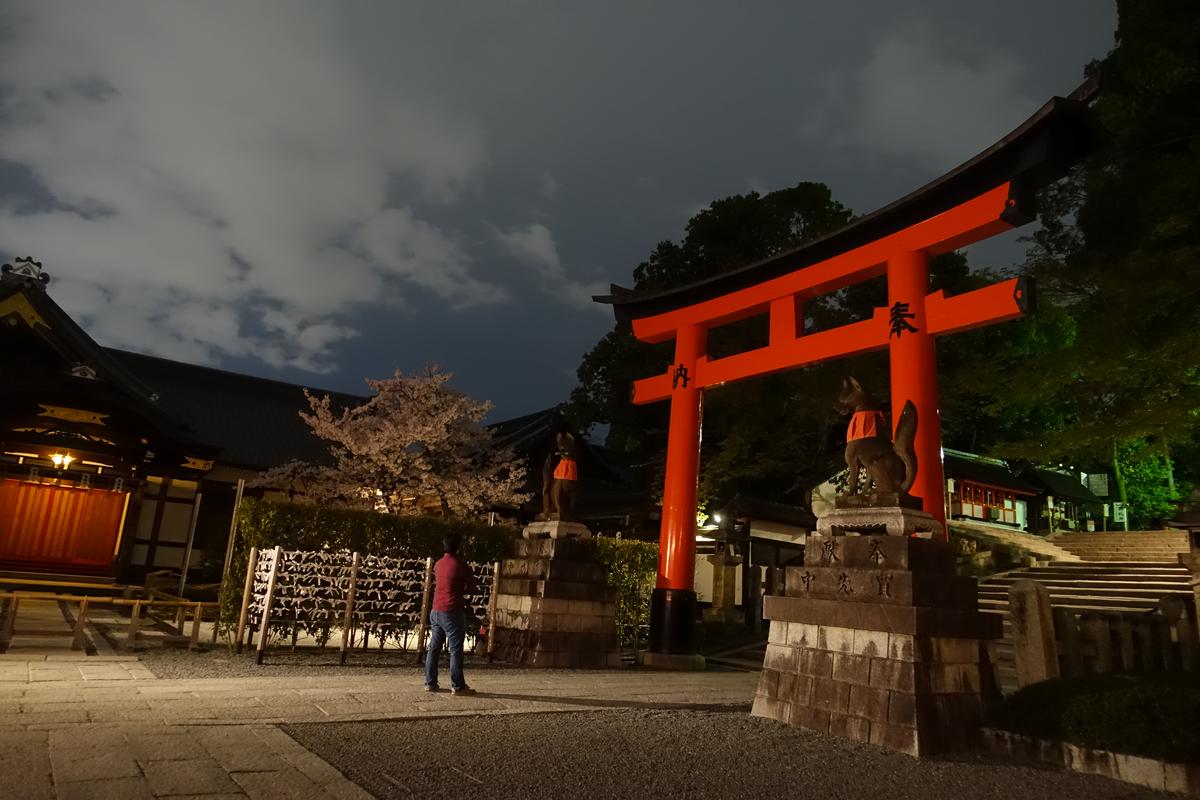
We then took the short train ride back to the hotel and promptly fell asleep after another whirlwind day of touring.
Trip Report: Hyatt Regency Kyoto & Meeting a Maiko (Geisha Apprentice)
After visiting Himeji castle, we headed onwards to Kyoto, by far the most popular tourist destination in Japan, particularly during the cherry blossom season. Upon arriving at the Hyatt Regency Kyoto, the bellboy assisted with our luggage, and we walked into a beautifully designed lobby that relies heavily on Japanese contemporary elements.
Hyatt Regency Kyoto & Meeting a Maiko (Geisha Apprentice)
After visiting Himeji castle, we headed onwards to Kyoto, by far the most popular tourist destination in Japan, particularly during the cherry blossom season.
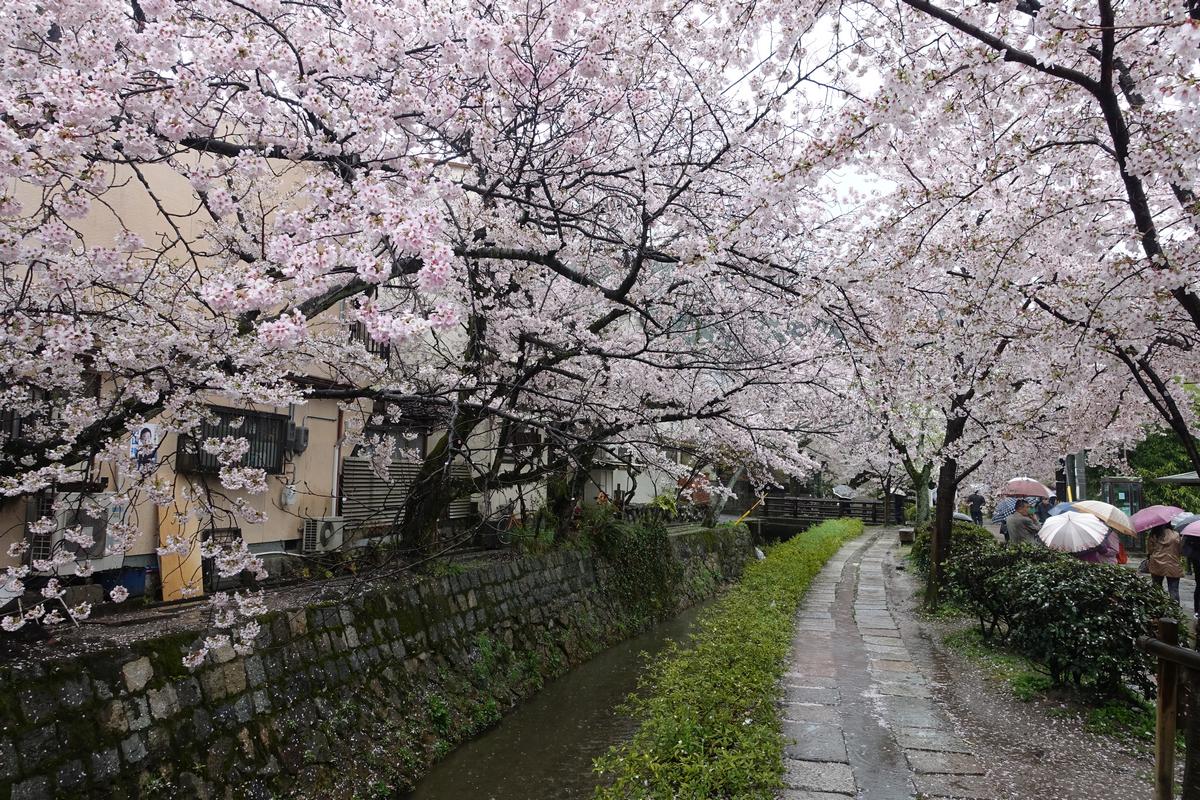
In fact, hotels in Kyoto are frequently booked out months in advance, with the few remaining rooms at five-star hotels going for over $500.
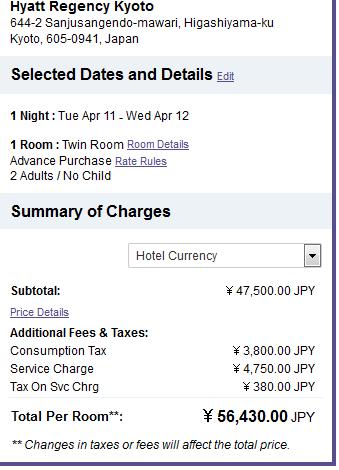
Finding award space at the Hyatt Regency Kyoto was a challenge, to say the least with award space nonexistent during the entire Sakura season.
However, around a week before our arrival, award space for two nights suddenly became available and subsequently, a third night opened up just as we arrived into Kyoto.
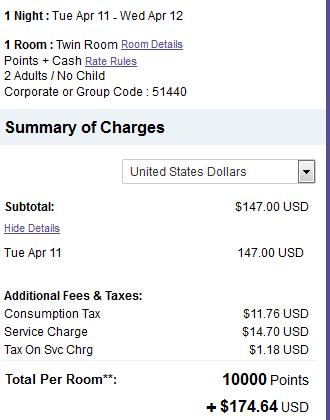
While we may have lucked out, it’s always important to have contingency plans, and since most award reservations can be canceled 48 hours before check-in without any penalty, I had two backup award reservations at the Hyatt Regency Osaka and the Ritz Carlton Tokyo.
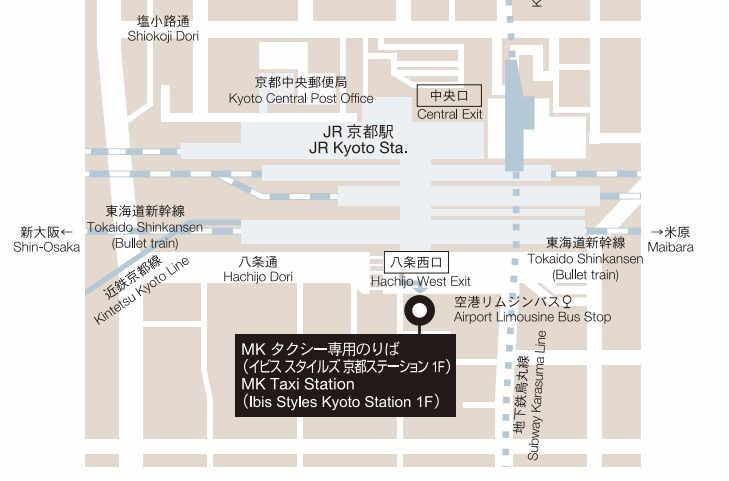
One of the neat perks that guests at the Hyatt Regency Tokyo receive is a complimentary MK taxi ride from Kyoto Station. The taxi stand is a bit hard to find, as you’ll have to exit through the back of the station before finding a non-descript building.
Upon arriving at the hotel, the bellboy assisted with our luggage, and we walked into a beautifully designed lobby that relies heavily on Japanese contemporary elements.
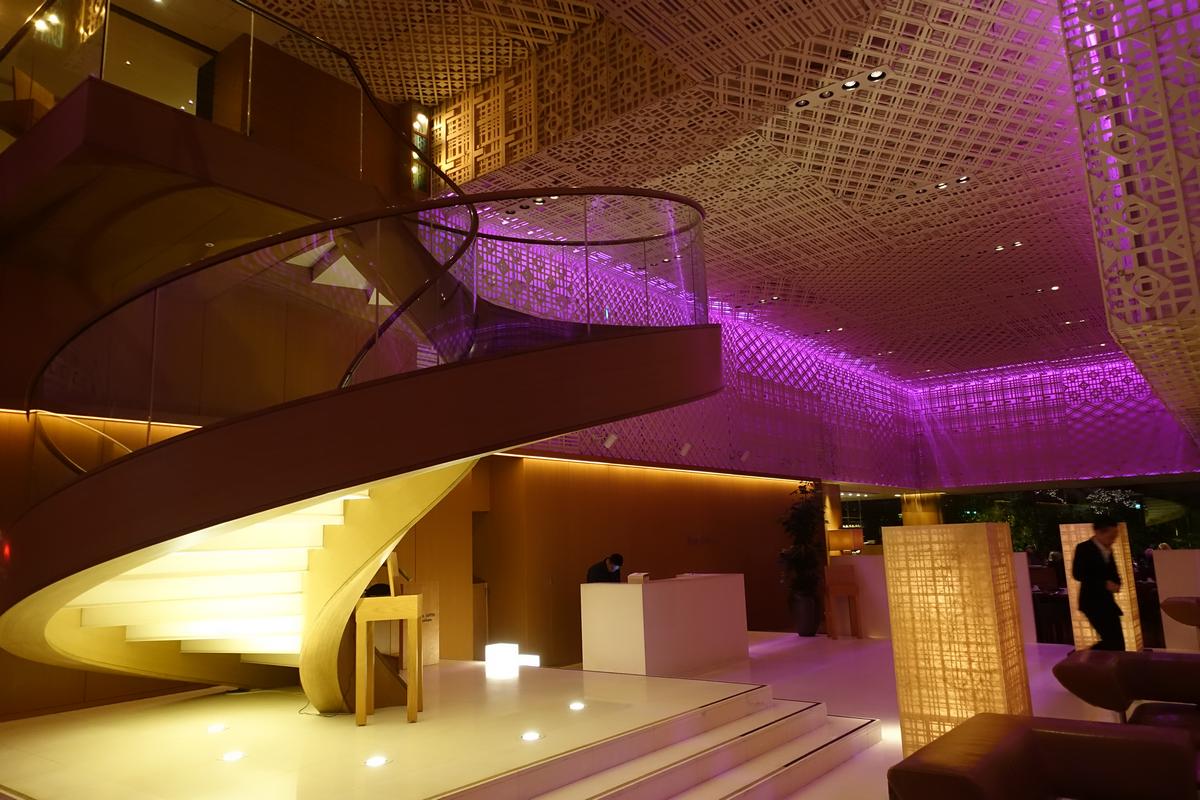
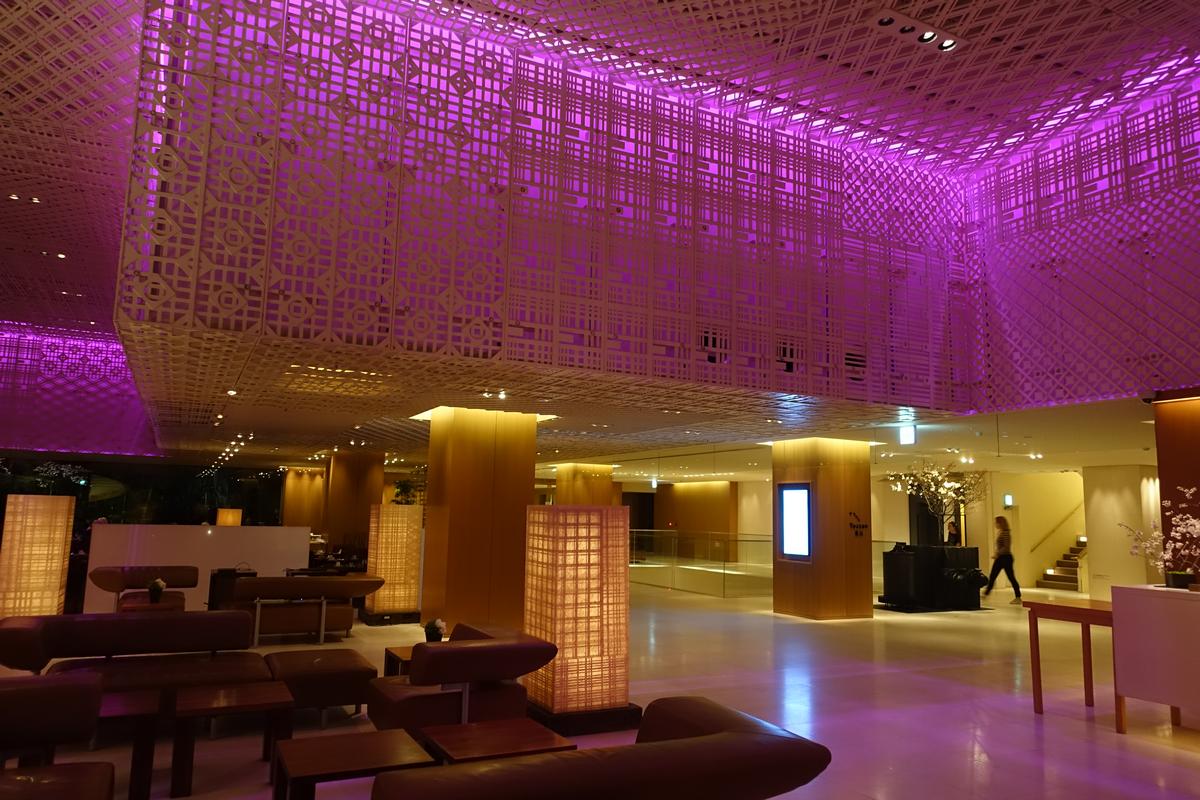
I was warmly greeted by the front desk reception, who gave a run-down of the benefits for Globalists.
Although the hotel is a Hyatt Regency, there is no club lounge. Instead, Globalists are given one complimentary drink per guest each night at the Touzan bar downstairs
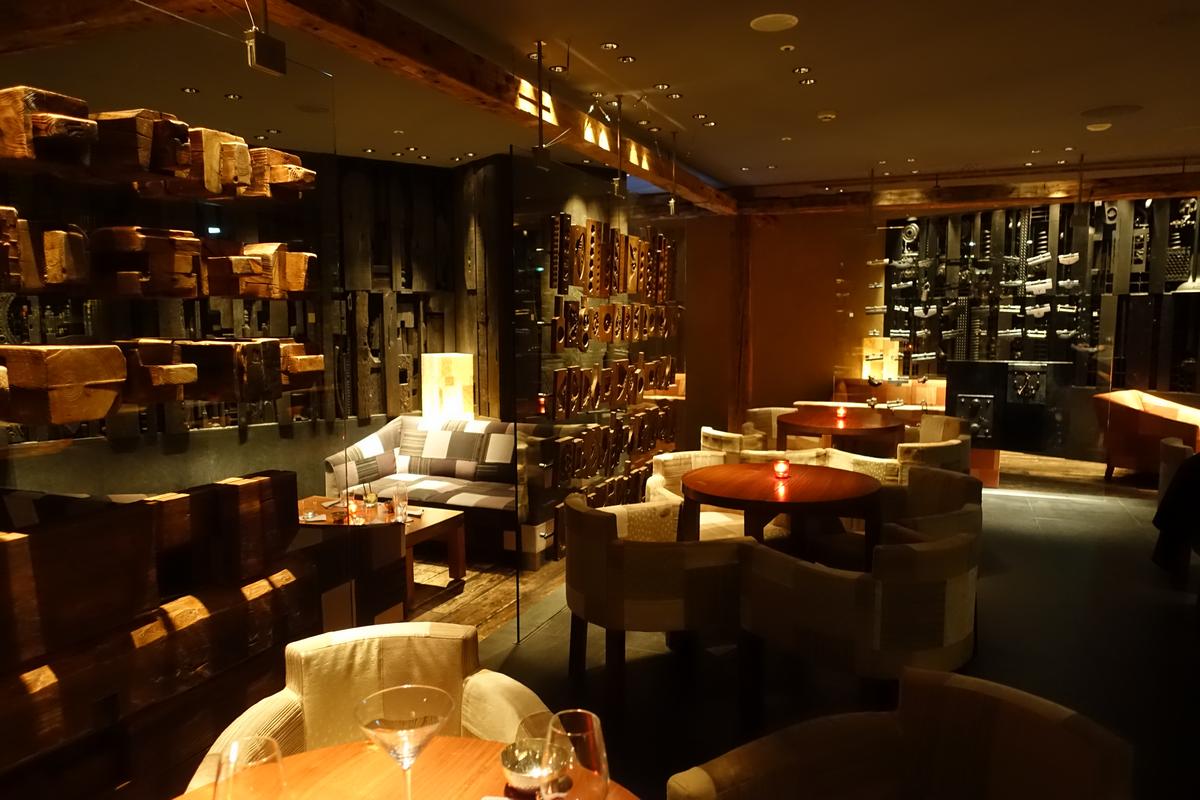
The bar was among the most intricately designed bars I’ve been to in Japan, and is worth a quick visit, even if you don’t drink.
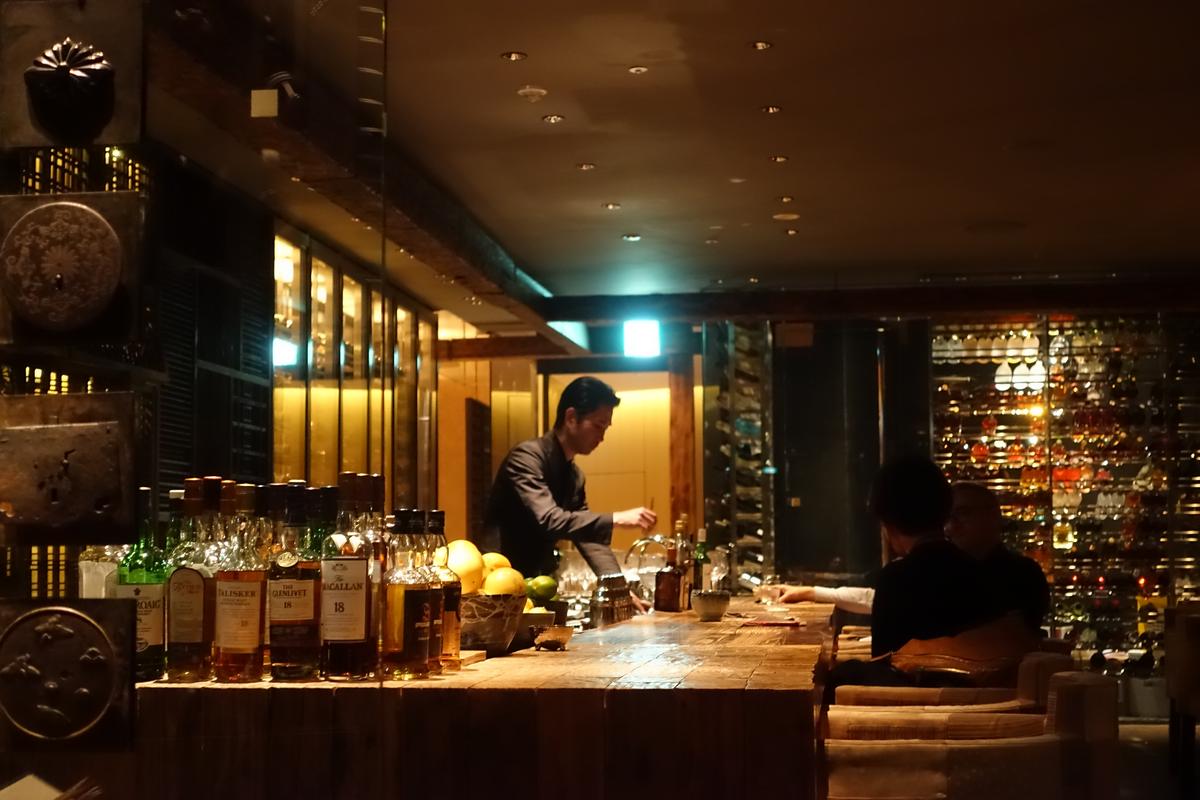
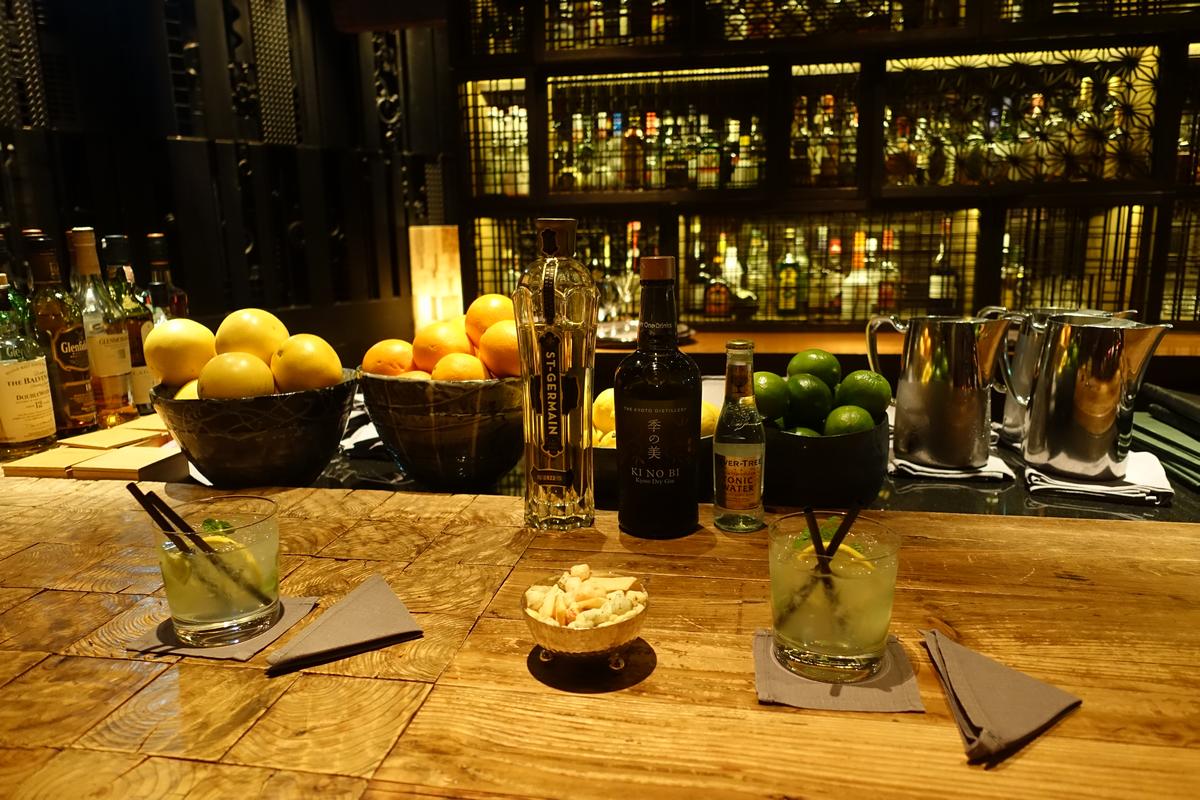
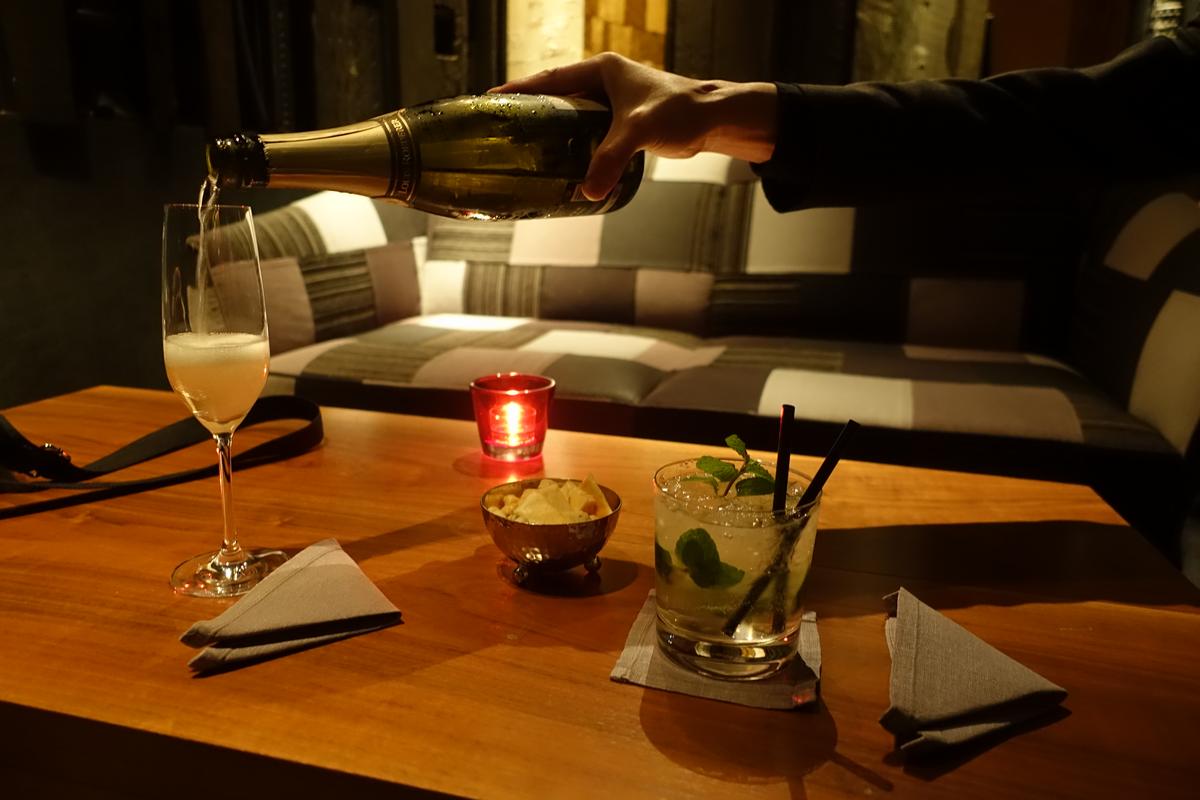
The complimentary Globalist drink includes all standard cocktails including champagne, and each night we tried something different, all of them were stellar.
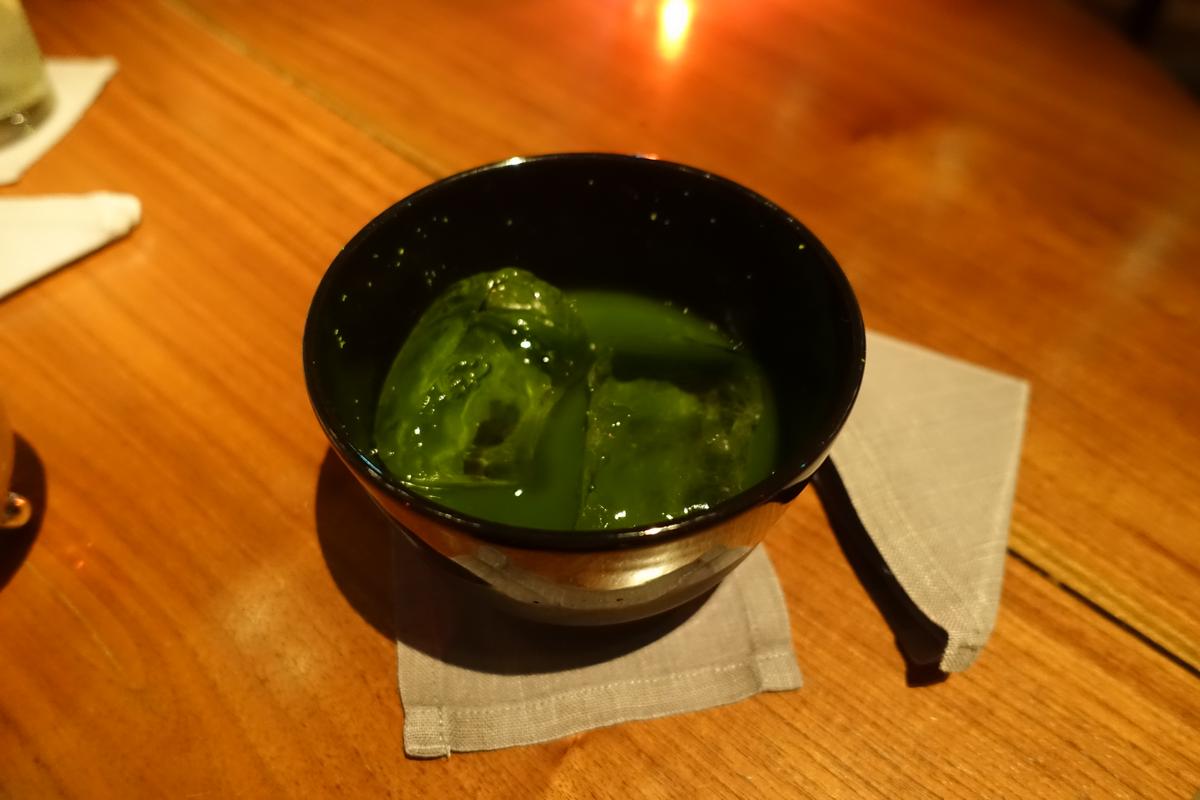
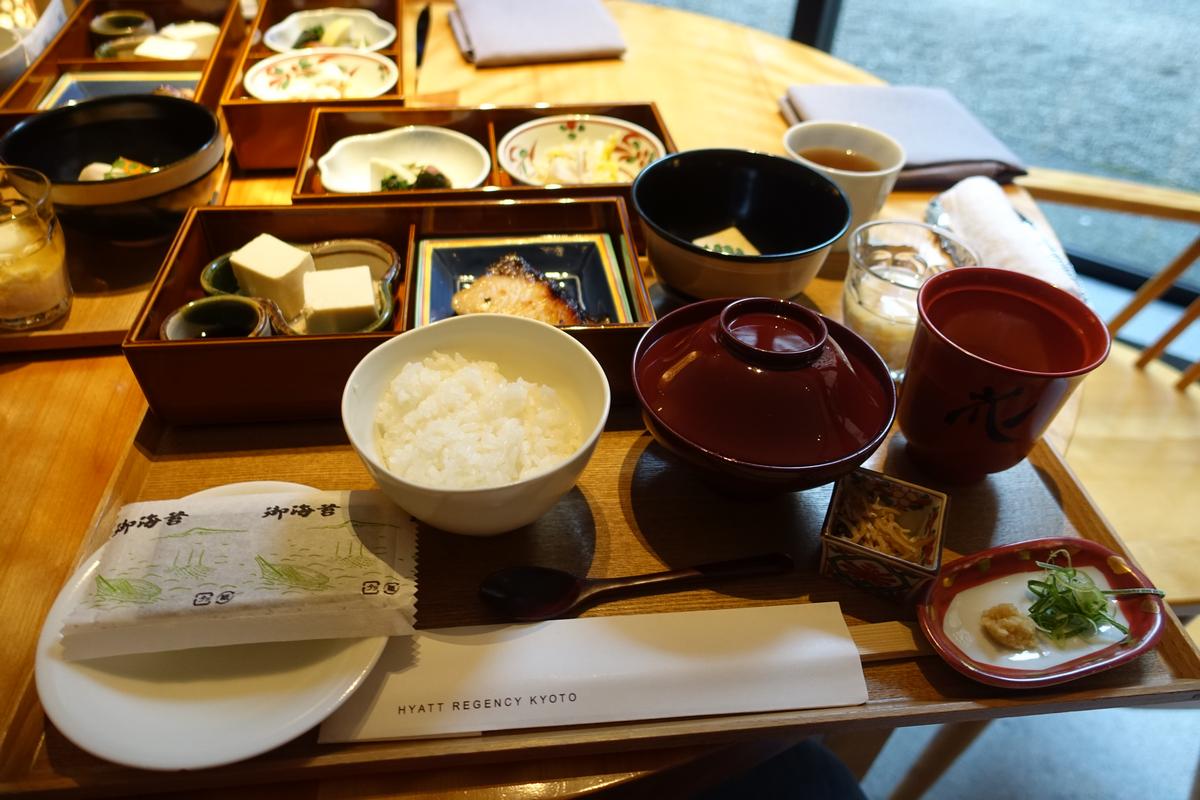
Globalists also receive complimentary western style buffet breakfast, or they have the choice of ordering the Japanese Set, which I’d highly recommend.
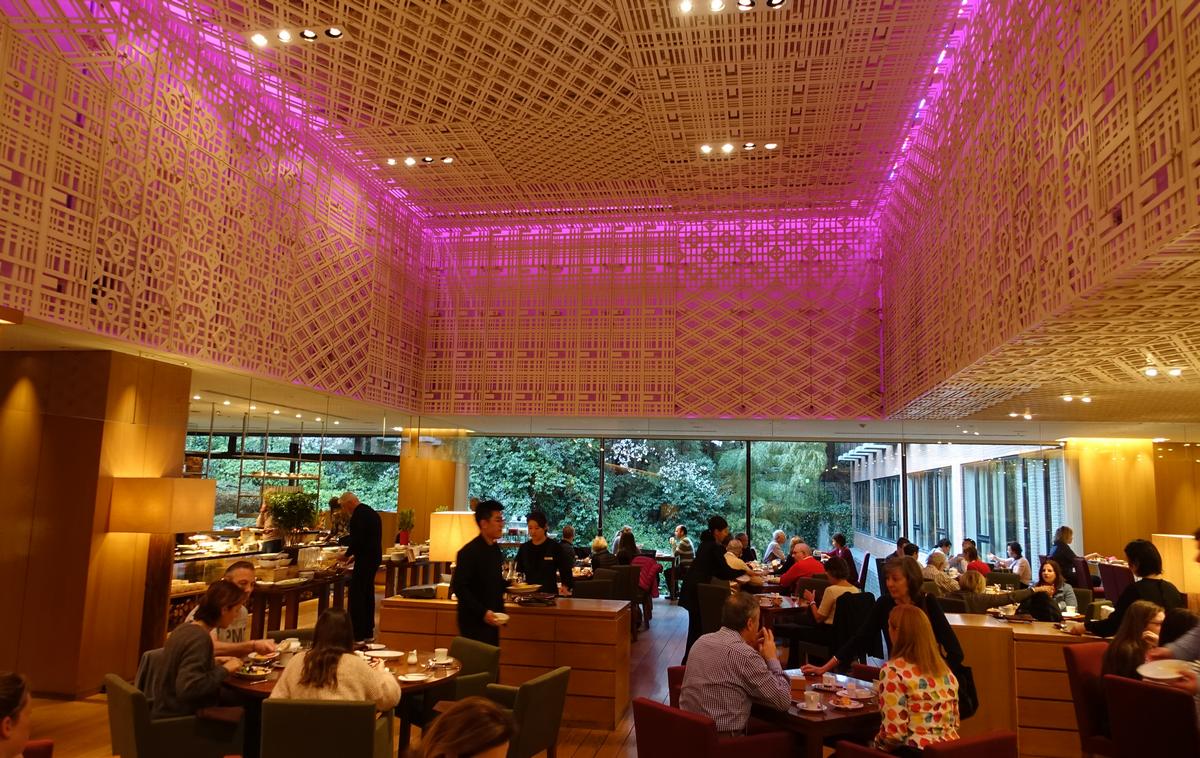
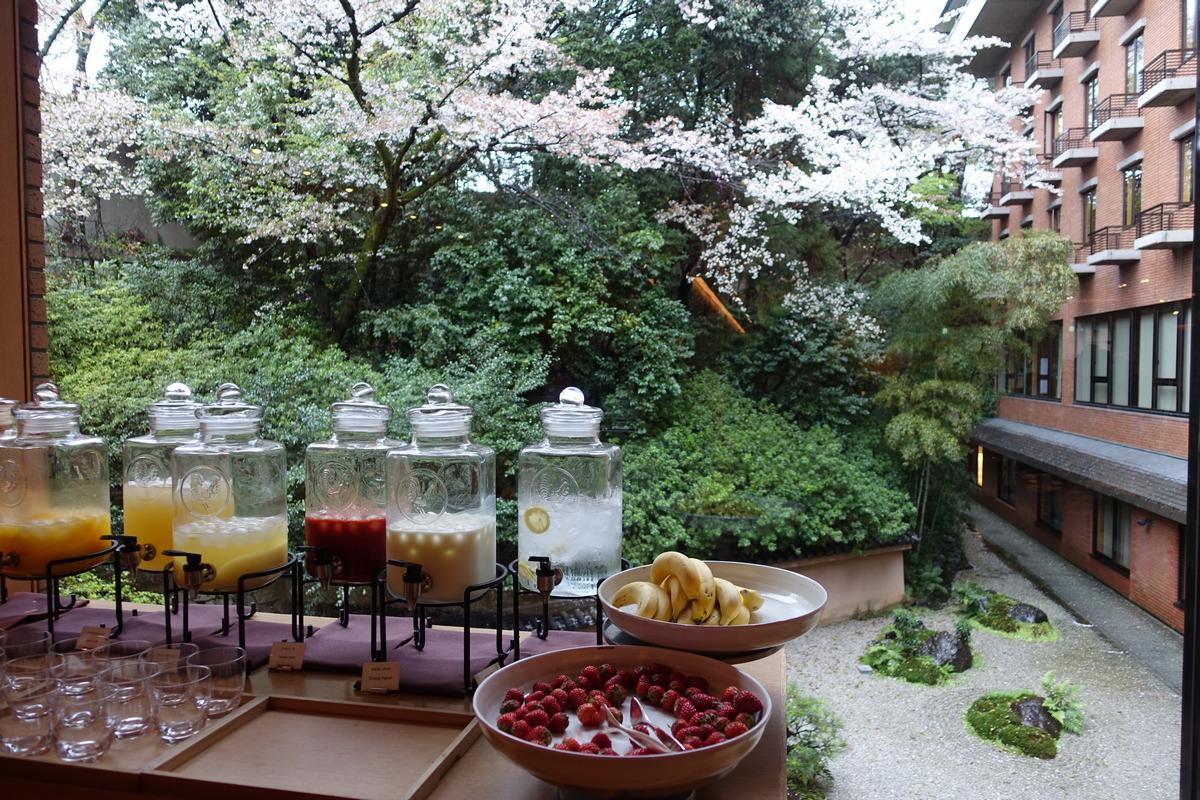
The western buffet spread was sufficient, and during the cherry blossom season, you’re able to see to see a few Sakura trees in full bloom while eating.
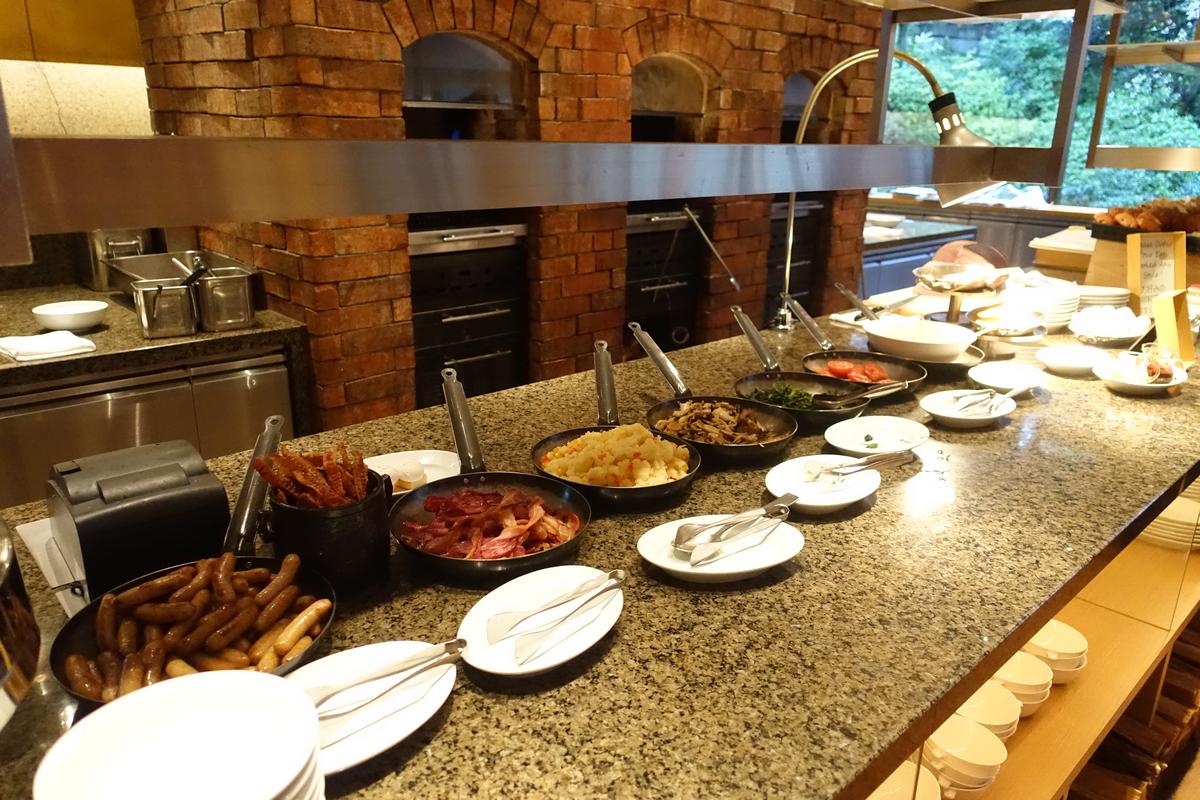
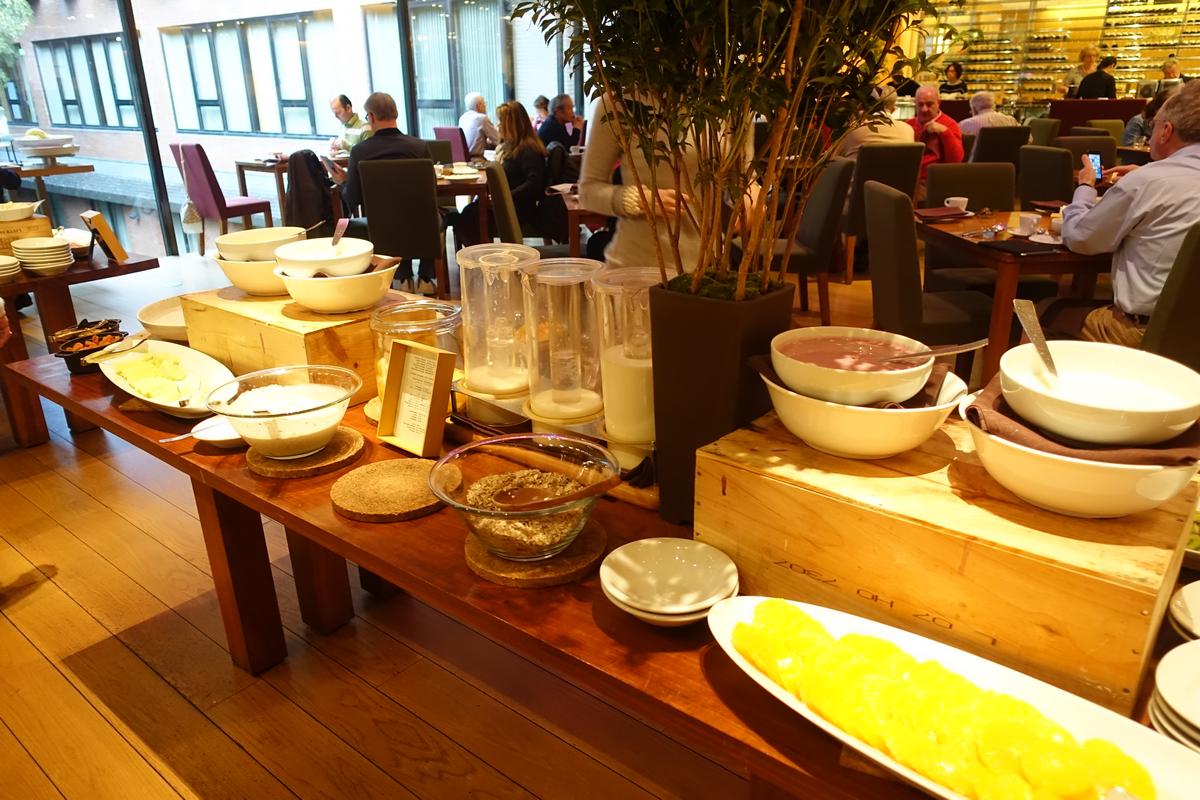
The hotel also does seem to run complimentary bus tours daily for hotel guests, but as we like to travel independently, we didn’t take them up on that offer. However, the tours did seem to be quite popular and booked out, so make sure to inquire upon checking in.
Unfortunately, the Hyatt Regency Kyoto is known to be somewhat stingy with upgrades as the hotel has very few corner rooms and suites.
Our standard room was designed in a minimalistic style, with a kimono pattern covering the walls.
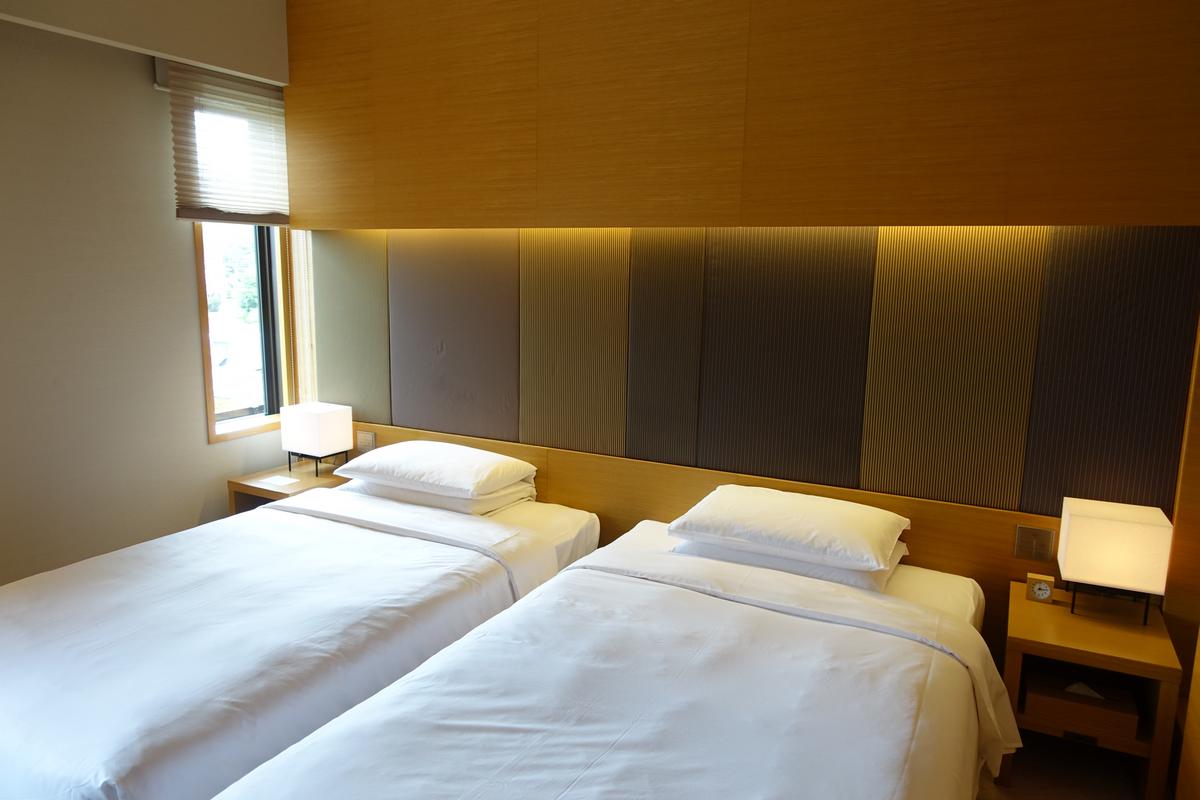
On the opposite side, you have a small work desk and flat panel TV.
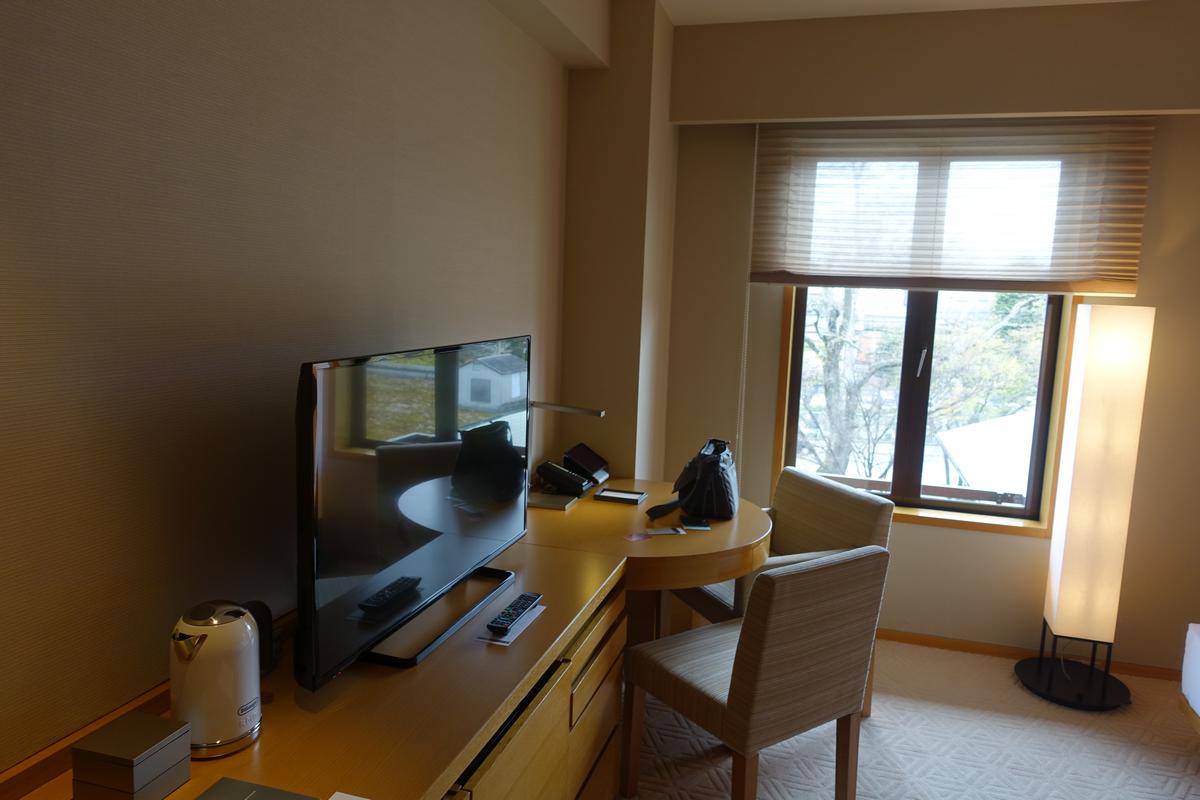
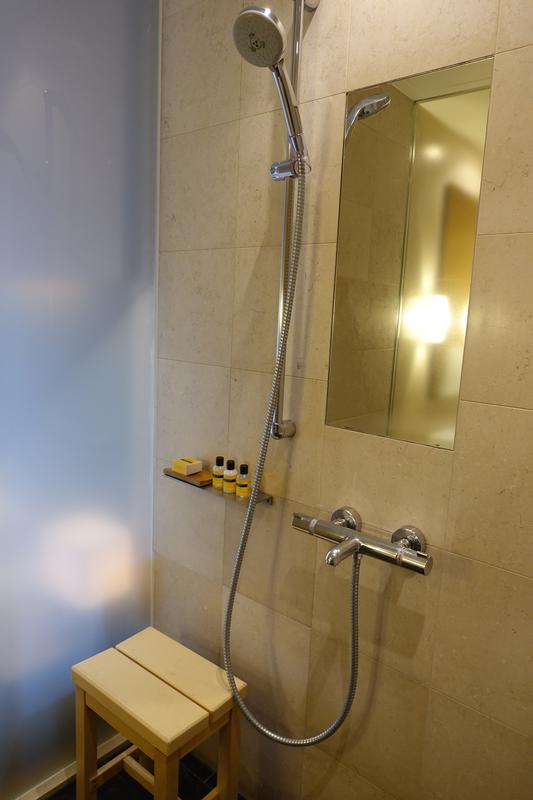
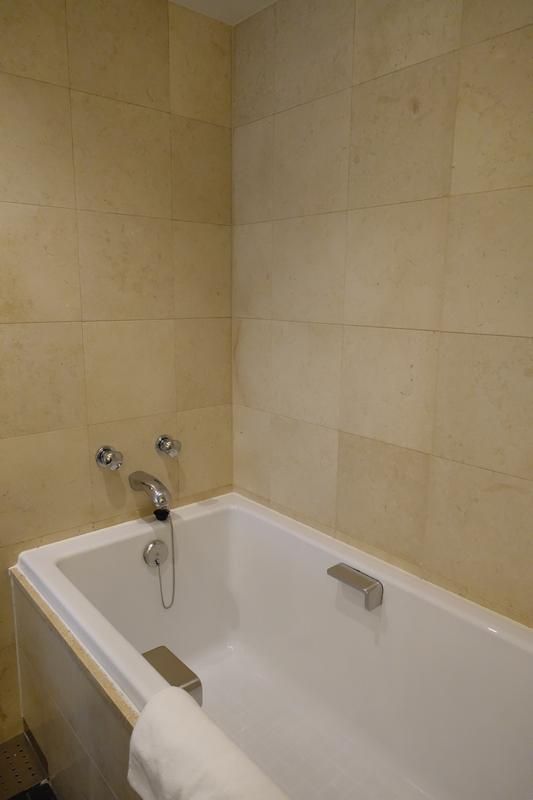
The bathroom consists of two partitions, with the bath area covered by frosted glass.
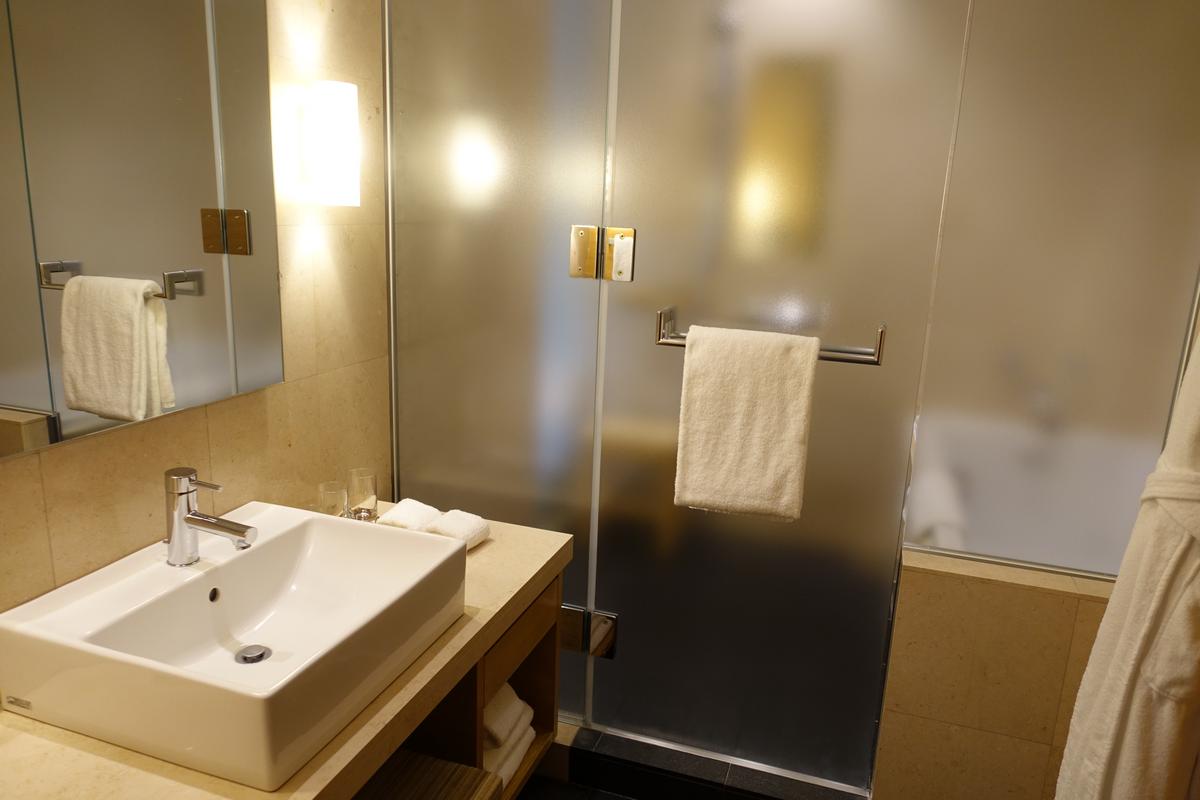
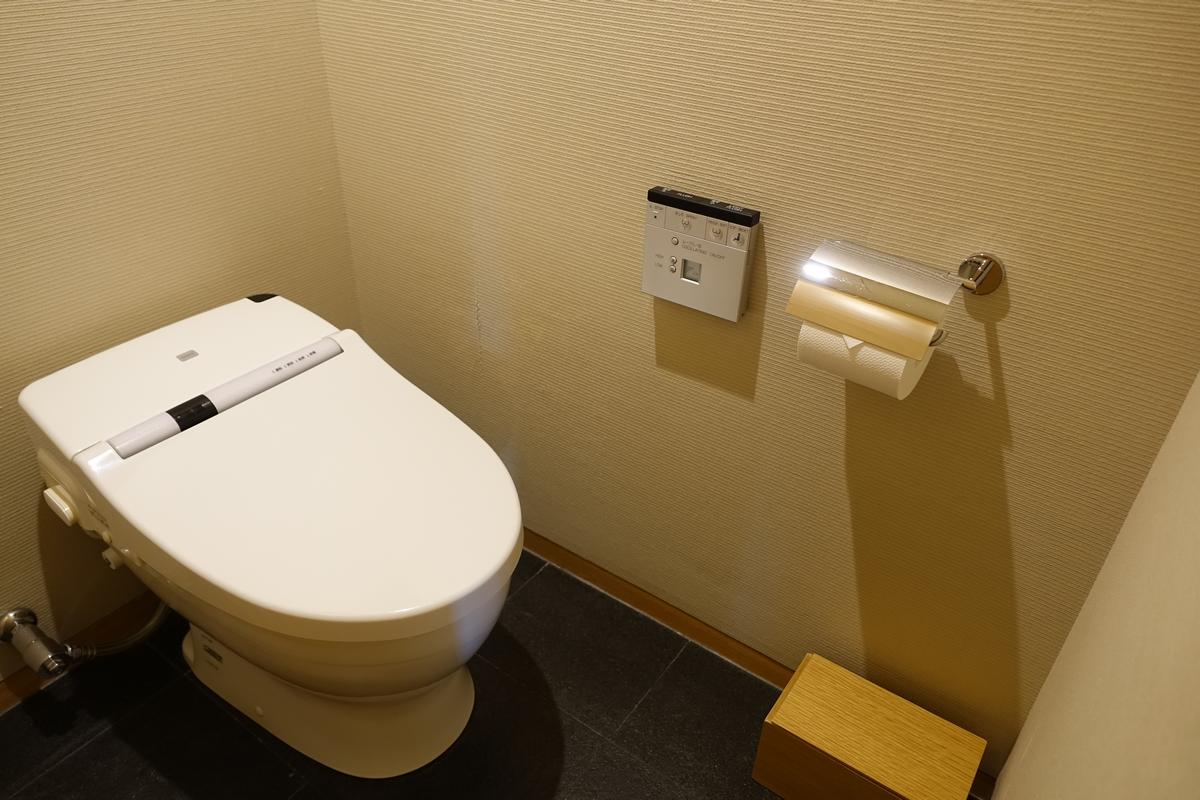
In typical Japanese fashion, the toilet is located in a small separate washroom.
For the high price premium, I was a bit surprised at how compact the room was. However, considering how the hotel was completely sold out, there was enough demand to justify the high prices during the peak season.
The hotel is perfectly located in the famous Higashiyama district and is right next to a bus stop on the popular 100 Kyoto Tourist Bus Line.
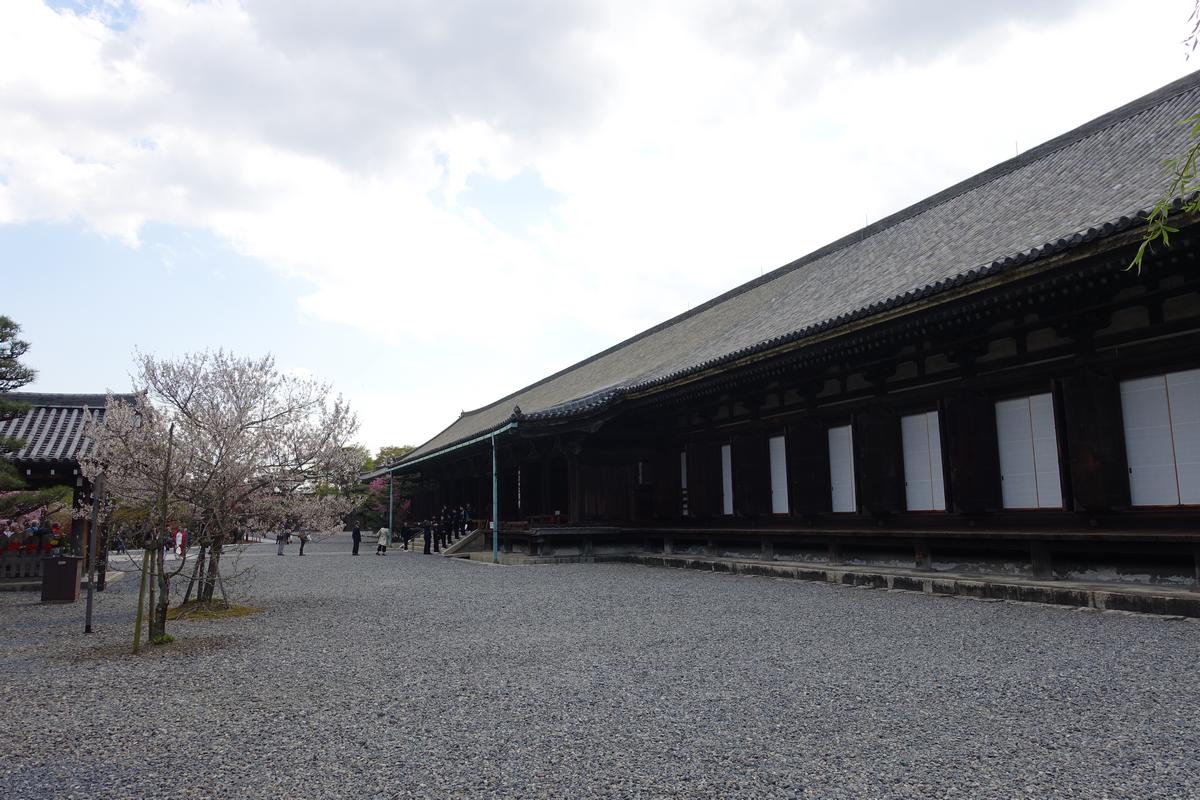
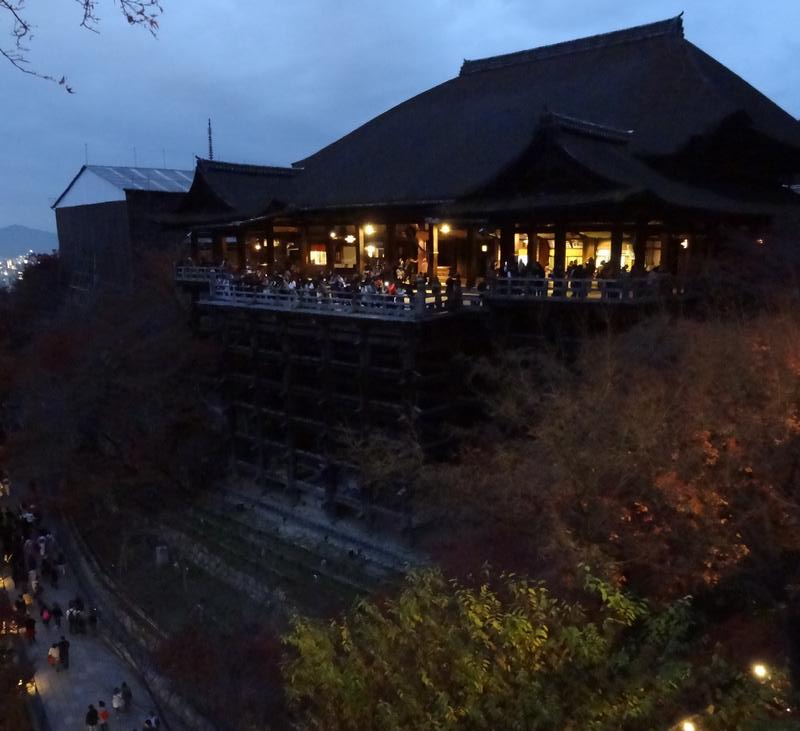
In fact, the Sanjusangendo Temple, a UNESCO world heritage is right next to the hotel, and other UNESCO sites such as the Kiyomizu-dera temple are no more than a ten-minute taxi drive away.
One of the best perks of staying at the Hyatt Regency Kyoto is the nightly dance performance from a local Maiko (apprenticed geisha) at 6:15 PM.
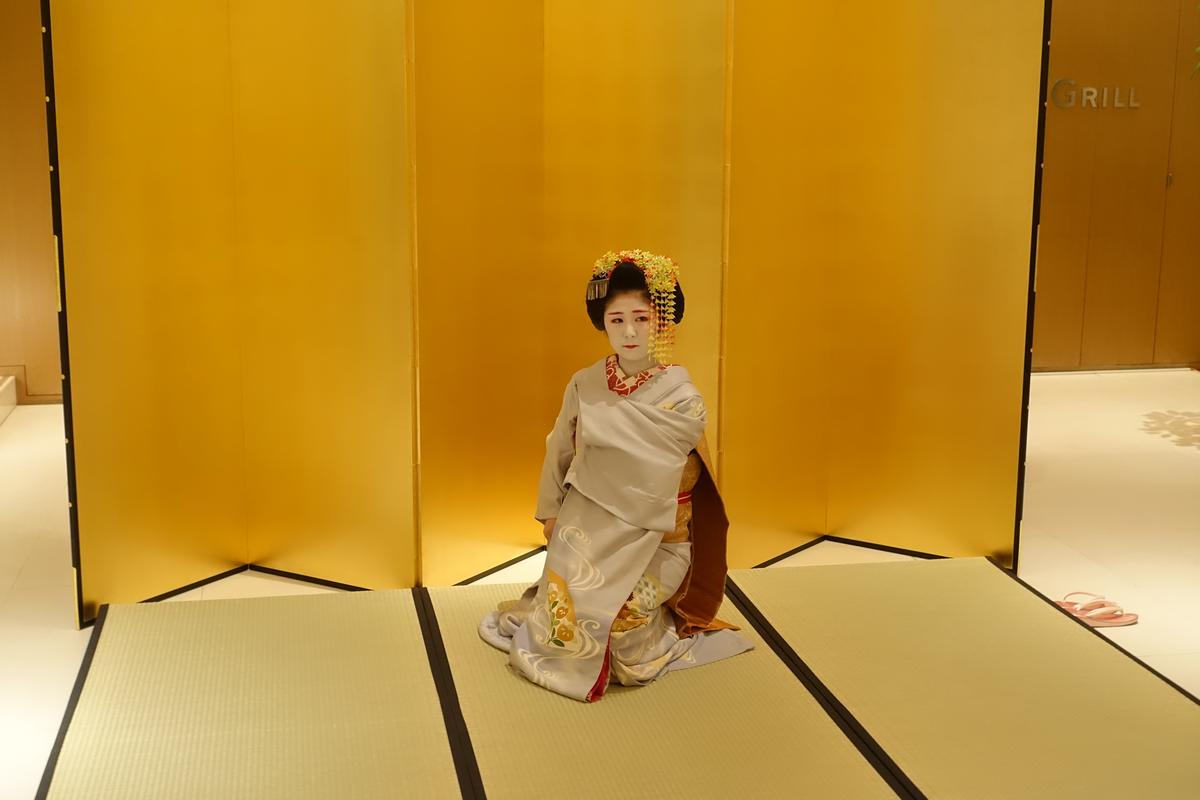
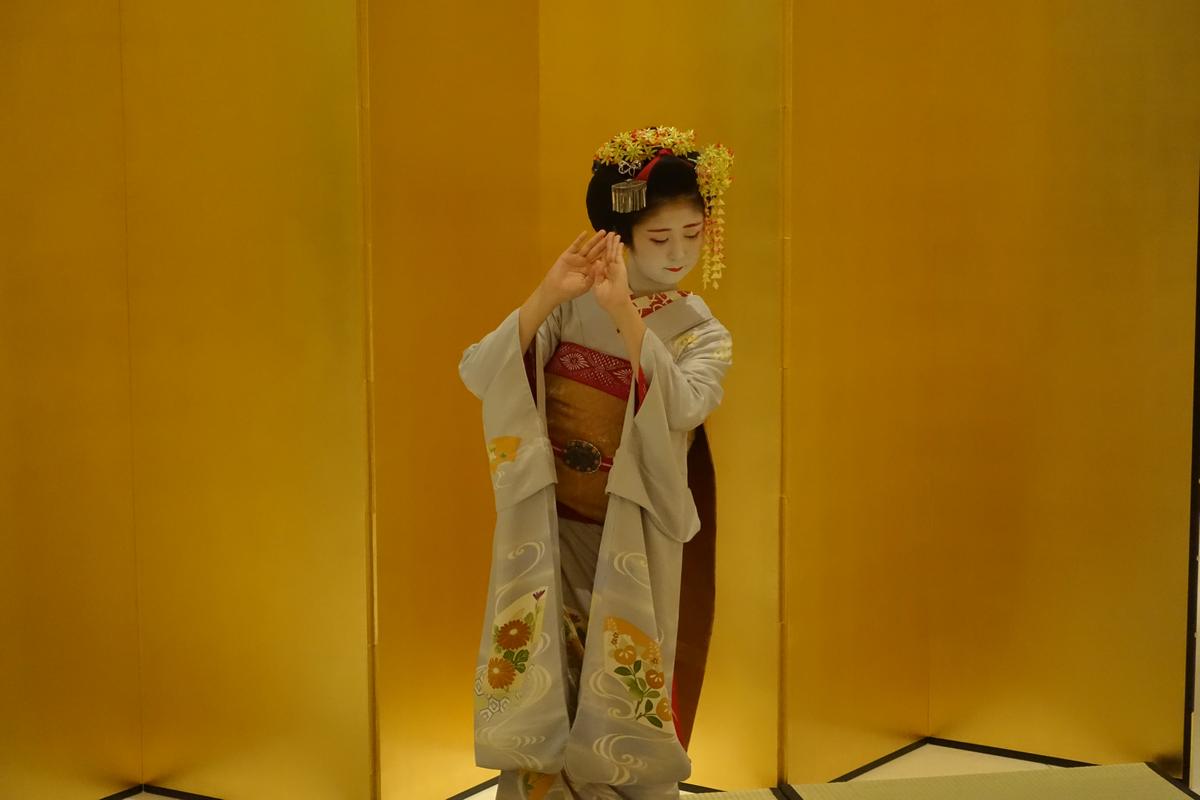
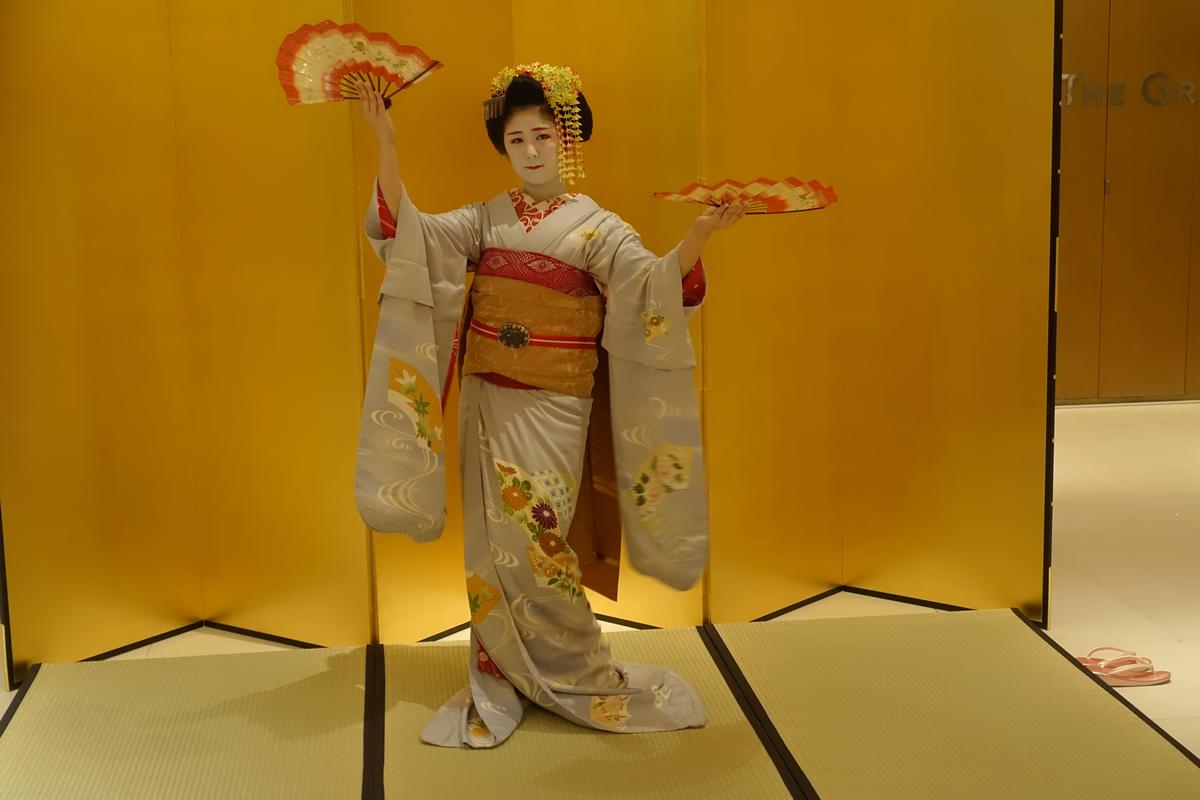
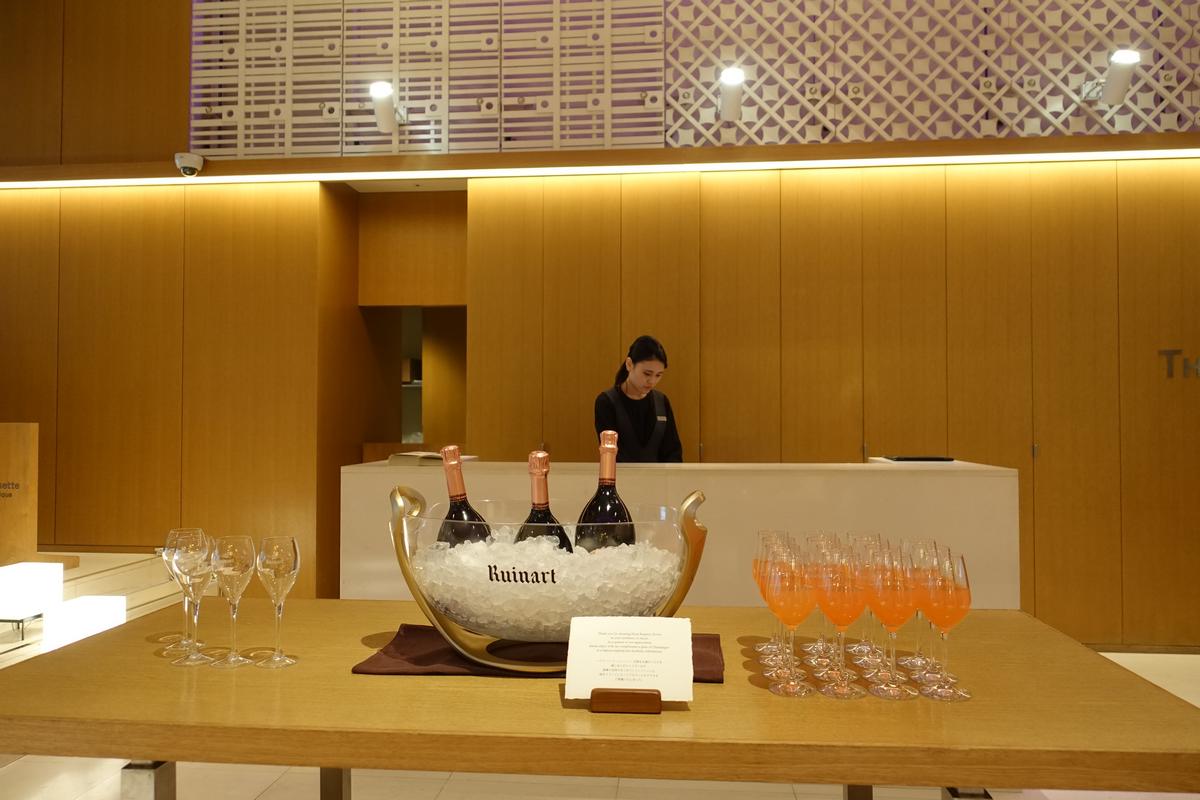
Guests are given a complimentary glass of champagne, and you’re free to take pictures afterward.
For those looking for that Memoirs of Geisha moment, this is a pretty incredible opportunity as very few hotels if any offer such an encounter.
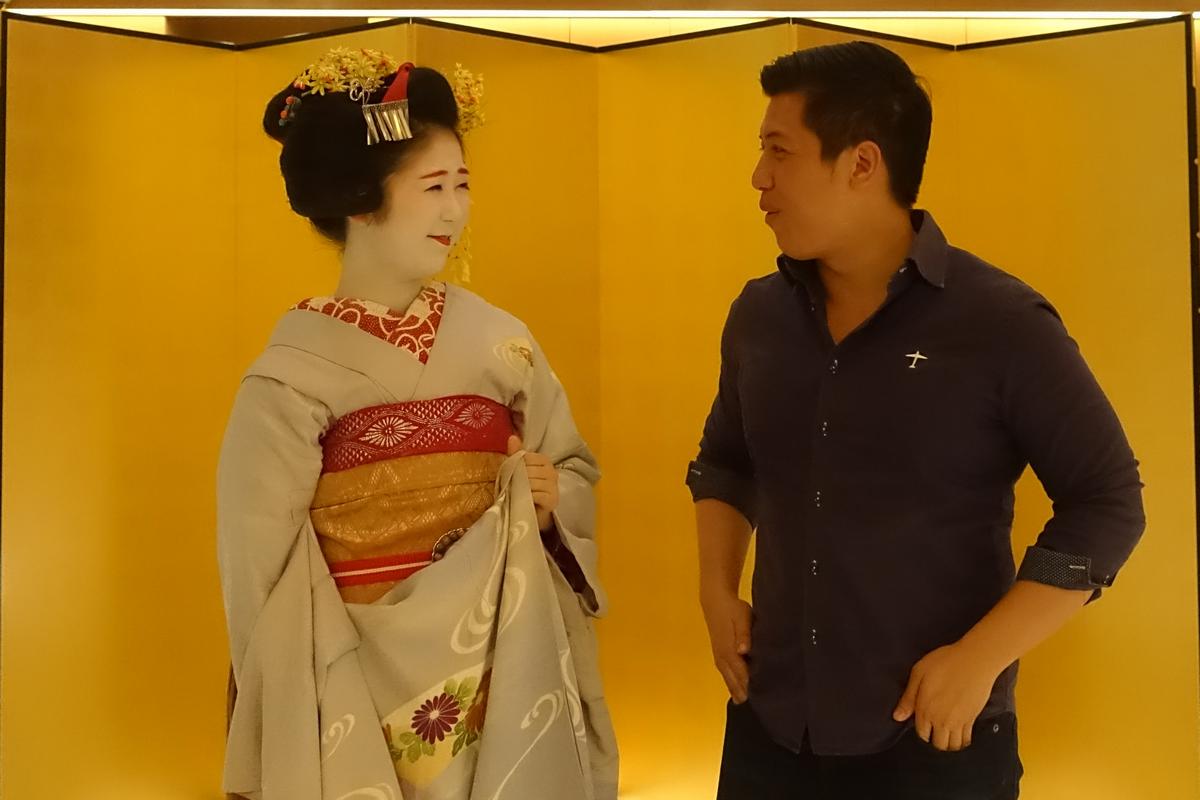
On a subsequent stay, I was offered the opportunity to have dinner at the Touzan restaurant, in which a Maiko came by to entertain during the dinner time. It was unclear if this was a new Globalist perk, but my parents enjoyed the experience.
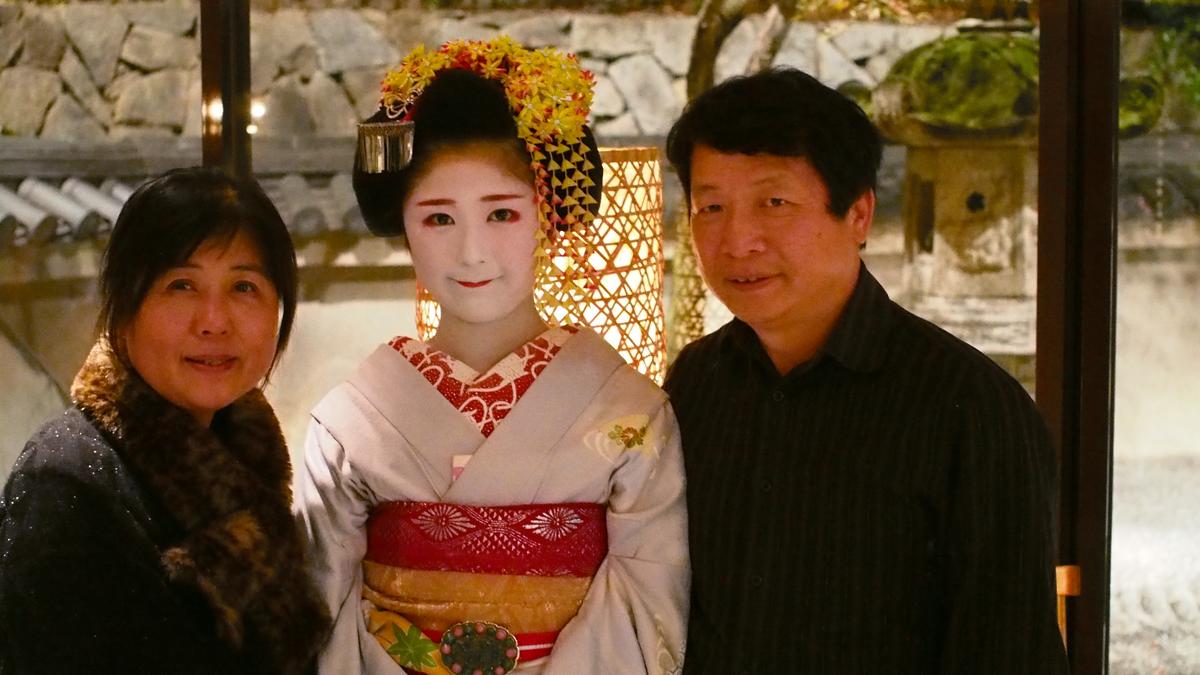
Overall, I enjoyed my stay at the Hyatt Regency Kyoto. While I feel the rooms a bit overpriced given how relatively small they are, you are paying a premium for the stellar location and the service was excellent throughout our stay.
Additionally, the opportunity to briefly talk to and take pictures with a Maiko is something that I’ll remember for a long time.
Trip Report: Himeji Castle – Japan’s Most Stunning Cherry Blossom Destination
After another pleasant stay at the ANA Okayama, we took the
Shinkansen train to Himeji, home to one of Japan’s grandest feudal era
structures, the Himeji Castle.
Built in 1333, Himeji Castle is covered in a shiny white
exterior and is said to resemble a magnificent heron bird in flight.
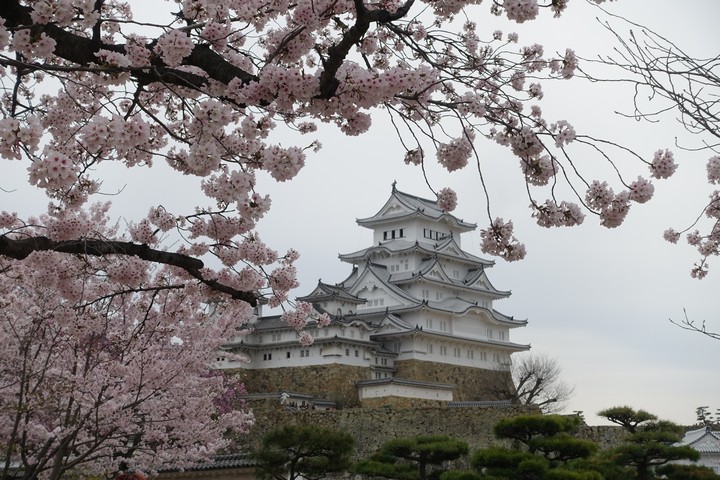
Himeji Castle – Japan’s Most Stunning Cherry Blossom Destination
After another pleasant stay at the ANA Okayama, we took the
Shinkansen train to Himeji, home to one of Japan’s grandest feudal era
structures, the Himeji Castle.
Built in 1333, Himeji Castle is covered in a shiny white
exterior and is said to resemble a magnificent heron bird in flight.
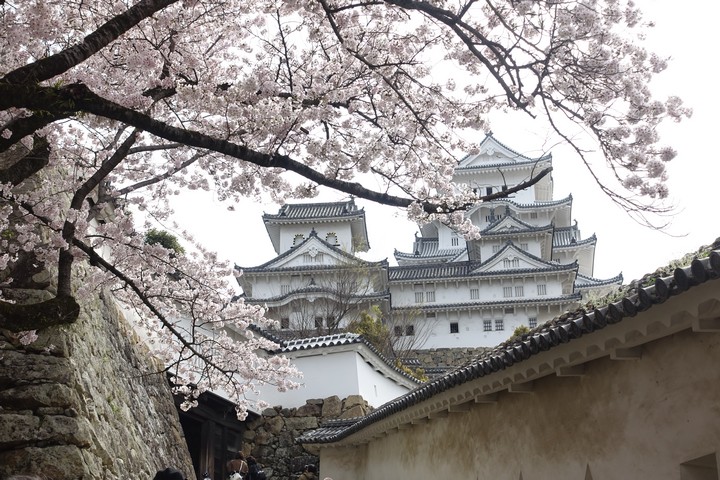
The castle has remained resilient through years, surviving a
bombing raid during World War 2, and left relatively intact from a massive
earthquake that caused significant damage to the city of Himeji.
After an extensive renovation lasting nearly six years, the
castle reopened in 2015 to great fanfare, and the castle is a marvelous example
of traditional Japanese architecture.
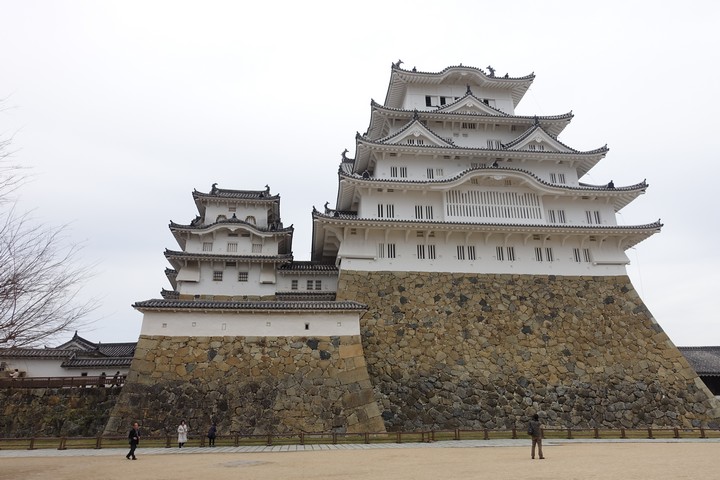
Himeji Castle has often been touted as one of the top places
in Japan to see the Sakura blossoms, and that has resulted in the castle being
quite congested. In fact, during peak
weekend days numbered tickets to access the main keep are handed out on a first
come first served basis.
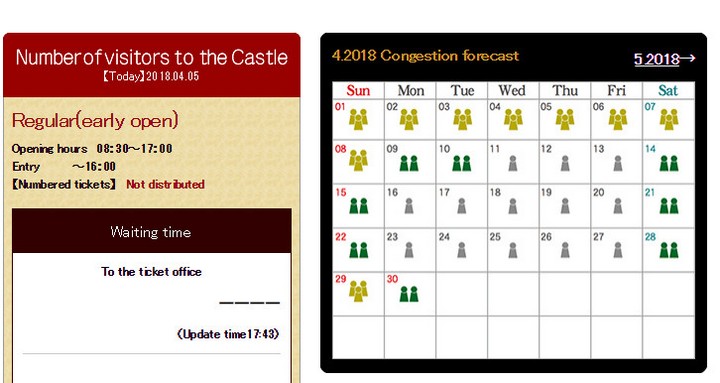
The crowd levels during the weekdays did seem to be
manageable, and I rescheduled our visit to Himeji Castle to fall on a Thursday
to ensure the crowd levels wouldn’t reach Tokyo Disneyland proportions.
Fortunately, sleeping in Okayama ensured that we would get
an hour head start from the tourists staying in Osaka and Kyoto, and we arrived
just as the castle gates were open.
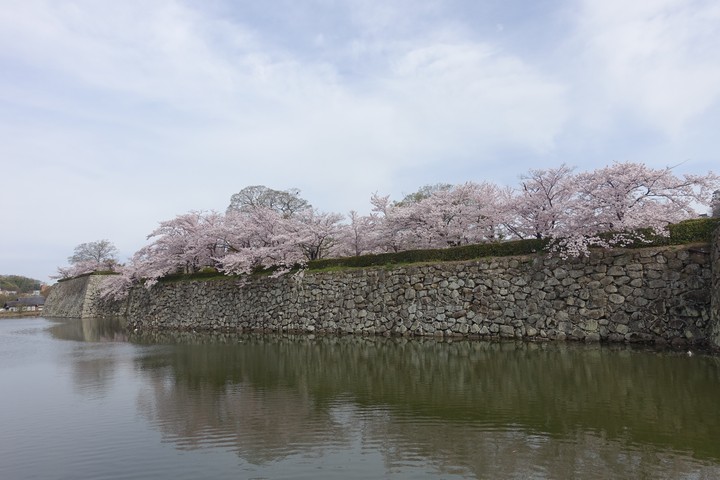
A moat surrounds the castle, and local tourists could be
seen donning local straw hats, as a Japanese boatman manually maneuvered the
small rowboat.
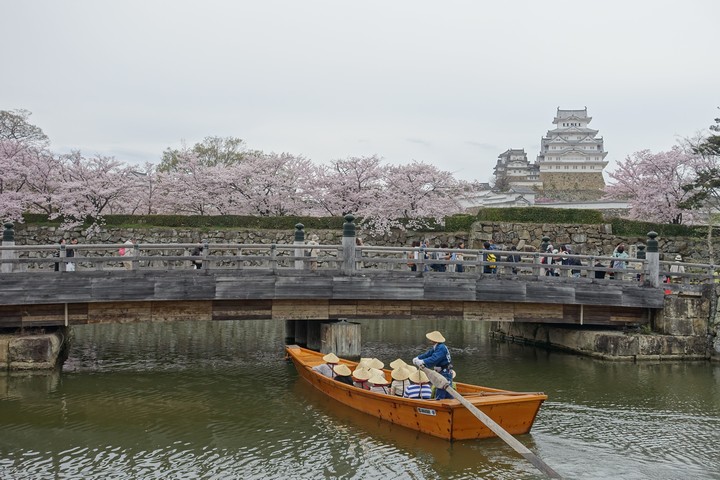
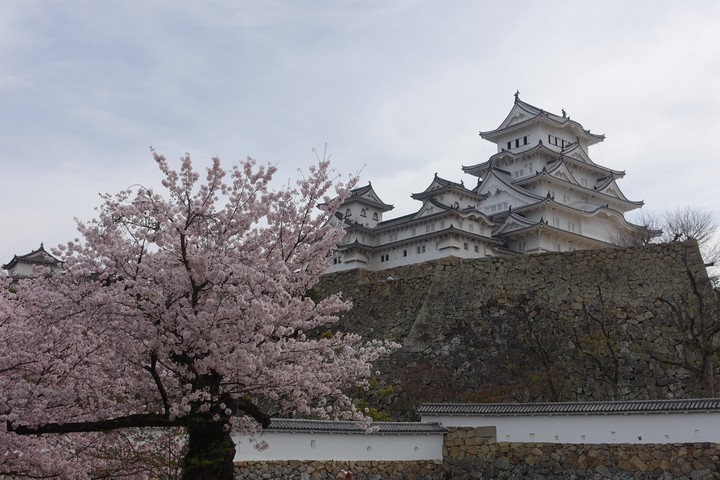
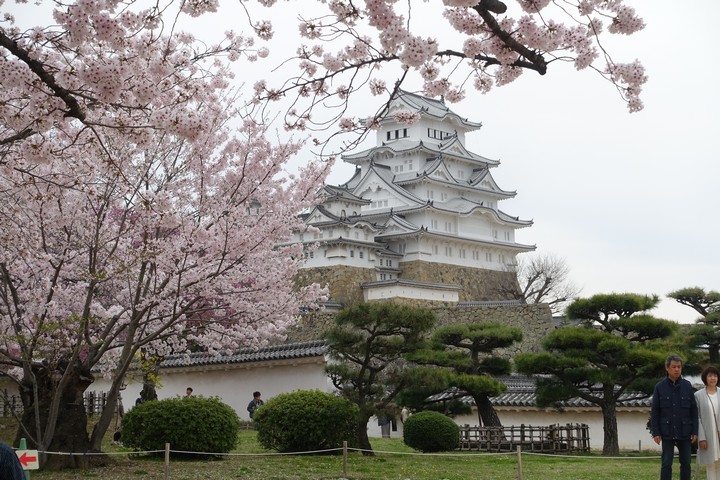
Even from a distance, you can easily see the gleaming white
walls of Himeji Castle, with Sakura trees in full bloom.
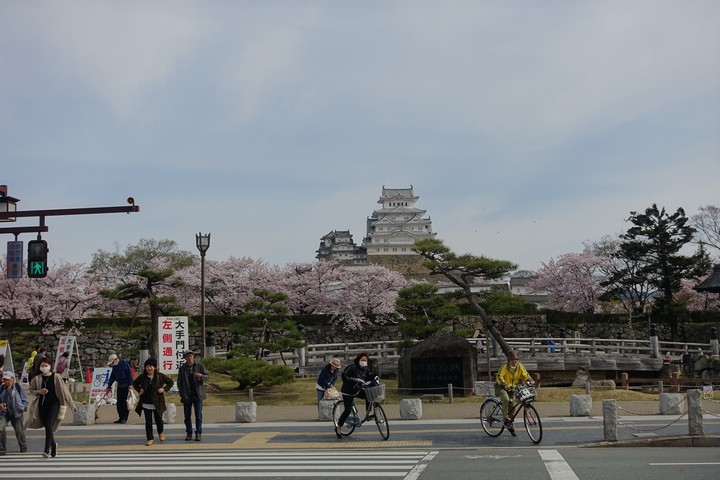
Immediately upon walking into the main castle grounds, we
were greeted with rows and rows of Sakura trees.
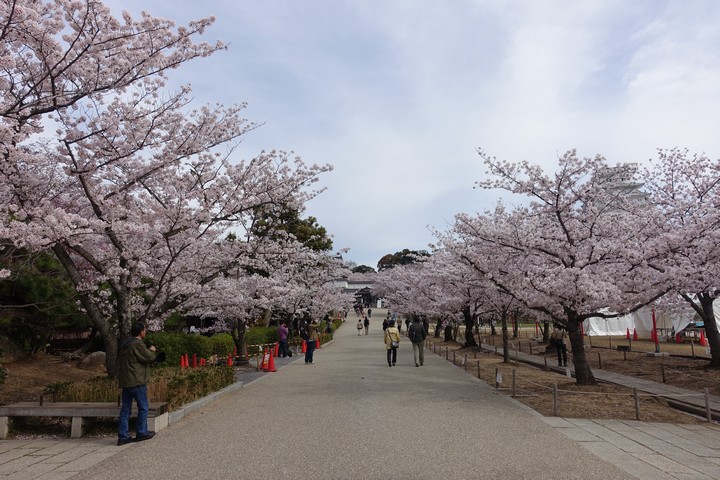
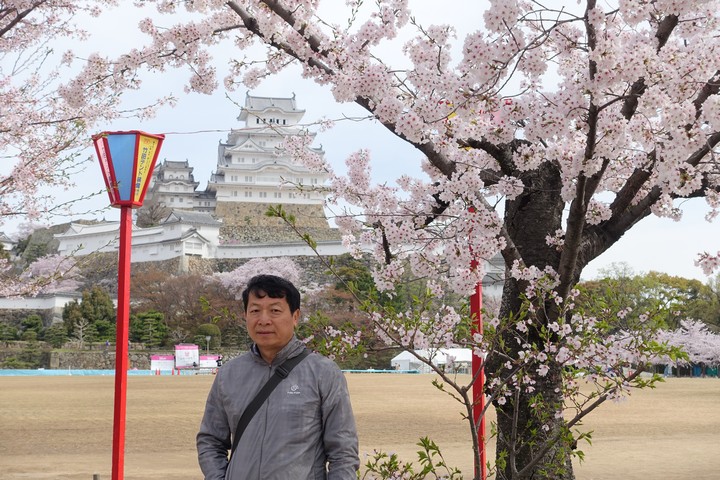
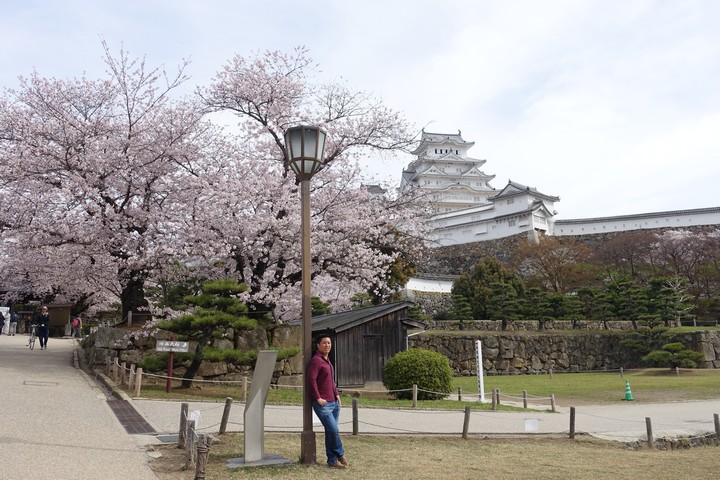
After paying the 1000 yen admission fee we headed straight
to the main keep, enjoying the fresh spring breeze and the almost deserted
walkway.
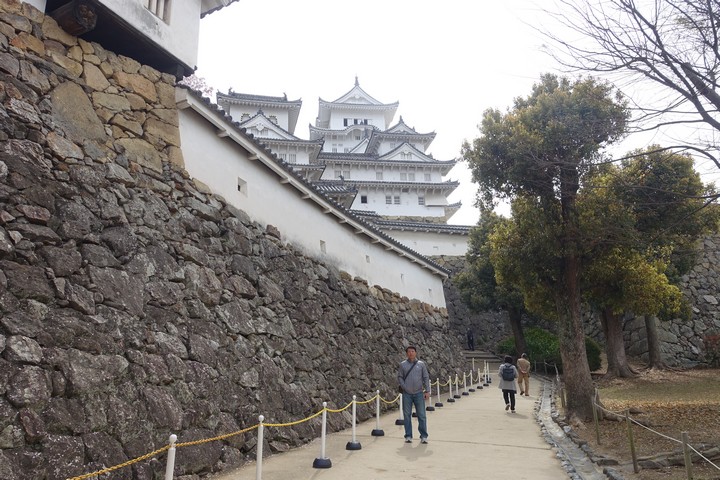
To help thwart off attackers the castle’s narrow pathways are
winding, and getting to the actual main keep required going through multiple
gates and alleyways
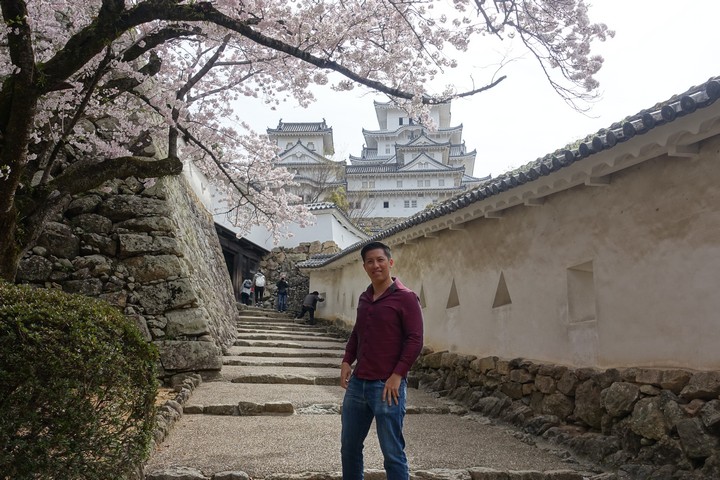
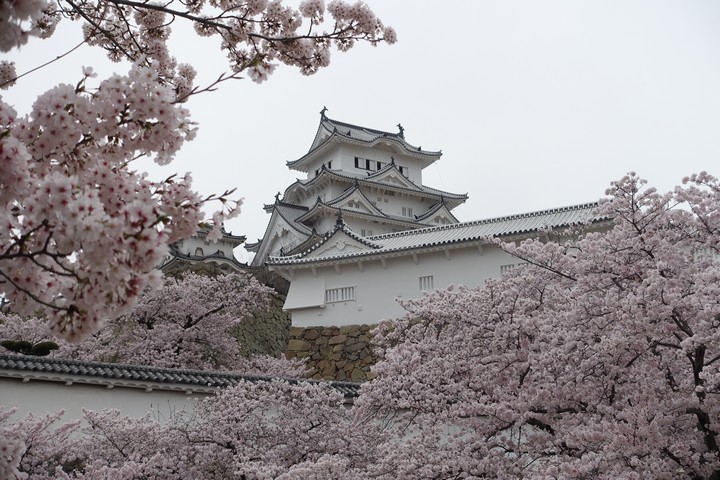
Everywhere we walked there were picture perfect views of the
castle surrounded by Sakura blossoms.
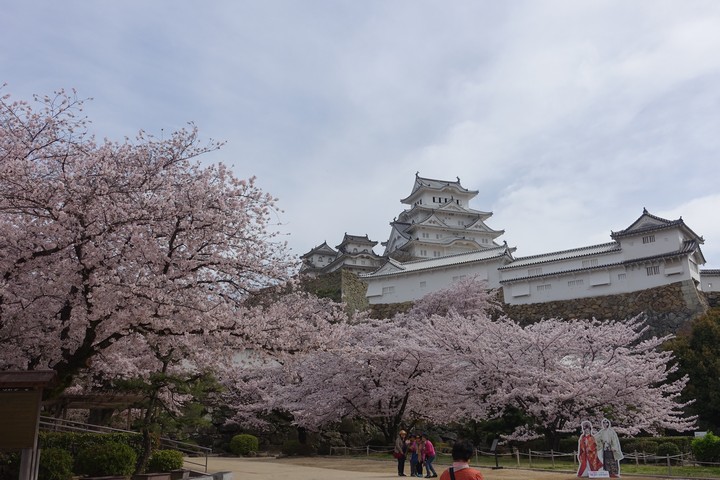
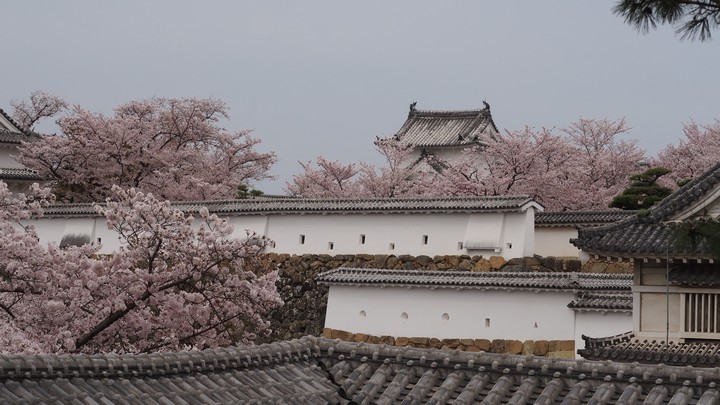
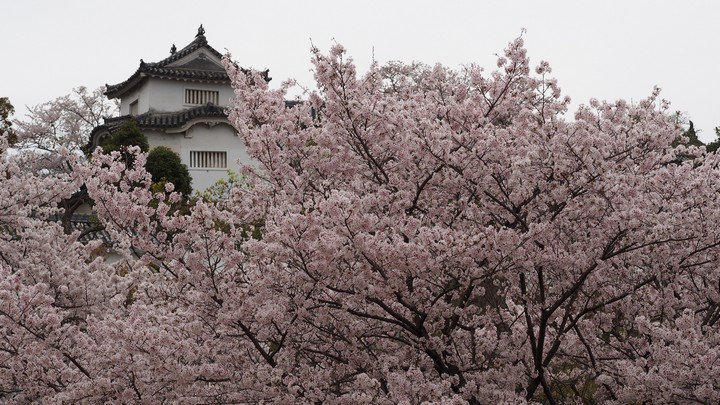
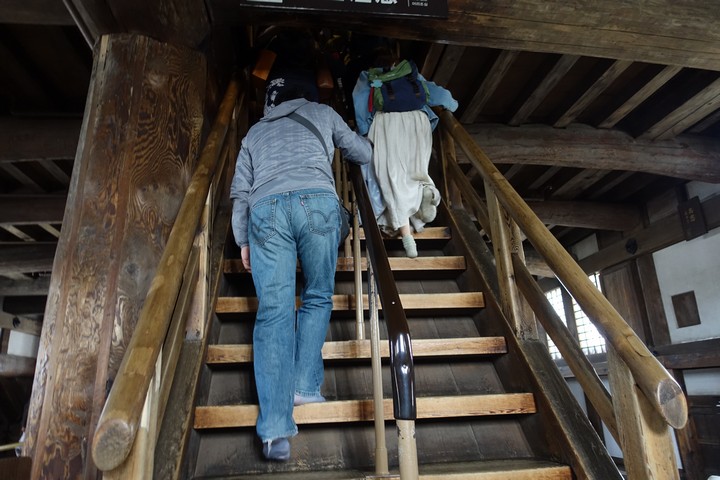
As with all castles in Japan, the inside of the castle’s
main keep is relatively unfurnished with just a few exhibits. However, as the
largest castle in Japan, Himeji Castle’s main keep has six wooden floors with
plenty of stairs to climb.
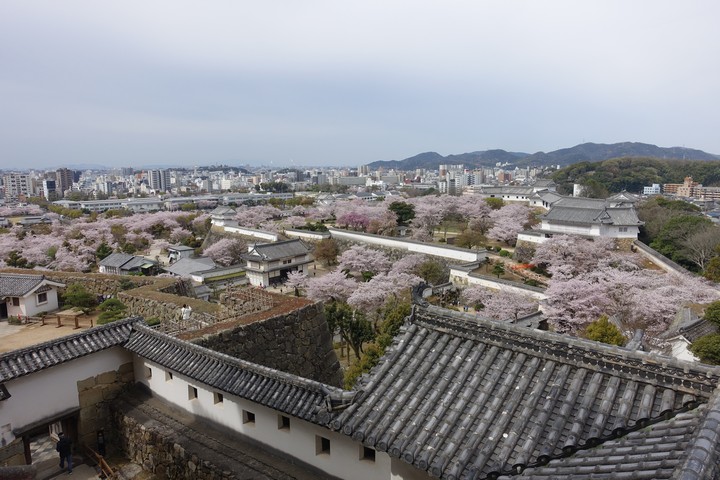
The view from the top of the castle was well worth the
calories burned.
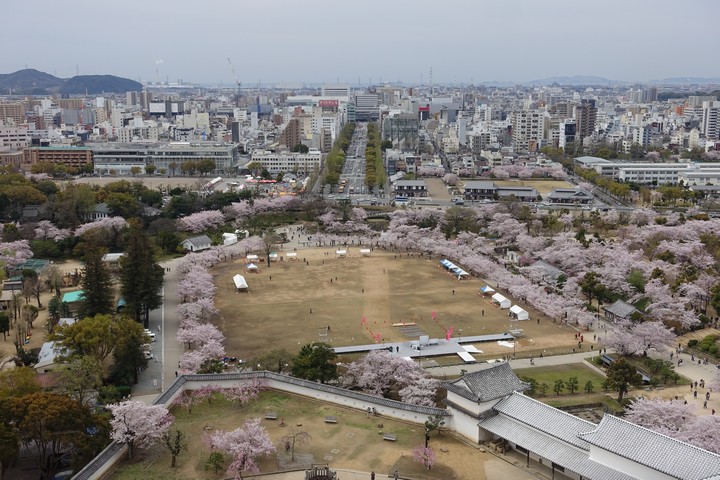
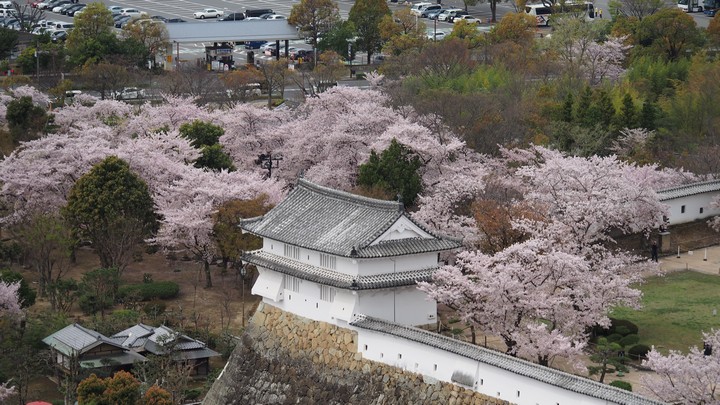
Once you finish touring the insides of the castle, make sure
to stop by the adjacent west garden, which has its own batch of Sakura trees,
and has noticeably lower crowd levels
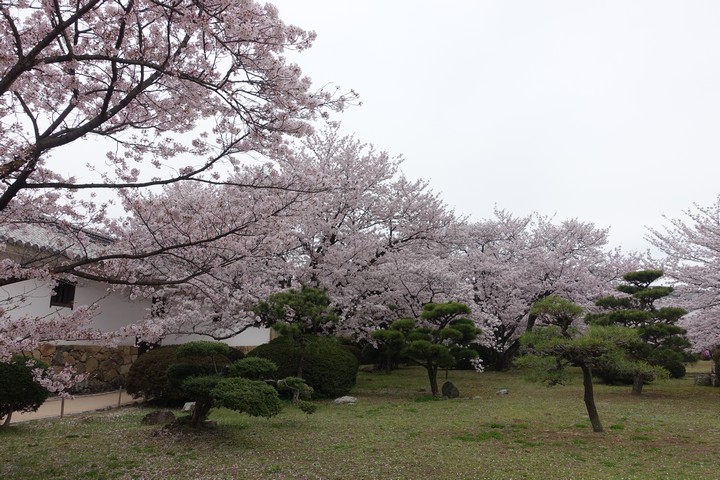
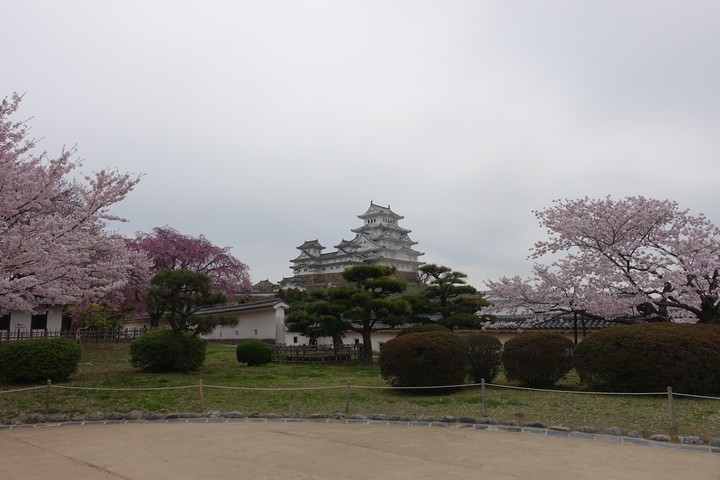
We then headed back towards the Shinkansen. As we were
making our way towards the exit, streams of tourists started pouring in, and
noisy mainland Chinese tourists pierced the once tranquil atmosphere.
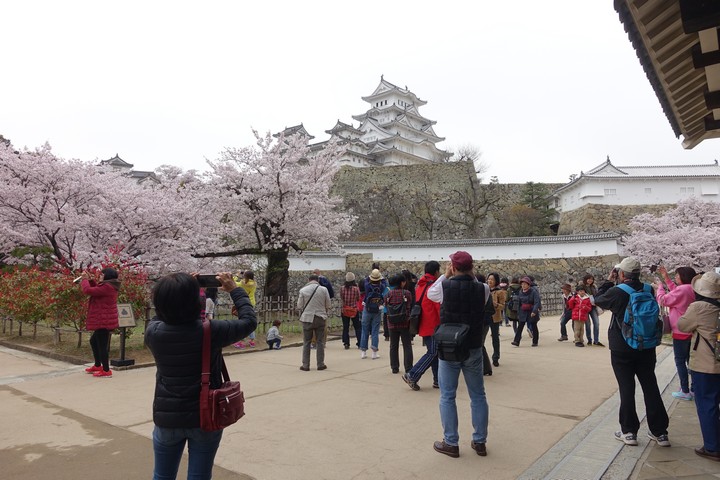
Overall, we really enjoyed our morning visit to Himeji
Castle. If you had to pick one place in Japan to see the Cherry Blossoms, this
would be it. Every time we turned a corner, our cameras came out, and it’s easy
to see why the castle is so popular with the locals.
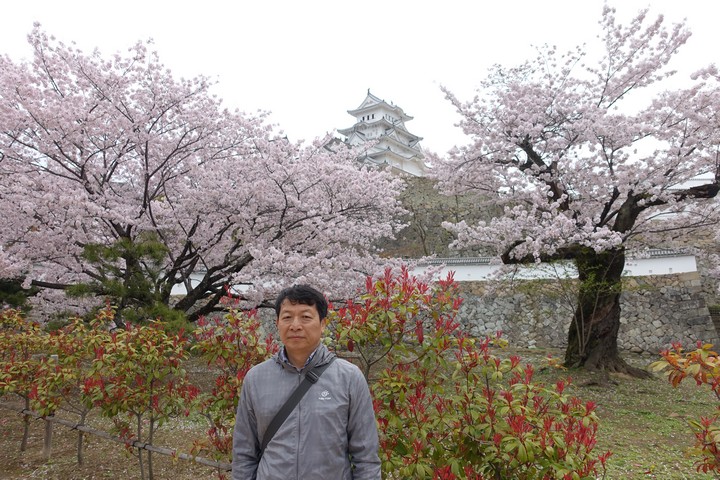
If you have the Japan Rail pass, Himeji is the perfect
morning pit stop before heading onwards to Hiroshima. However, make sure you
get there right at opening time as the tourist group buses start pouring in at
around 9:45 AM.
Trip Report: Cherry Blossoms At Atomic Peace Park In Hiroshima
Having stayed a bit longer at Miyajima and Iwakuni a bit longer than planned for, we arrived at Hiroshima Station as the sun was setting on the horizon. We made our way to Hiroshima’s most infamous tourist attraction, the Atomic Peace Park, located at ground zero, where the atomic bomb Little Boy detonated.
The most infamous reminder of the atomic blast is the Atomic Bomb Dome, an old exhibition hall that somehow managed to survive the blast despite being located only 150 meters from Ground Zero.
IHG Hotel Credit Card Potentially Being Discontinued
According to a thread on Reddit, Chase is potentially discontinuing the current IHG Credit Card and replacing it with another version, possibly without the valuable annual free night.
Additionally, the IHG Card no longer shows up on Chase’s list of travel cards, and the primary link is not resolving.
One of my favorite travel rewards credit card has always been the Chase IHG card, which to recap has the following benefits:
As of 4/3, it appears Chase will limit the annual free night to an IHG property at 40,000 points or less. Under these unfortunate circumstances, I would not recommend applying for this card.
Receive an anniversary free night good for any IHG hotel each year you renew your card
Considering some top-tier IHG hotels can go for as much as $500+ a night, making this is an extraordinary benefit. Even mid-tier hotels, such as your ordinary Crowne Plaza, typically go around $100+ a night. This benefit alone makes the IHG card one of the few cards I will keep in perpetuity.
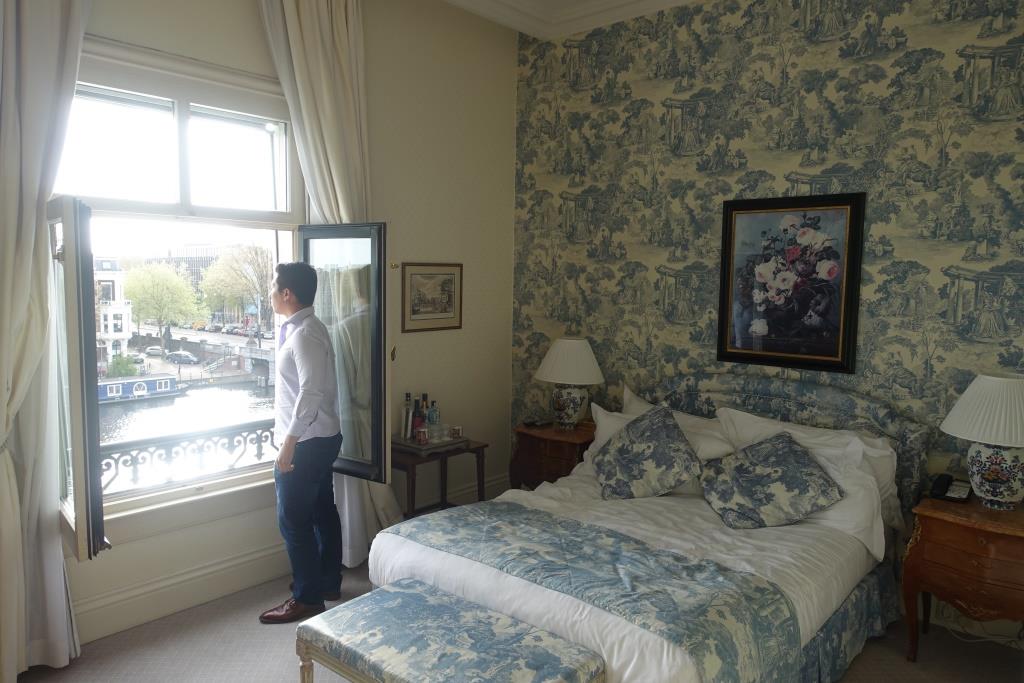
Using my Chase Free Night at the Amstel Amsterdam – Going Room Rate was over $400
Complimentary Platinum Elite Status

This is a fantastic benefit that I utilize a couple of times each year. I have never been denied a late checkout, sometimes up to 4 PM as a Platinum member. Additionally, they do usually upgrade you one room category at the minimum, but typically suites are out of the question unless the hotel is being generous.
Get a 10% rebate on any IHG Points redemption.
This is also a great perk that I use quite often, and essentially gives you a 10% discount on any hotel redemption with IHG.
I’d highly advise you to apply within the next 24-48 hours before potentially the rest of the links are disabled. The free anniversary night is one of the most valuable card perks out there, and it’s no surprise that IHG may want to shut down such a lucrative benefit. However, I would like to emphasize that this currently is just hearsay, and we won’t know until Chase reveals a new version of the card. Of course, at that point, you would be unable to apply for the old version of the card.
A working link to the current IHG card can be found below.
View Hotel Card Offers
If Chase does launch a new version of the IHG card with a free annual night, this will be considered a new product, and as a result, you’ll be able to “double dip” and get sign up bonuses for each card.
Your old IHG card will continue to be grandfathered in, along with all card benefits including complimentary IHG Platinum status and the free anniversary night.
Cherry Blossoms at Atomic Peace Park in Hiroshima
Having stayed a bit longer at Miyajima and Iwakuni a bit
longer than planned for, we arrived at Hiroshima Station as the sun was setting
on the horizon.
We made our way to Hiroshima’s most infamous tourist
attraction, the Atomic Peace Park, located at ground zero, where the atomic
bomb Little Boy detonated.
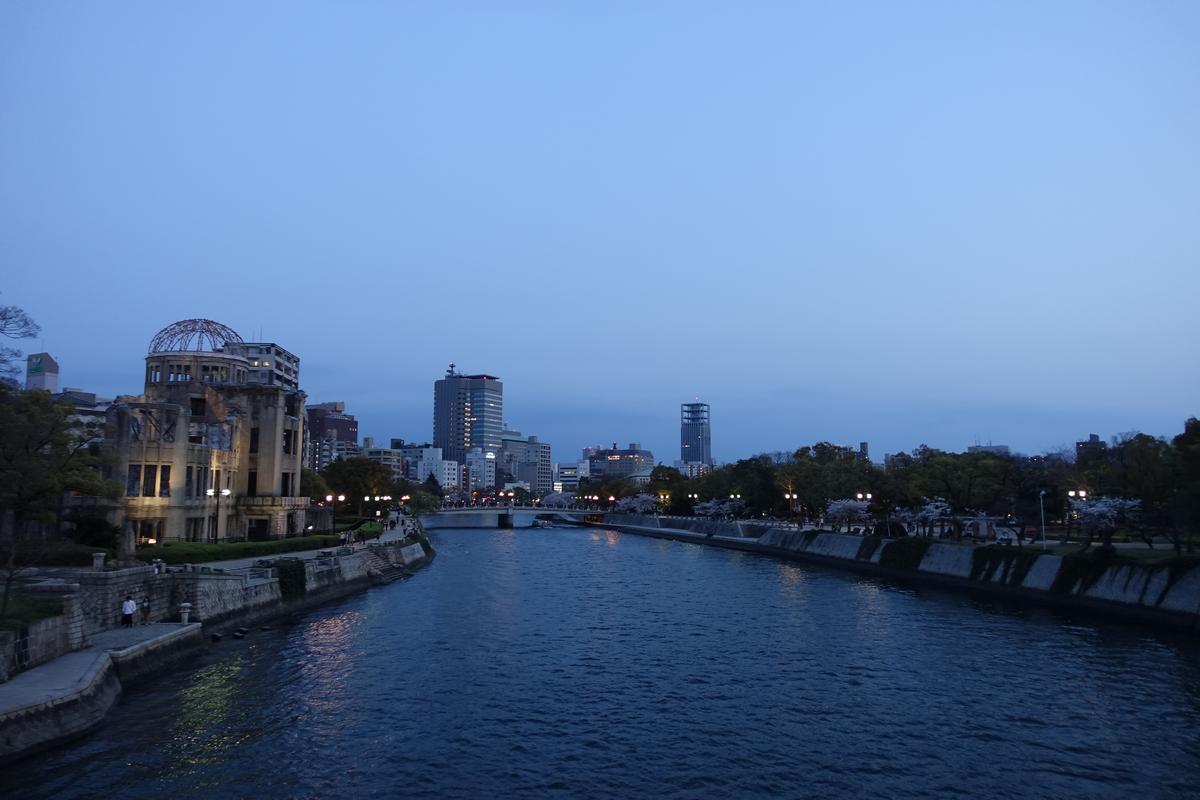
The most infamous reminder of the atomic blast is the Atomic
Bomb Dome, an old exhibition hall that somehow managed to survive the blast
despite being located only 150 meters from Ground Zero.
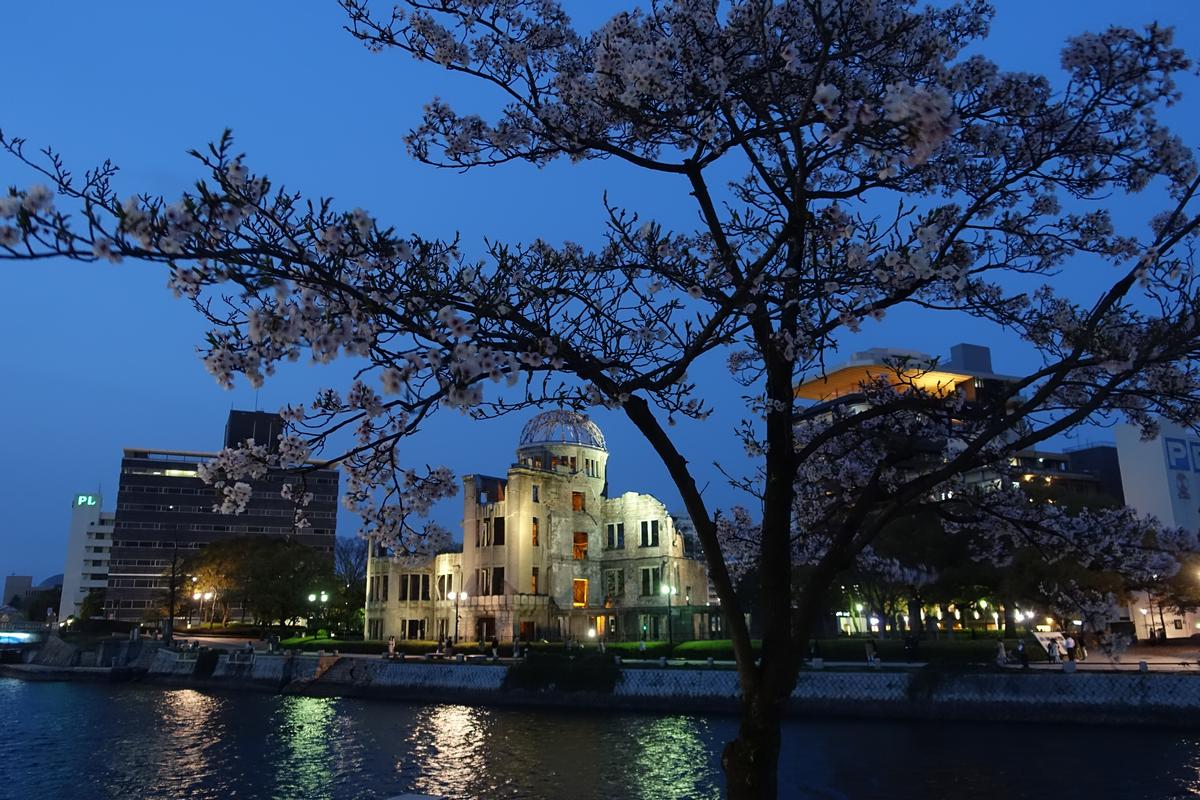
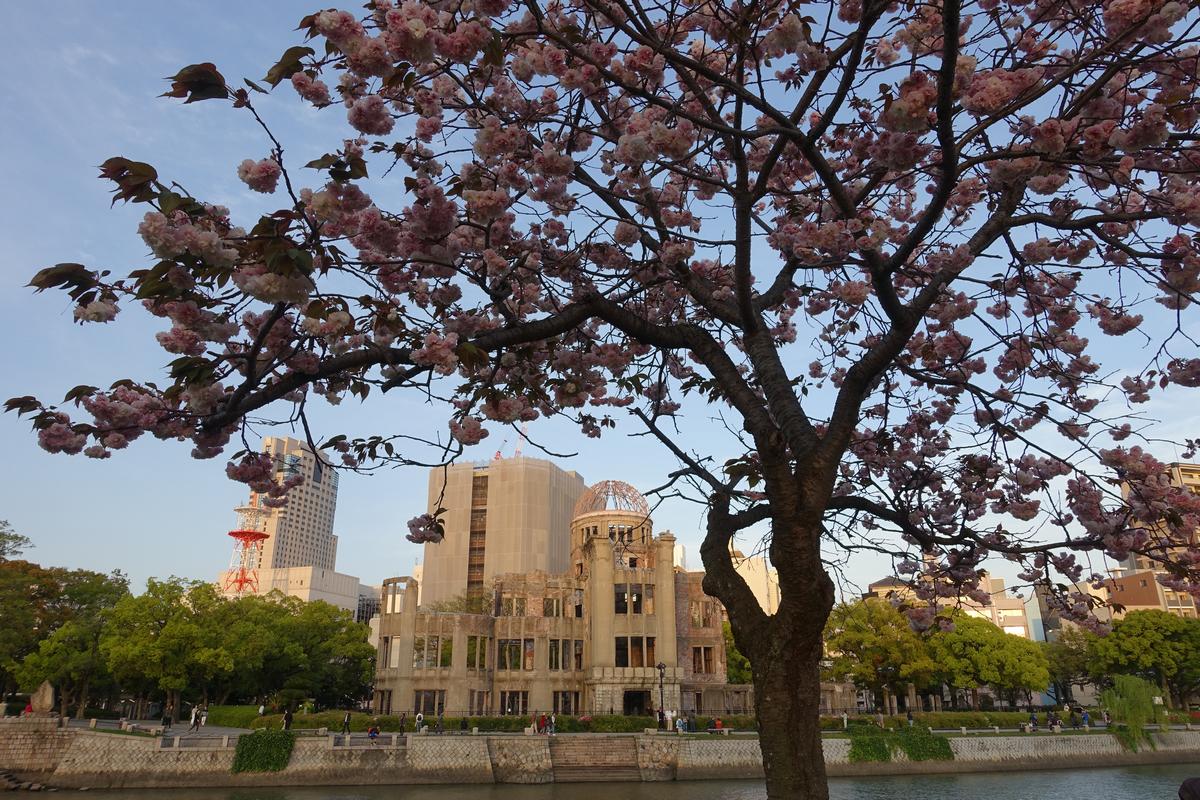
Lining the river bank opposite to the Atomic Dome were a few
carefully planted Sakura trees, and we spent a solemn moment reflecting on the
incredible nuclear destruction that occurred just 70 years ago.
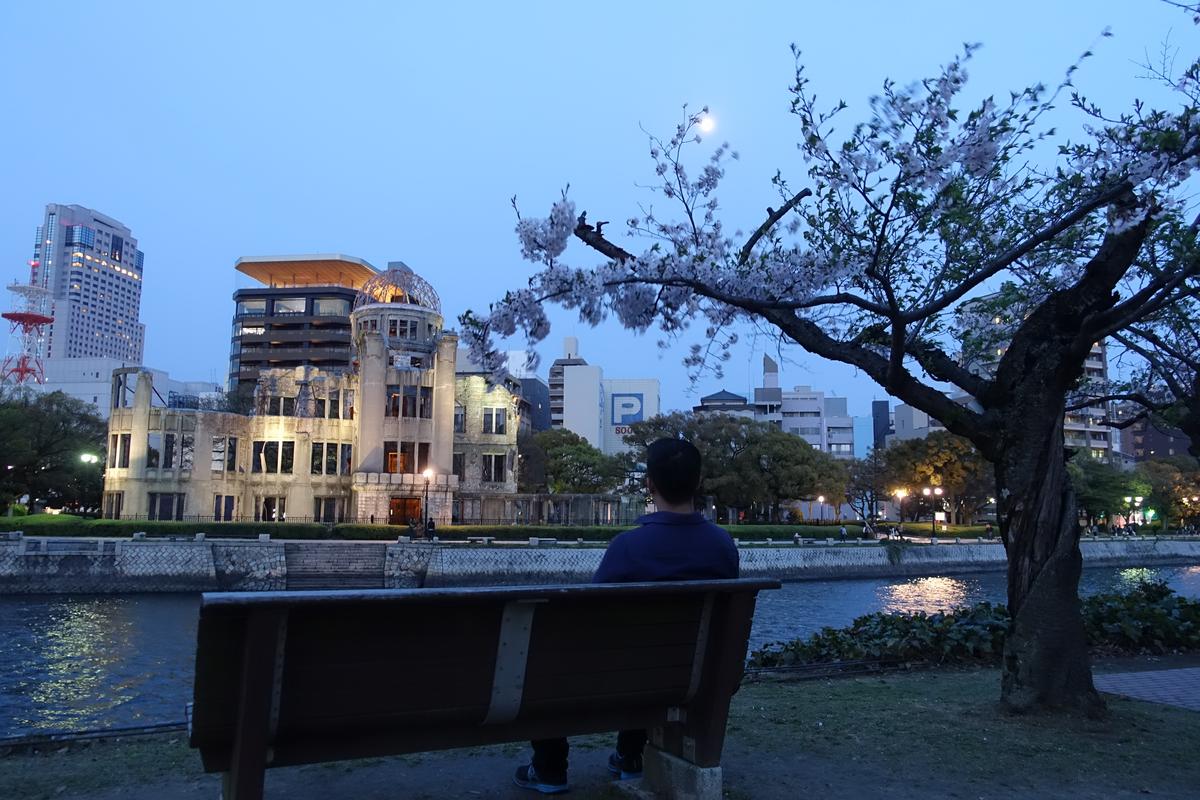
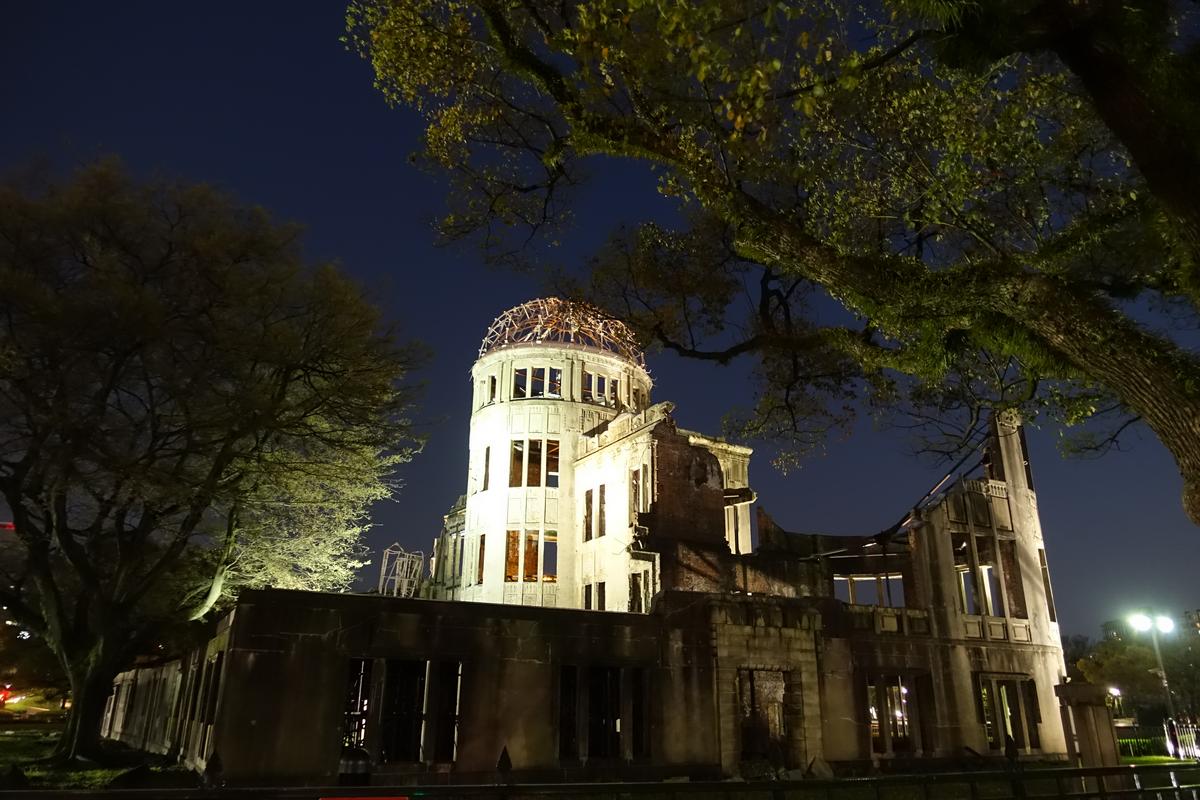
As the last glimpses of dusk faded away, the Atomic Bomb
Dome looked even more solemn and menacing: a poignant reminder of the
devastating consequence of a nuclear attack.
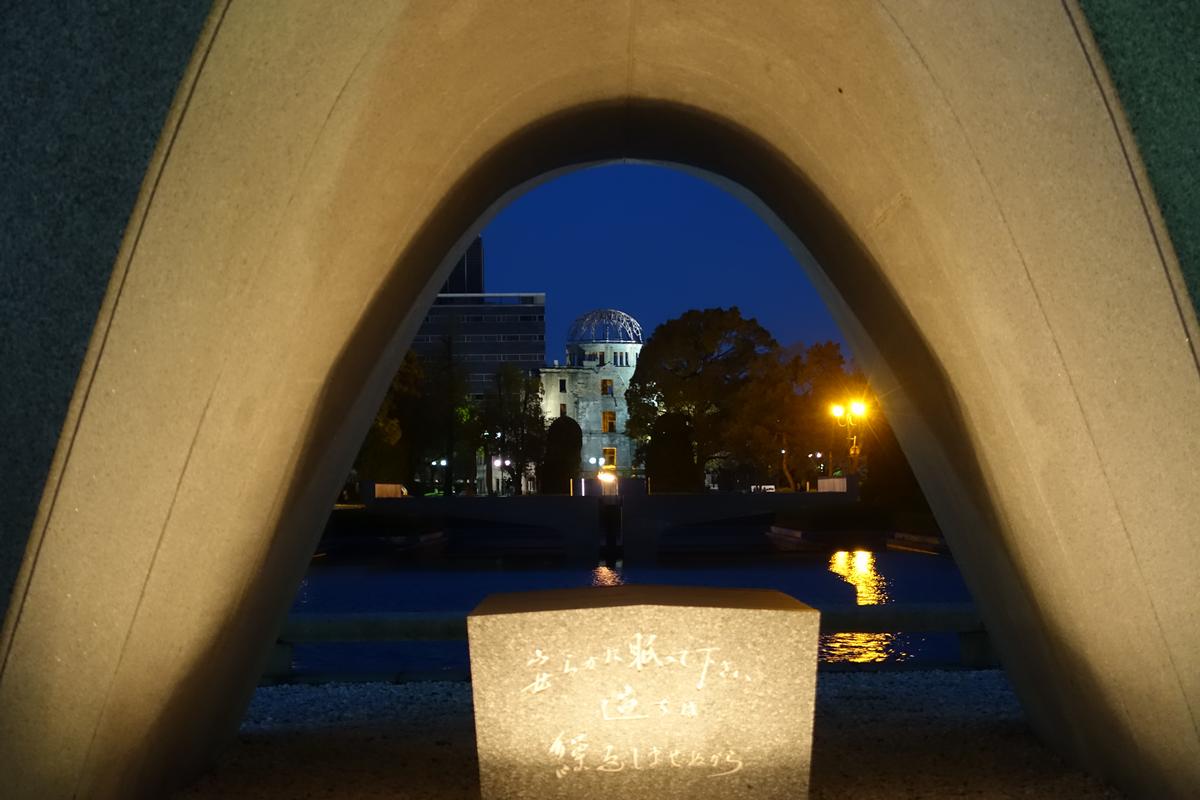
Nearby was the memorial cenotaph, which contains the names
of those who perished from the attack. Most notably, the cenotaph includes a
peace flame, which is aligned with the Atomic Bomb Dome and will continuously
burn until the planet is nuclear bomb free.
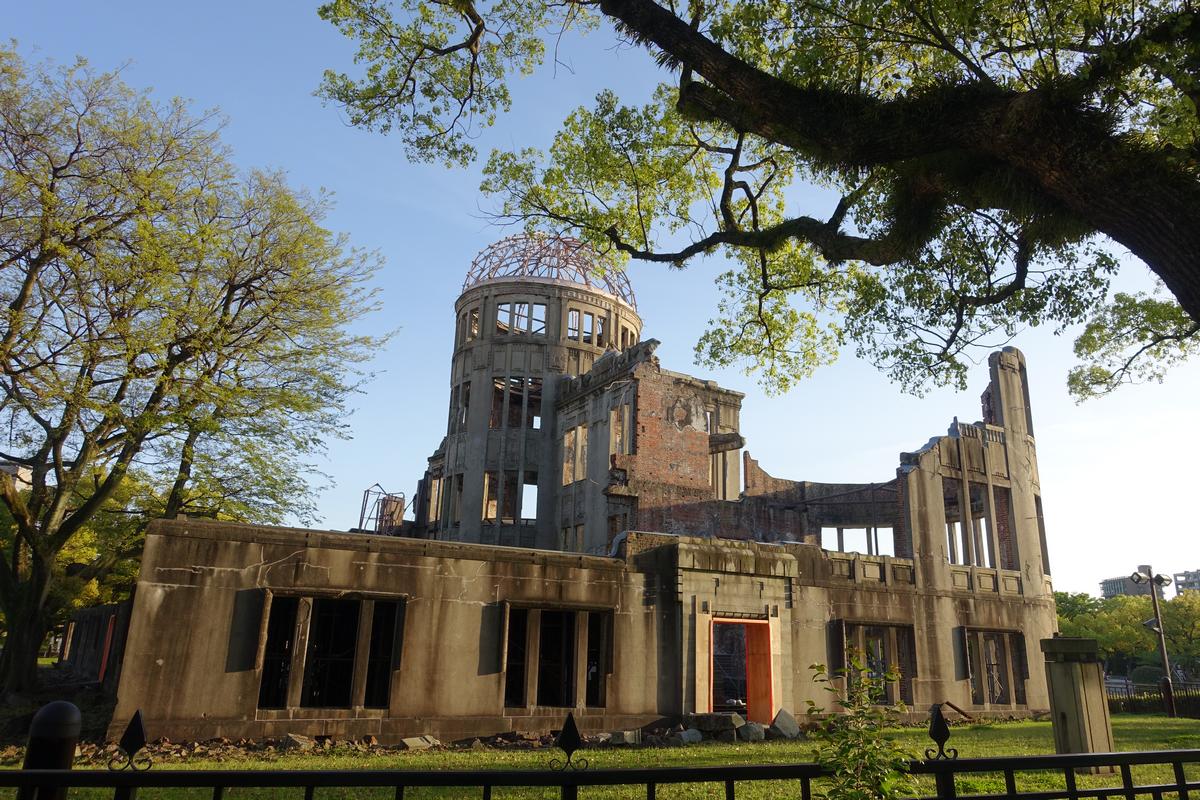
Here are a few additional photos from my previous trip to
Hiroshima showcasing the park during the daytime:
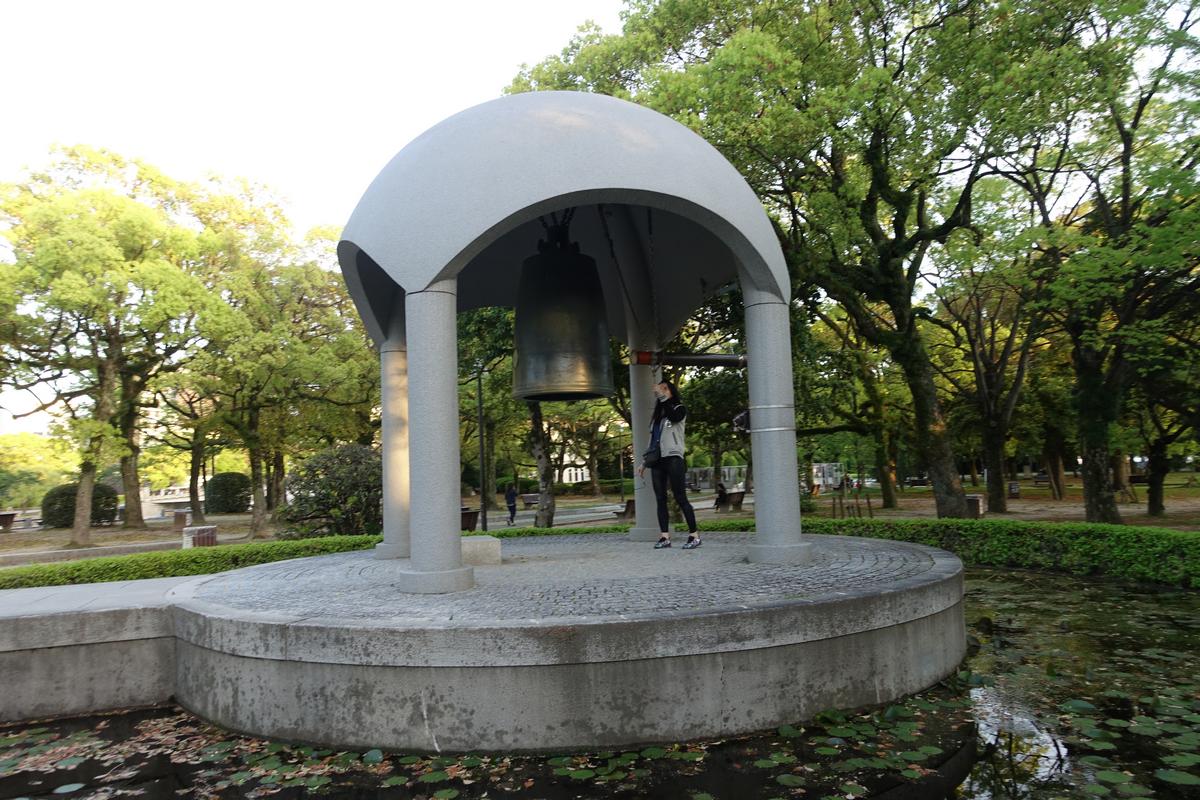
Peace Bell
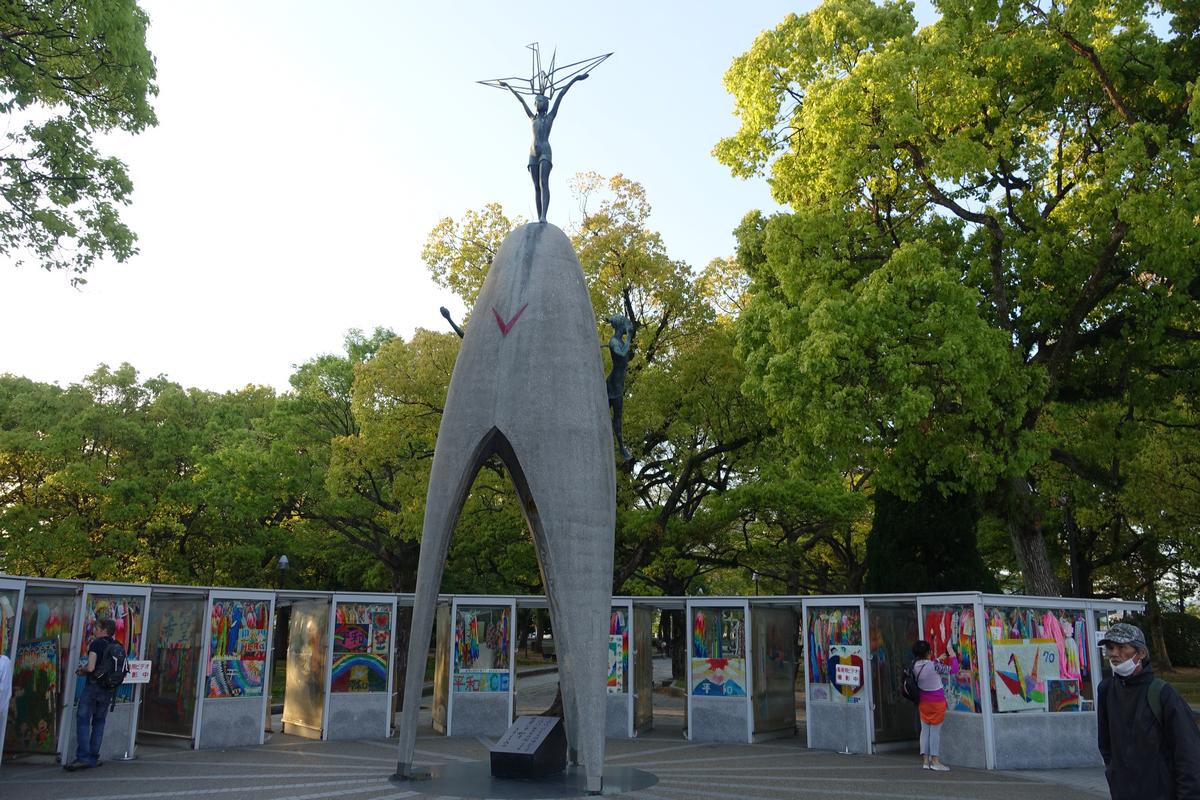
Children’s Peace Monument
While I’m typically not a museum buff, I’d highly recommend
visiting the Hiroshima Peace Memorial Museum, which provided of what happened
before and after the bomb exploded, along with various artifacts recovered from
the nuclear blast.
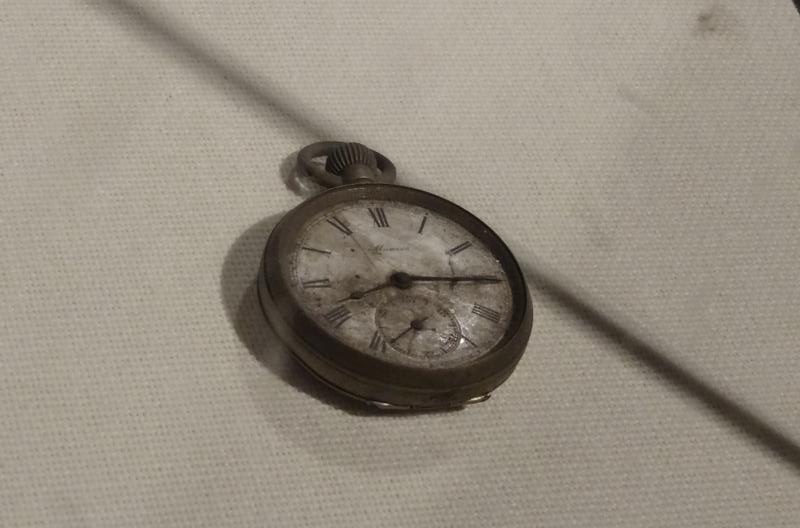
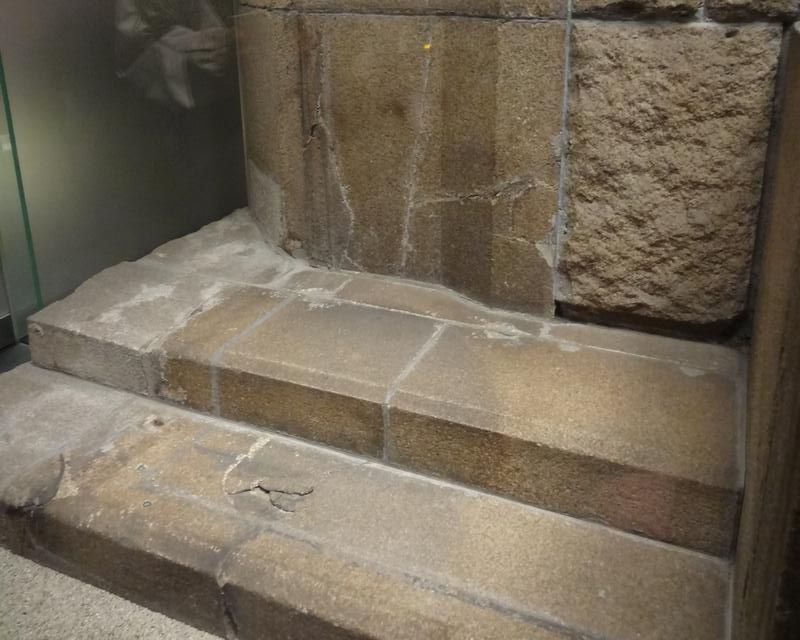
Carbon shadows left by
citizens who were instantly vaporized by the intense heat
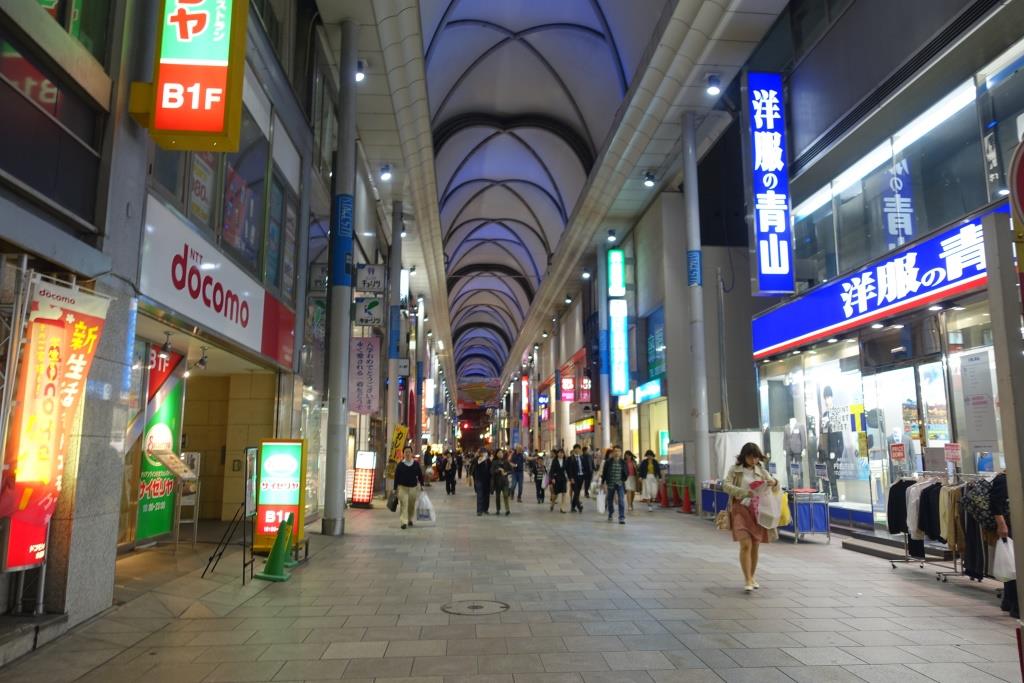
Afterwards, we headed to the nearby Hondori shopping street
nearby for some ramen at the local Ichiran branch.
If you haven’t heard of Ichiran already, it has somewhat of
a cult following, with lines that can stretch up to an hour.
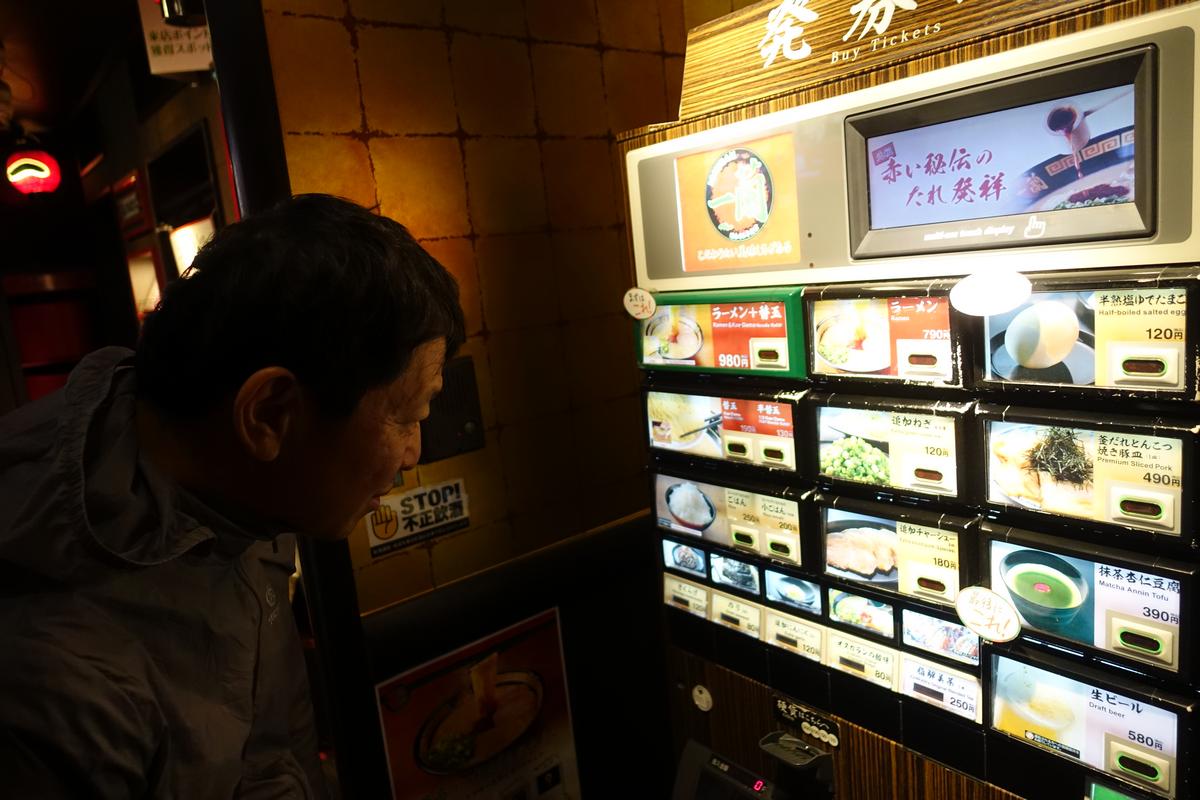
Thankfully, this wasn’t the case here, as there were plenty
of free seats to choose from and we immediately sat down after placing our
order from the ticket machine outside.
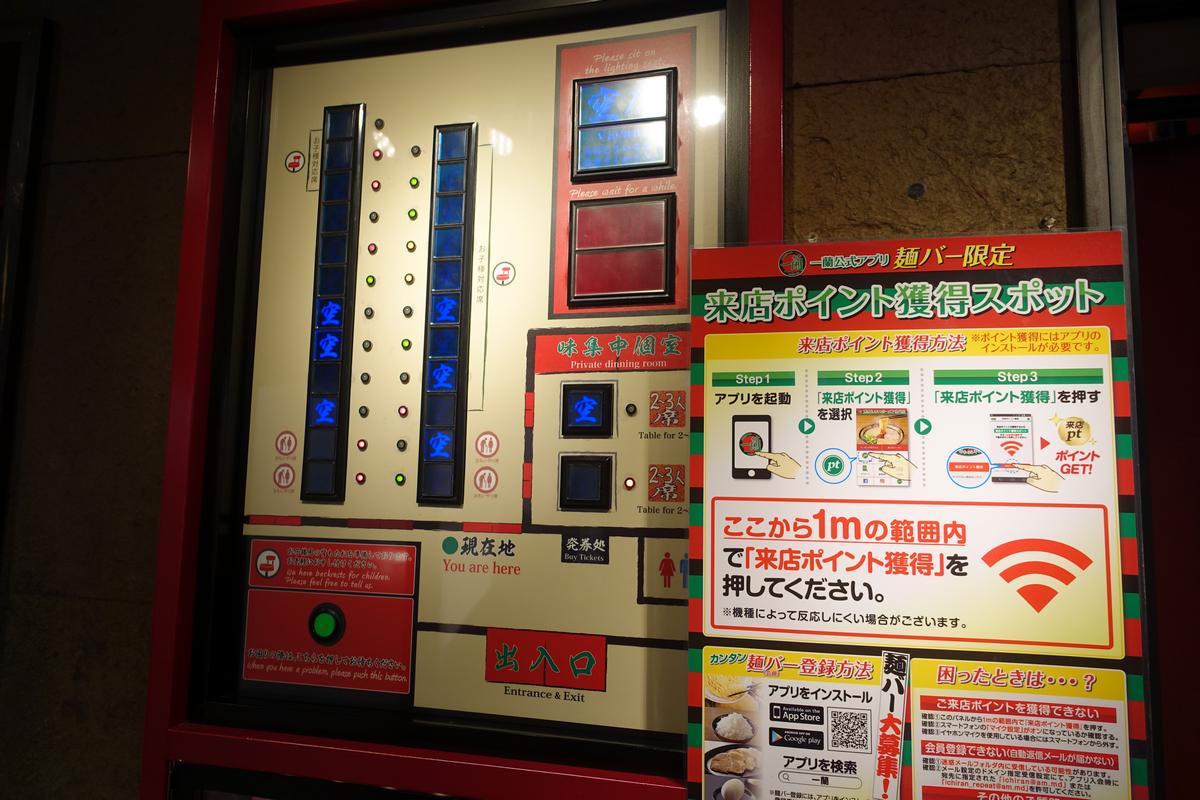
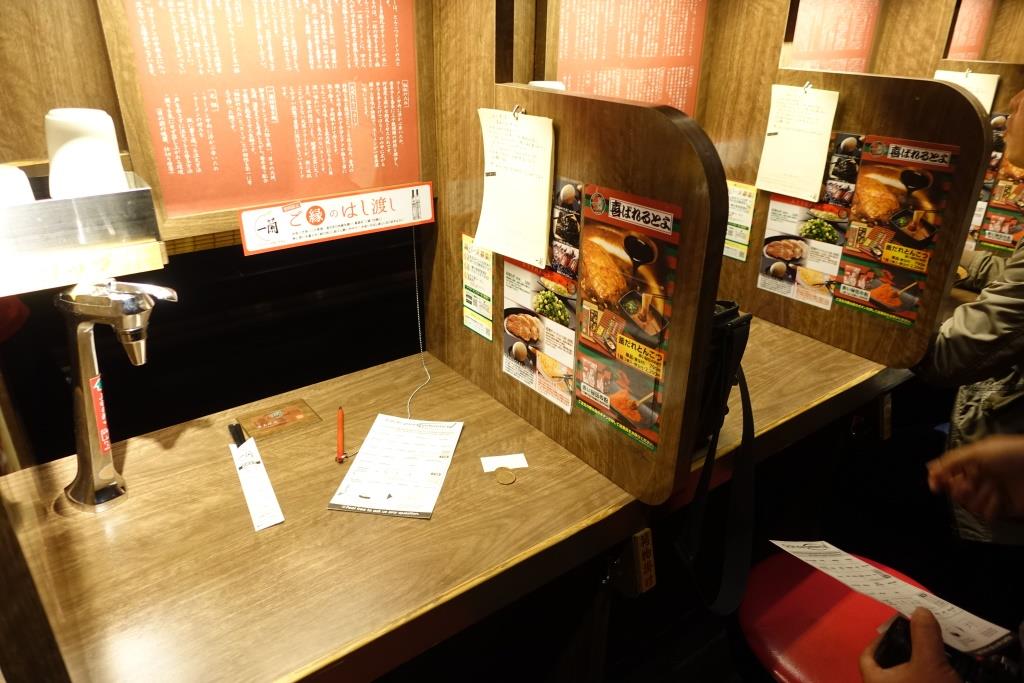
Select Your Seat
The ramen was delicious and filling, best of all the entire
total bill was around $10.
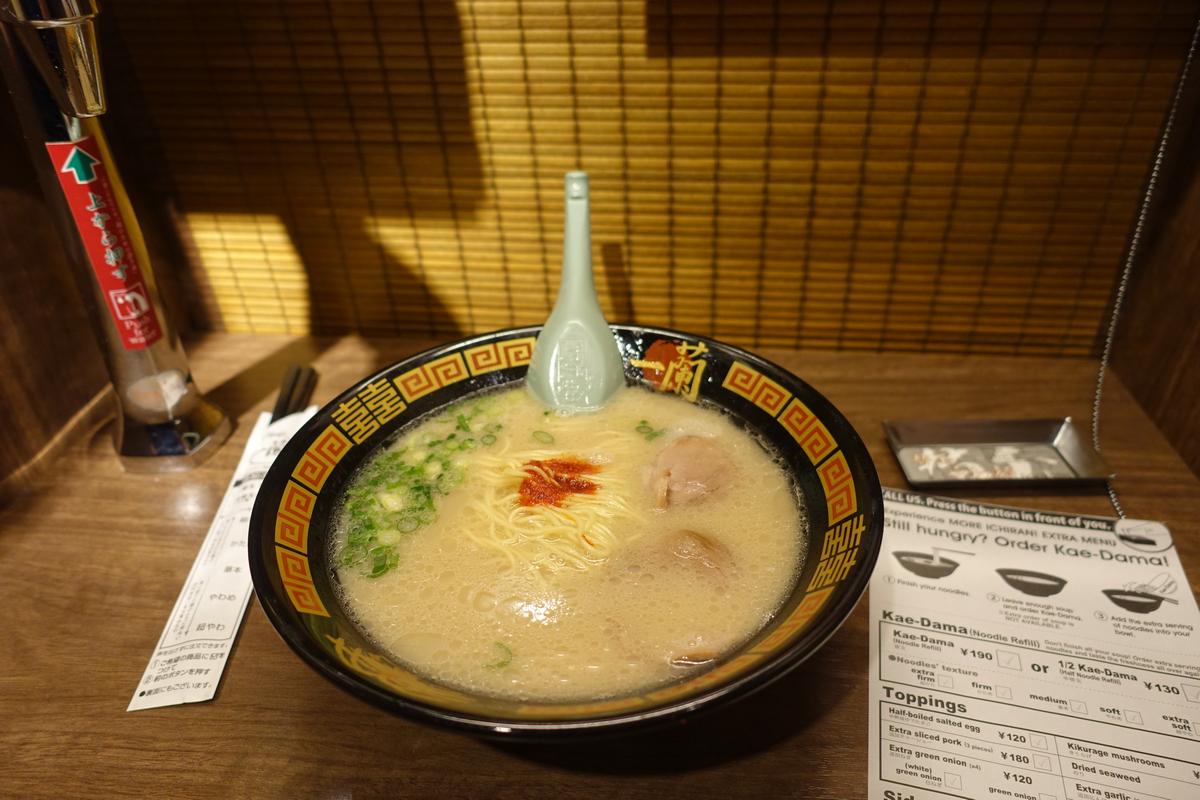
Would I spend an hour waiting in line? Probably not, but the
concept of ordering and eating ramen with almost no human interaction is an
experience every tourist to Japan should try once.
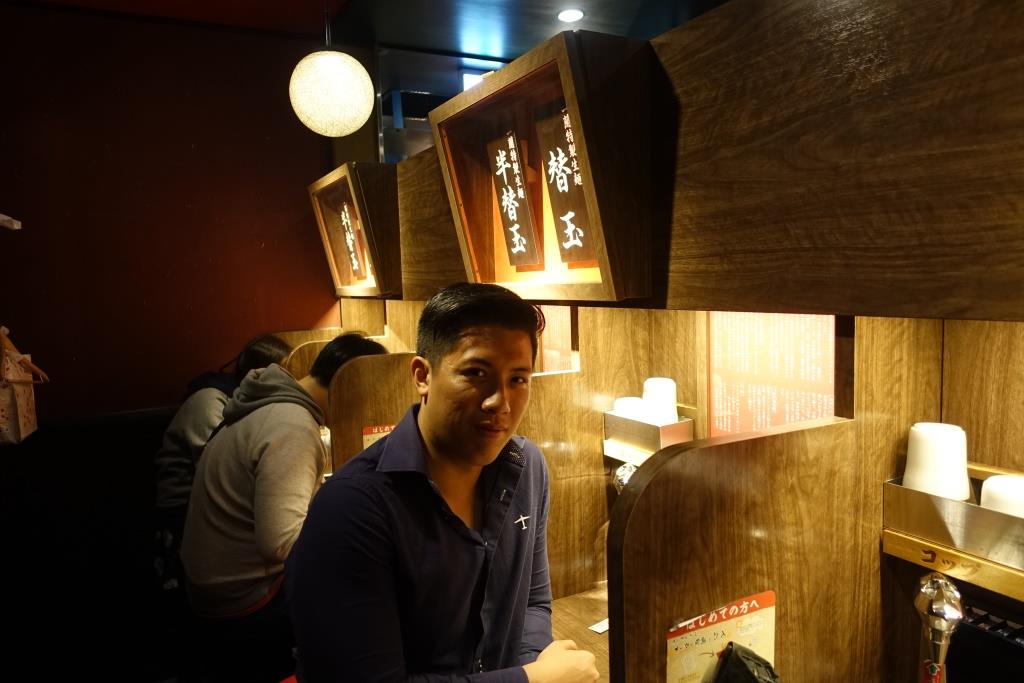
Having filled to our heart’s content, we headed back to
Okayama after another whirlwind sightseeing day.
Cherry Blossoms at Kintai Bridge in Iwakuni
After a few hours in Miyajima, we took the local San-yo Line
train to Iwakuni, a small port town known for being the home of the Kintai
Bridge, a wooden bridge with five arches built over 300 years ago.
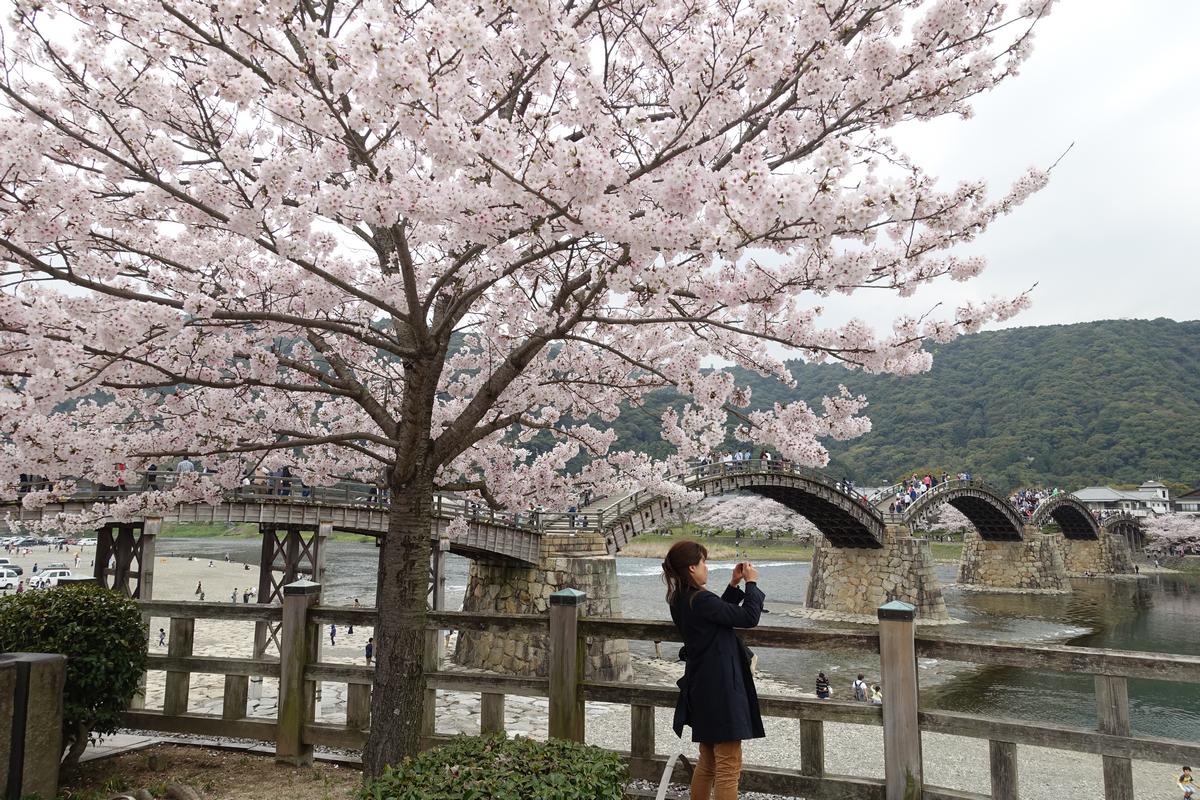
Our bus from Iwakuni station to the Kintai Bridge got stuck
in a rare Japanese traffic jam, and we instead opted to walk.
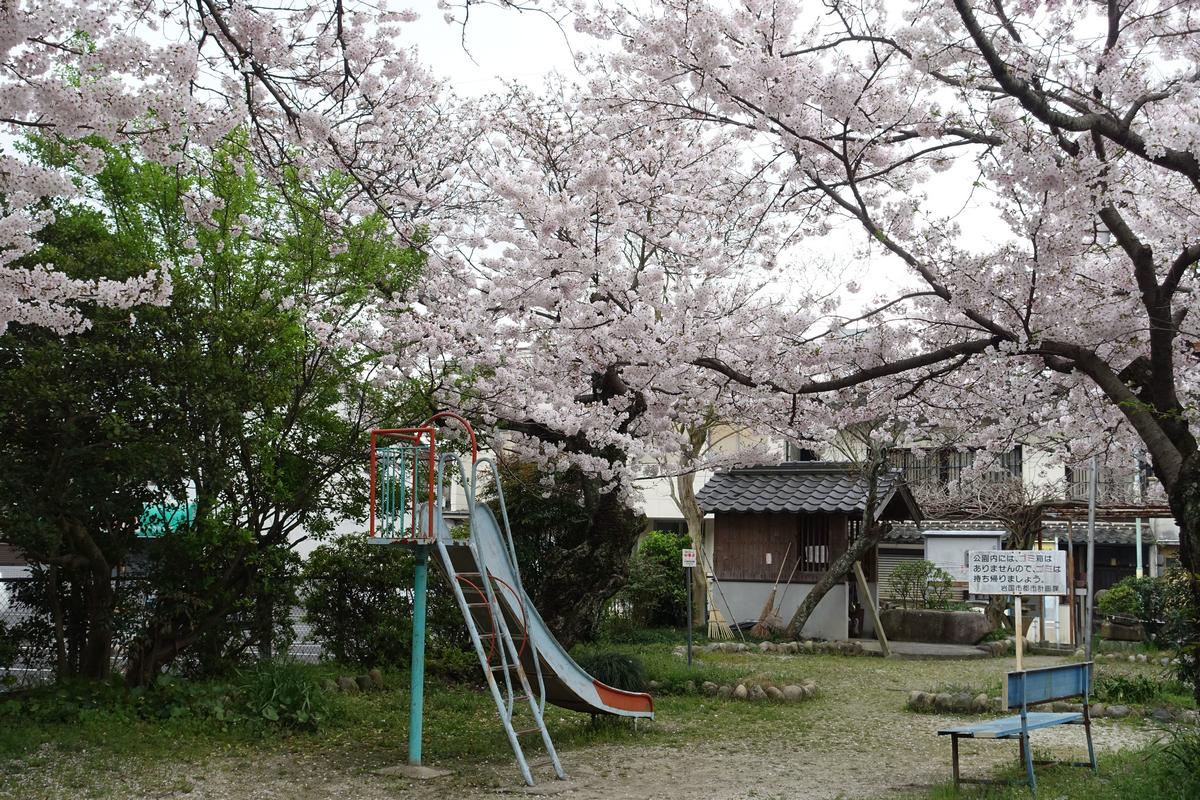
Even the blandest of
places look incredible under the cherry blossoms.
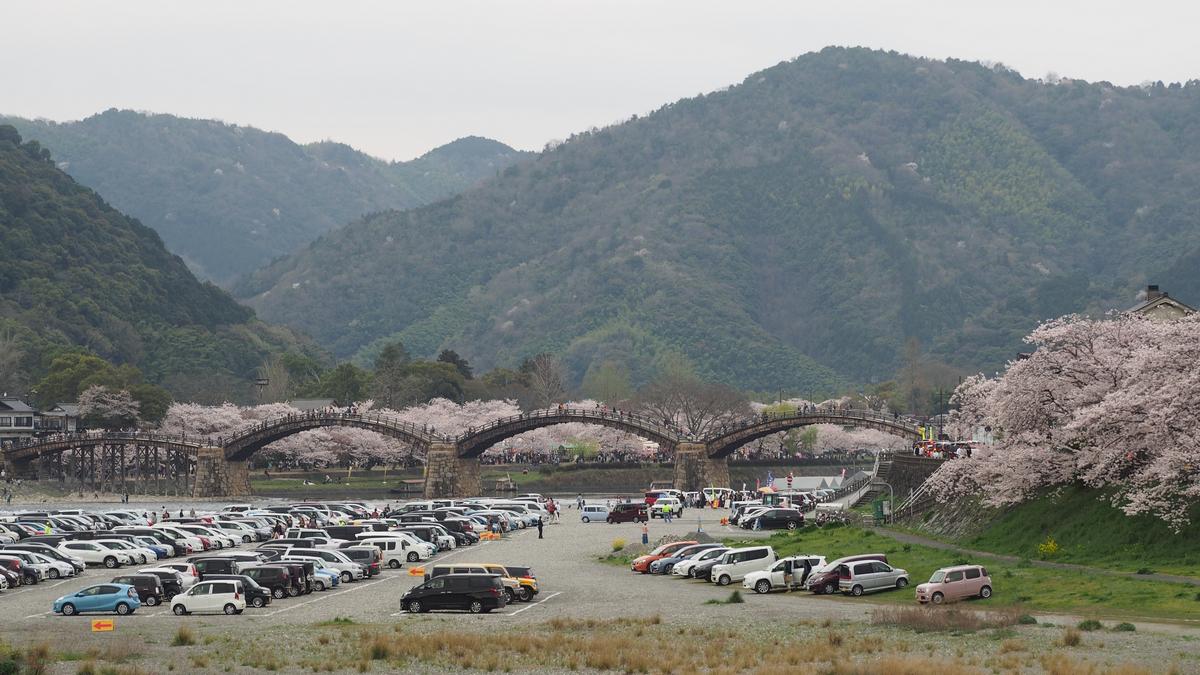
Once we finally arrived, I was taken aback by how long the
bridge actually was.
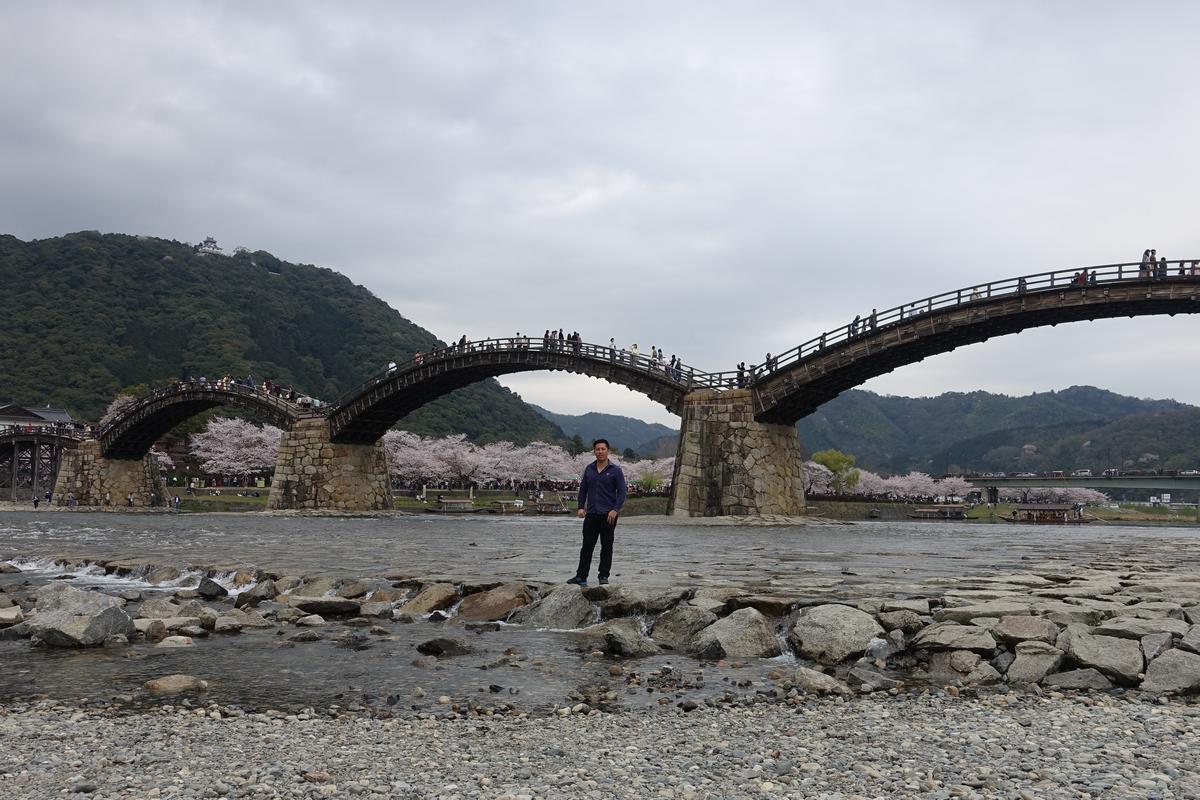
Even more impressive was the fact that the original bridge
built over 300 years ago contained no nails! Sadly the original structure
washed away in the 1950’s and was later rebuilt, this time with a modern
support structure.
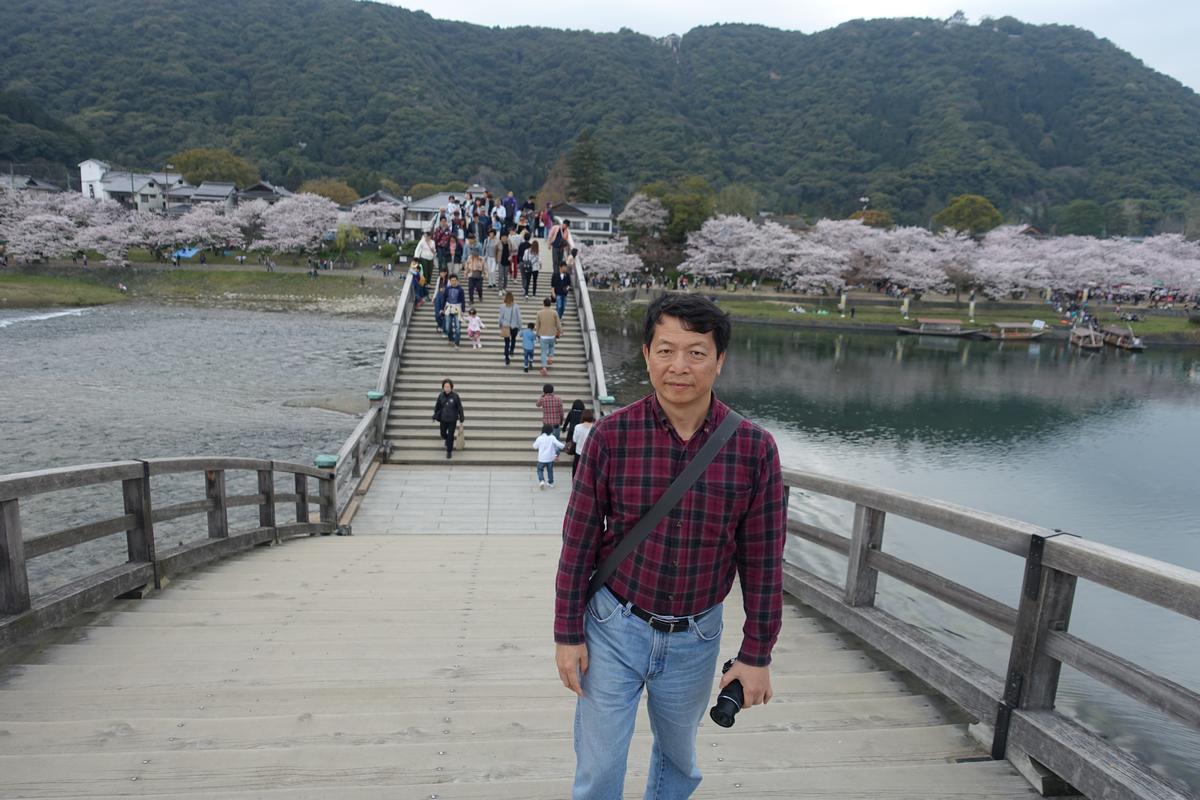
As expected, the bridge itself was filled with throngs of
local tourists. However, since the crowd was overwhelmingly Japanese, this made
it an ideal place to people watch.
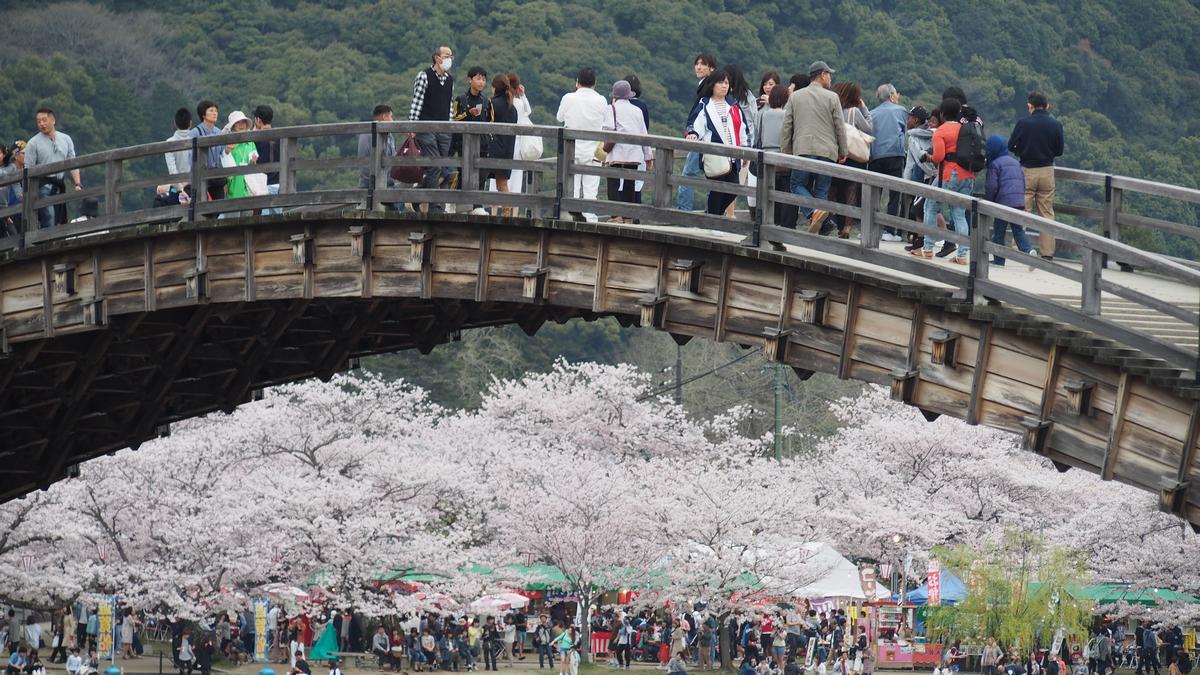
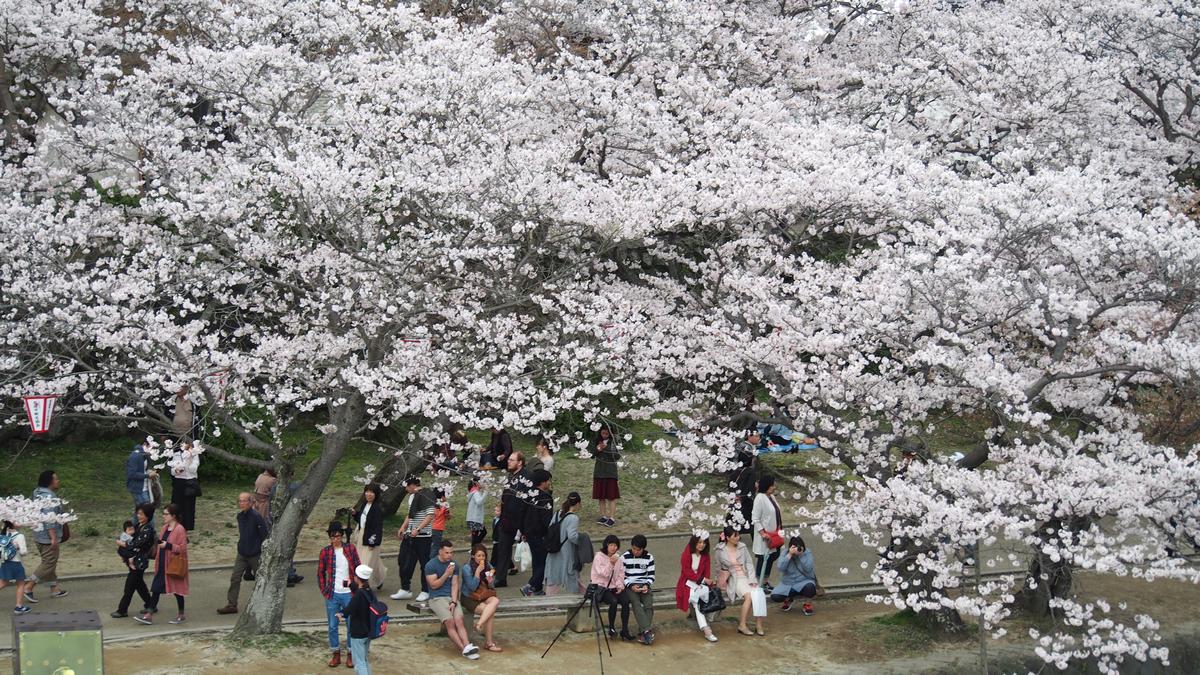
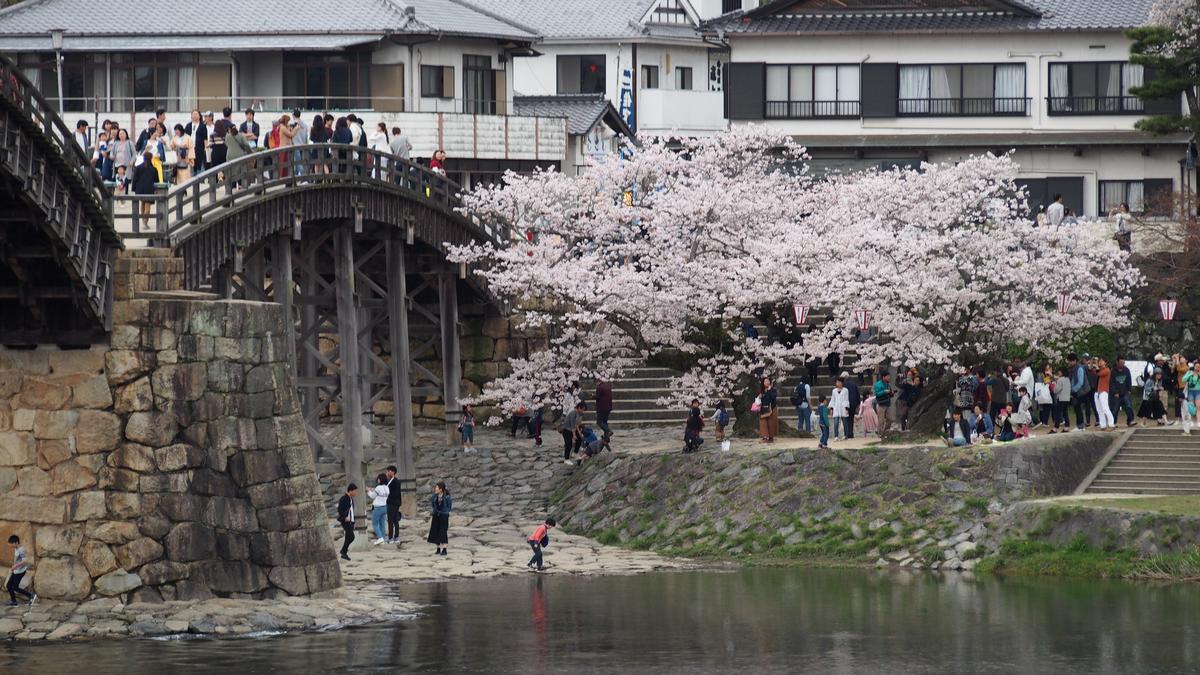
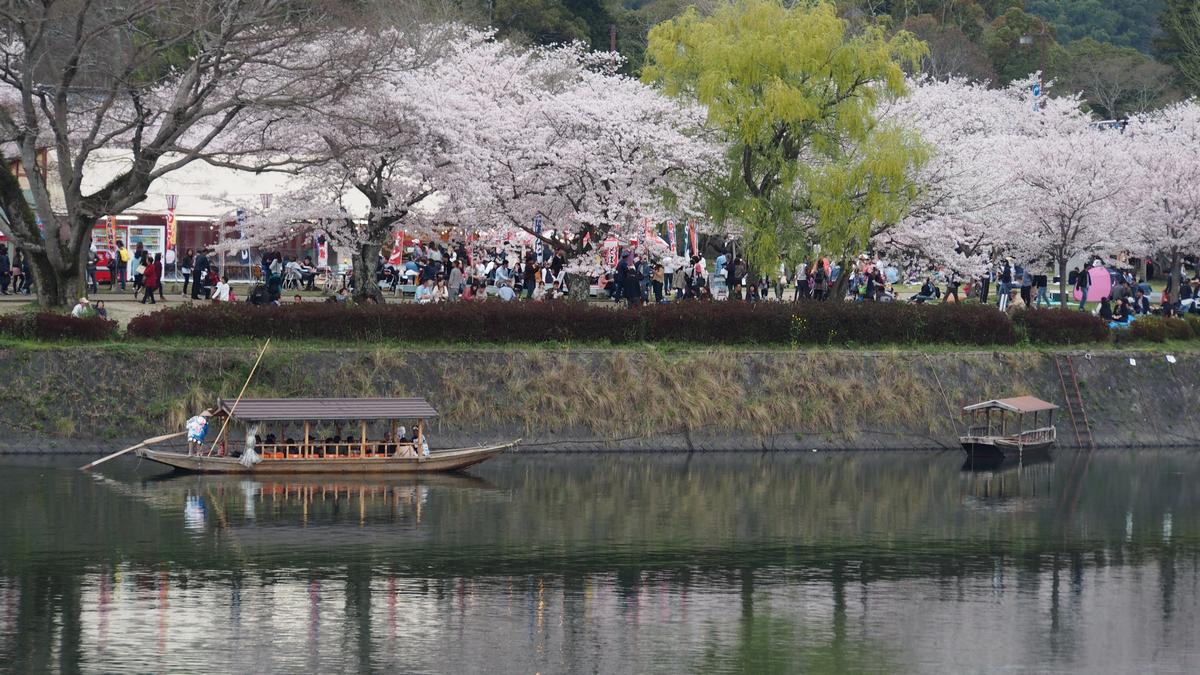
Sakura trees line both sides of the river bank, and quite a
few tourists were riding on one of the many riverboat cruises, although they
seemed to be merely going around in a small circle.
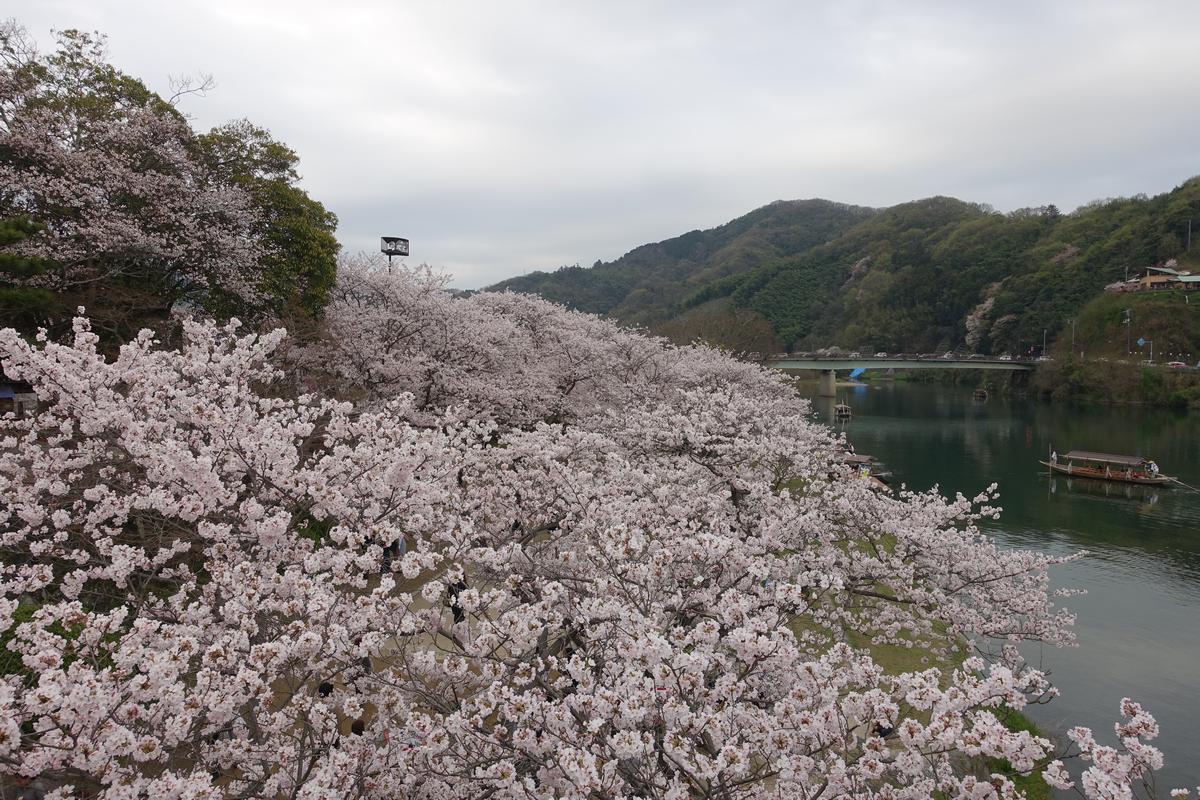
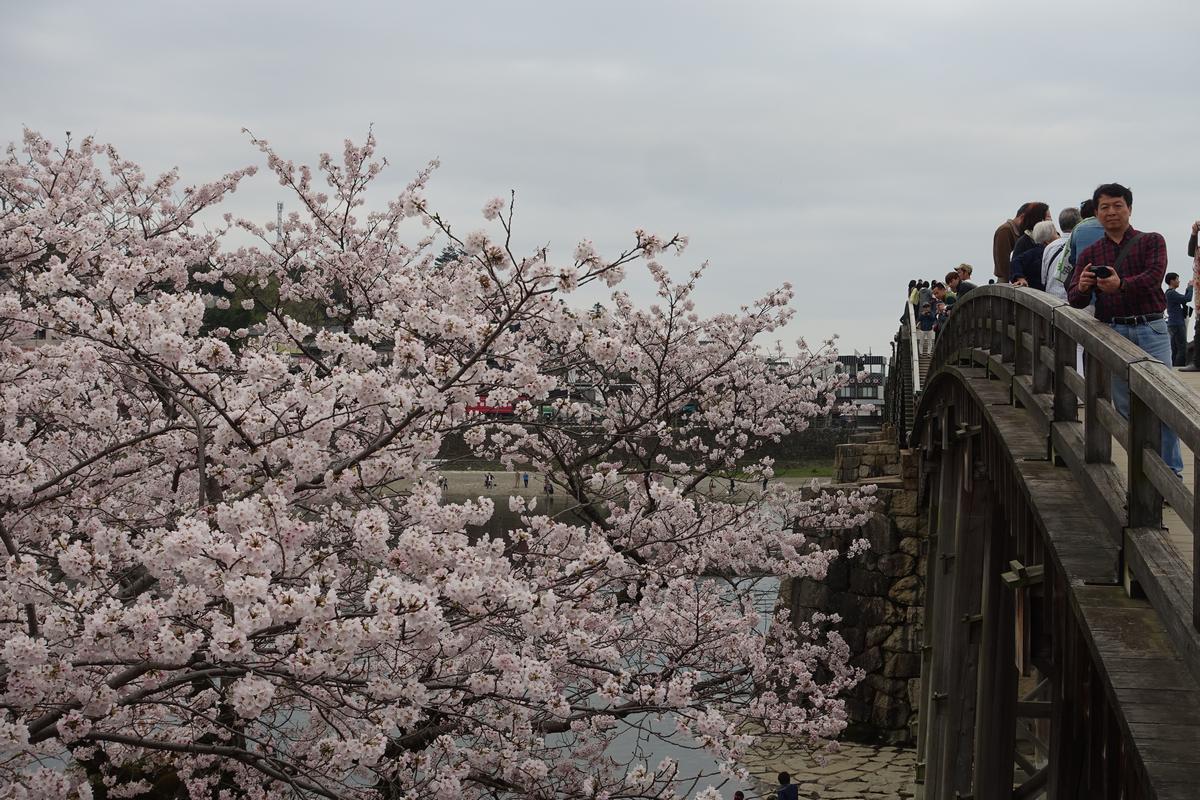
One unique aspect of the bridge is that it allows you to see
the Sakura trees at canopy level, resulting in some pretty exciting vantage
points.
As the sun was starting to set, we headed to the closest
local train station, which was around a 30-minute walk.
Compared to the packed JR commuter trains, this homely train
had precisely one carriage and seemed to be a relic from the past.
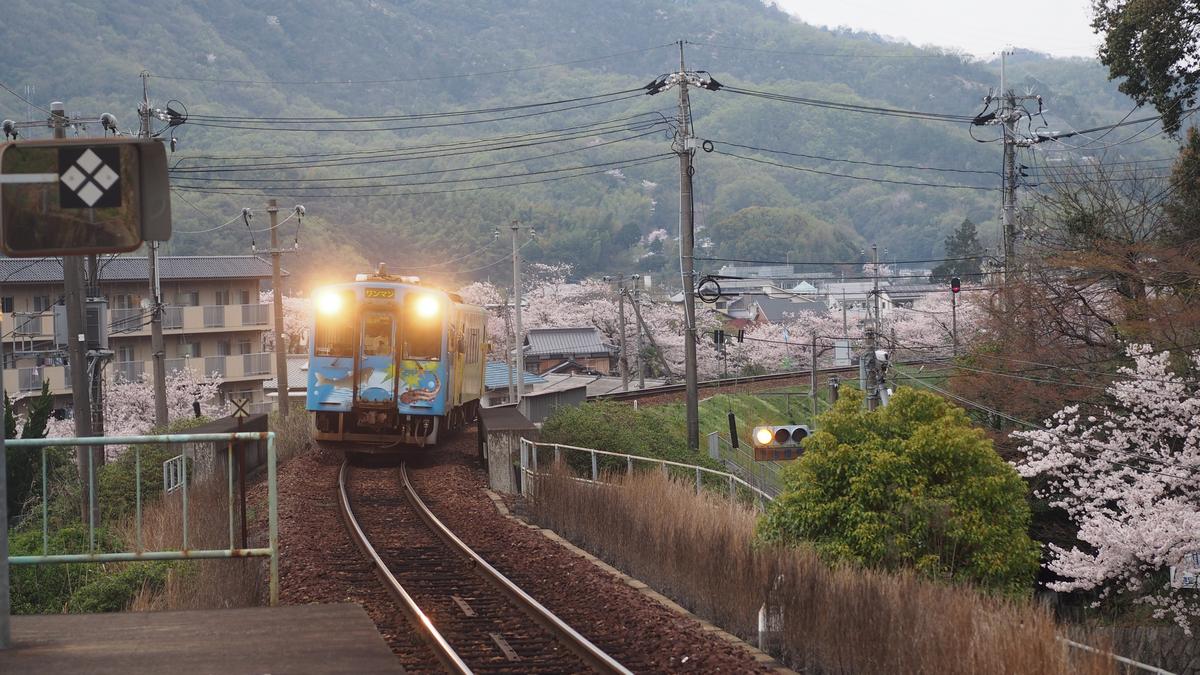
After a 6 minute ride, we arrived at Shin-Iwakuni station
and took a short 15-minute Shinkansen ride to Hiroshima.
Overall, while our day trip was a bit rushed, if you plan
ahead I would say visiting both Iwakuni and Miyajima on the same day to be
feasible. Make sure you leave Iwakuni before the sunset as walking in the dark
would not be ideal.