Hello world!
Welcome to WordPress. This is your first post. Edit or delete it, then start writing!
Welcome to WordPress. This is your first post. Edit or delete it, then start writing!
After an unforgettable visit to the Derwaza Crater, my tour
guide and I gathered for a traditional desert dinner featuring lamb cooked over
an open fire pit. After eating half roasted meat, my tour guide offered me a
shot of vodka for “digestive health,” which I politely declined. That
night, when nature inevitably called, I deeply regretted not accepting his wise
offer.
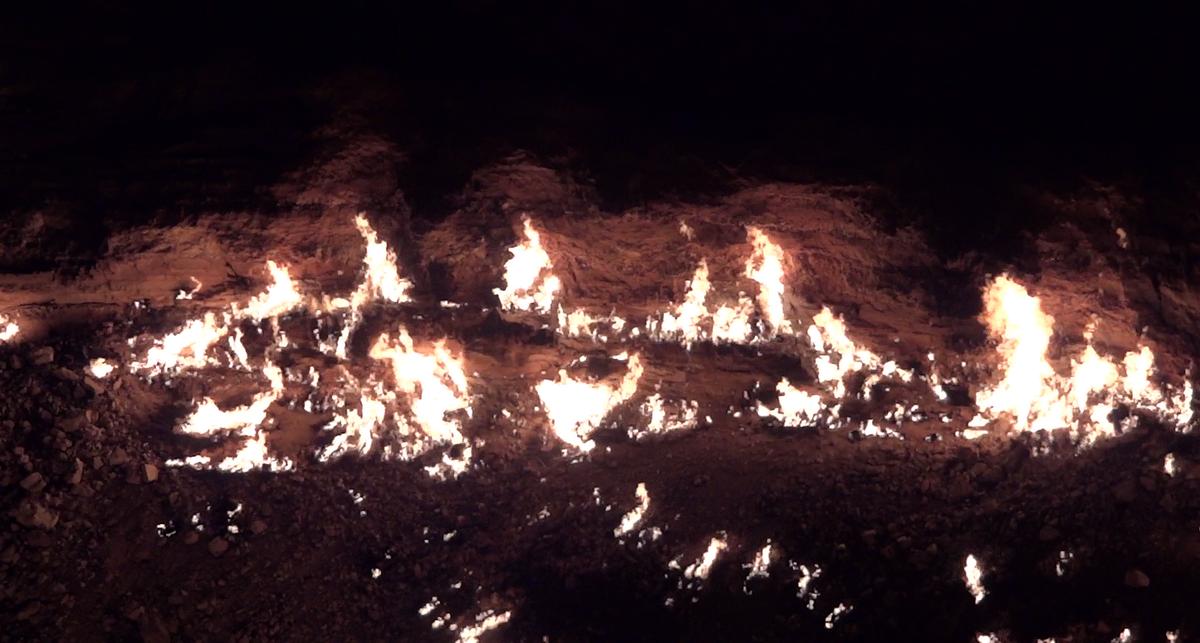
Returning to the crater the next morning, I noticed how the
flames appeared significantly subdued in the sunlight.
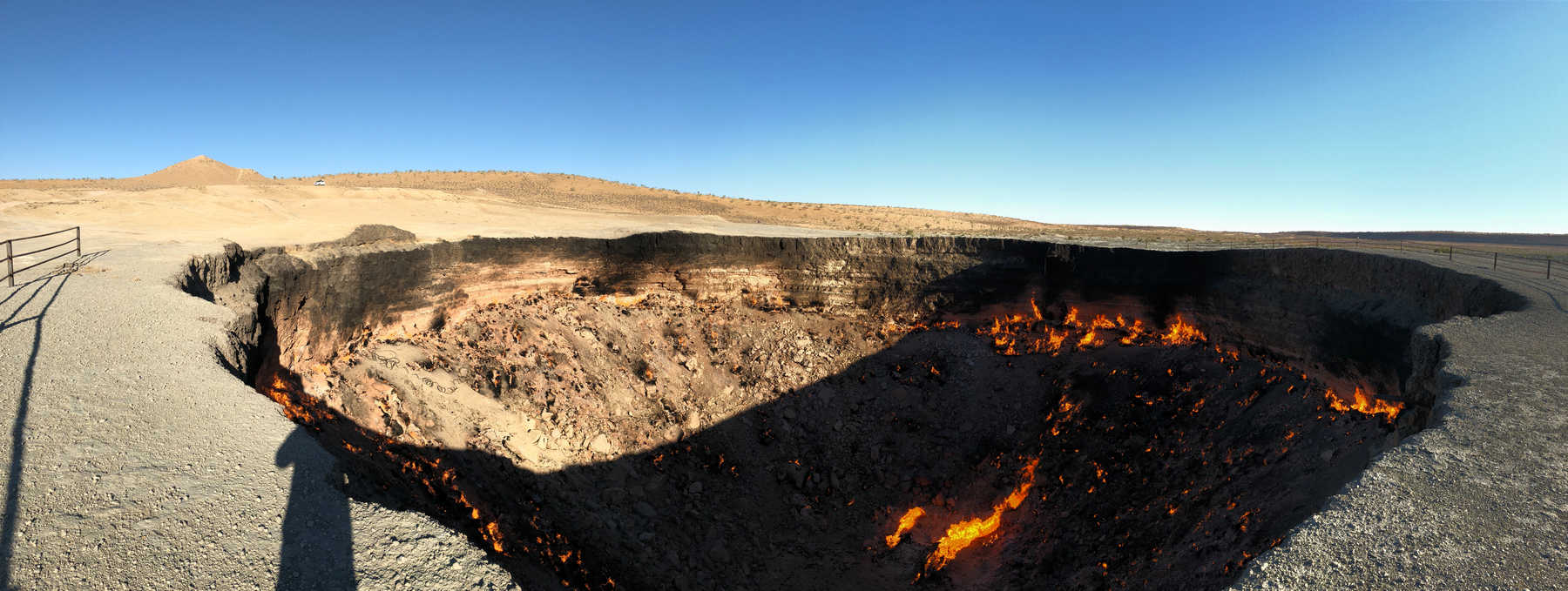
The heat radiating from the crater is intense: depending on
the wind direction, you either enjoy a pleasant desert breeze or feel like
you’re being blasted by the world’s largest sauna.
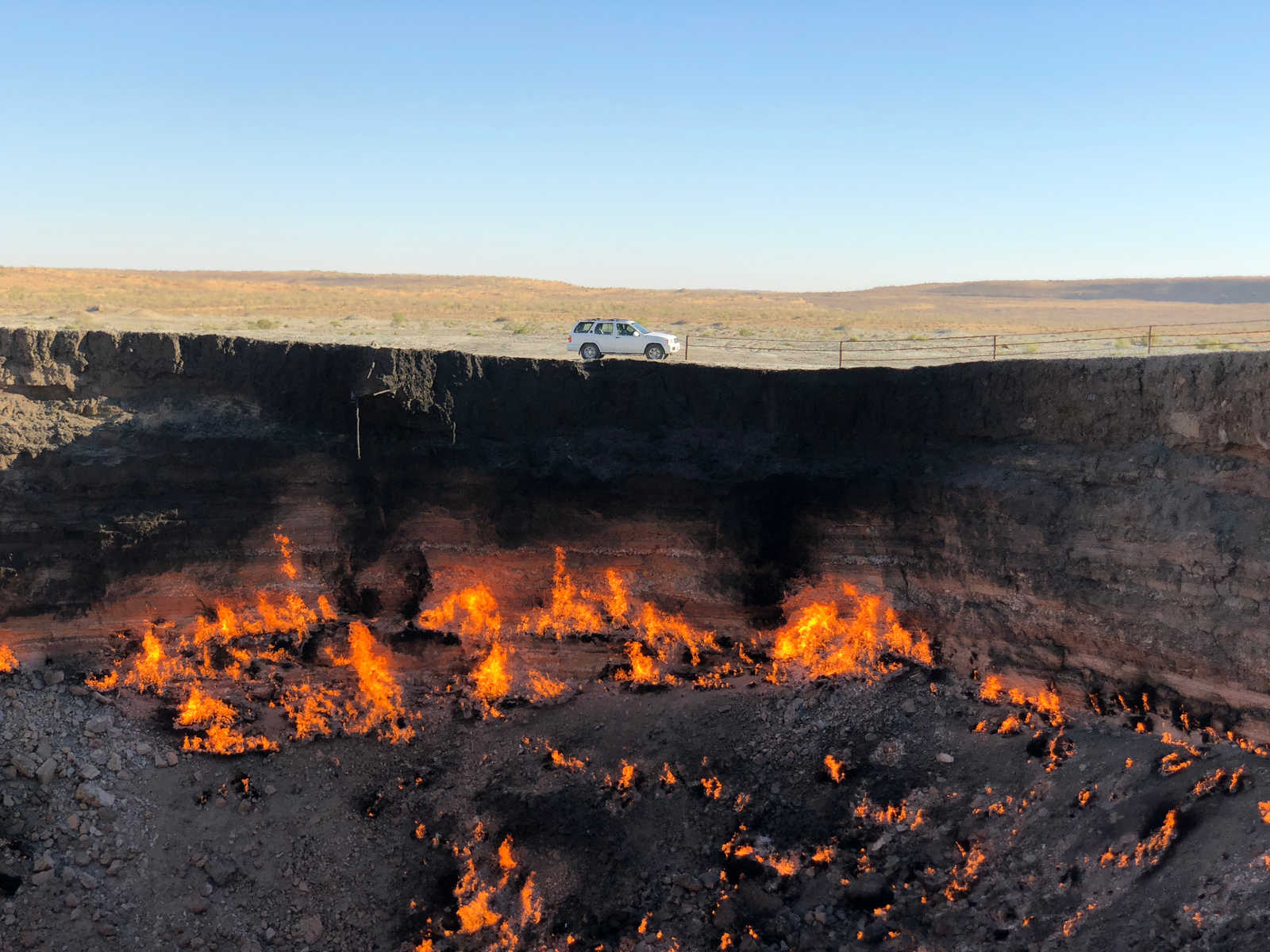
Perhaps the most striking feature is the complete absence of
safety barriers with nothing in the way between you and the massive burning
pit.
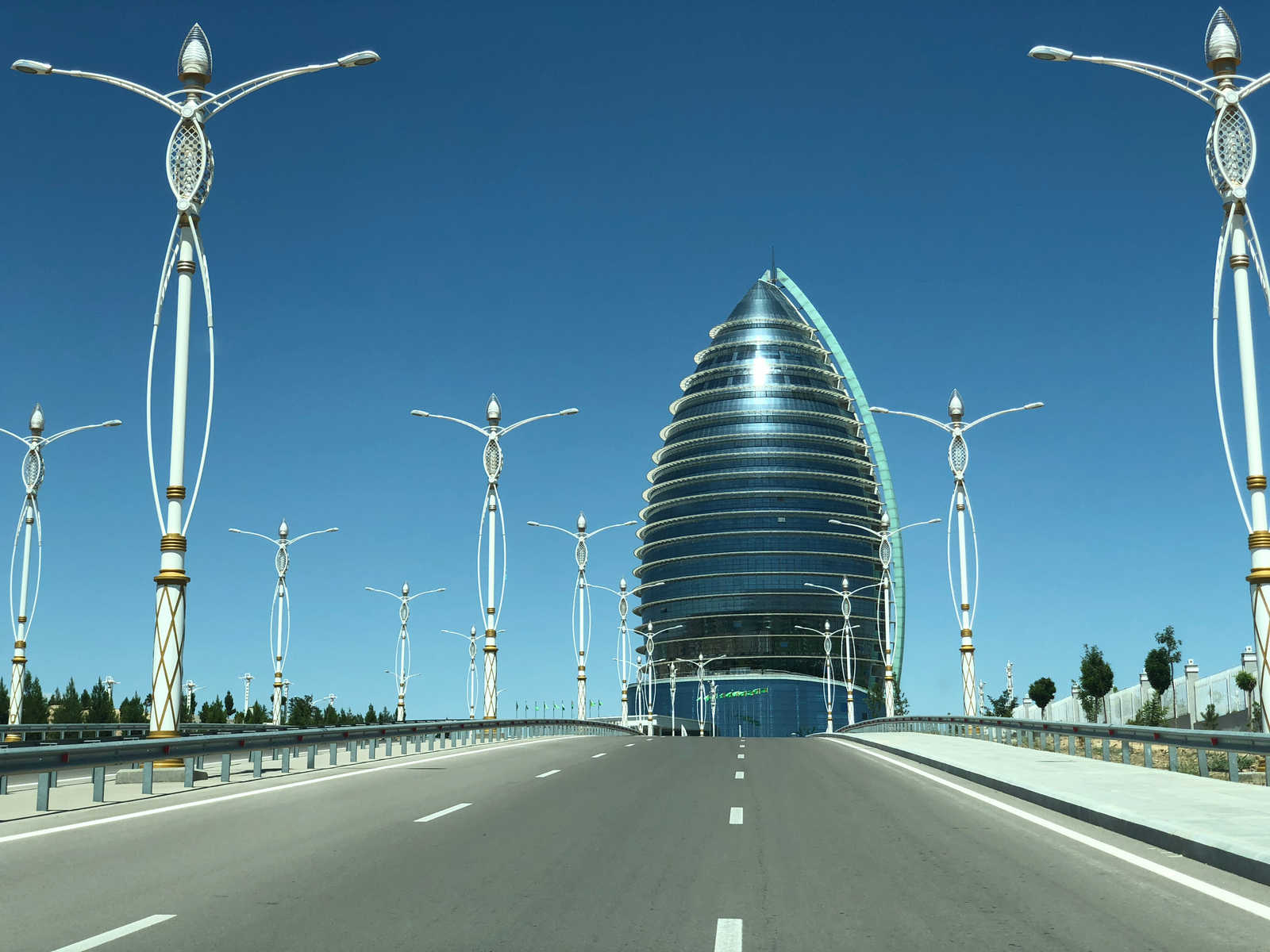
We headed to Ashgabat and the Yyldyz Hotel, reportedly the most
luxurious hotel in Turkmenistan. After roughing it in the desert, this grand
property was a sight for sore eyes. Perched prominently on a hillside, the
hotel features distinctive architecture that, depending on your perspective,
resembles either a gleaming missile or an elaborate beehive.
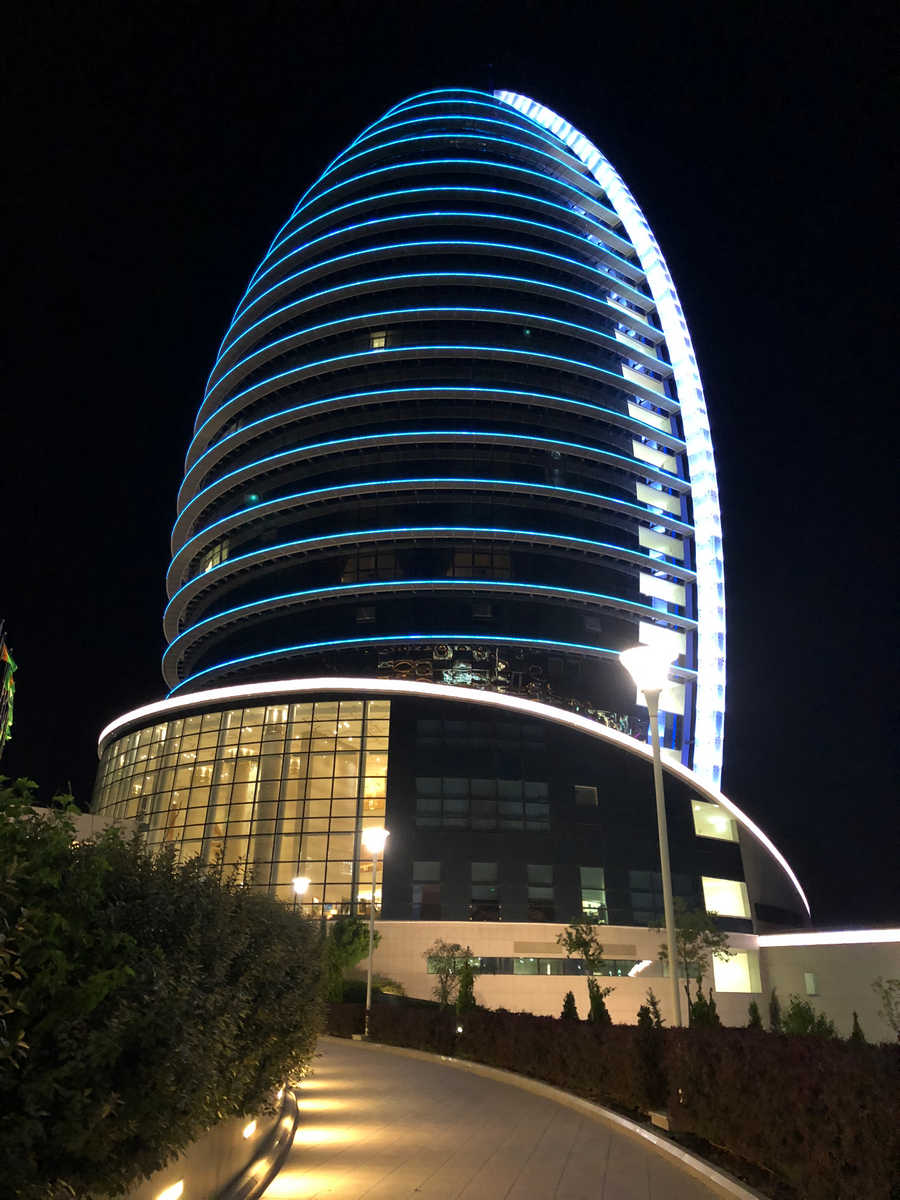
It’s an unmistakable landmark in Ashgabat’s skyline,
particularly at night when illumination gives it an almost spaceship-like
appearance.
At around $150 per night, the hotel offers surprising value
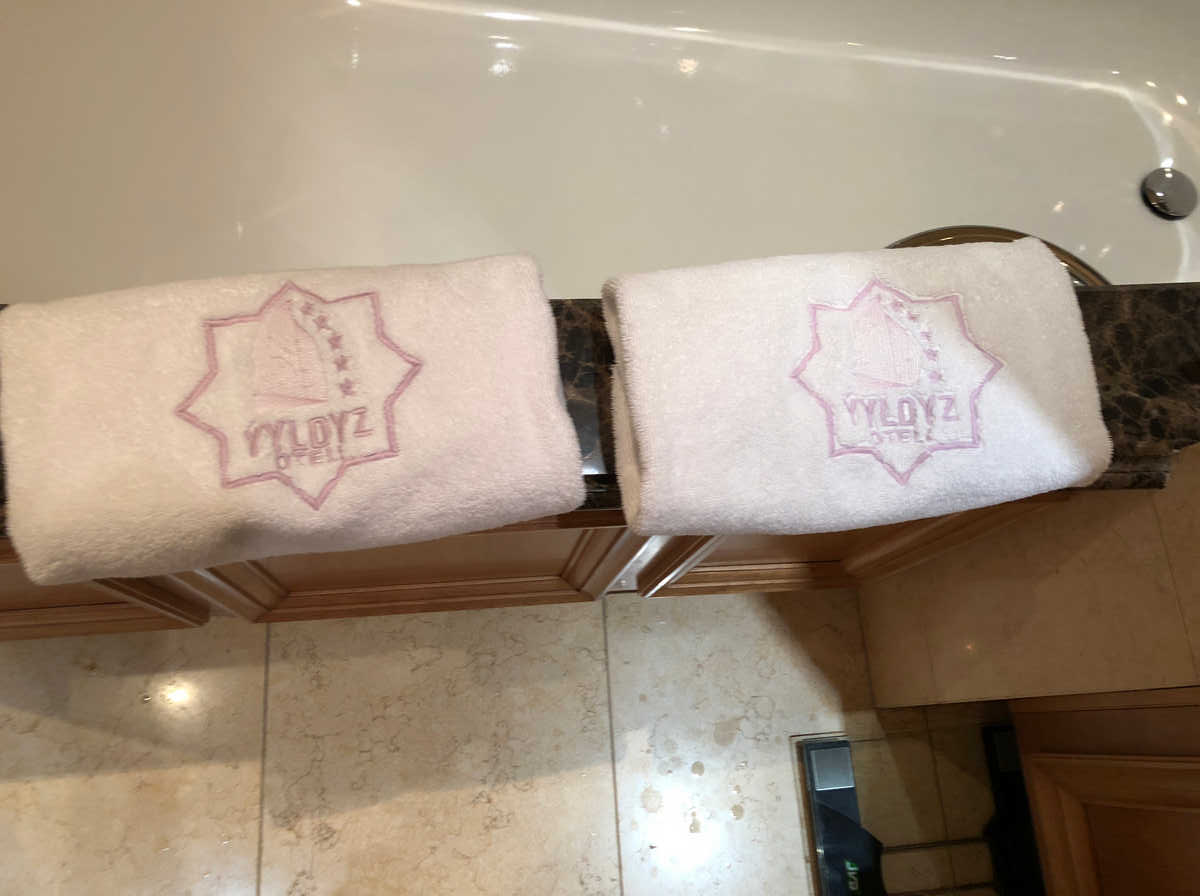
for a luxury property. The hotel even has its own branded towels and amenities.
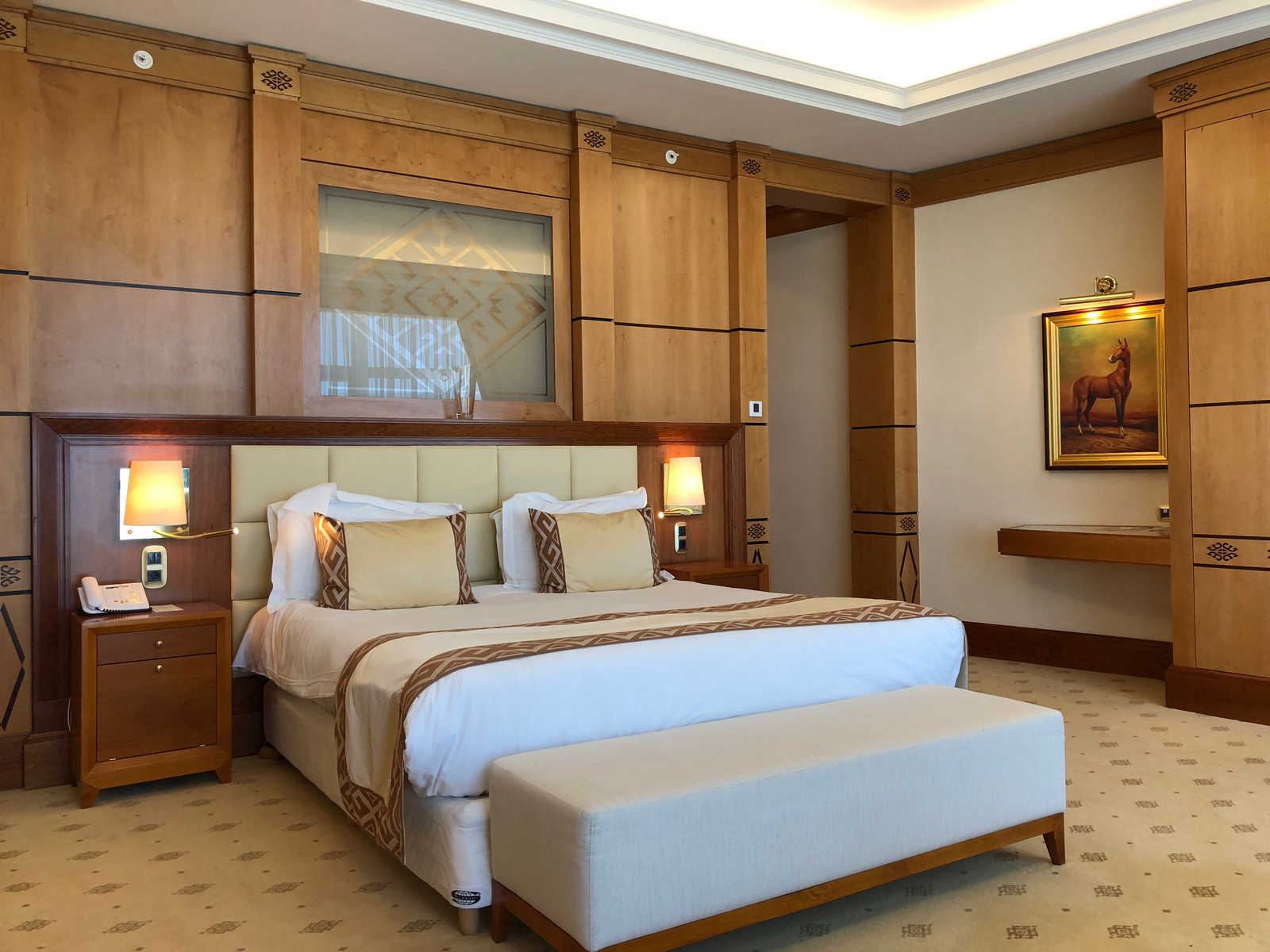
The room itself would feel right at home in any upscale Middle Eastern
property.
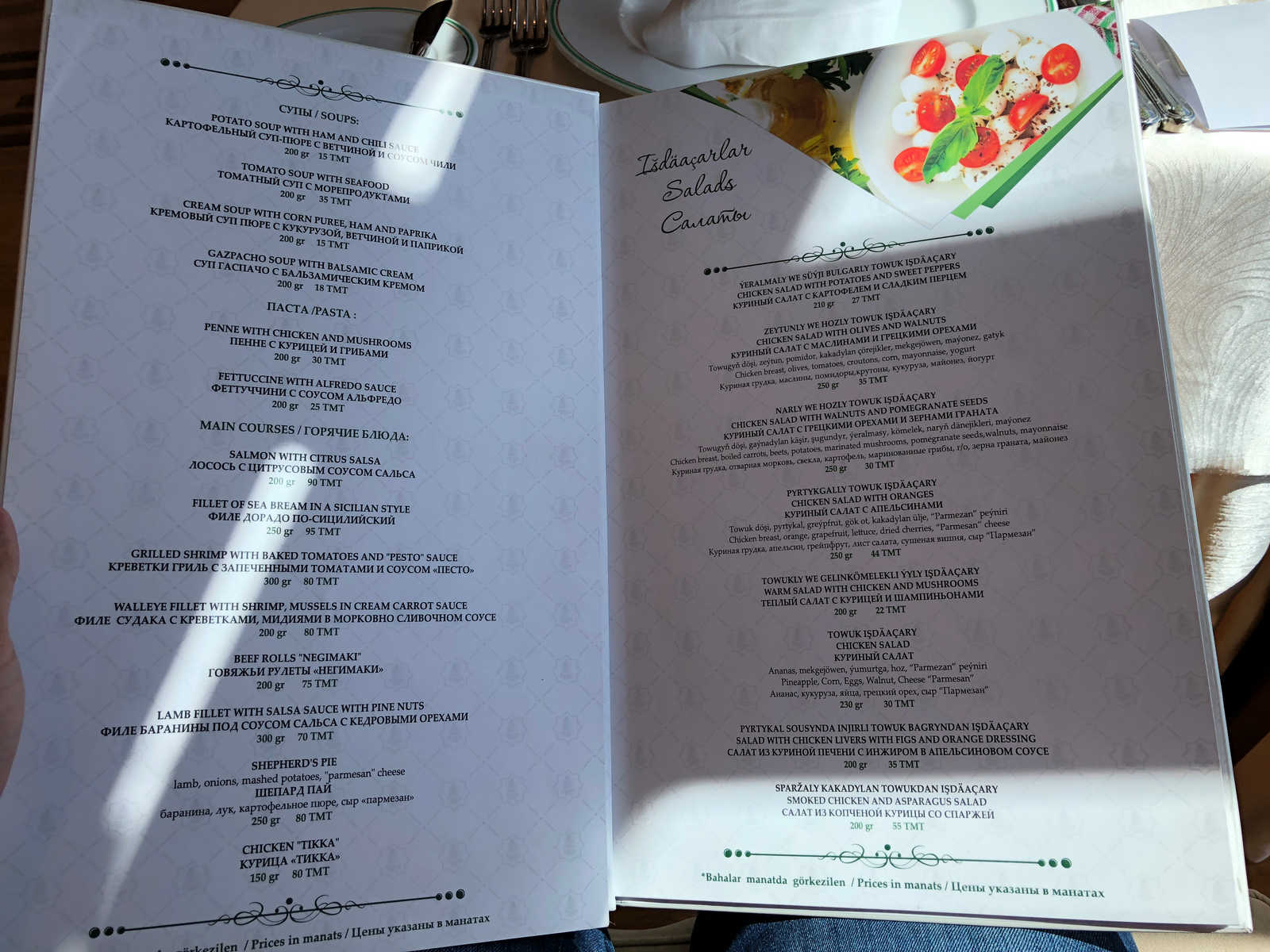
An interesting note is that pricing is in Turkmenistan Manat
(TMT) at the official exchange rate. Since this is a government hotel, they’re
required to use official rates rather than black market rates, which results in
dining and amenities available for about a third of what you’d expect to pay.
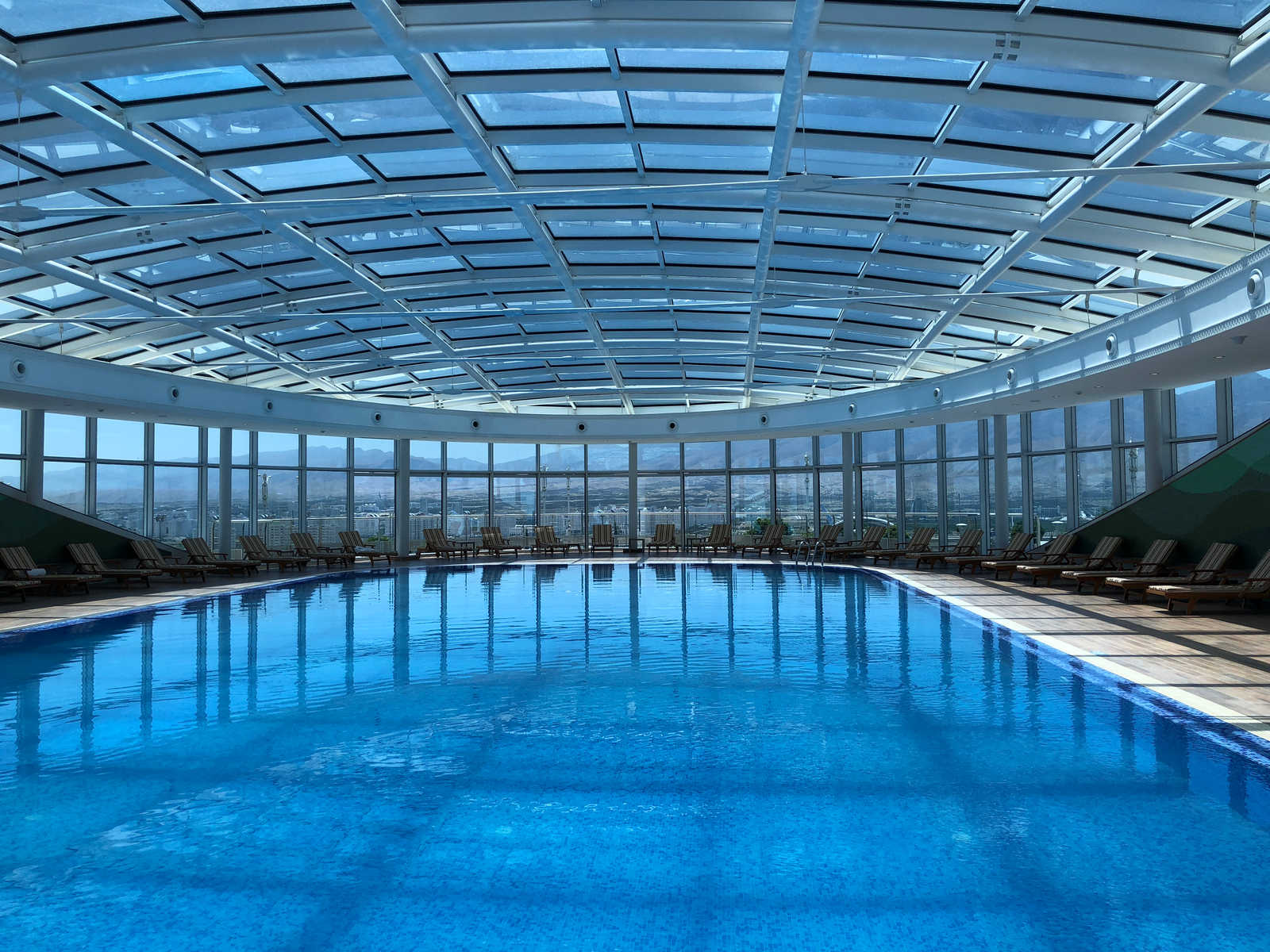
The hotel’s centerpiece is its gorgeous indoor pool,
complete with an expansive sunroof that floods the space with natural light.
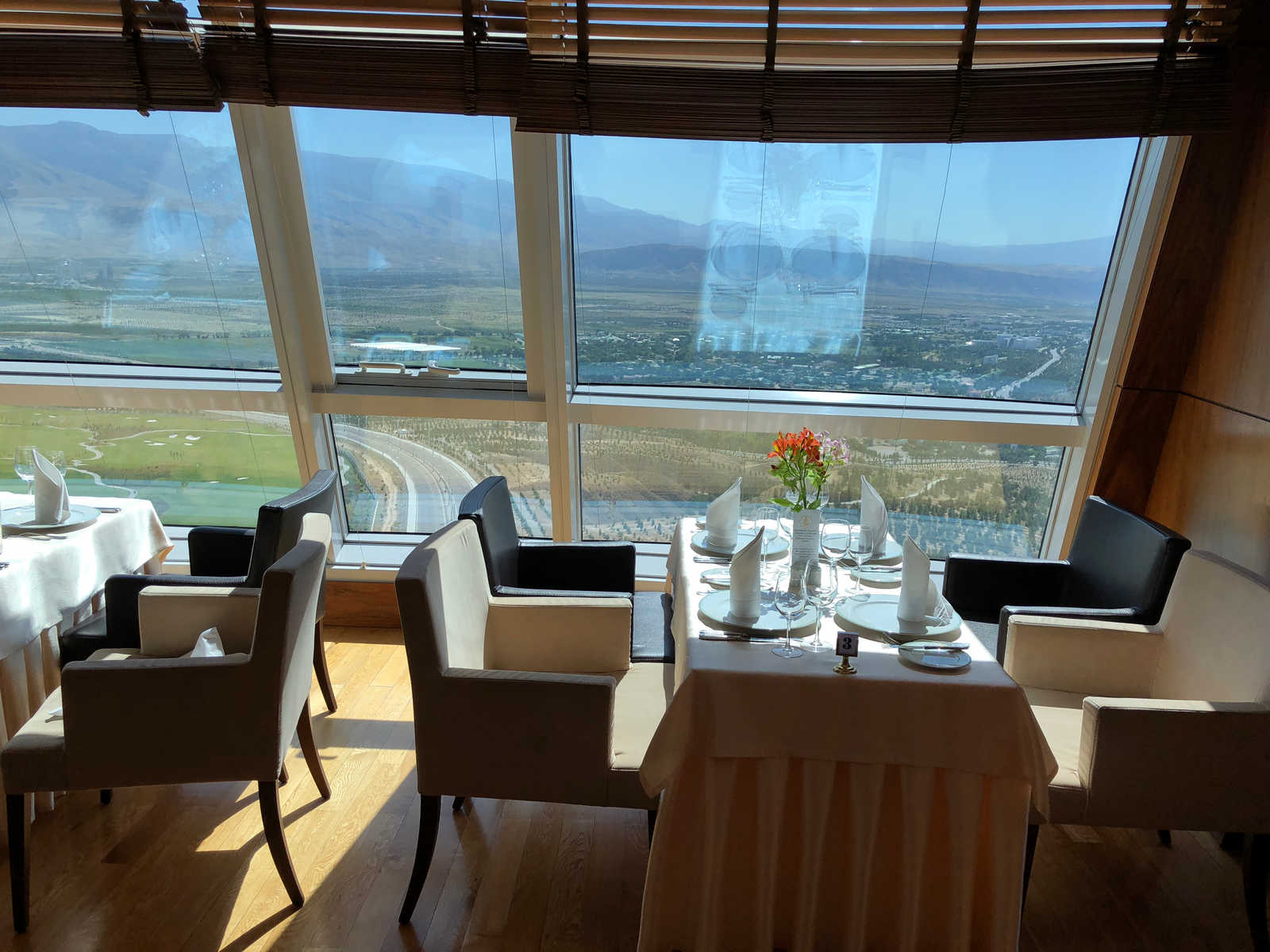
The room itself is quite spacious with a great view of the
Ashbagat skyline.
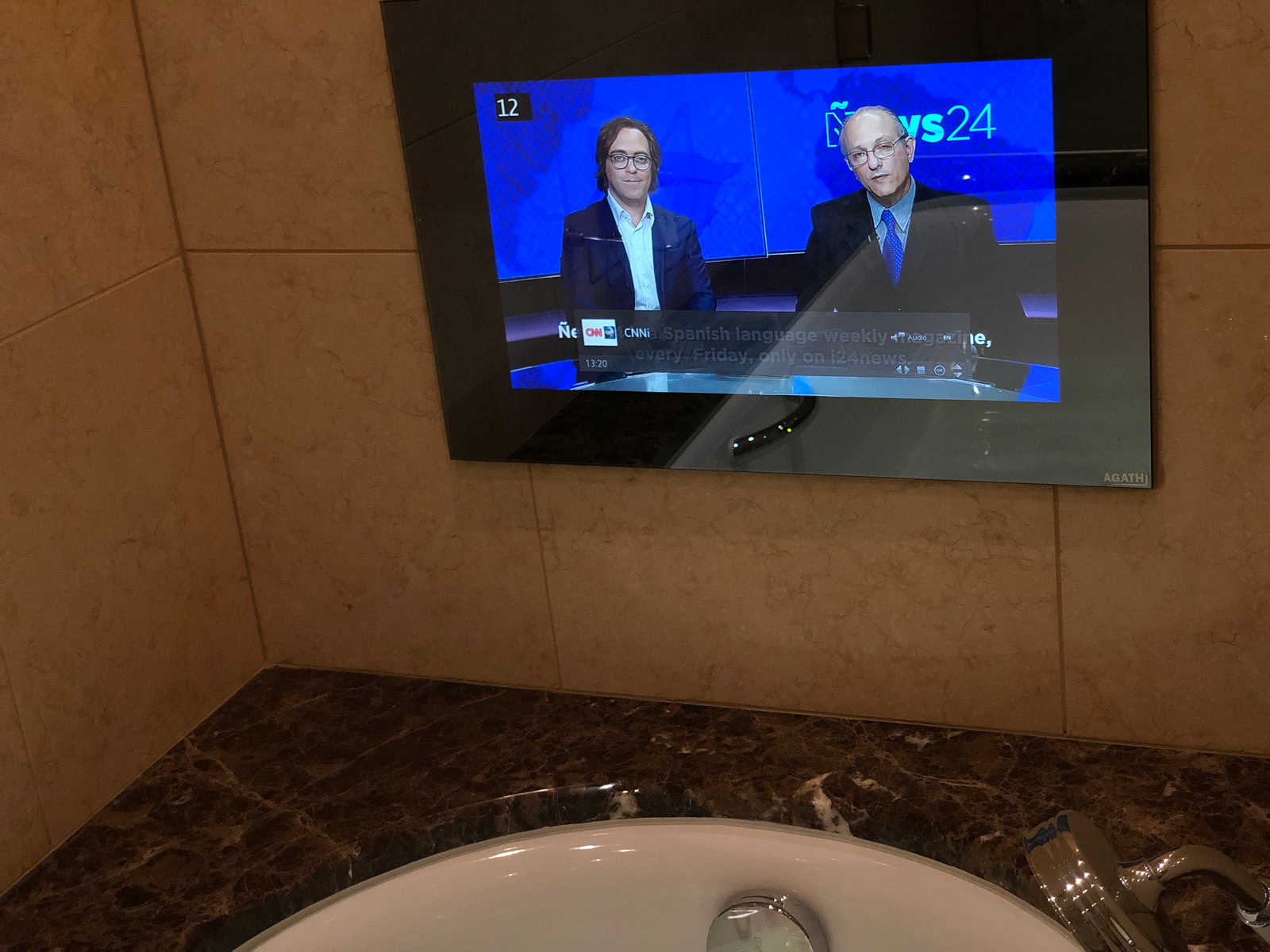
The bathrooms feature TV-equipped bathtubs, though
curiously, while international channels are available, CNN is replaced by i24
News, suggesting some content filtering may be in place.
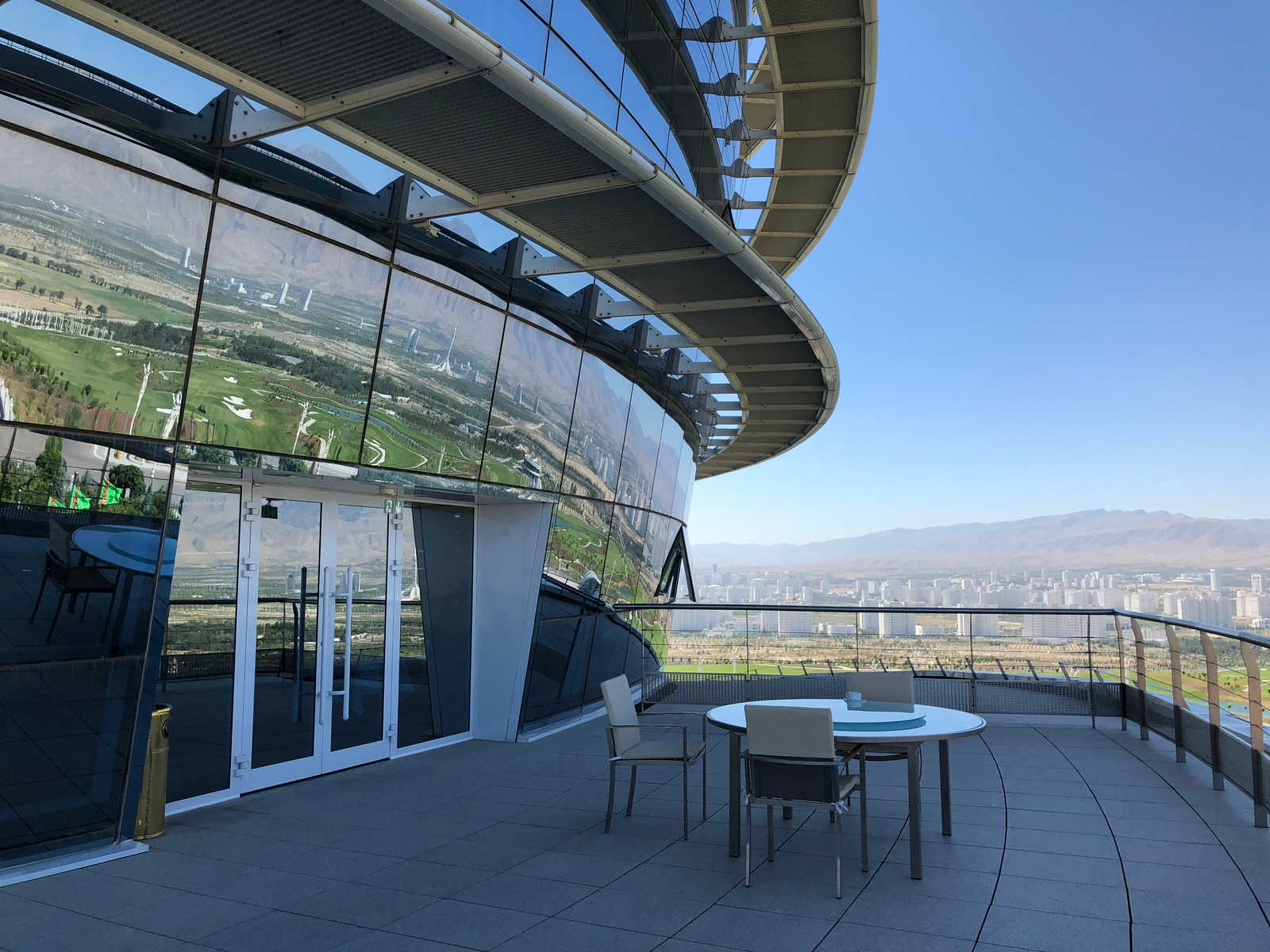
The included breakfast buffet is extensive and
well-prepared, served in a grand dining area. Beautiful balconies offer
panoramic views of the surrounding area.
Throughout the property, ornate touches like golden brass
elevators and elaborate signage create an atmosphere of carefully curated
luxury.
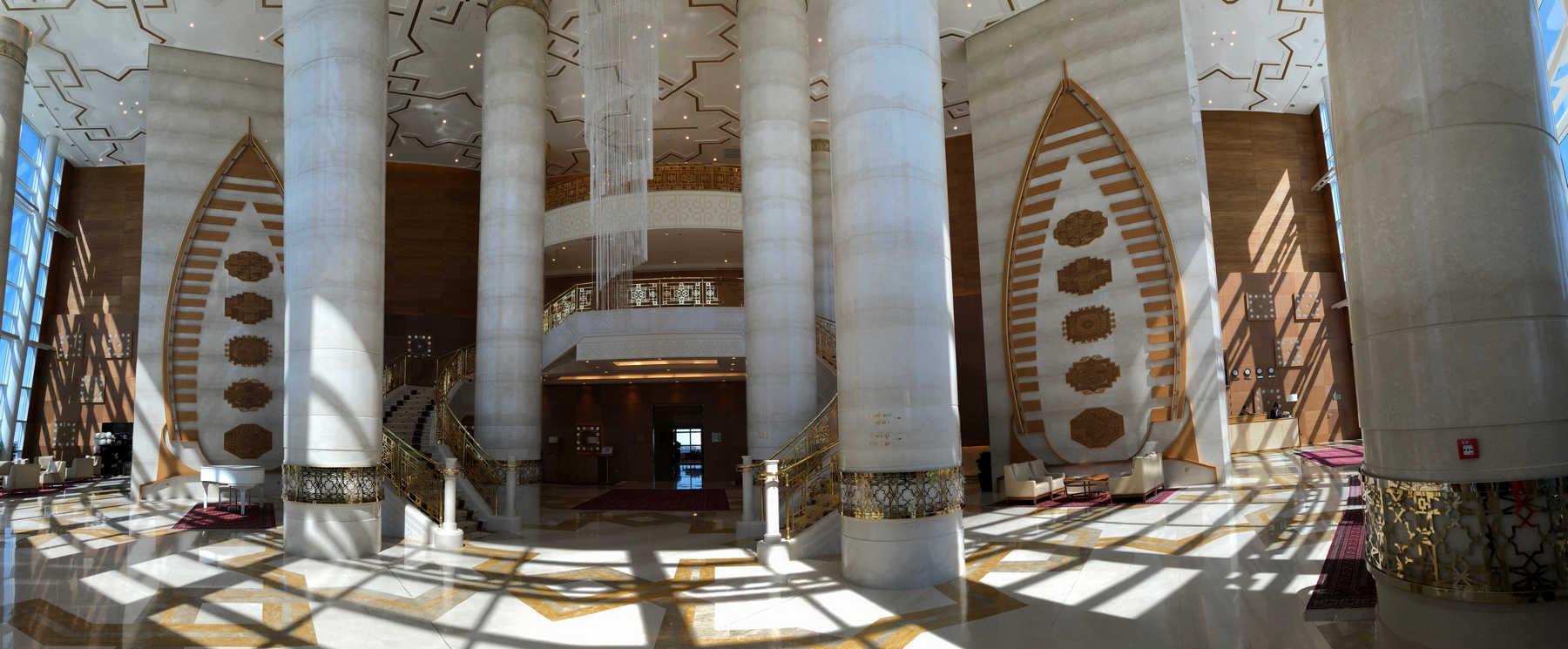
From the white grand piano in the lobby to the ever-present
portrait of Turkmenistan’s ruler, the Yydlz Hotel perfectly encapsulates what a
government showcase hotel would feel like.
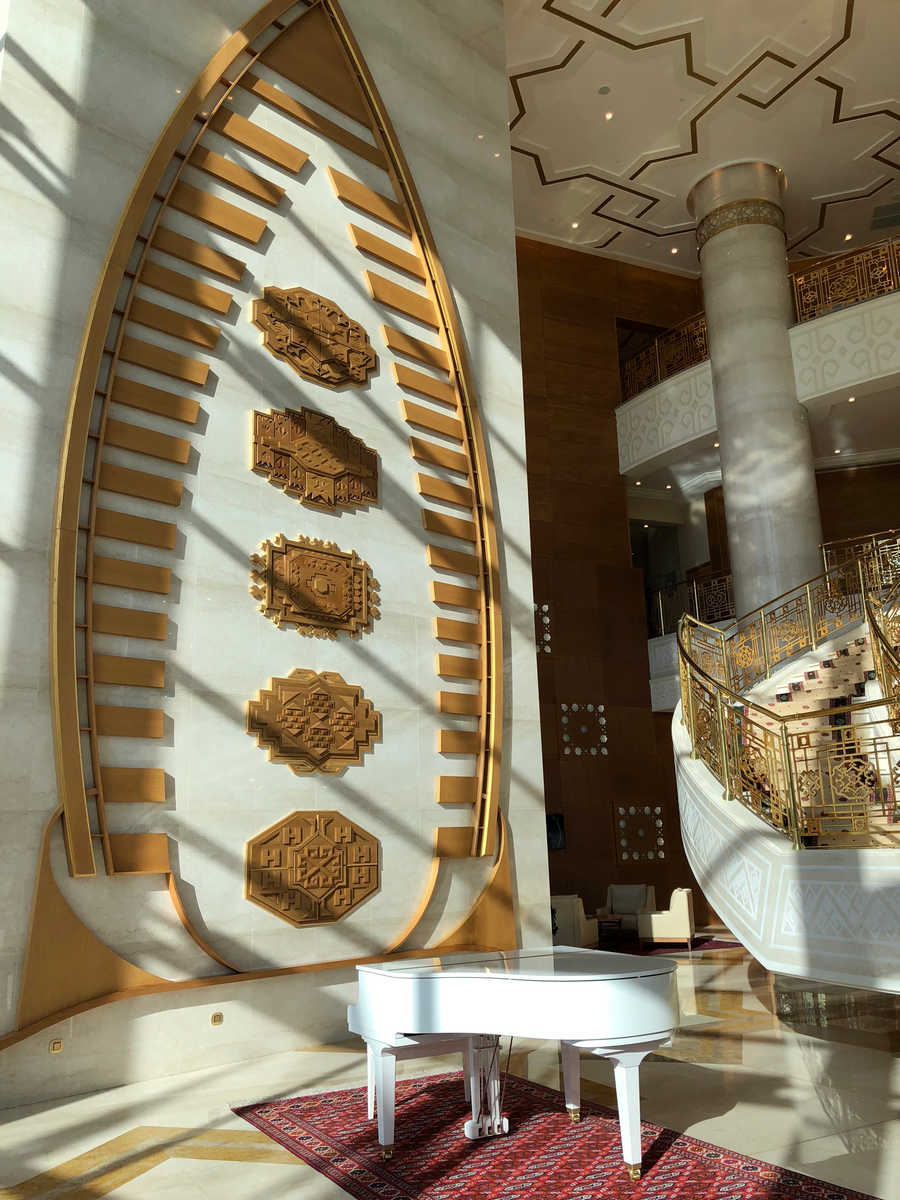
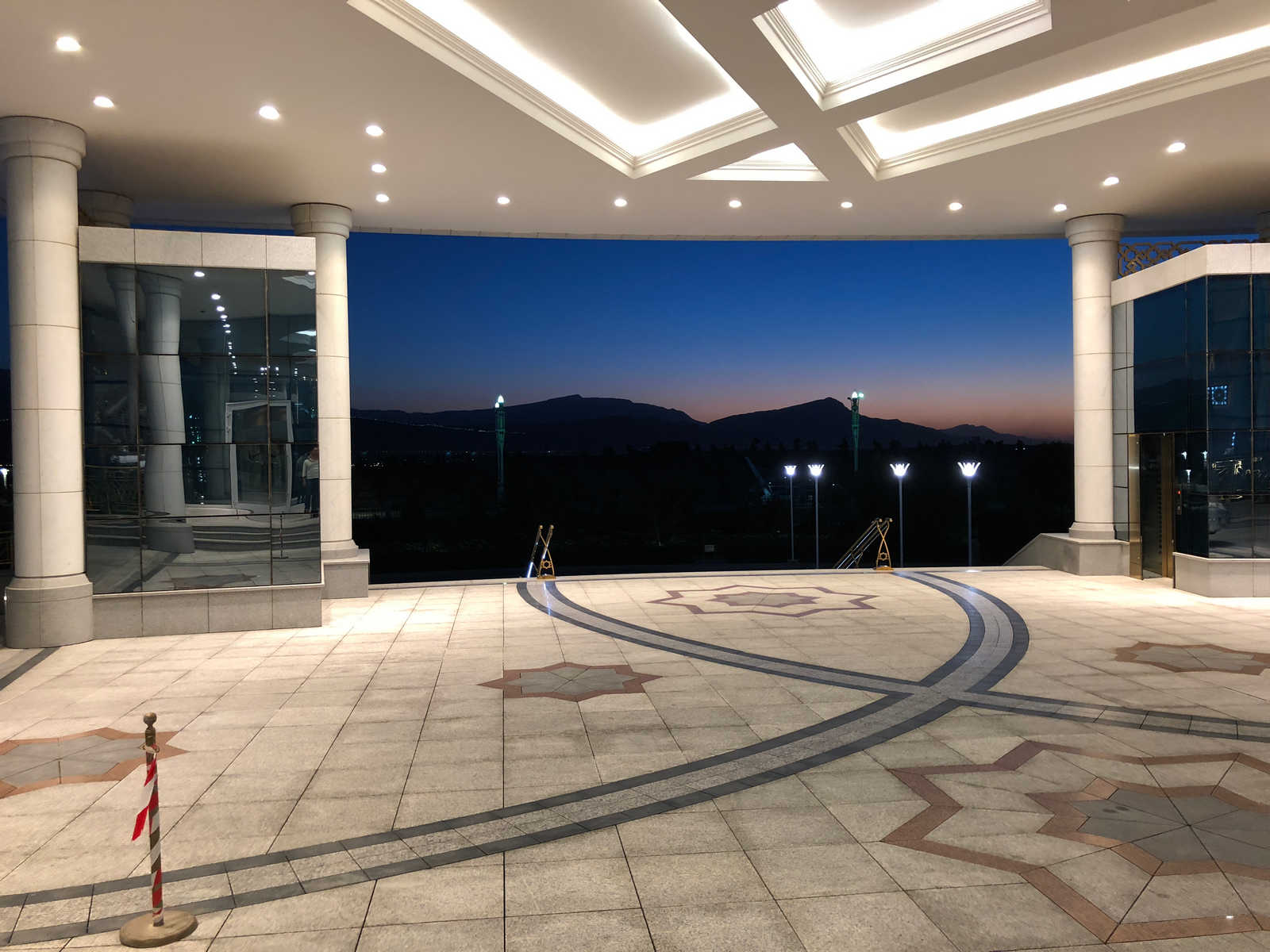
While the hotel may feel slightly disconnected from reality,
similar to Ashbagat itself, it delivers a genuine luxury experience. The
combination of reasonable rates (especially with the unofficial exchange rate),
comprehensive amenities, and distinctive character makes it a memorable stay.
Situated in the middle of Central Asia between Uzbekistan
and Iran, lies Central Asia’s own hermit Kingdom, Turkmenistan. Home to the infamous Darvaza Gas Crater, or known to most as
the Door to Hell, the country receives less than 10,000 tourists annually, equivalent
to a mere 30 tourists per day.
I had earlier in the day arrived at the Konje-Urgench border
crossing from the Uzbek city of Nukus via a prearranged taxi for $6. Upon presenting my pre-arranged Letter of Invitation, I was
asked to sit down as they thoroughly vetted my visa, which included calling my
awaiting driver. After parting an additional $73, I finally received one of the
world’s rarest tourist visa and was directed to head to the customs area.
I arrived at the border entrance of Turkmenistan, a country with less than 30 tourists a day, and was prepared for the worst. Situated in the middle of Central Asia between Uzbekistan
and Iran, lies Central Asia’s own hermit Kingdom, Turkmenistan.
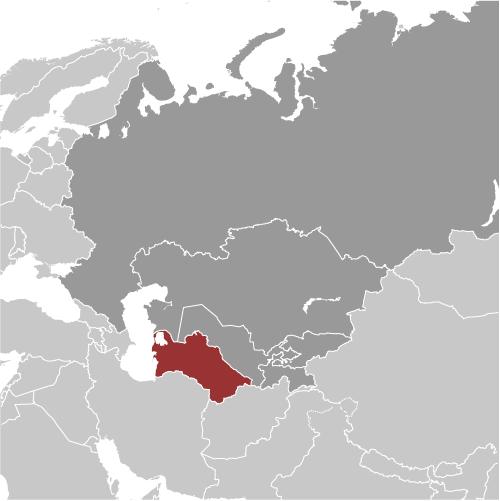
Home to the infamous Darvaza Gas Crater, or known to most as
the Door to Hell, the country receives less than 10,000 tourists annually. I had earlier in the day arrived at the Konje-Urgench border crossing from the Uzbek city of Nukus via a prearranged taxi for $6.
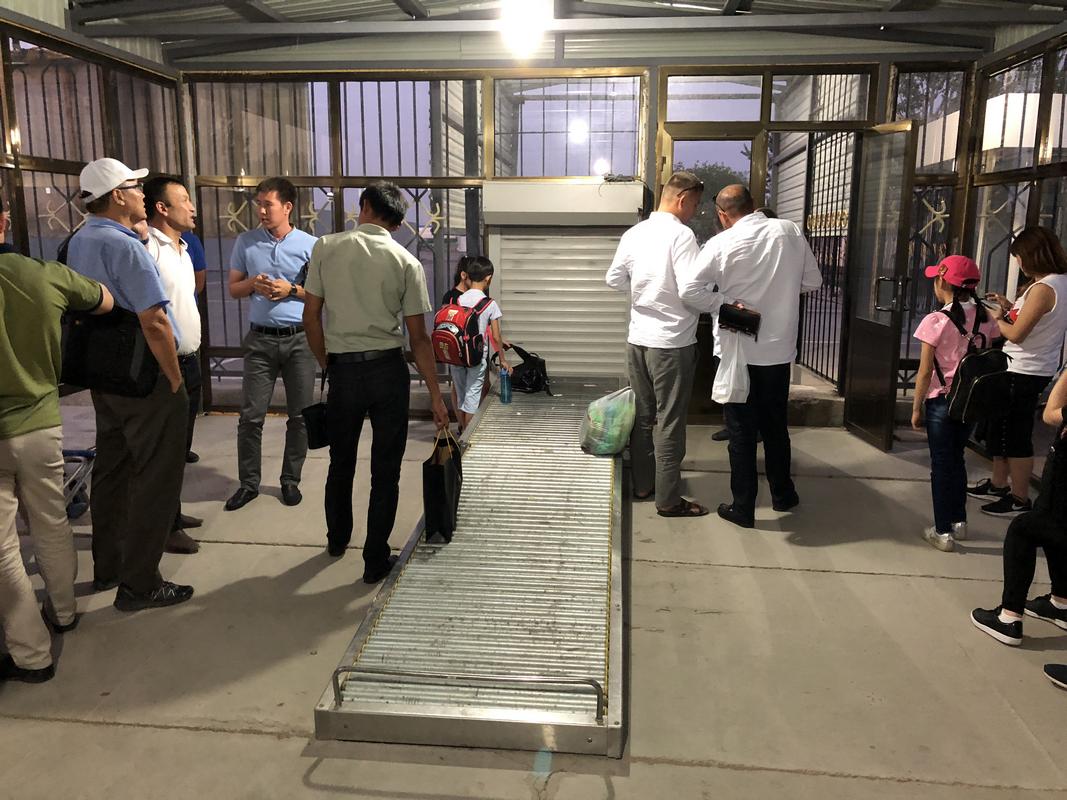
Baggage Claim – Nukus Airport
The gates were still closed, but opened at precisely 9 AM.
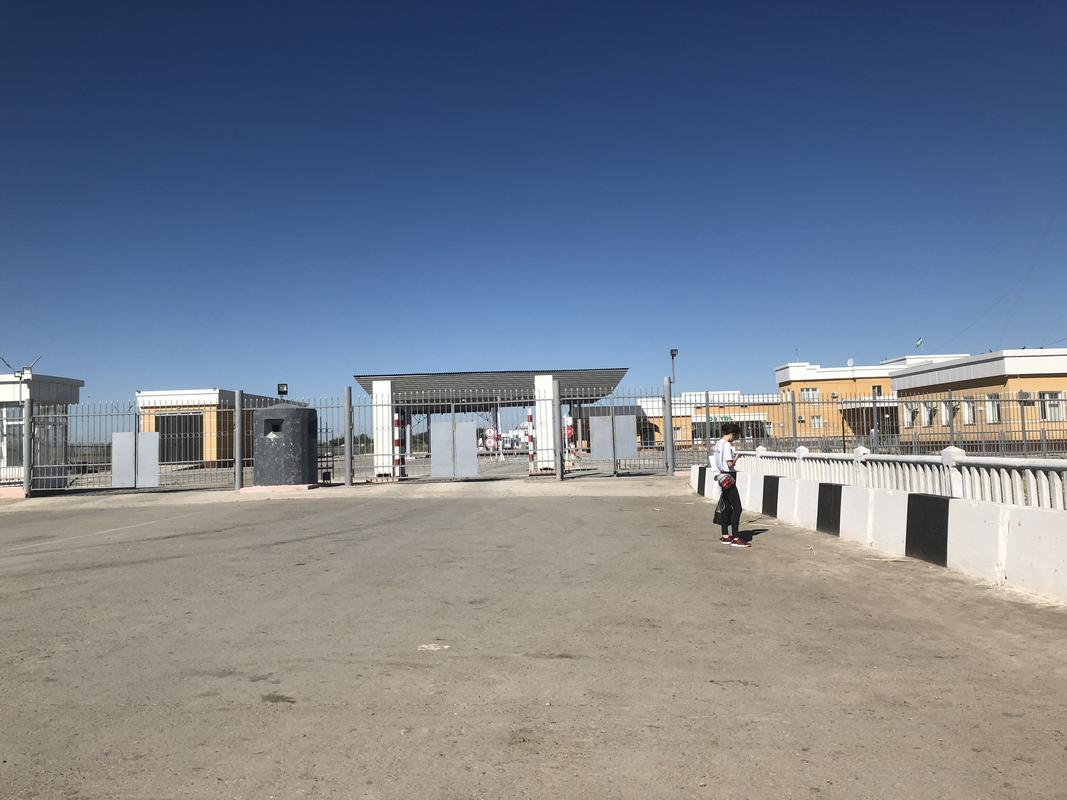
To get through the Turkmen border was a relatively straight
forward, if not rather long process.
Upon presenting my pre-arranged Letter of Invitation, I was
asked to sit down as they thoroughly vetted my visa, which included calling my
awaiting driver. After parting an additional $73, I finally received one of the
world’s rarest tourist visa and was directed to head to the customs area.
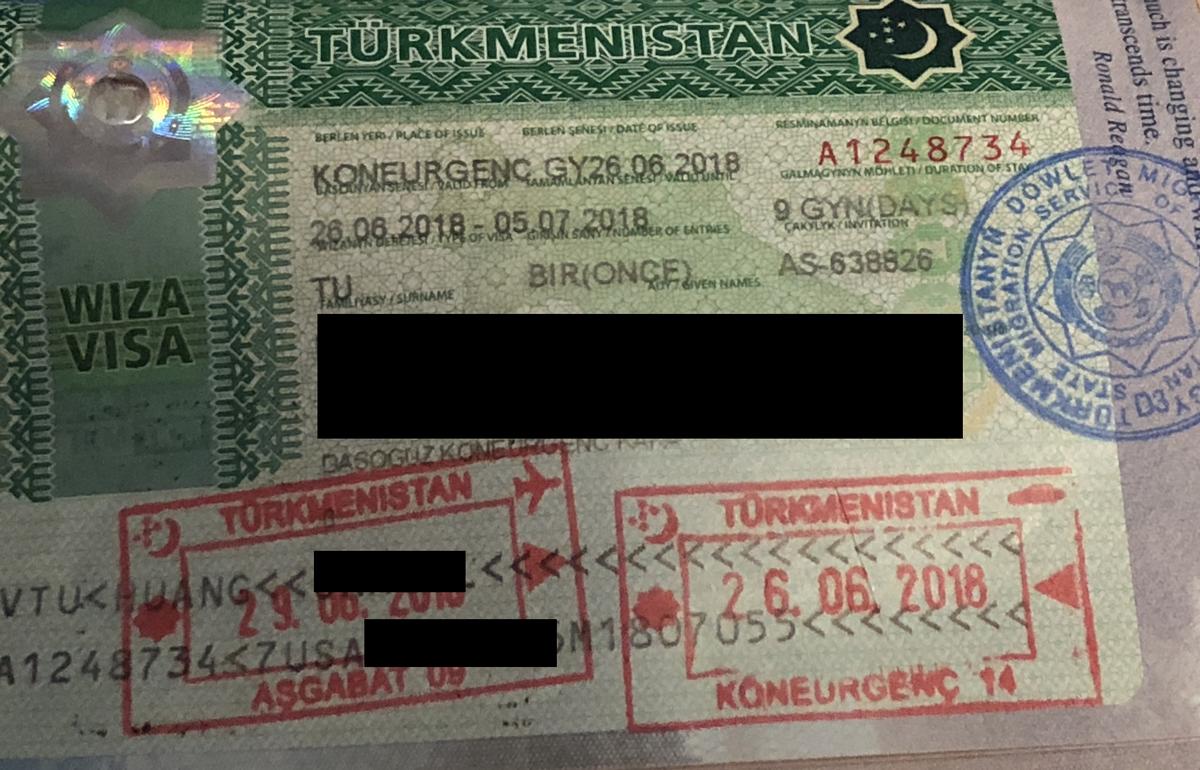
The Golden Visa
The Turkmen border guards thoroughly checked my luggage for
any trace of contraband, and a rather cheeky young guard asked to keep a mini
bottle of Smirnoff he found.
After parting my new friend with America’s finest vodka, I
was quickly allowed to enter into Turkmenistan. However, instead of being
greeted by my guide outside, I had to trek another 15 minutes in the blistering
heat to my awaiting guide outside the secure border area.
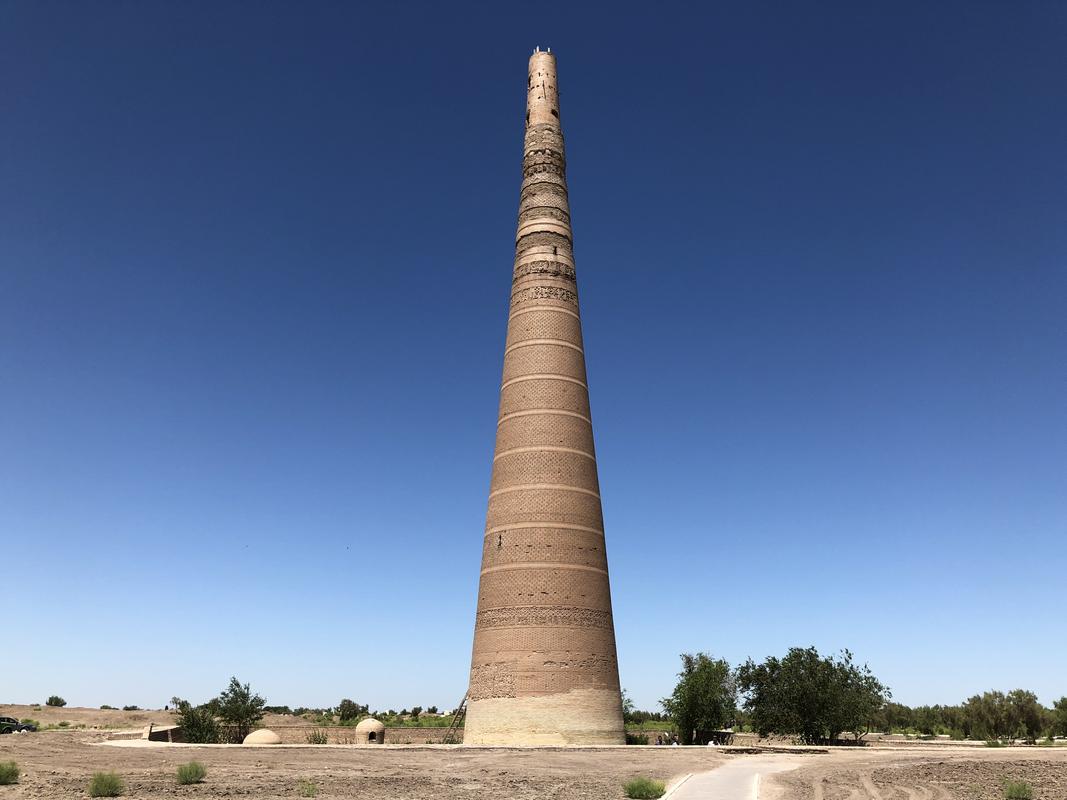
We then toured the ancient ruins of Kunya Urgench, a UNESCO
heritage site, before heading southwards towards Darvaza.
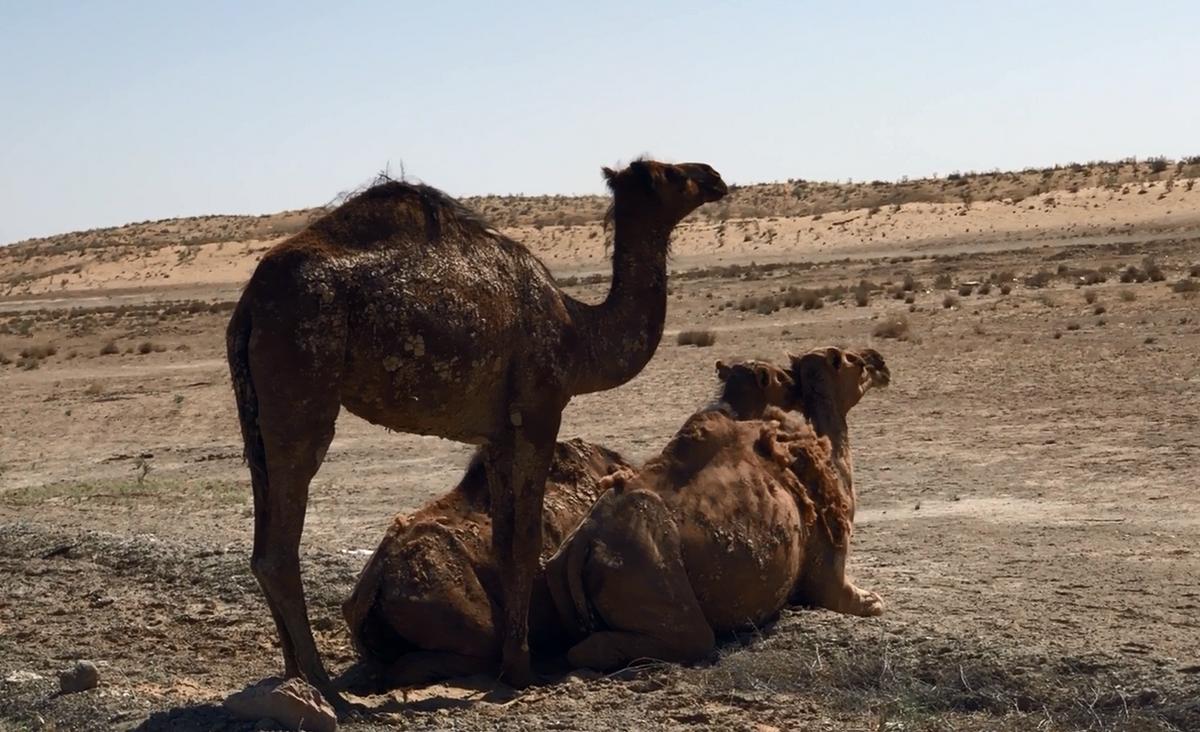
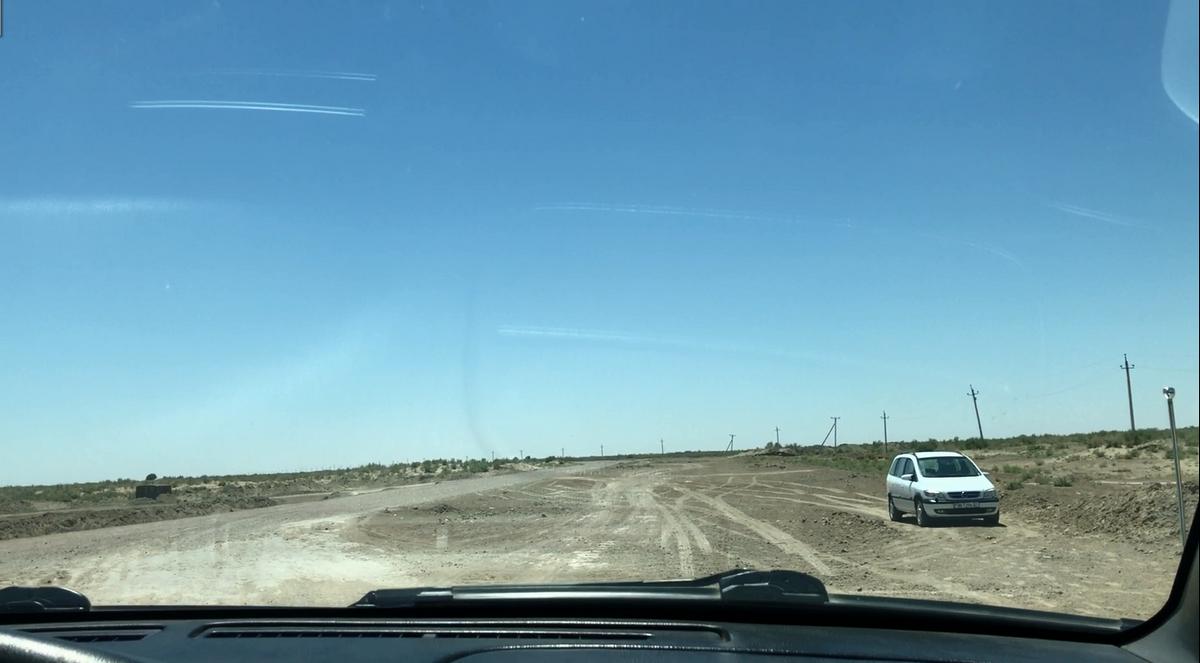
It quickly became apparent that the roads were in pretty bad
shape. This by far was the worst national road I’ve ever been on: filled with
potholes, cracked asphalt, and plenty of dips and bumps.
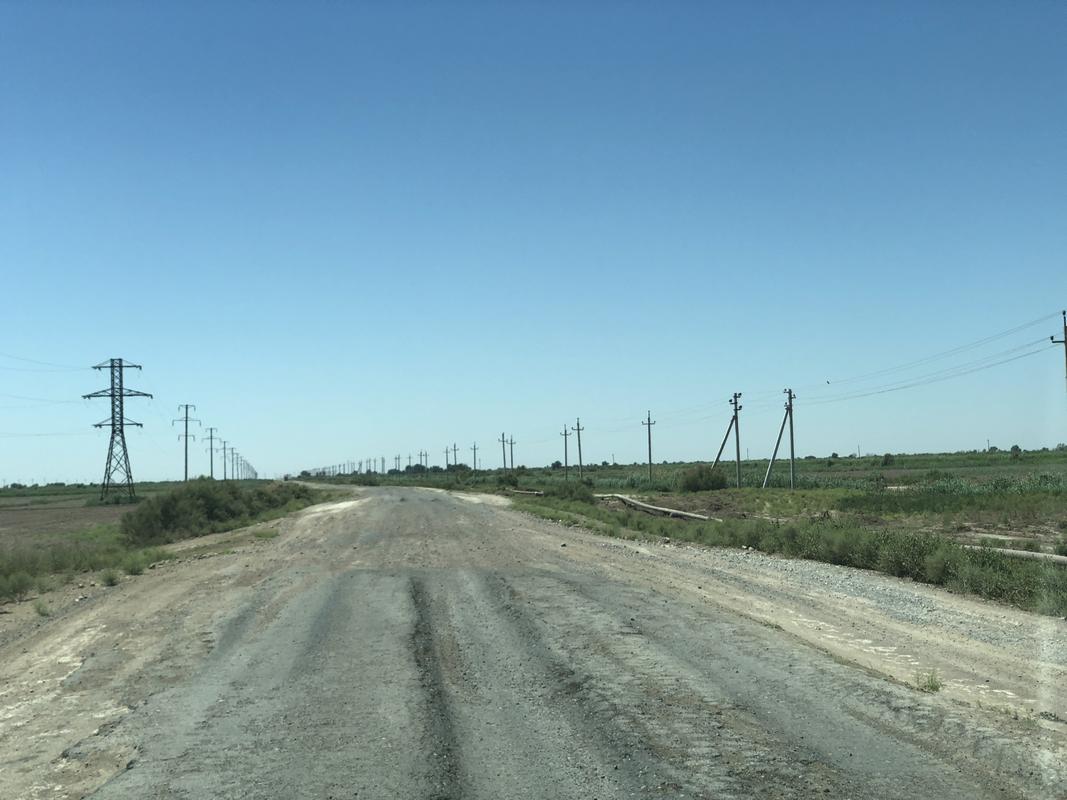
The drive looked like Mario Kart in real life, with my
excellent driver swerving to avoid any major obstacles.
Even onboard my Nissan Pathfinder, the drive was rather rough,
and if you’re traveling within Turkmenistan a vehicle with four wheel drive is
a must.
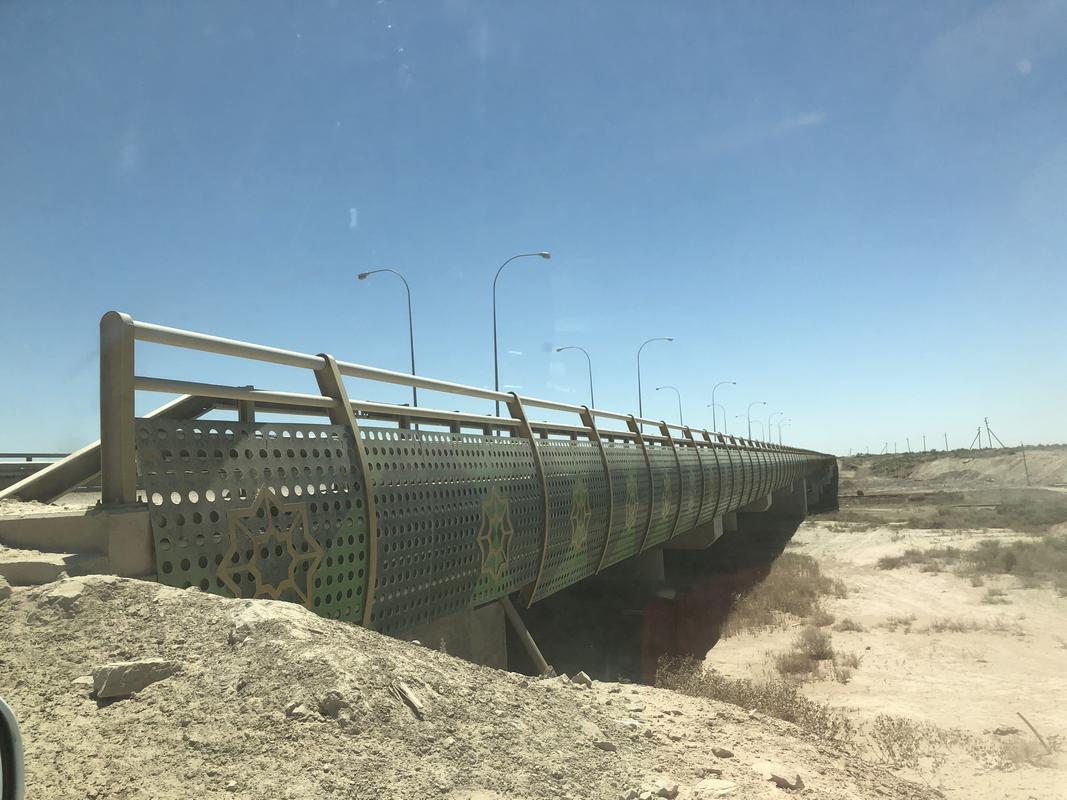
I was rather surprised that the government of Turkmenistan,
flushed with natural gas wealth, would let such a critical transport link
between two major cities go to neglect.
Bridge to Nowhere
At the end of the Bridge
After a few bumpy hours, we stopped at a local teahouse, allowing
my driver to take a well-deserved break.

The teahouse was known for its meat pies, filled with a beef
soup like substance, and luckily for my paranoid stomach, the pies were served
piping hot.
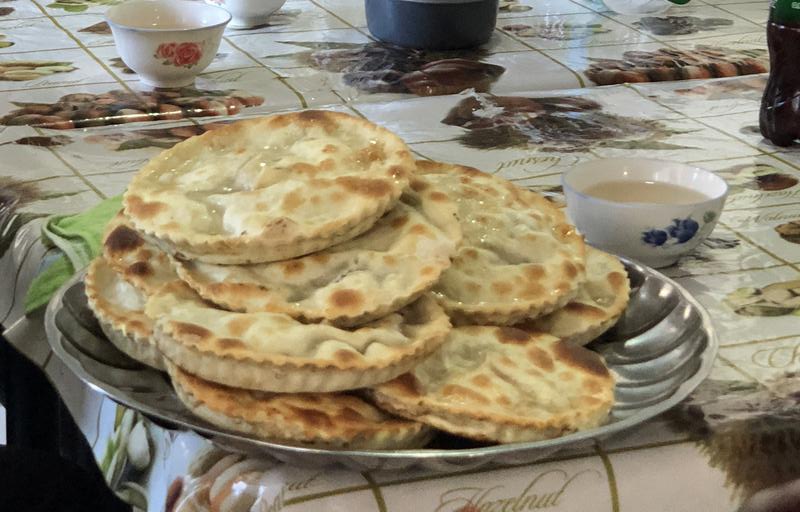
The price for this sumptuous treat? 10 Manat, or around 60
cents.
The teahouse also had a rather large selection of Vodka
costing around $2-$3, which explains why a group of Turkmen men were sharing a
bottle in the early afternoon.
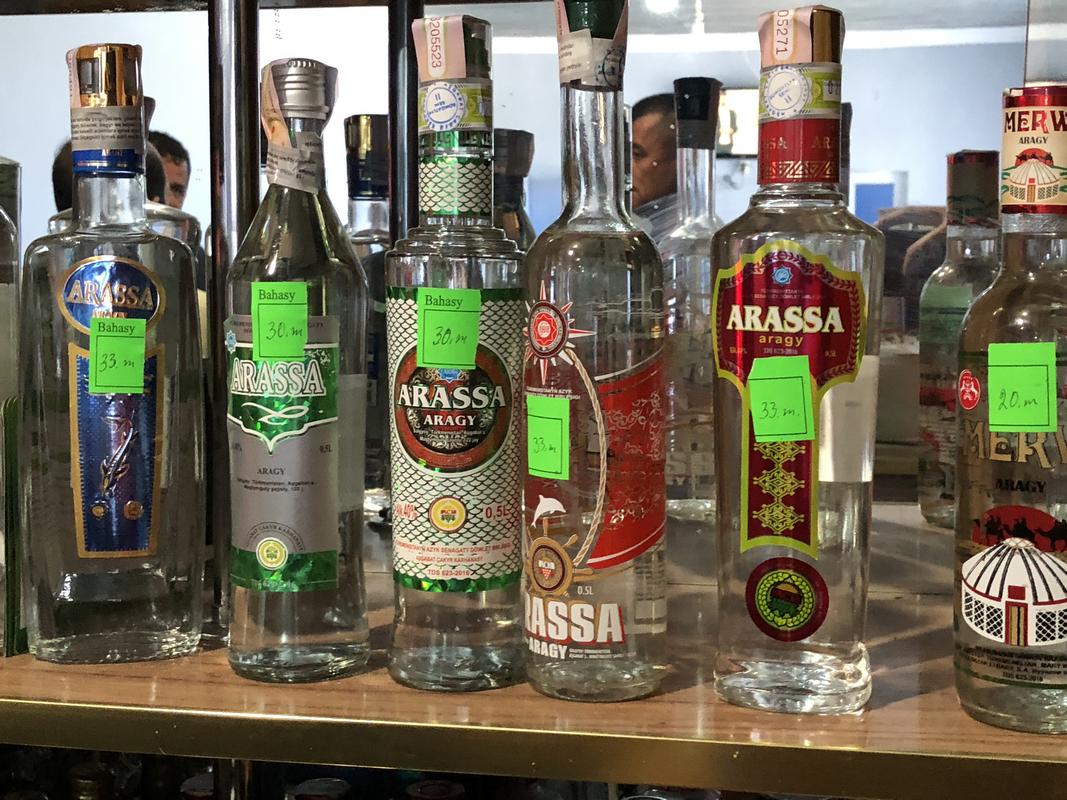
We then stocked up on some water for the long journey ahead
and headed towards Darvaza.
From here the road was in significantly better shape, and
although it was filled with potholes, at least the car didn’t have to swerve like
it we were in the set of Fast and Furious.
After crossing a police checkpoint, we finally made it to
area surrounding Darvaza village. If you’re taking a tour, most likely your
tour will take you to three craters: mud, water, and the infamous fire crater.
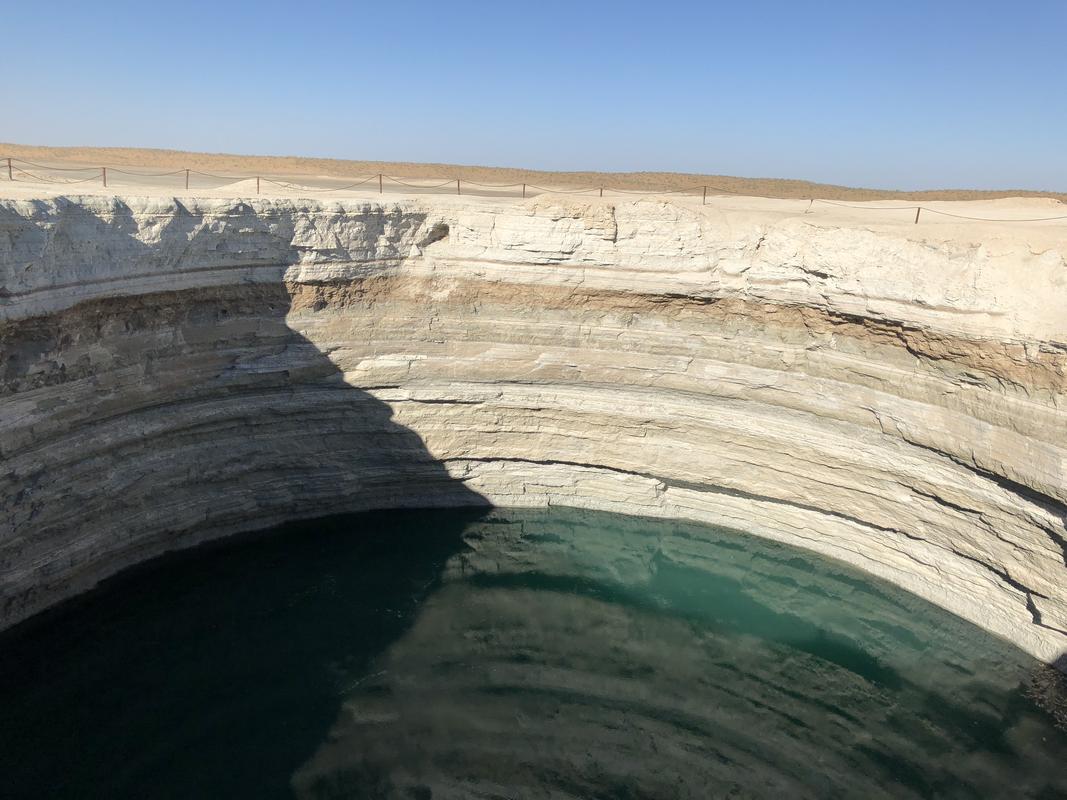
Rather Lackluster
Water Cater
We first stopped at the mud crater, which true to its name
is mostly covered in bubbling mud, but did have a few small fires.
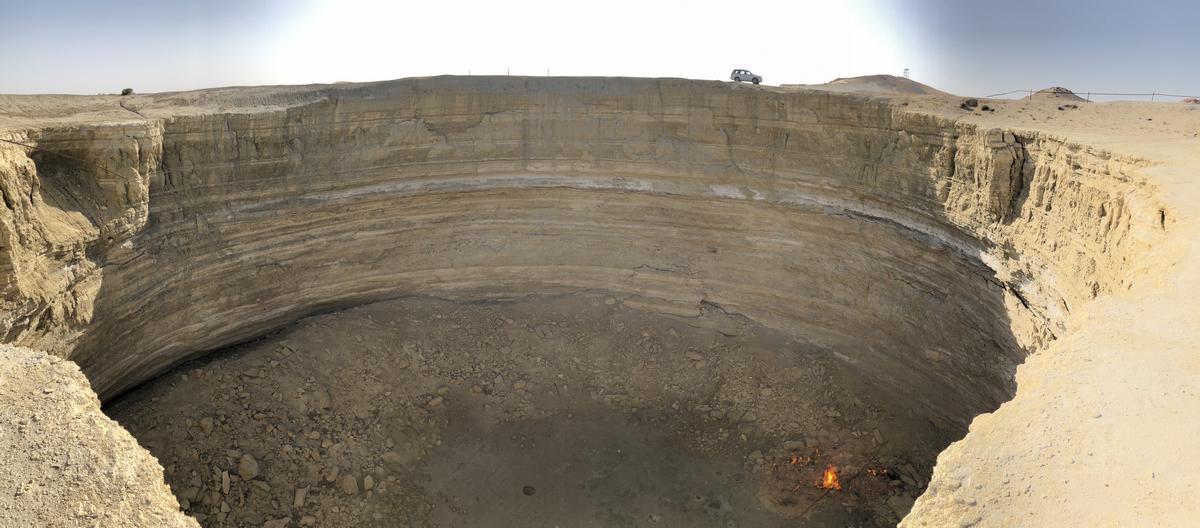
The air reeked of gas, reminding visitors you were stepping
into a submerged drilling rig.
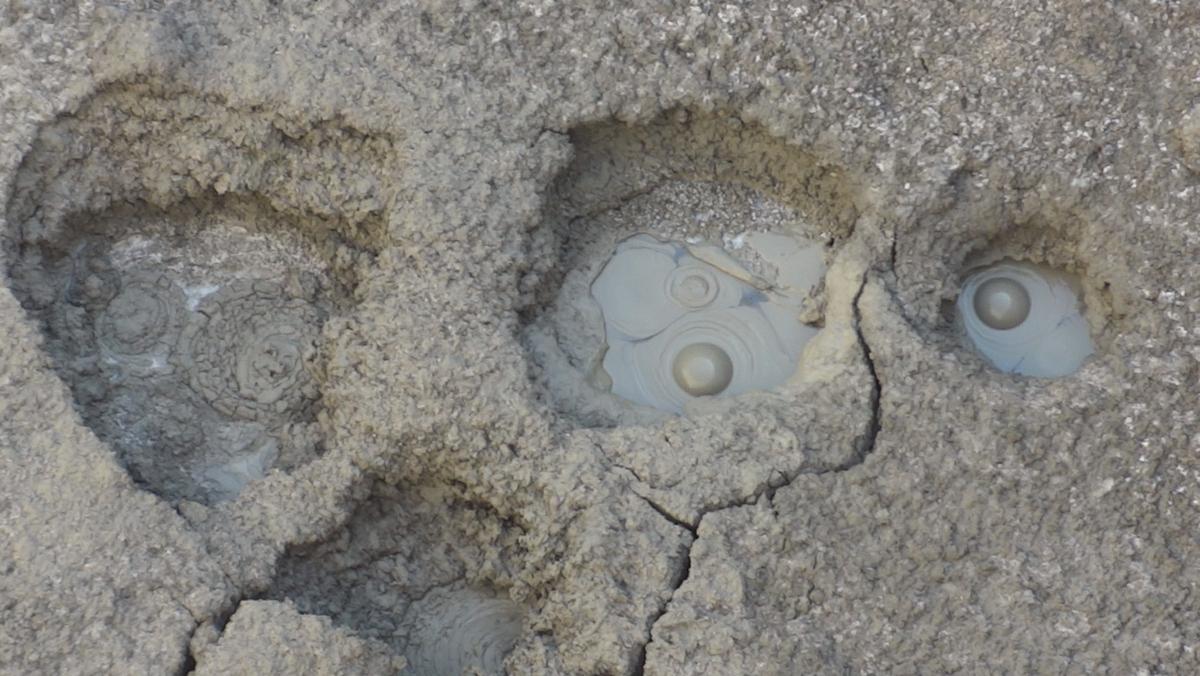
While not a must see on its own, the mud crater served as a
great preamble for the main attraction.
A few miles down the road, we turned left onto a rather obscure
sand path, and headed in on a five mile drive through sand dunes towards the fire
crater.
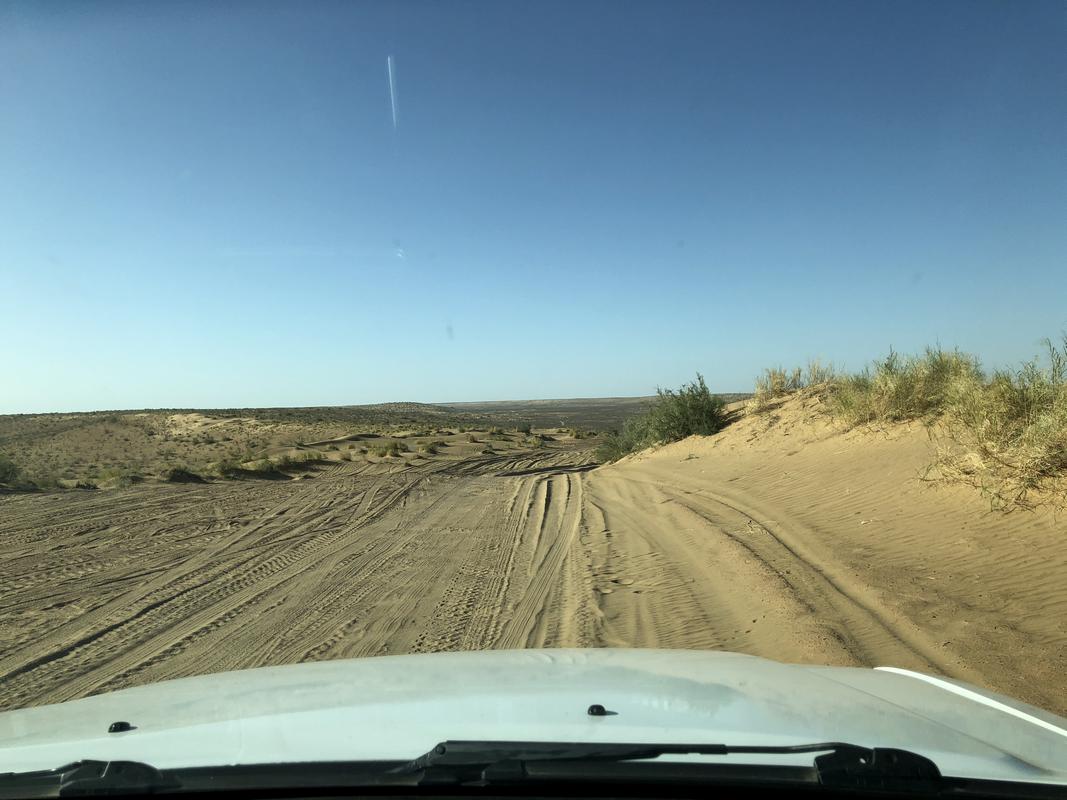
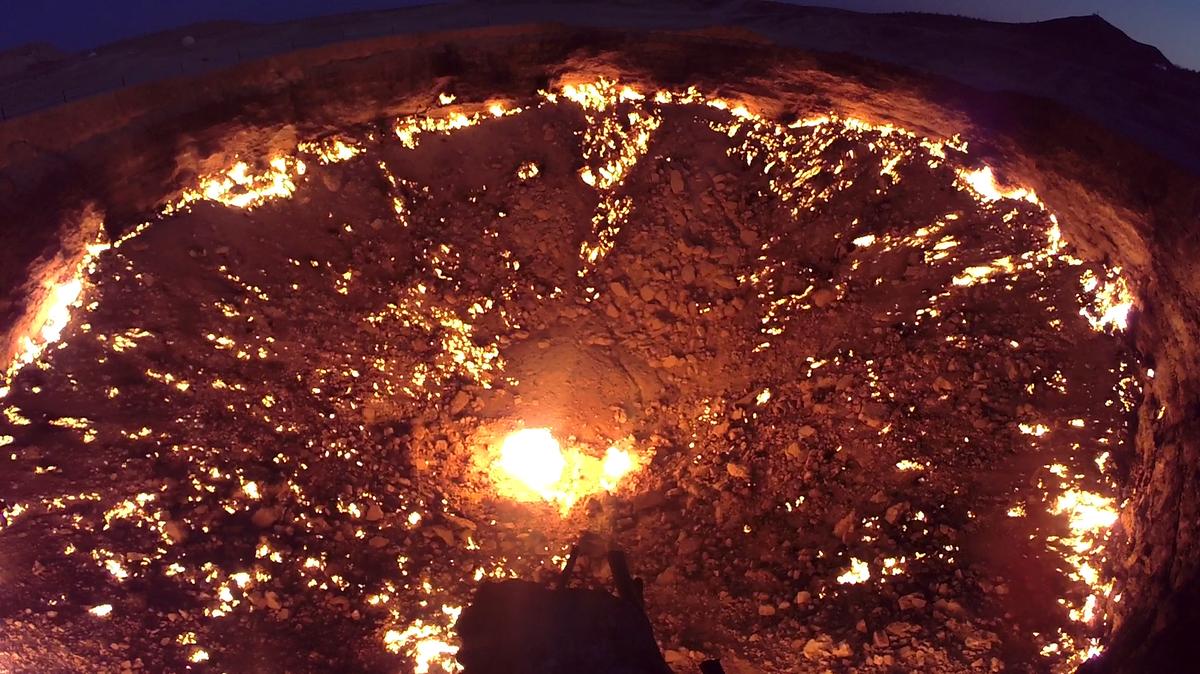
At long last, the fire crater appeared over the horizon, and
as we drove closer, a gentle murmur became a loud roar, as if the underworld
was calling out your name.
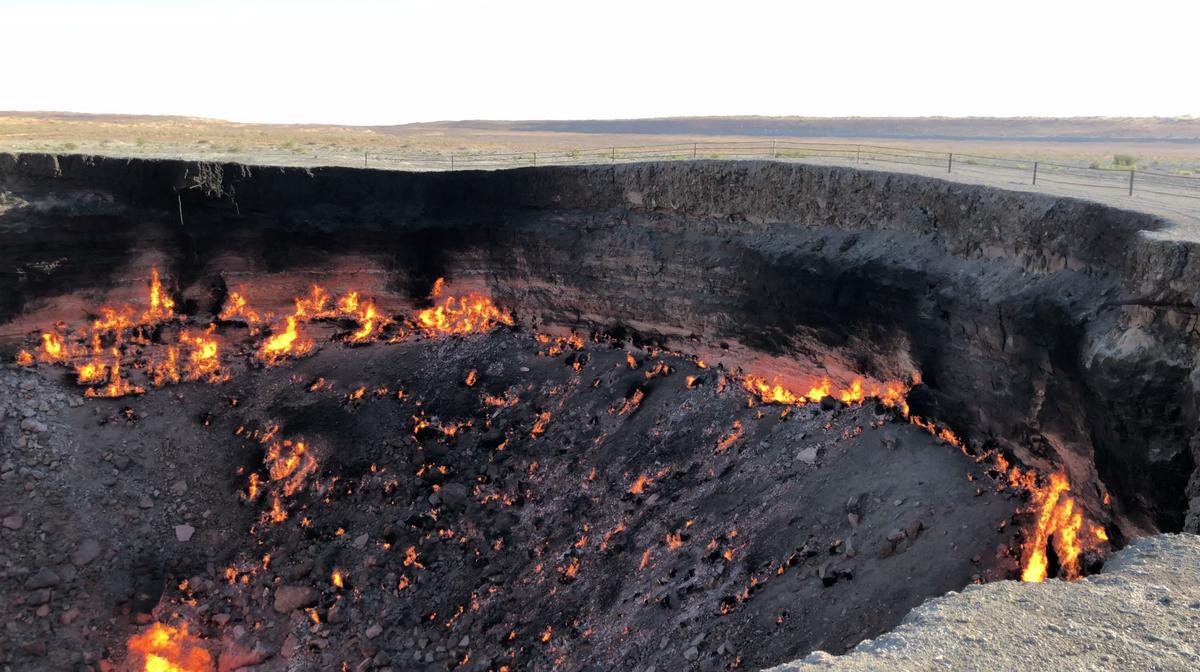
Upon arriving at the crater’s edge, I instantly hit with
smell of burning gas and waves of heat from the swirling winds.
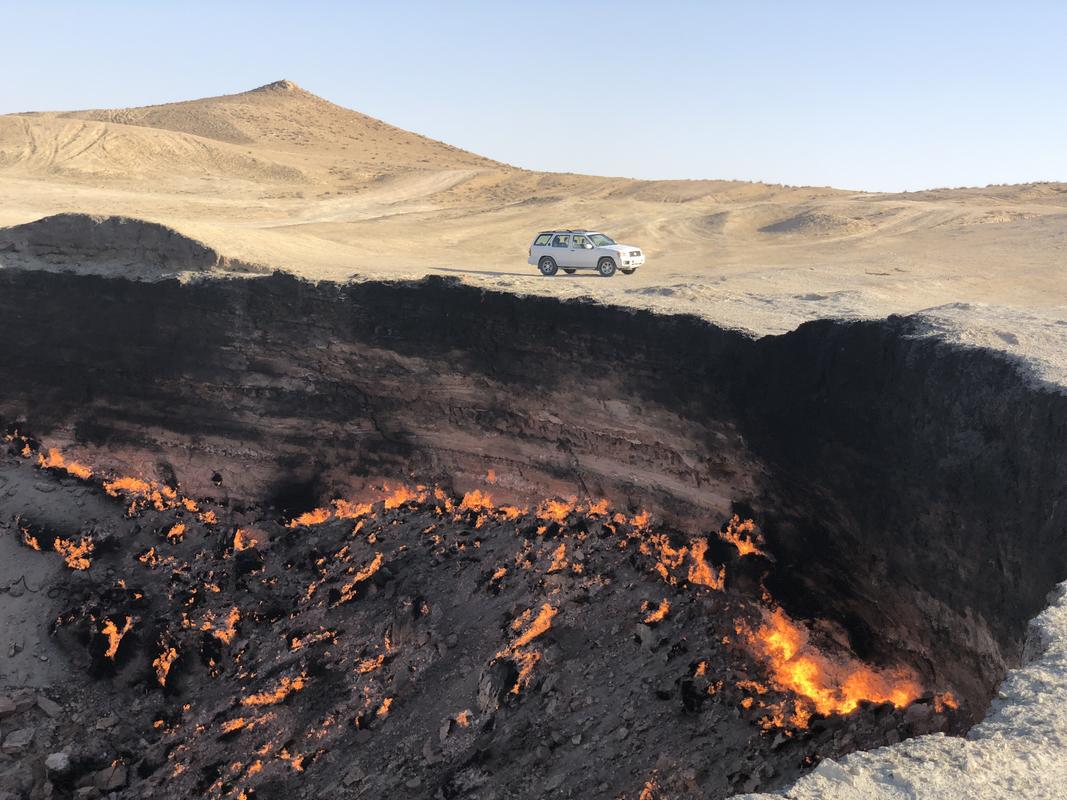
Even in the late afternoon sun, the crater looked incredible
and the crater looks far more imposing in real life.
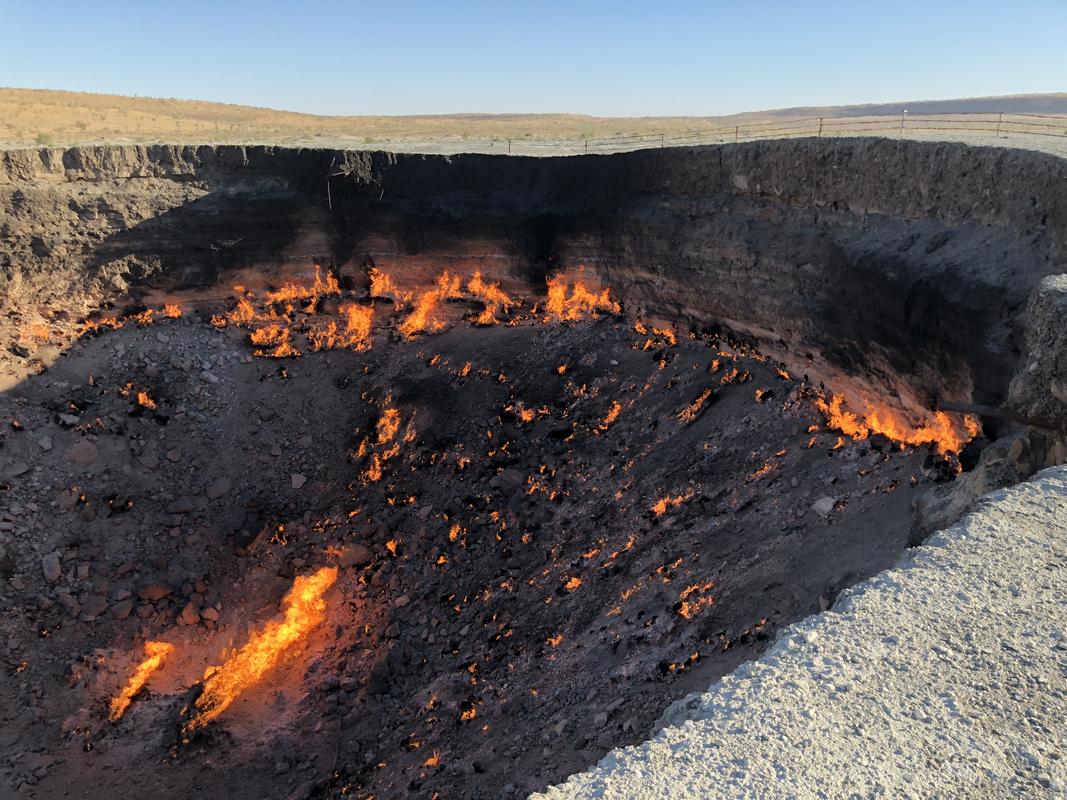
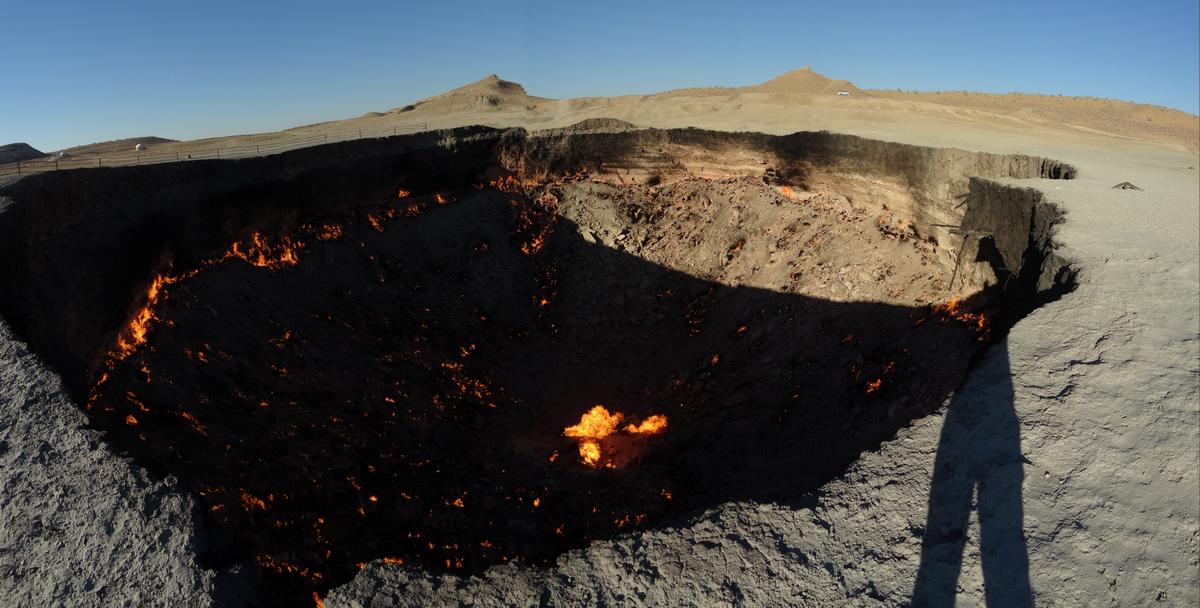
As you are in the the middle of nowhere, there are no safety
precautions, with a rather flimsy car railing merely lining half of the crater.
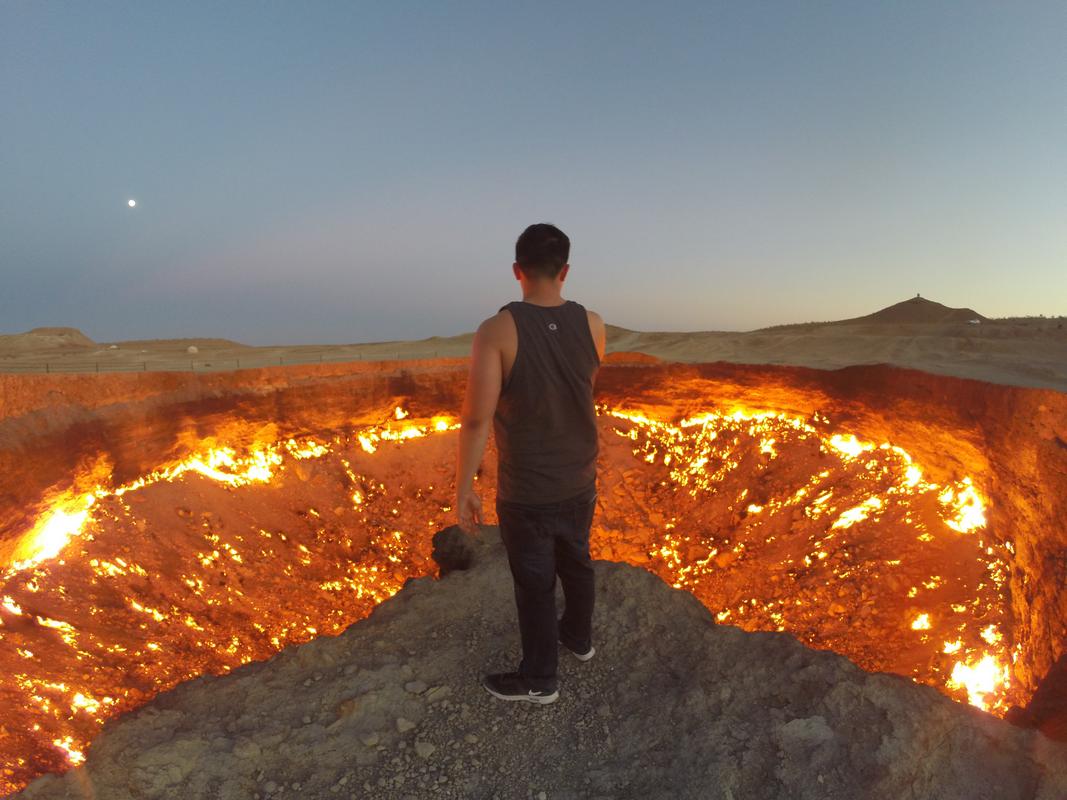
Not for the faint of
heart
Due to the windy conditions, the heat would come and go, and
depending on your luck you could look over the edge with a cool breeze to your
back, or be toasted by the searing heat from the underworld
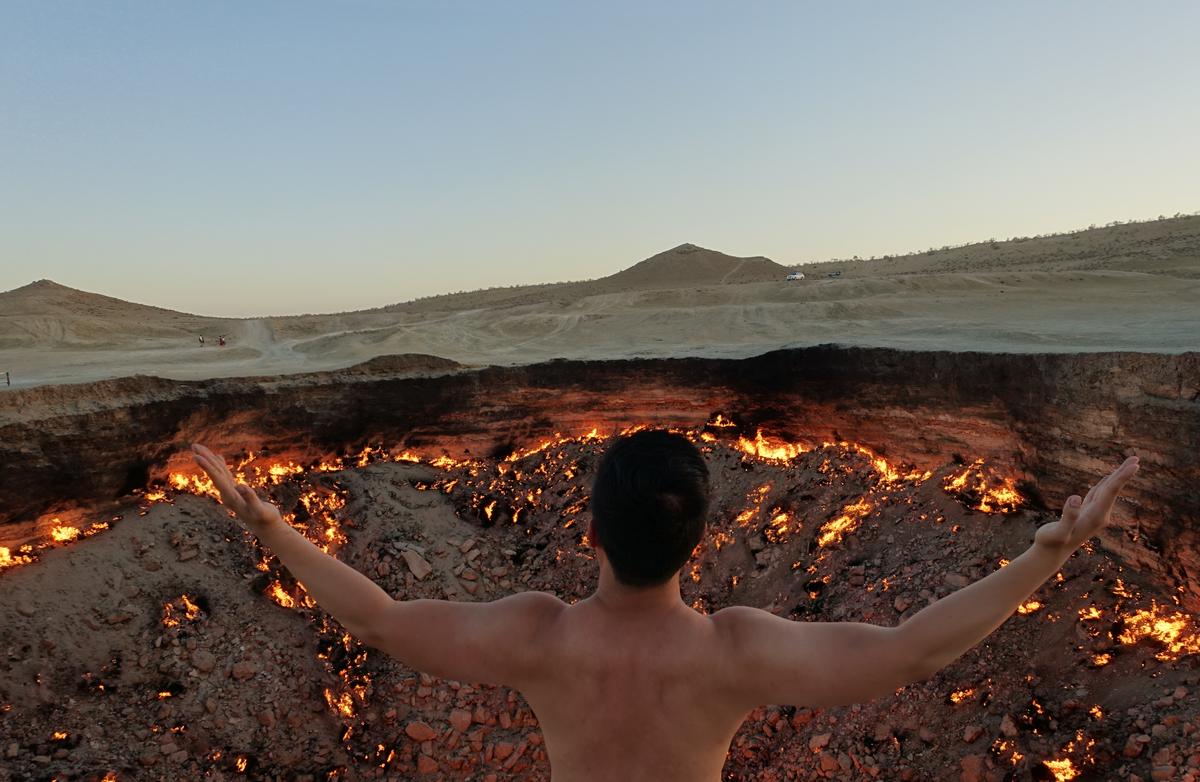
May the Odds be in
Your Favor
After a quick break, we returned to the crater at sunset,
and the crater went from amazing to the supernatural.
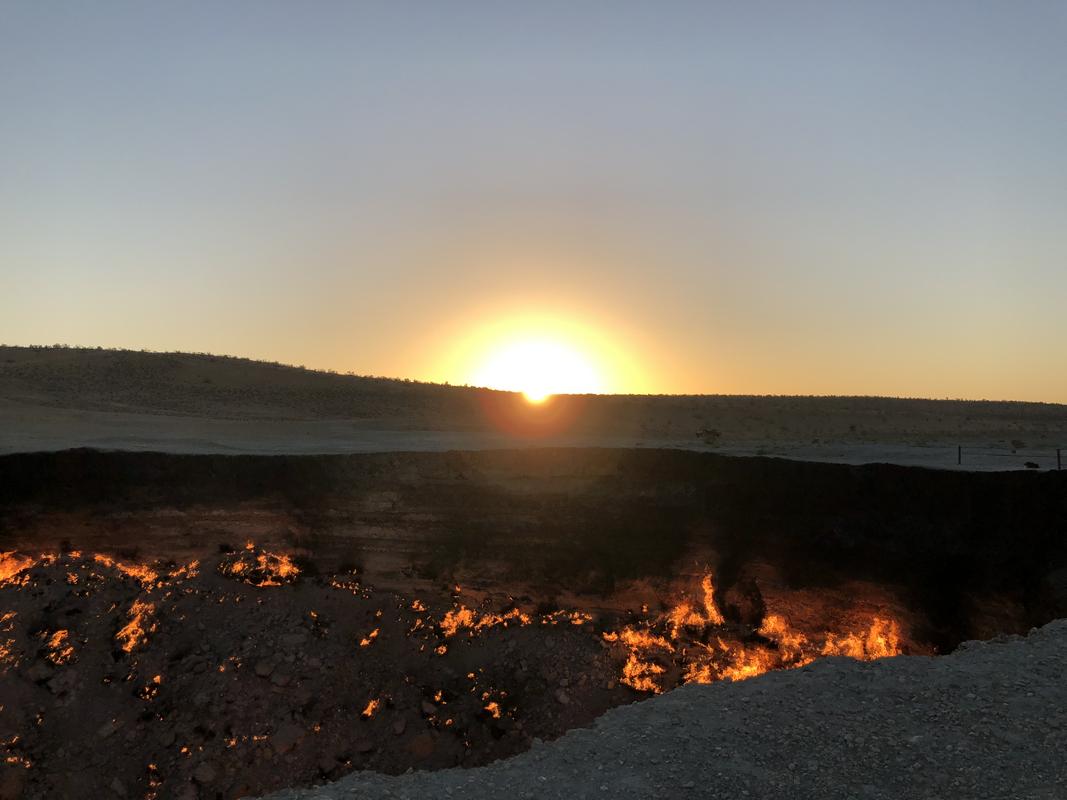
Sunset
As the full moon rose over the twilight sky, you could be
forgiven if you thought you were on another planet.
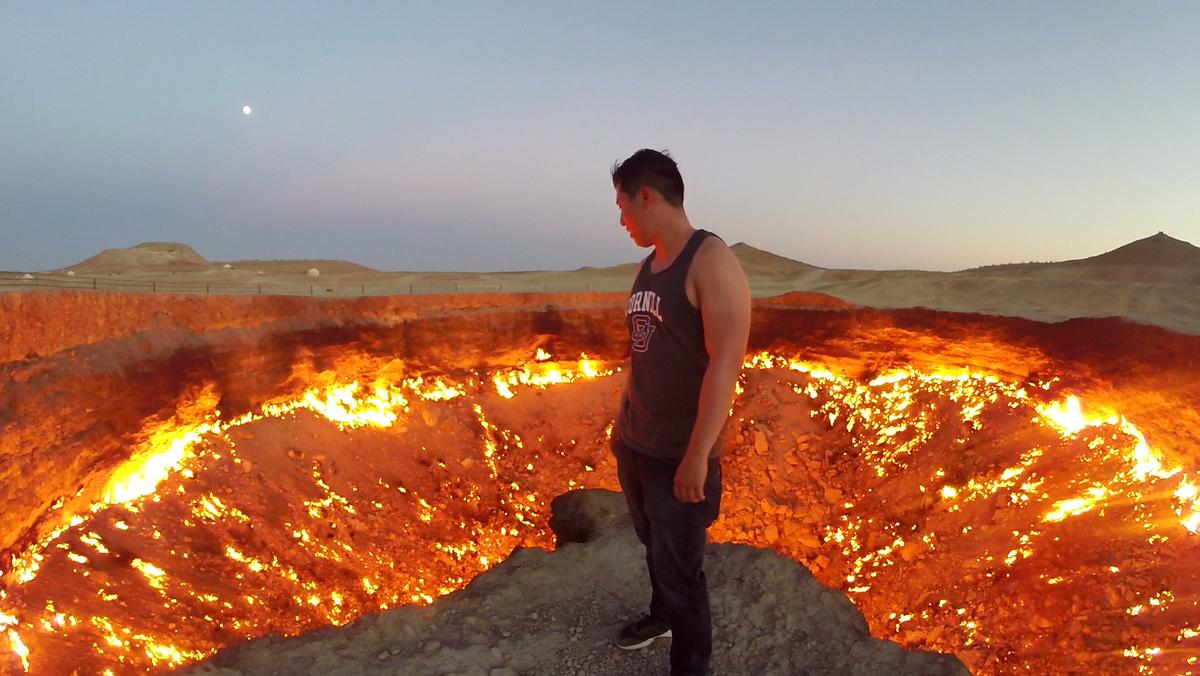
However, the best was still to come as the true greatness of
the crater can only be fully appreciated during the night.
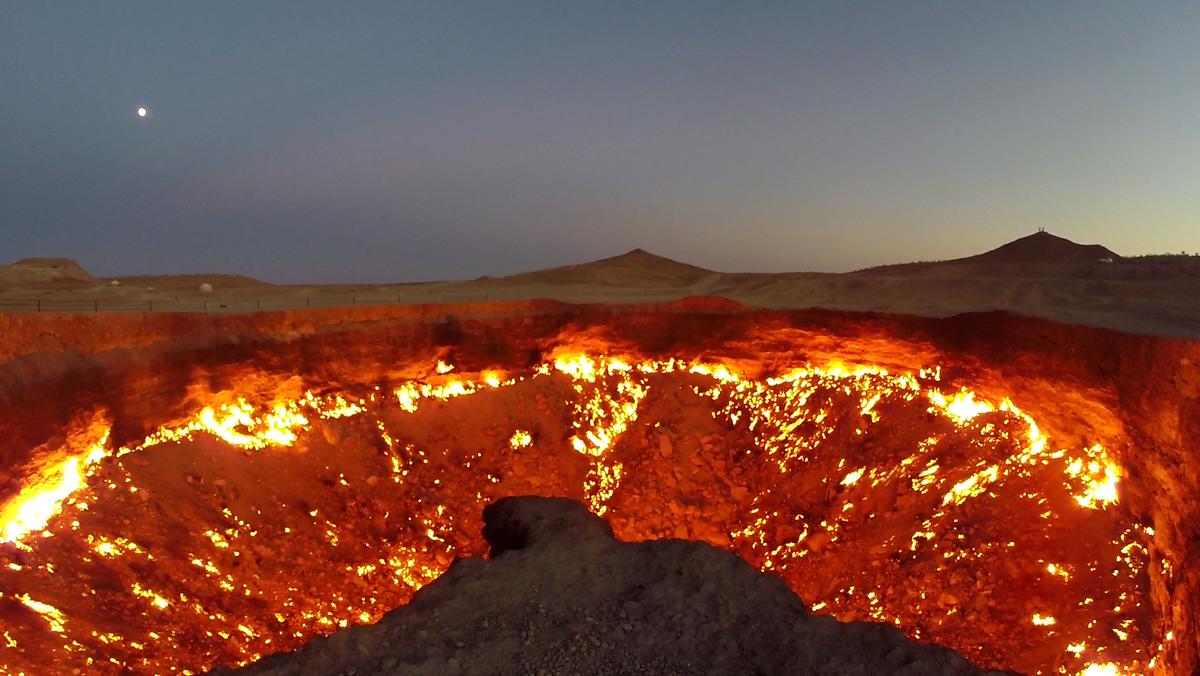
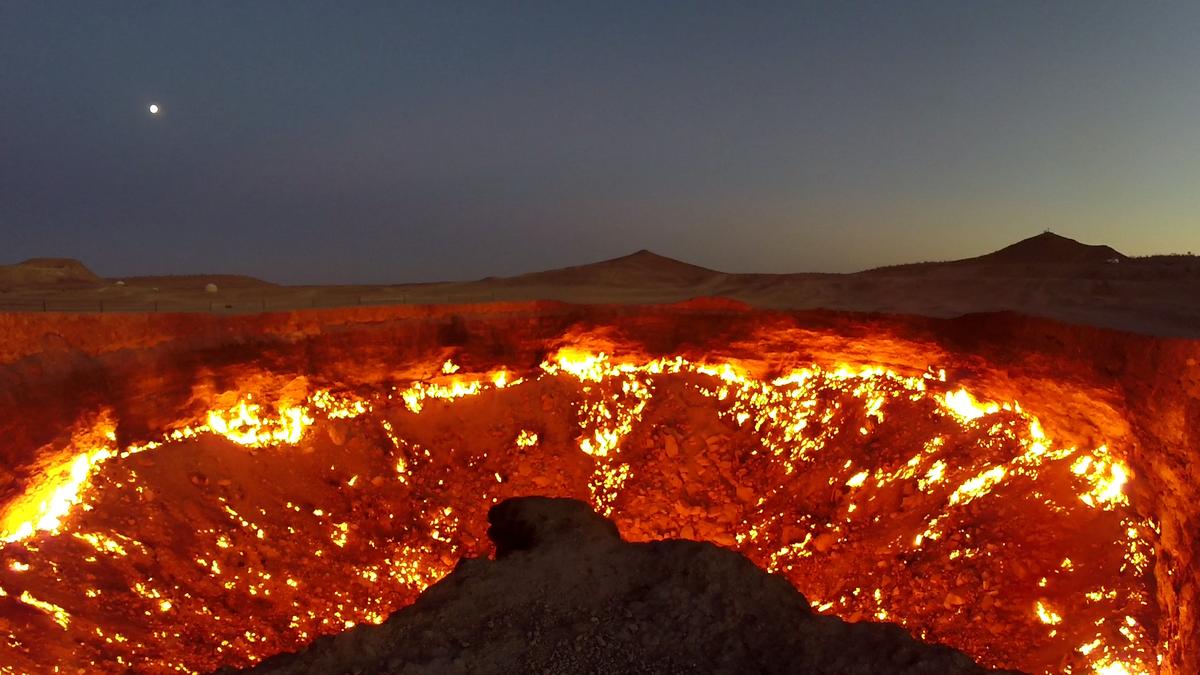
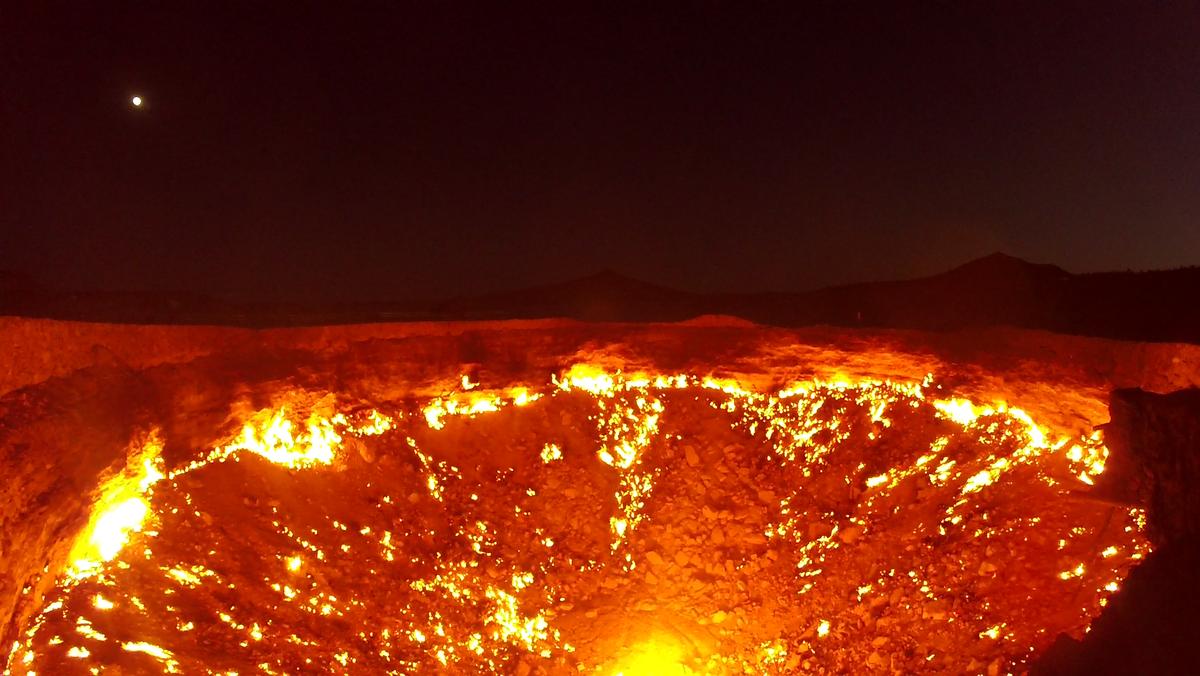
Dante’s Inferno
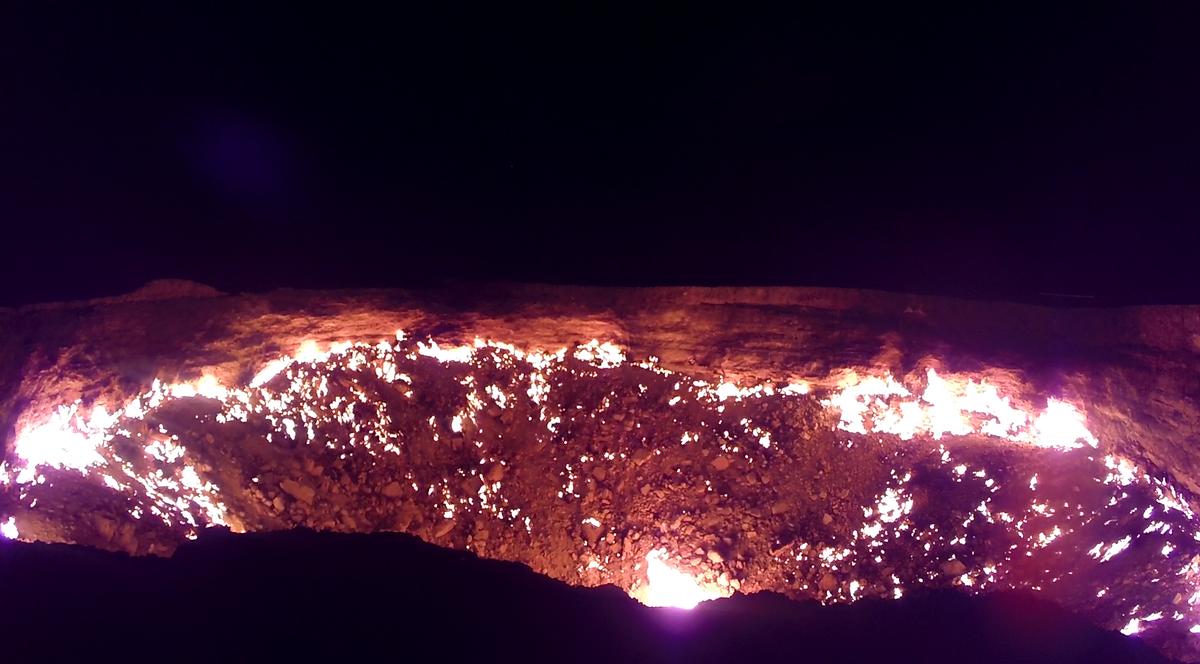
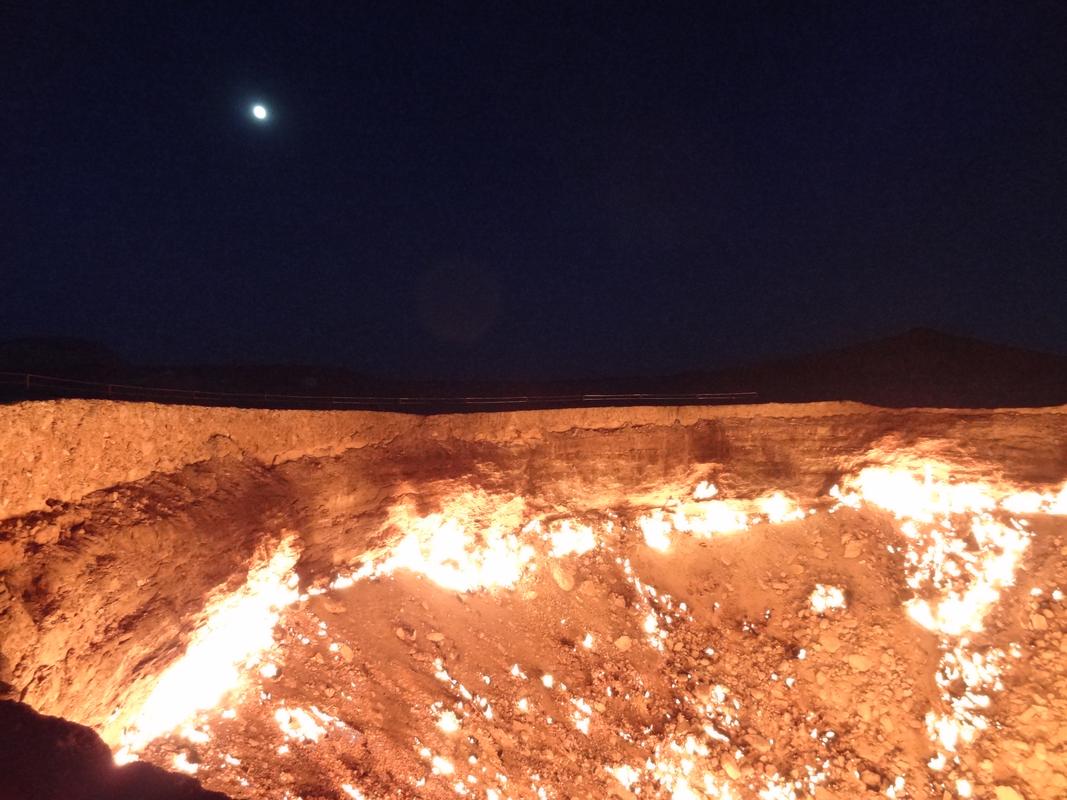
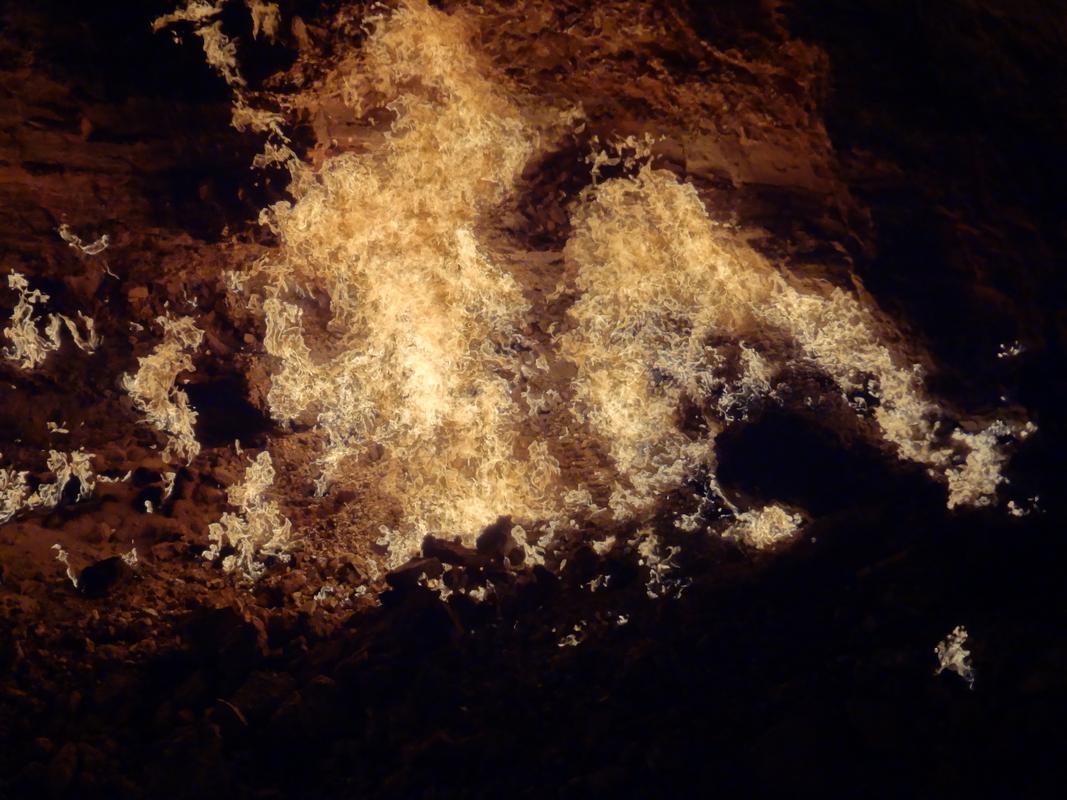
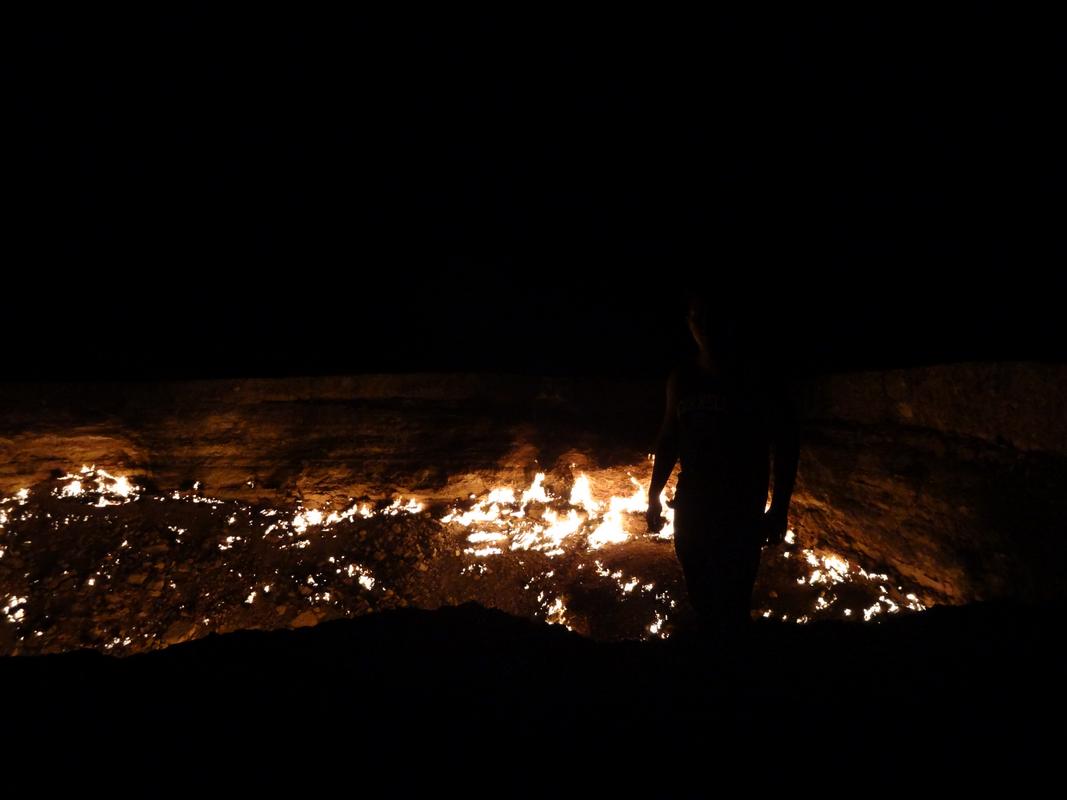
When I finally headed back to my yurt, my guide was fast
asleep. Apparently, I had been staring into the flames for the last three
hours, seemingly lost in time. Stunning, Magnificent, Frightening, and
Imposing. The Darvaza Gas Crater was all that and more.
How to get here:
Darvaza gas crater is approximately four hour drive from the
capital, Ashbagat. There are a handful of international airlines that flying to
Ashbagat, mainly Lufthansa and Turkish Airlines. However, since Turkmenistan is
part of Central Asia, redeeming miles is a relatively poor value.
Fly instead on the rather bizarre Turkmenistan Airlines if
you want a reasonable departure time.
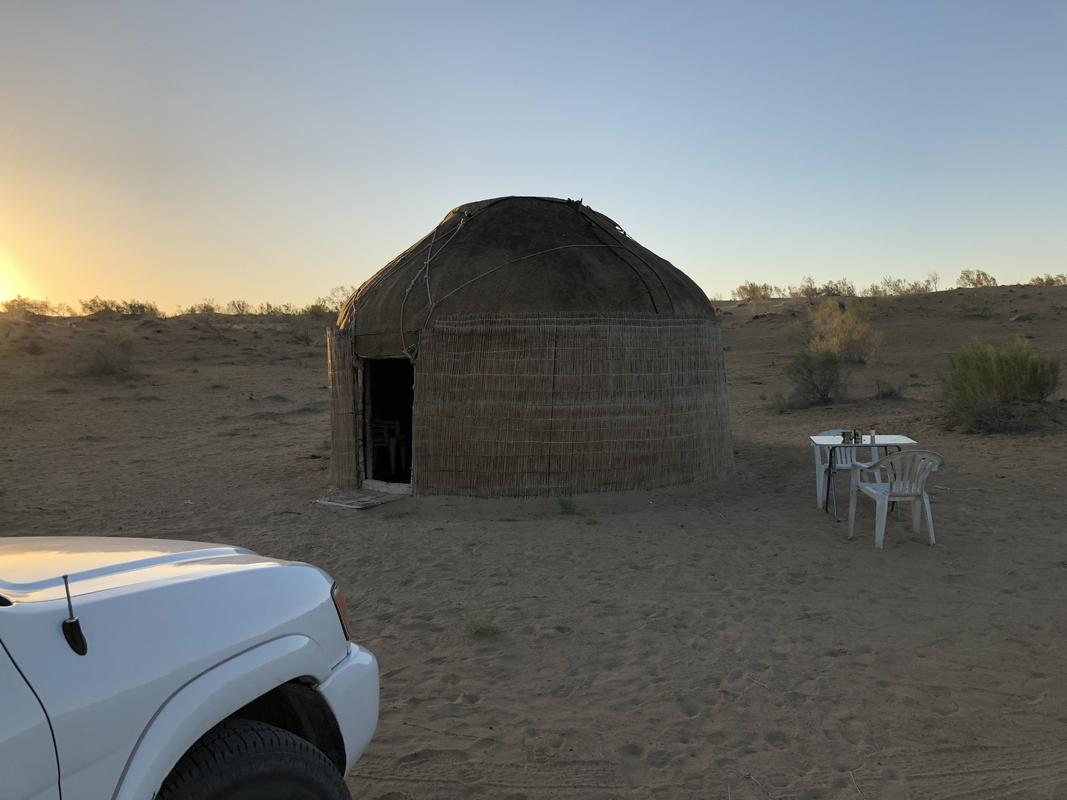
The sole accommodations available at Darvaza are basic tents
or yurts. All in, including airfare from Russia and lodging, I paid over $1000
for my four day trip, which is the most I’ve spent dollar wise in quite a while
for independent travel.
Getting a visa to visit Turkmenistan is notoriously
difficult to obtain. While not the cheapest option in town, StanTours was
monumental in helping me receive a visa with just a one month to spare, and
helped organize the logistics. Not to mention they have superb English speaking
support staff. To save on costs, I opted for just a driver who spoke basic
English. After all, there’s no real need for guide when you all the info you
need is available online.
Budget travelers can try their luck with a transit visa, but
without any organized transport, visiting Darvaza on their own will be a
challenge to say the least.
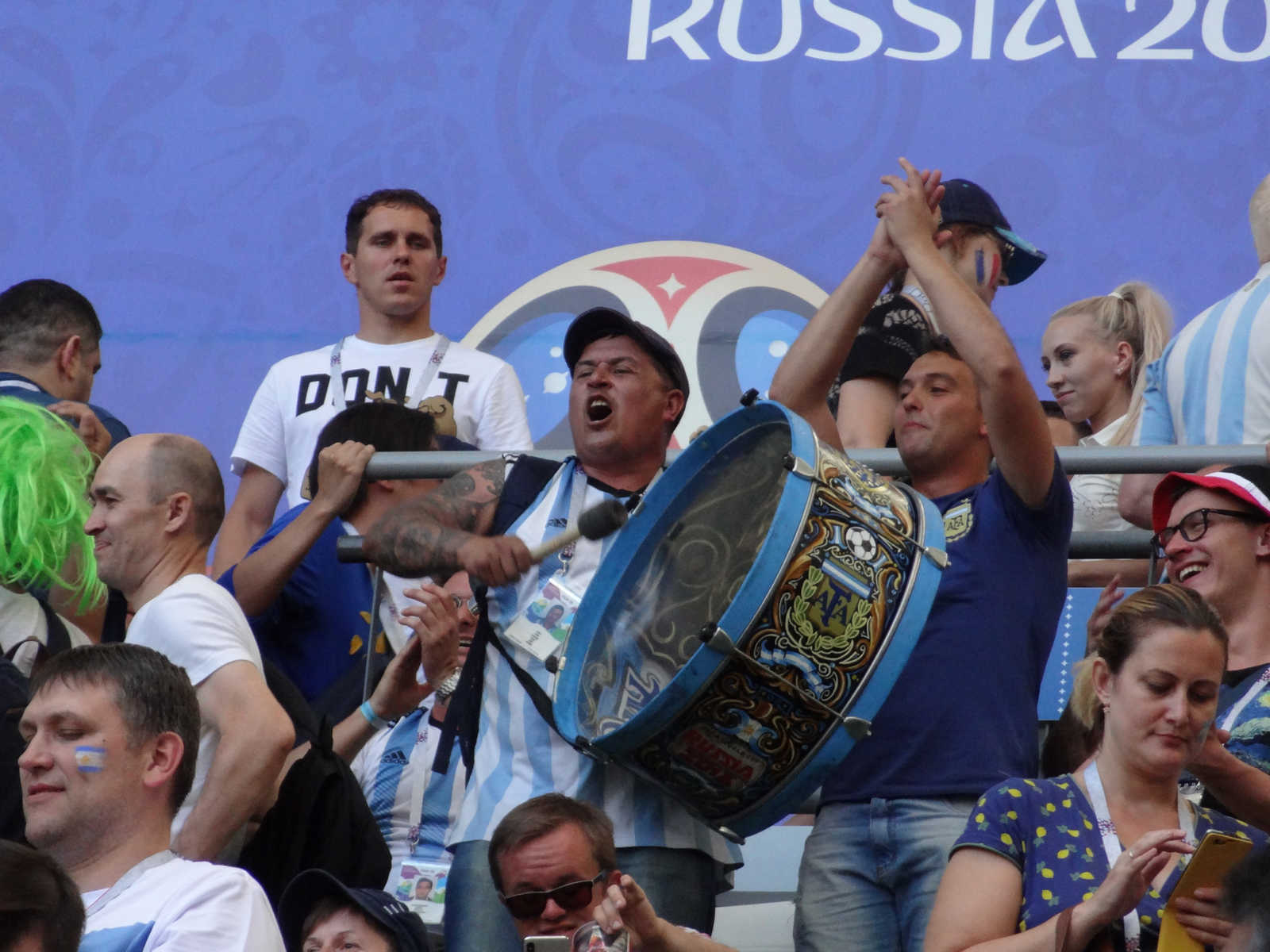
For many sports fans, attending a World Cup is a bucket list
item. The Argentinians are world famous for their passionate, almost religious
devotion to their national team. That passion would prove contagious during my
time in Kazan.
My spectacular World Cup experience came through pure
chance. About a year before the tournament, I noticed hotels in Russia were
still allowing normal points redemptions during the World Cup. I quickly made a
speculative booking at the DoubleTree Hilton in Kazan for just 10,000 Hilton
points per night, before the hotel blocked out future bookings.
With room rates going
for over $280 a night, my points redemption was worth an incredible 2.8 cents
per point.
Even though the US didn’t qualify, experiencing a World Cup
on a budget was too good to pass up. I purchased tickets for a few group games
in Kazan, along with a Round of 16 match ticket appropriately labeled “1C
vs 2D.”
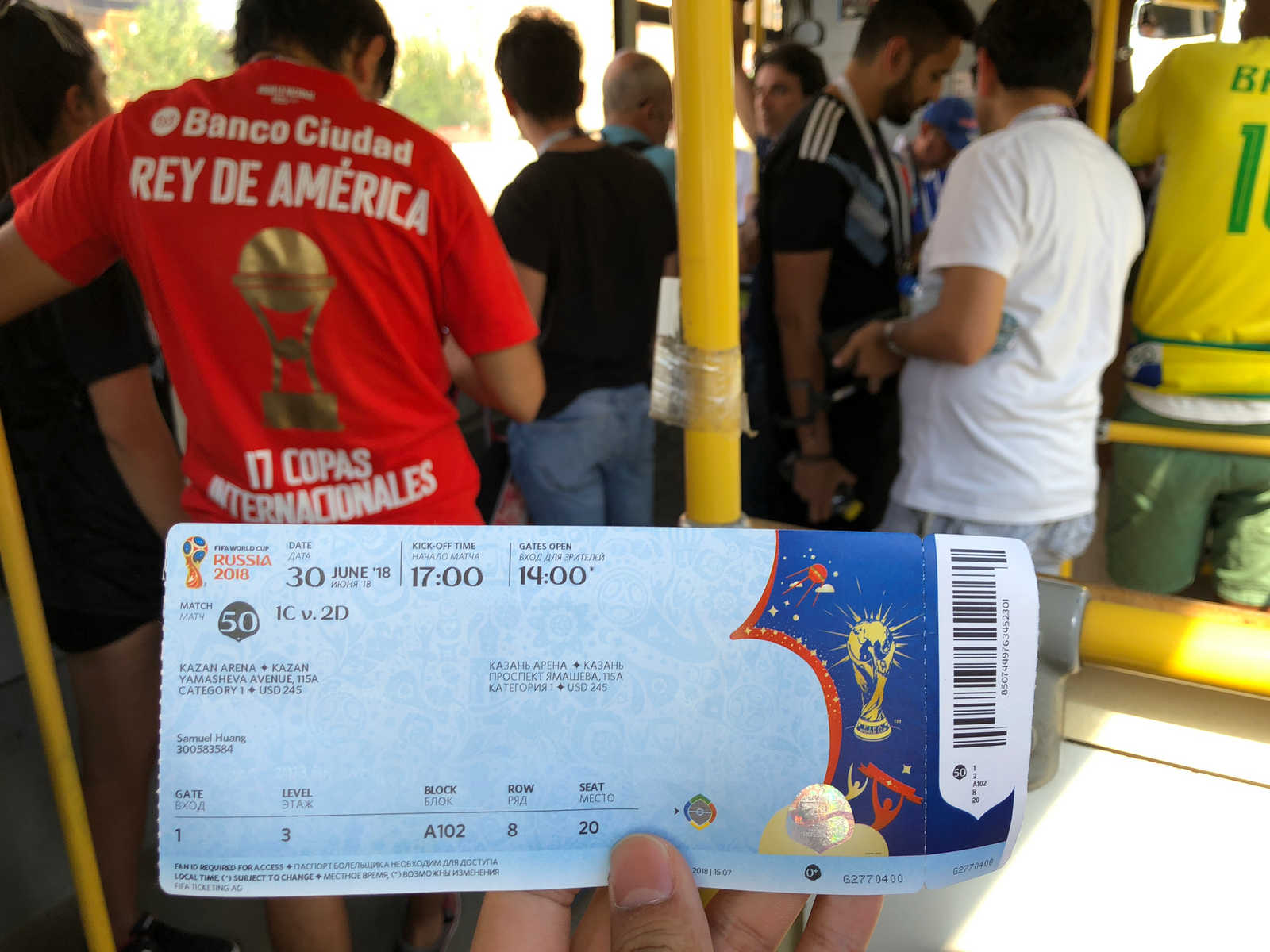
The group stage turned out to be quite dramatic, with
Argentina barely squeaking into the knockout round to face group winners France
in Kazan. Overnight, match tickets quadrupled in price, with my $250 tickets
now selling for $1000.
With flights and hotels completely sold out, many die-hard
Argentina fans opted to rough it overnight on Russian trains. This hardly
dampened their enthusiasm as they arrived early morning at Kazan’s train
station, singing and chanting.
I left my hotel three hours before kickoff, not wanting to
be late for this one. The special World Cup bus routes set up by Kazan’s
government worked perfectly, getting me to the stadium in just 30 minutes.
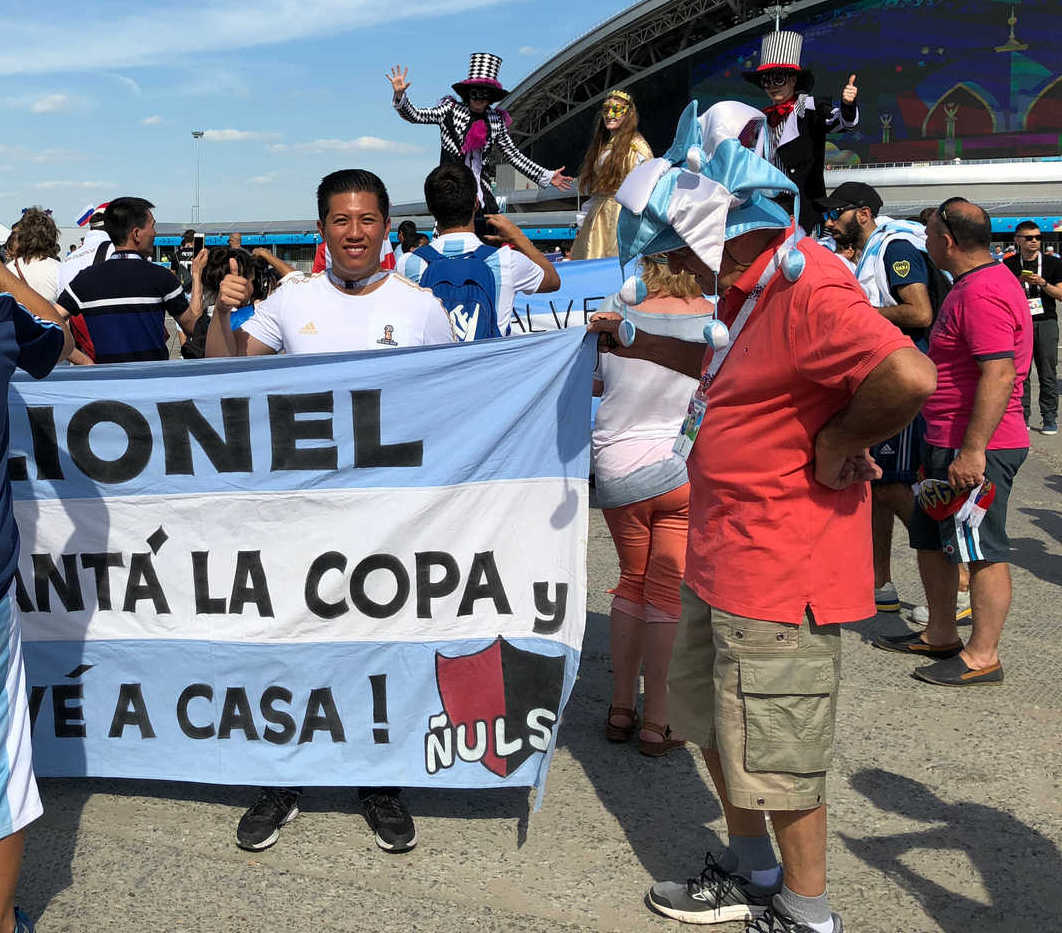
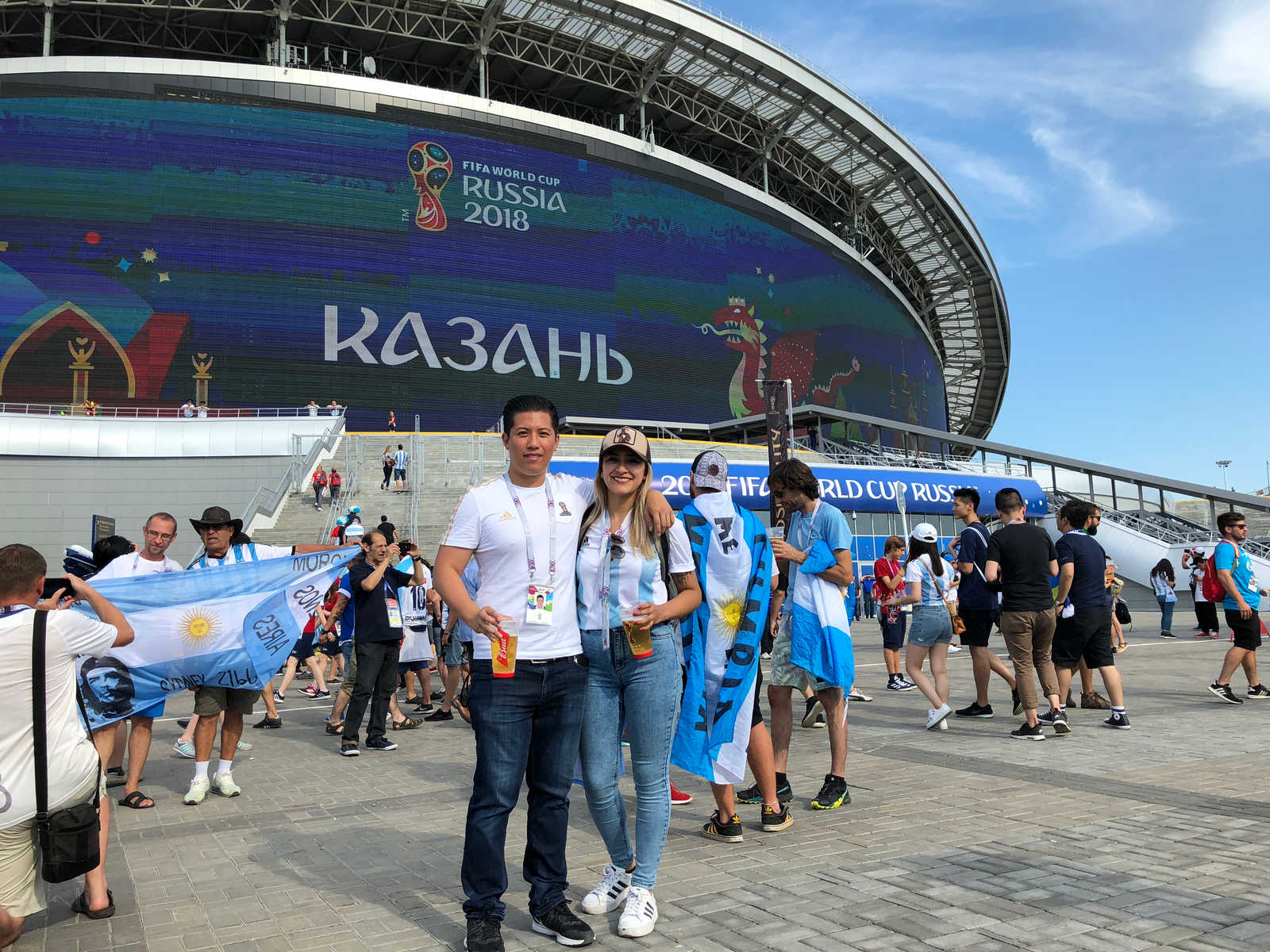
Walking through the gates, I was immediately surrounded by
masses of Argentina fans singing in unison. I met a father and daughter who’d
traveled from rural Argentina, who like me had bought their Round of 16 tickets
months in advance. We shared a couple Budweisers, ironically the only alcohol
sold at the venue, before heading to our seats.
I’d been to two earlier matches at Kazan stadium – a dull
affair between Australia and France, and Iran vs Spain which was dominated by
the drone of vuvuzelas. But neither could compare to the electric carnival
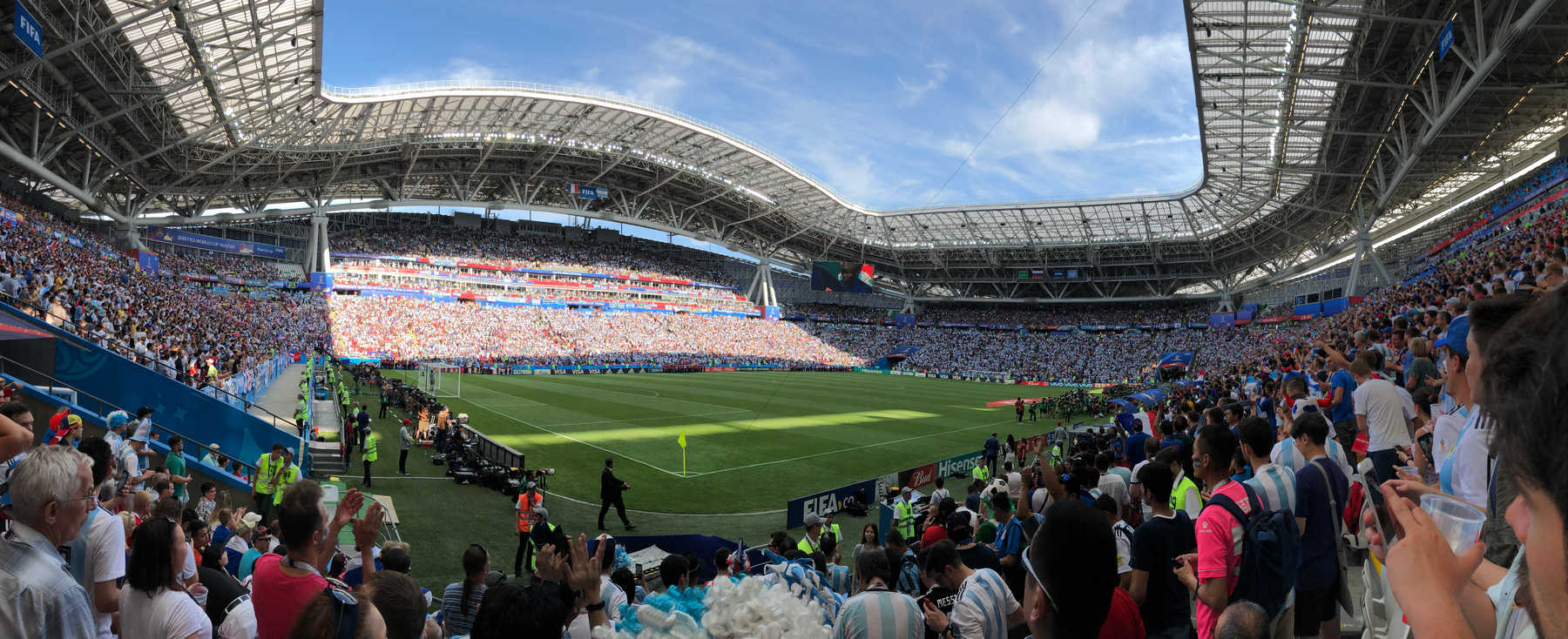
atmosphere that afternoon. The stadium was a sea of blue and white Argentine
flags, with their supporters making up about 75% of the crowd.

The French had a
smaller but vocal contingent of fans.
Thanks to FIFA’s policy of grouping solo ticket holders
together, I lucked into a seat next to the Argentina fan section. My seatmate
was an Argentine who’d scored a last-minute ticket, and we instantly bonded
over beers.
Fifteen minutes before kickoff, they brought out the
national flags and played the anthems – France’s rousing La Marseillaise
followed by Argentina’s wordless melody.
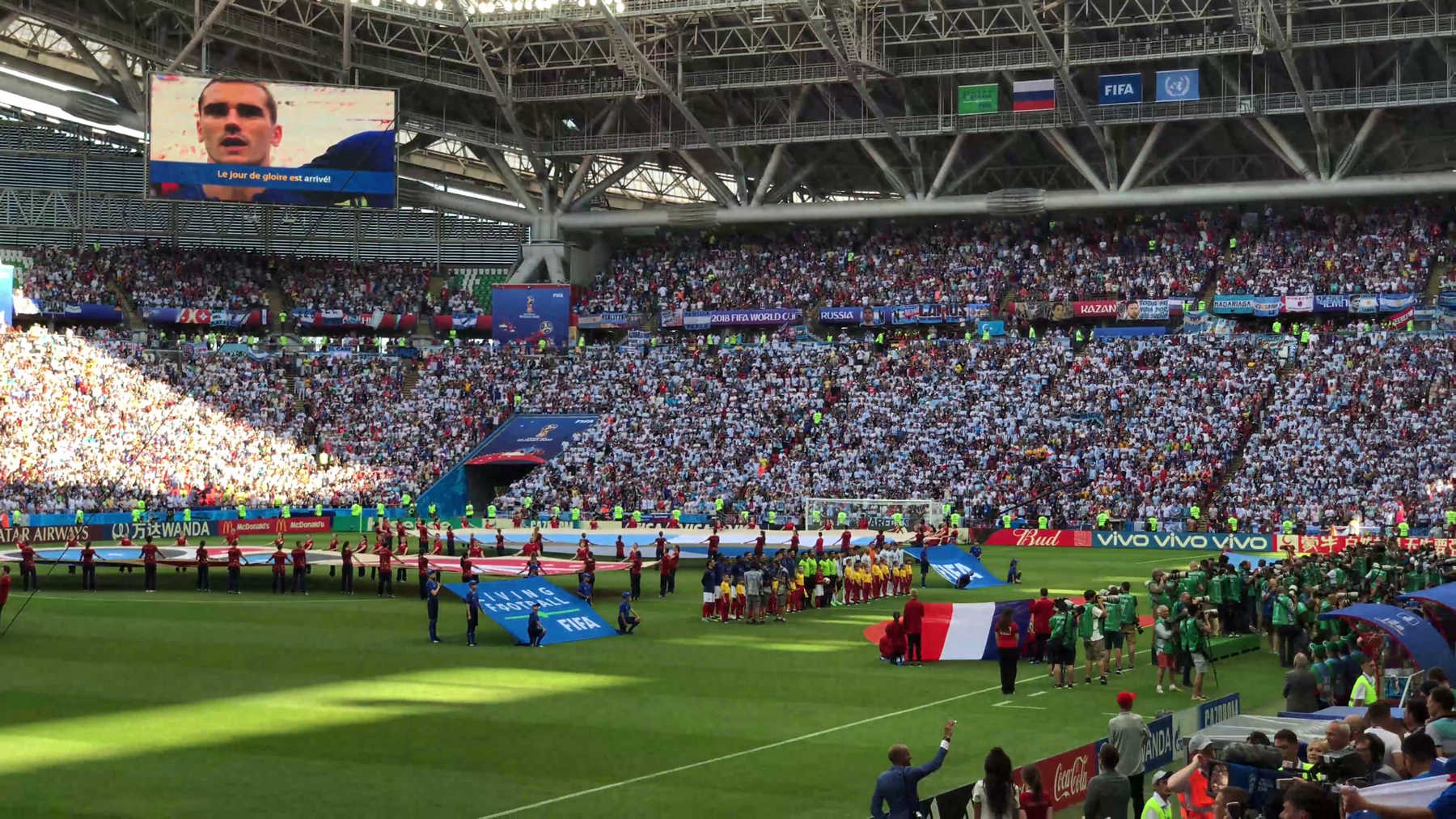
When the match finally began, the Argentine fans launched
into their repertoire of songs.
France dominated early possession and drew first blood when
Mbappe’s blistering pace earned a penalty that put Les Bleus ahead. The
Argentine fans went quiet as their team struggled to create chances. But fubol
always has room for magic, and near half time Angel di Maria unleashed a
stunning strike from 90 feet that leveled the match.
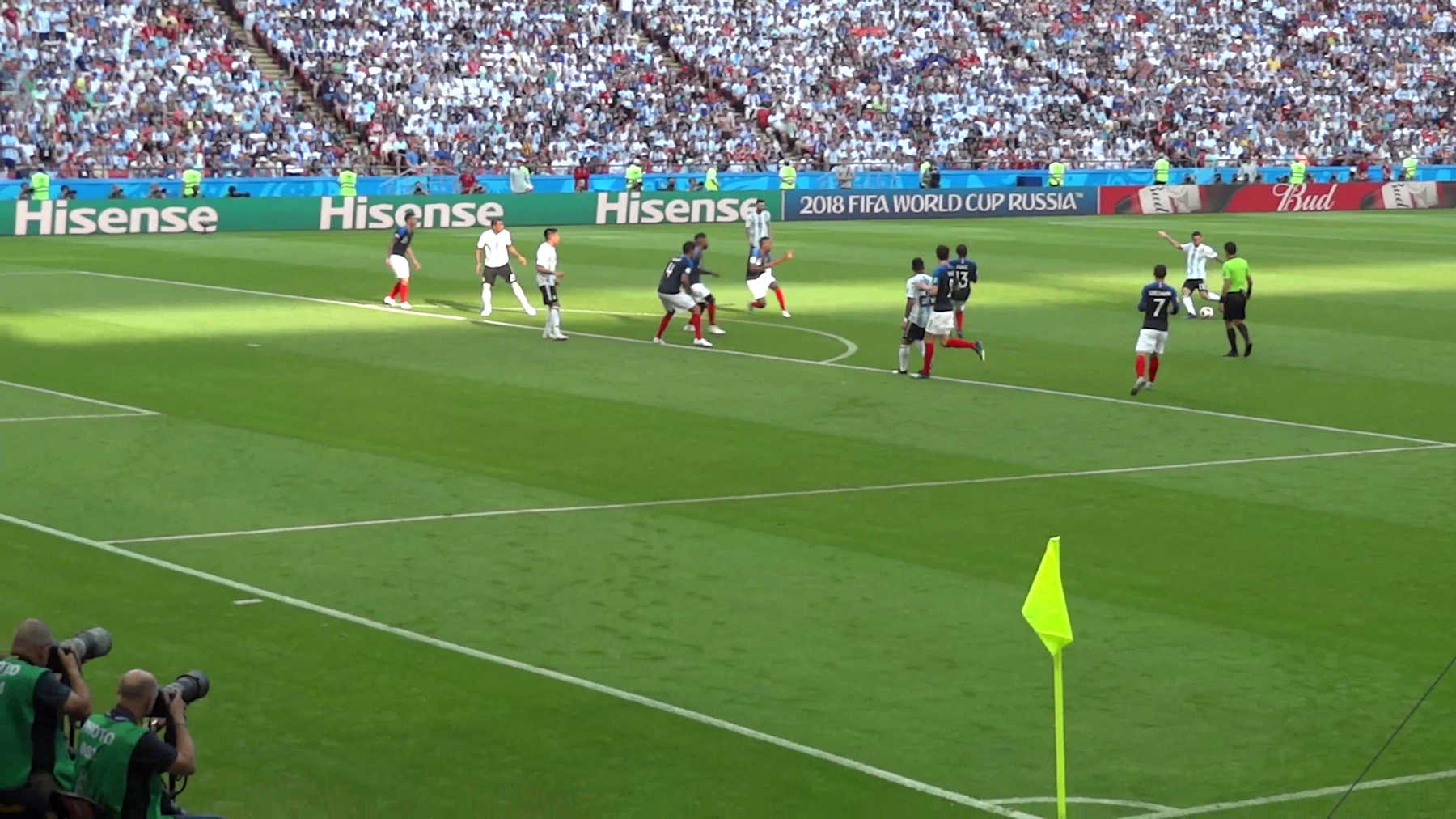
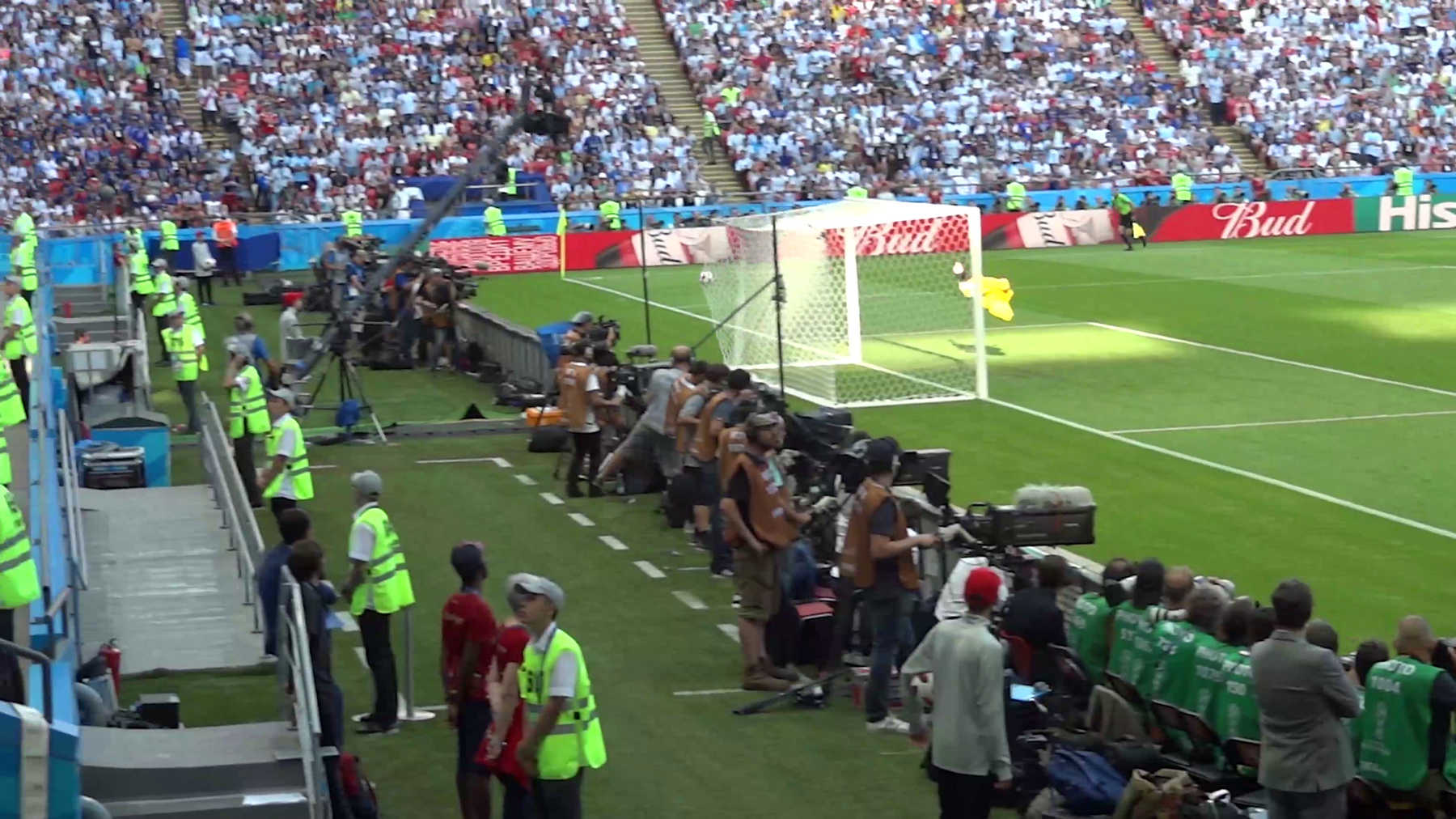
The wondergoal left me speechless, only able to repeat
“Whoa” as my seatmate and the fans around us erupted in pure joy.
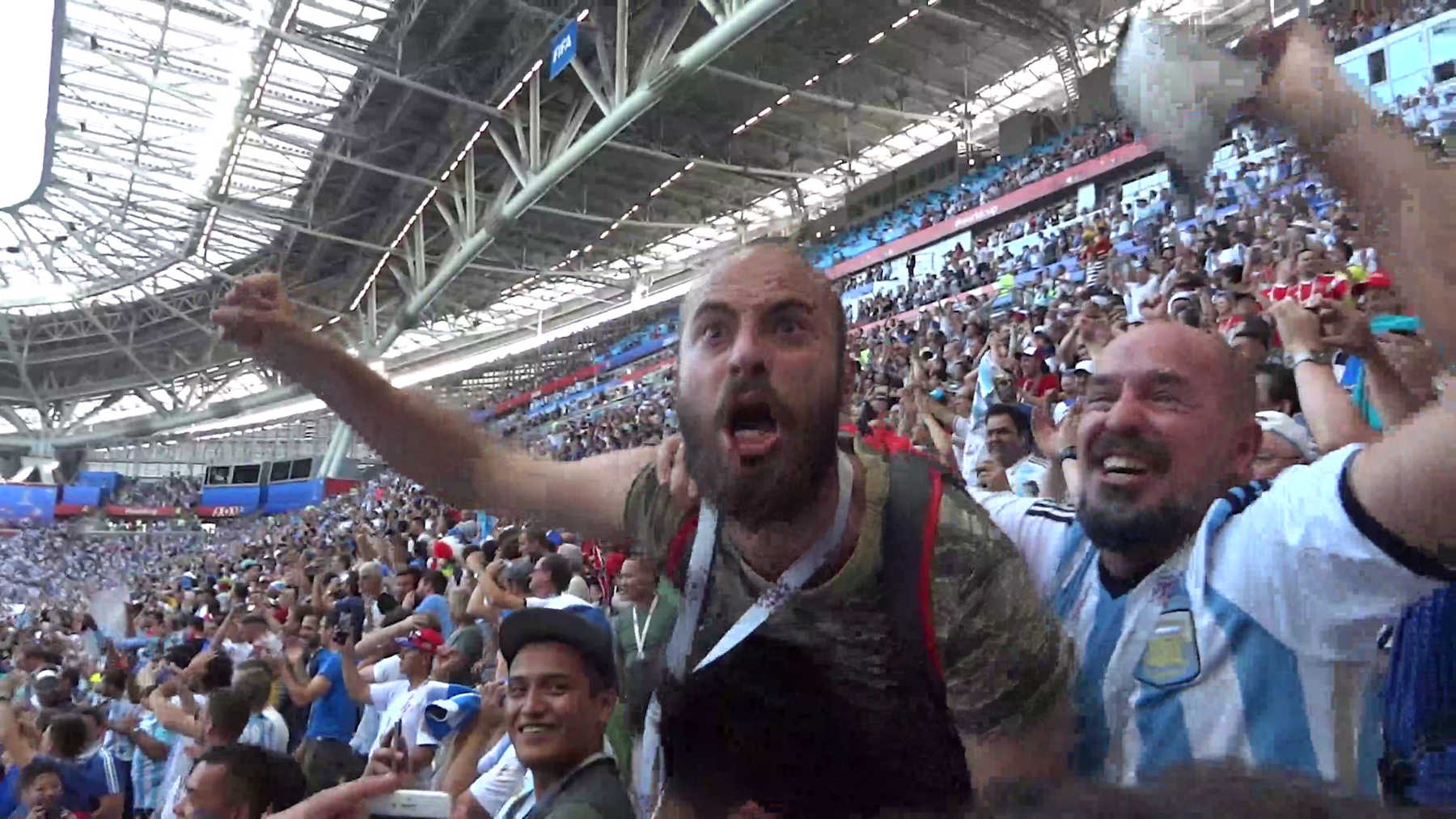
The temporary quiet vanished as Argentine fans erupted in
emotional chanting, awakening from their slumber. At halftime, they sent their
team off with the loudest roar I’ve ever heard at a sporting event.
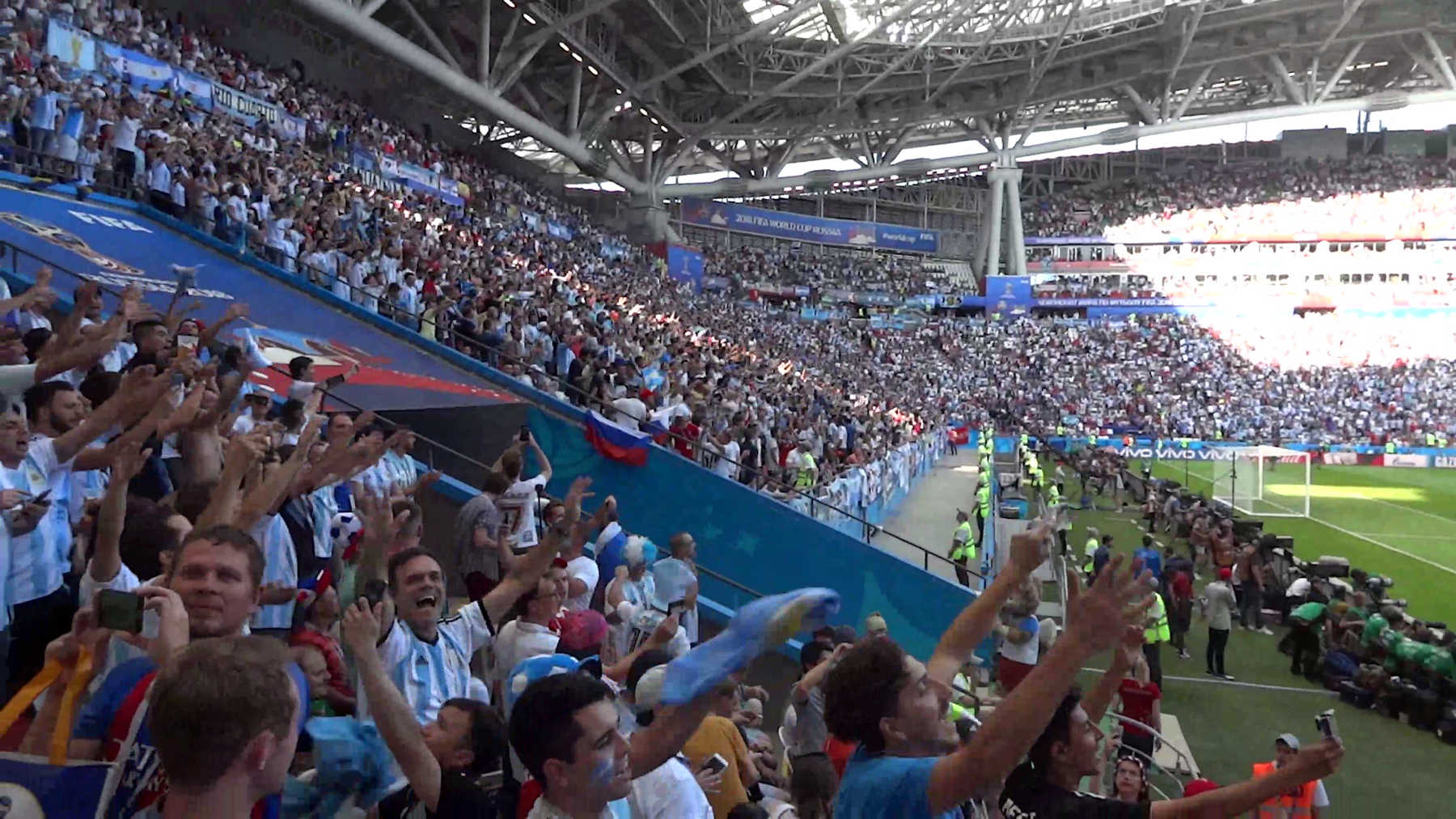
The passion spilled into the bathroom during the break, with
fans pounding on walls and singing while stadium staff looked on in bemusement.
The second half had barely begun when Messi’s deflected shot found the net. The
stadium exploded, with strangers embracing like family in pure ecstasy.
But soccer can be cruel. France responded immediately with
Benjamin Pavard’s spectacular volley, later voted goal of the tournament.

The French then added two more goals, crushing Argentina’s
hopes. The electric atmosphere turned into a whisper.

As the match wound down, reality began setting in that this
could be Messi’s final World Cup game (Thankfully, we were proven wrong 4 years
later). The fans shifted from despair to gratitude, cheering for their idol.
Aguero’s last-minute goal offered a glimmer of hope, but after some French
time-wasting and a wayward cross, the final whistle confirmed Argentina and
Messi’s World Cup dream was over.
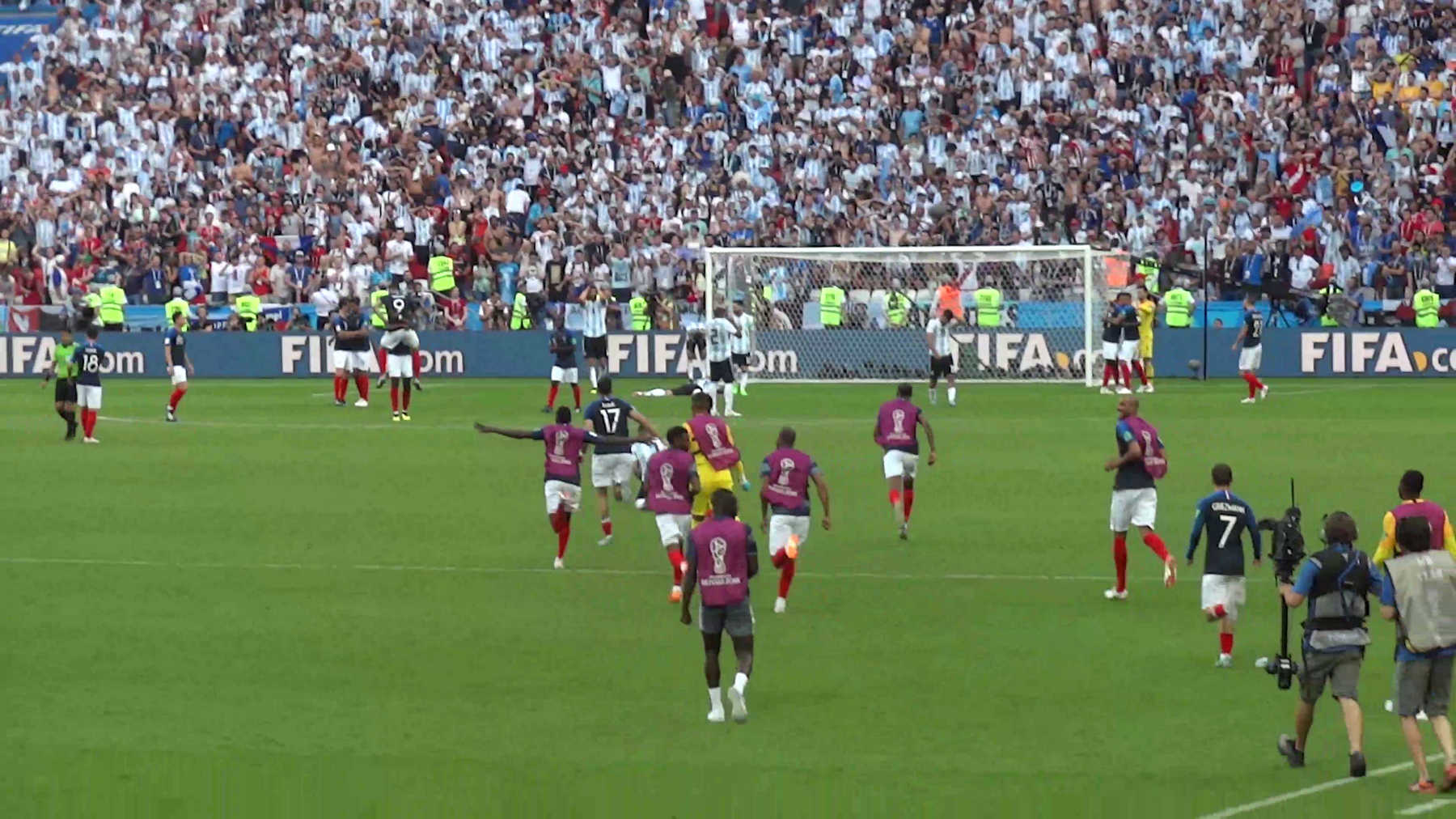
The wild ride had ended. My seatmate, who I’d shared
celebrations with all afternoon, bolted as soon as the whistle blew, too
heartbroken to stay.
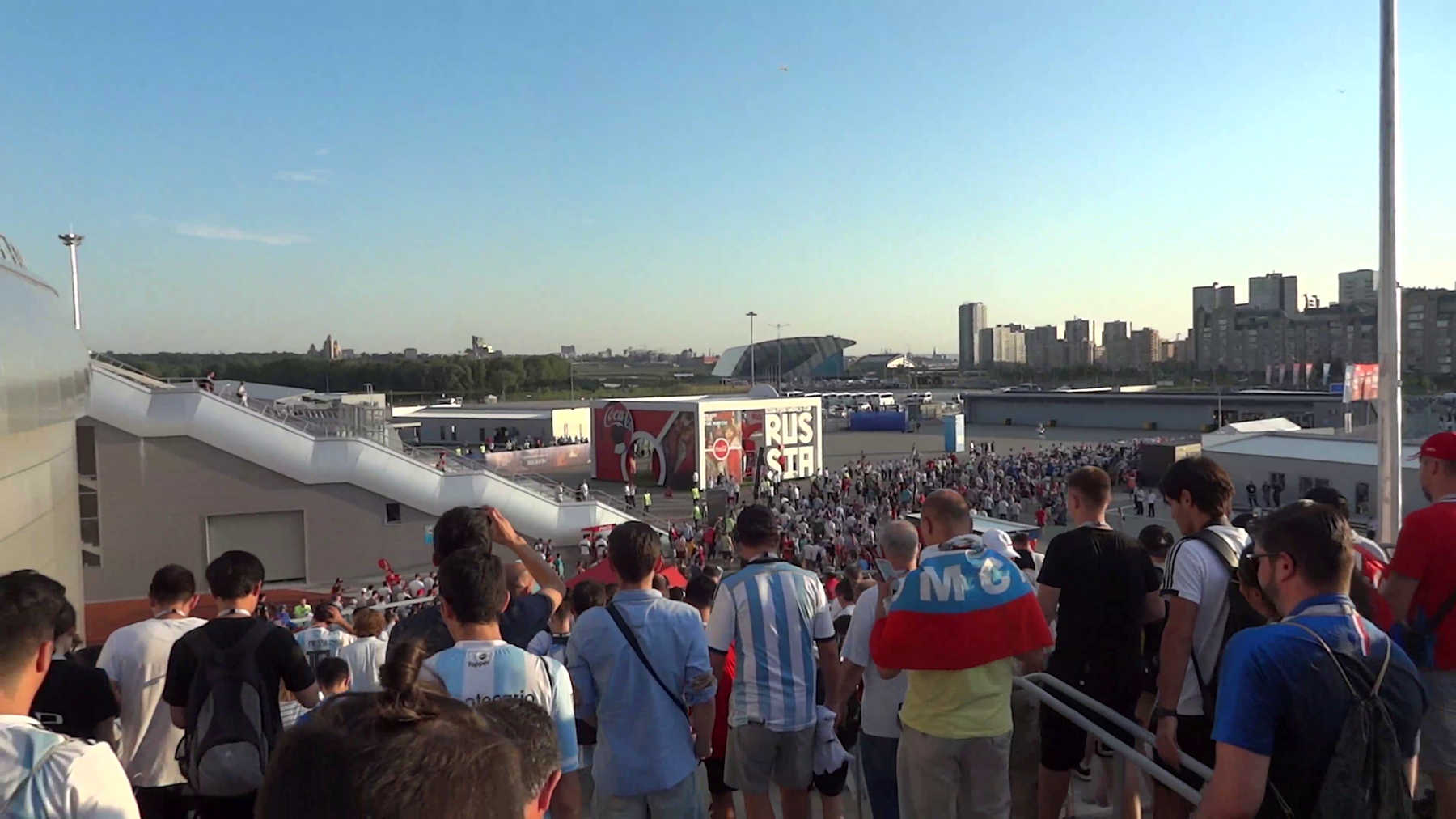
Such is the agony of the world’s beautiful game.
Dear Mileage Enthusiast,
Over the past three years, we’ve seen over 47,000 users join TopMiles to help make redeeming miles simple.
Unfortunately, due to a new opportunity, updates to the TopMiles database will be discontinued starting immediately. Your current trips will still be accessible under My Trips.
However, going forward there is a strong possibility that your trip information will become outdated, as the frequent flier landscape continues to evolve rapidly.
In the meantime, I’ll continue to occasionally post new trip reports related to award travel.
I would like to thank the TopMiles team for all their hard work over the past few years. I will always remember the long nights we had in Manila, conceptualizing and building an incredible platform to help simplify the complicated mileage redemption process.
I would also like to offer my sincerest gratitude for our CTO, GF Fontanilla. TopMiles would never have come to fruition without your generosity and knowledge.
Kind Regards,
Sam Huang
The next morning, we woke up to a dark grey sky and pouring rain. Thankfully, the Hyatt Regency Kyoto had large umbrellas for us to borrow and rather than fleeing indoors, we braved the elements and started walking towards the Heian shrine alongside the Okazaki Canal.
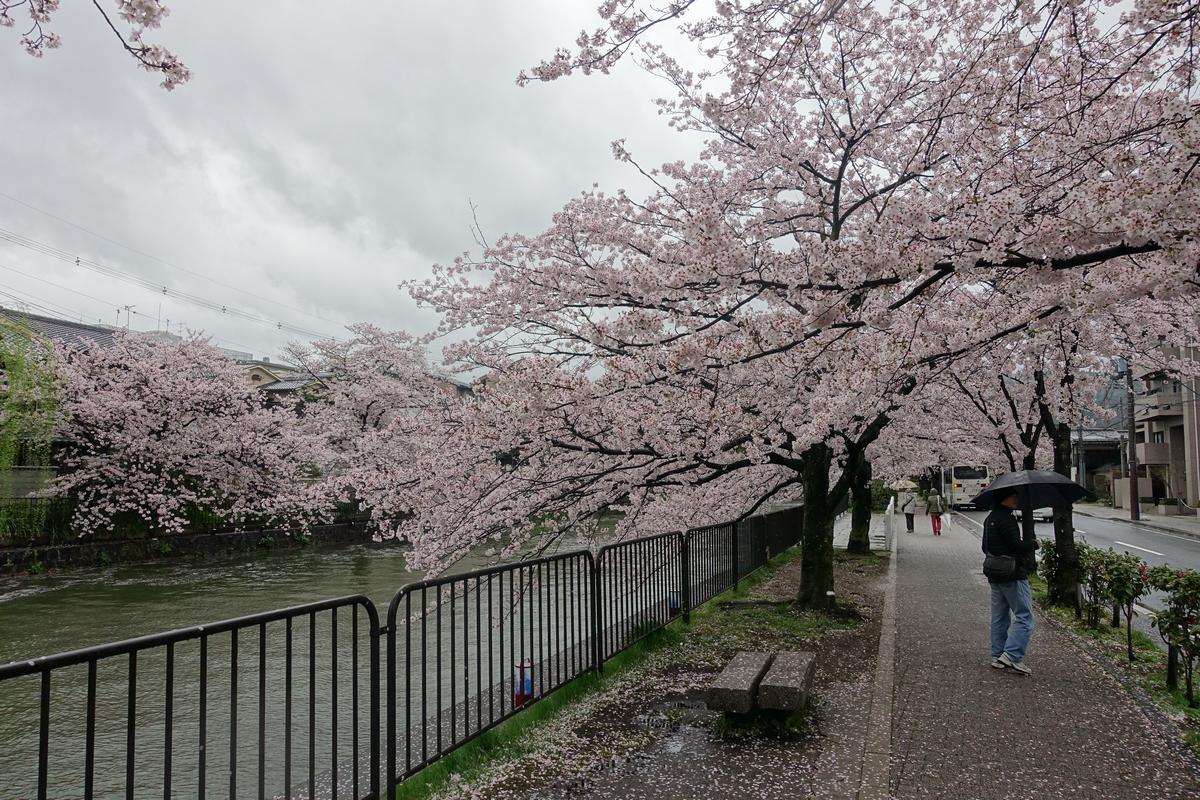
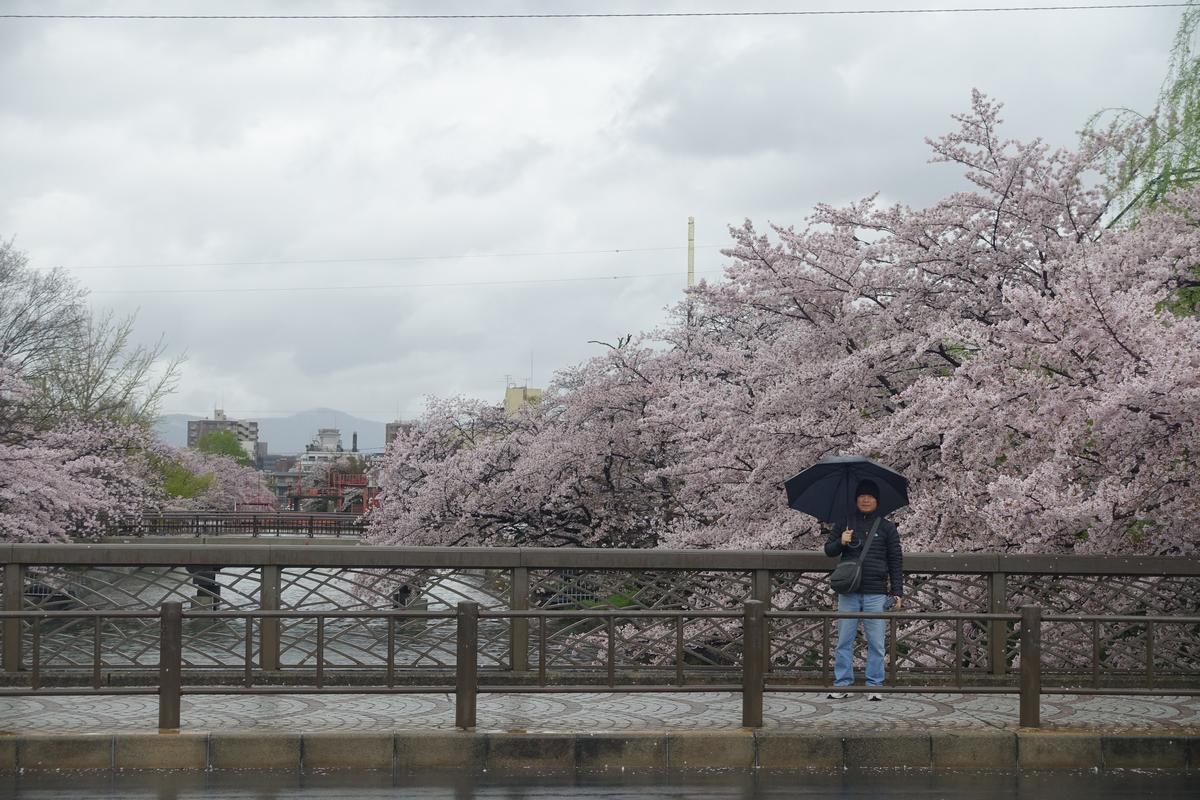
The ordinarily dull looking canal looked spectacular with Sakura trees on both sides in full bloom. Even during the rain, boats continued to ply up the waterway, albeit with few passengers.
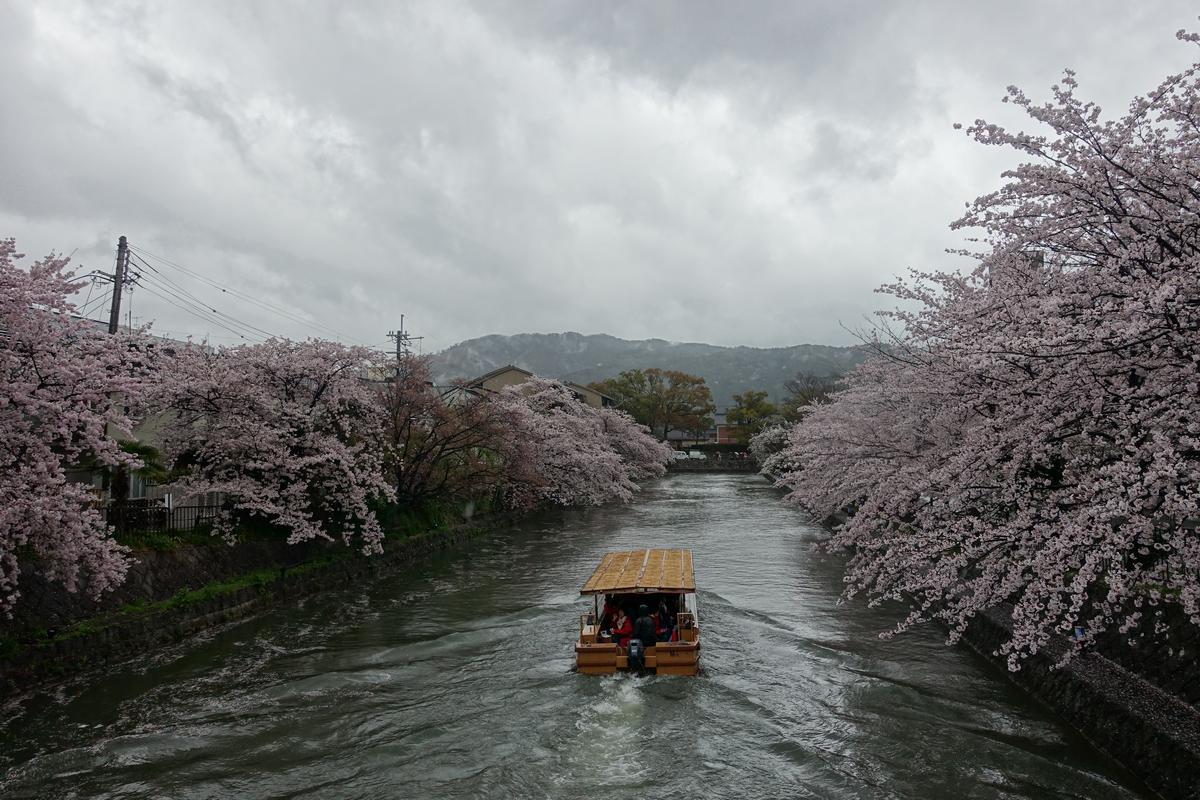
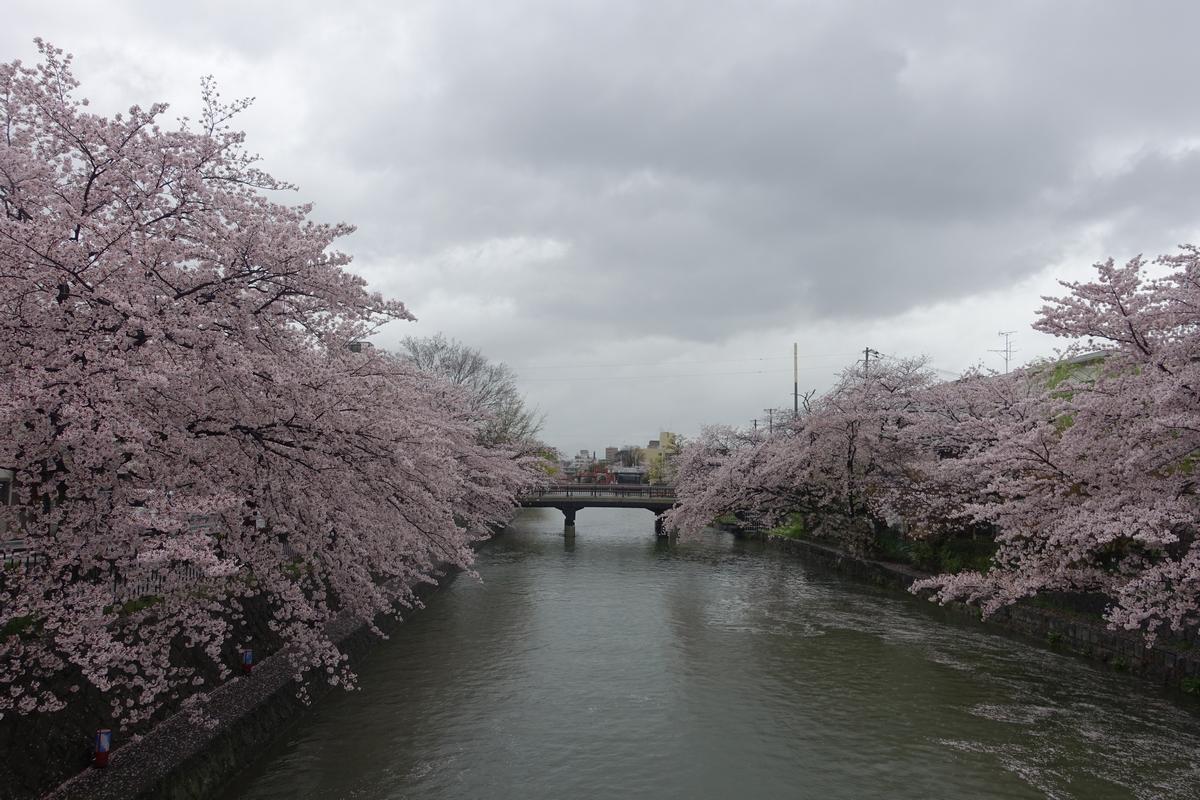
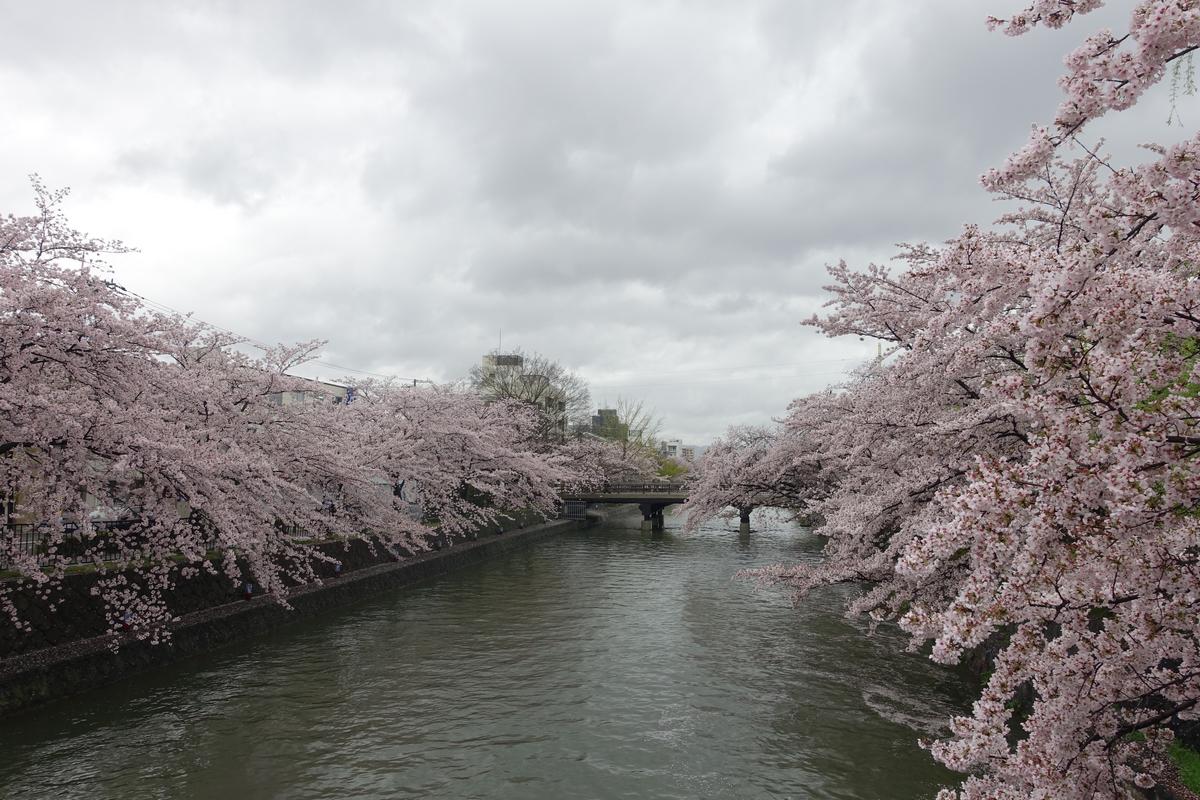
Along the way, we got a glimpse of the Keage incline, which looked splendid without the usual tourist crowds.
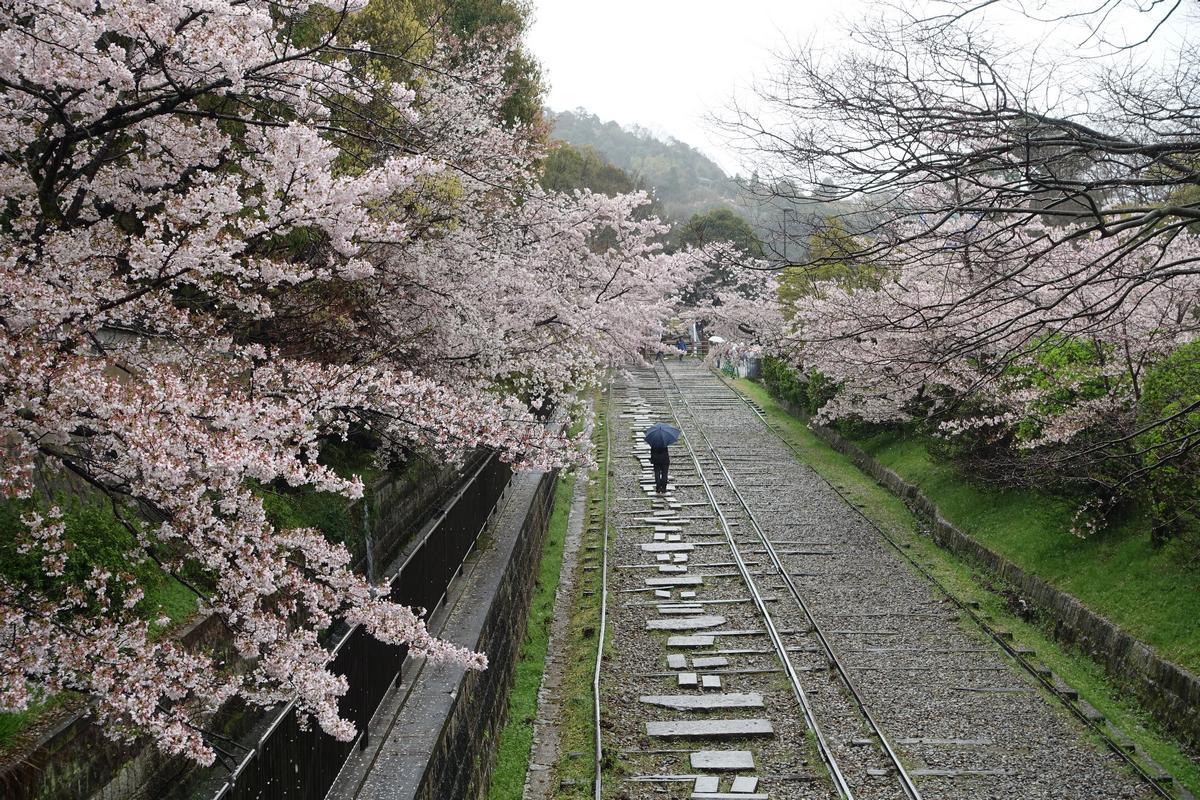
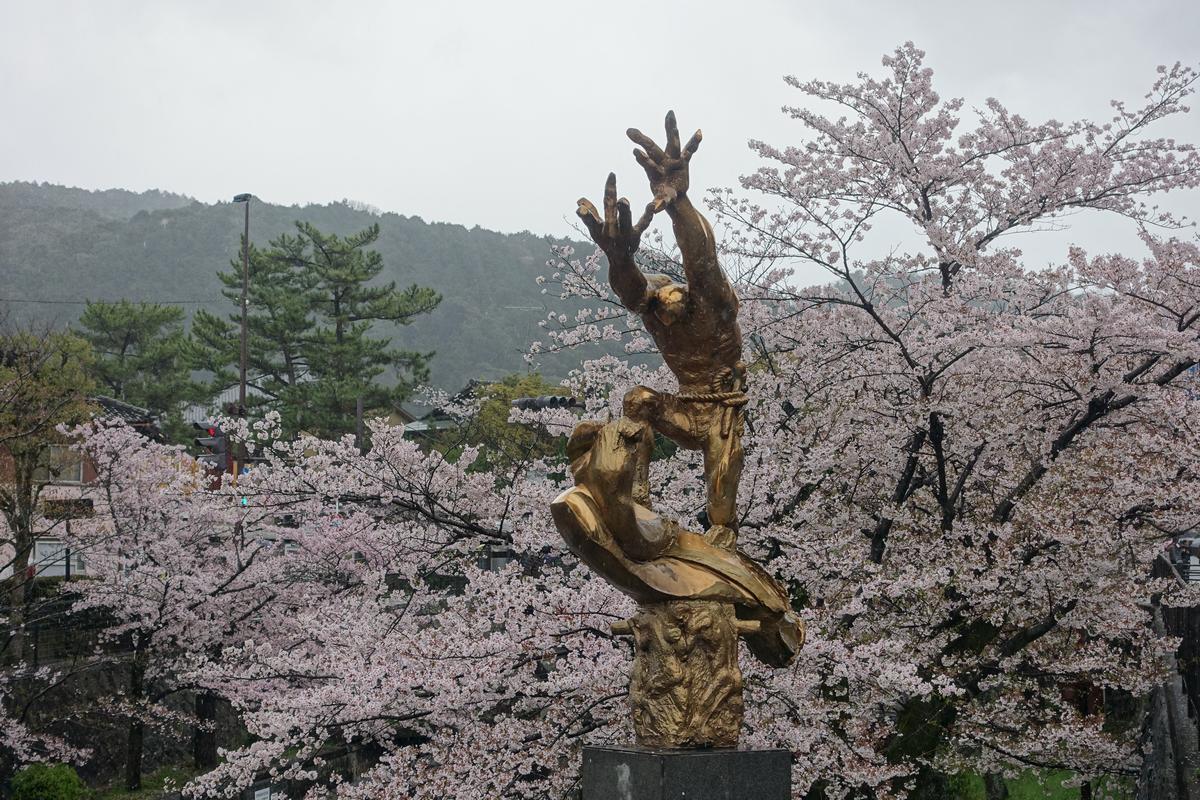
We arrived at the Heian shrine, home to one of the grandest gardens in Kyoto.
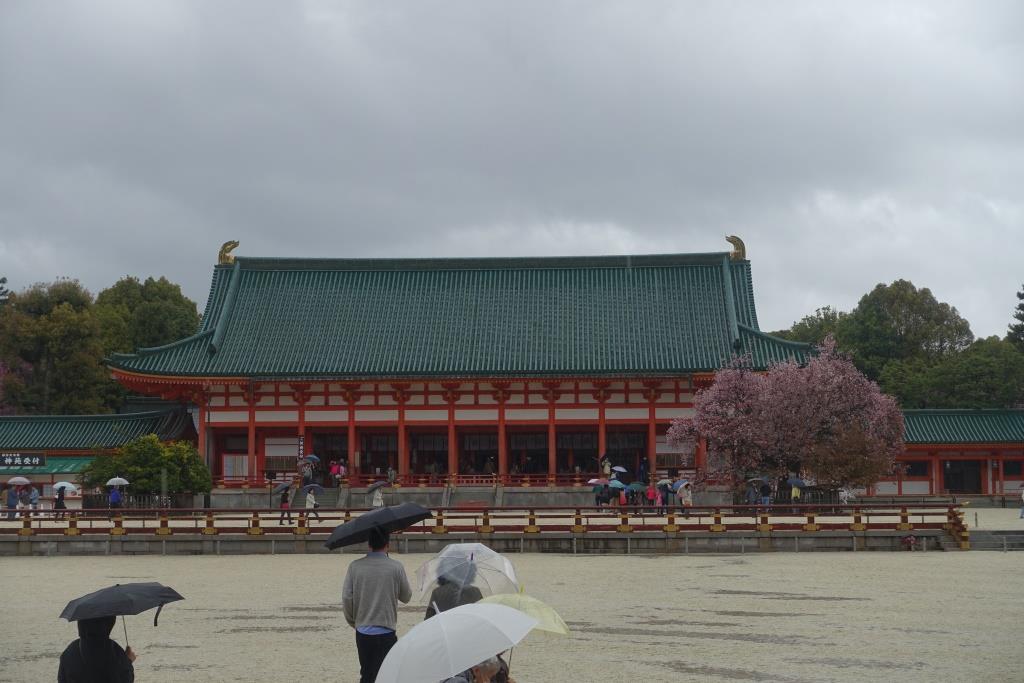
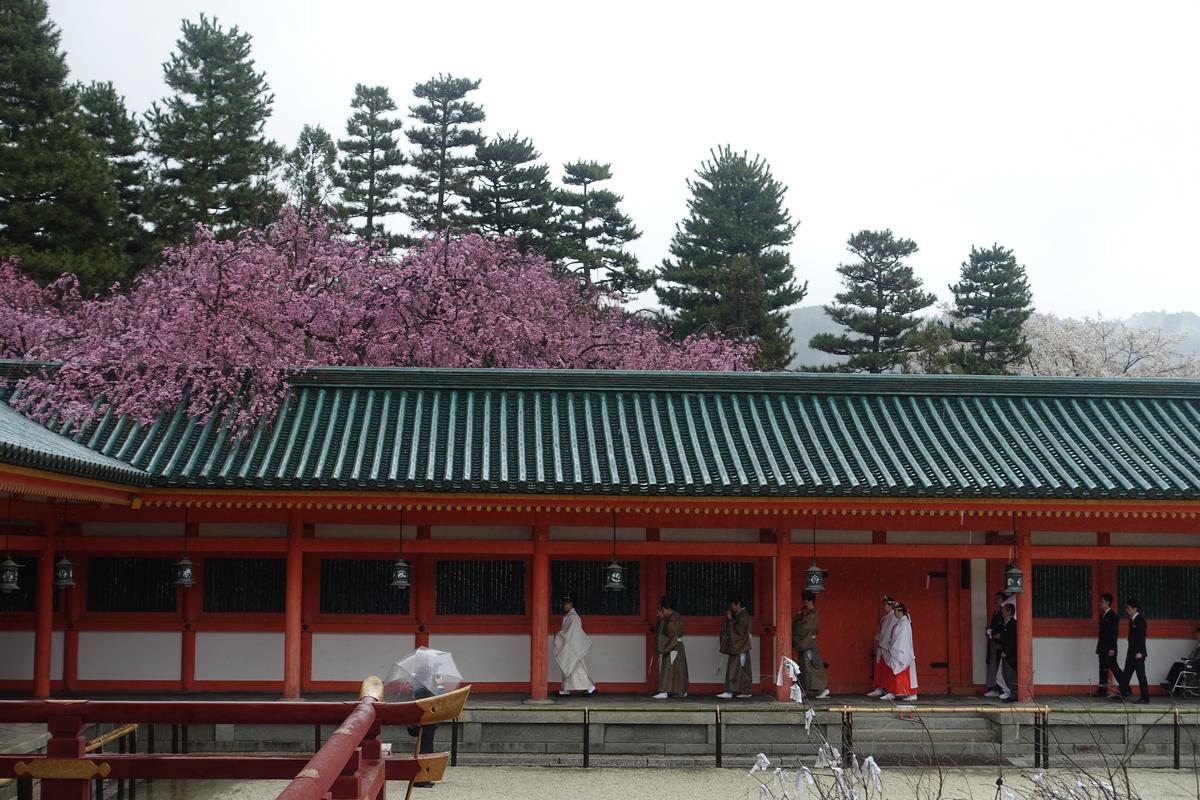
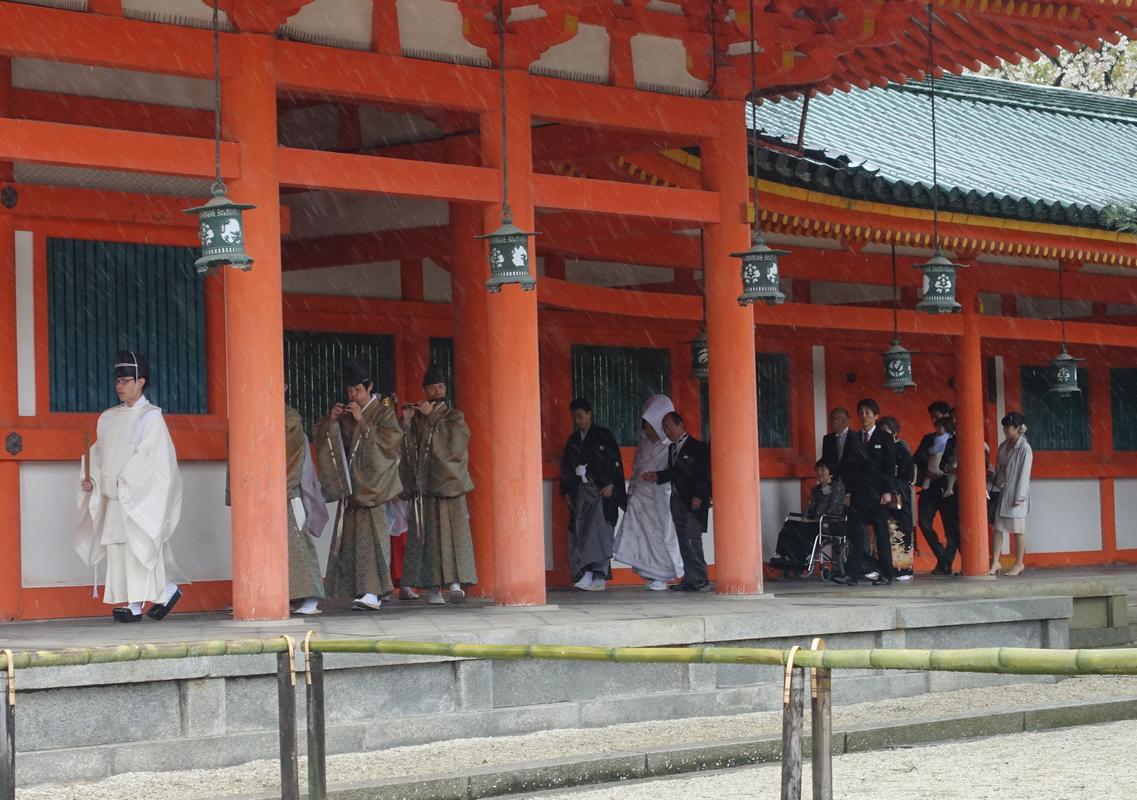
A traditional Japanese wedding was taking place: with the bride wearing a wataboushi, a traditional headgear which covers the face and is meant to symbolize purity.
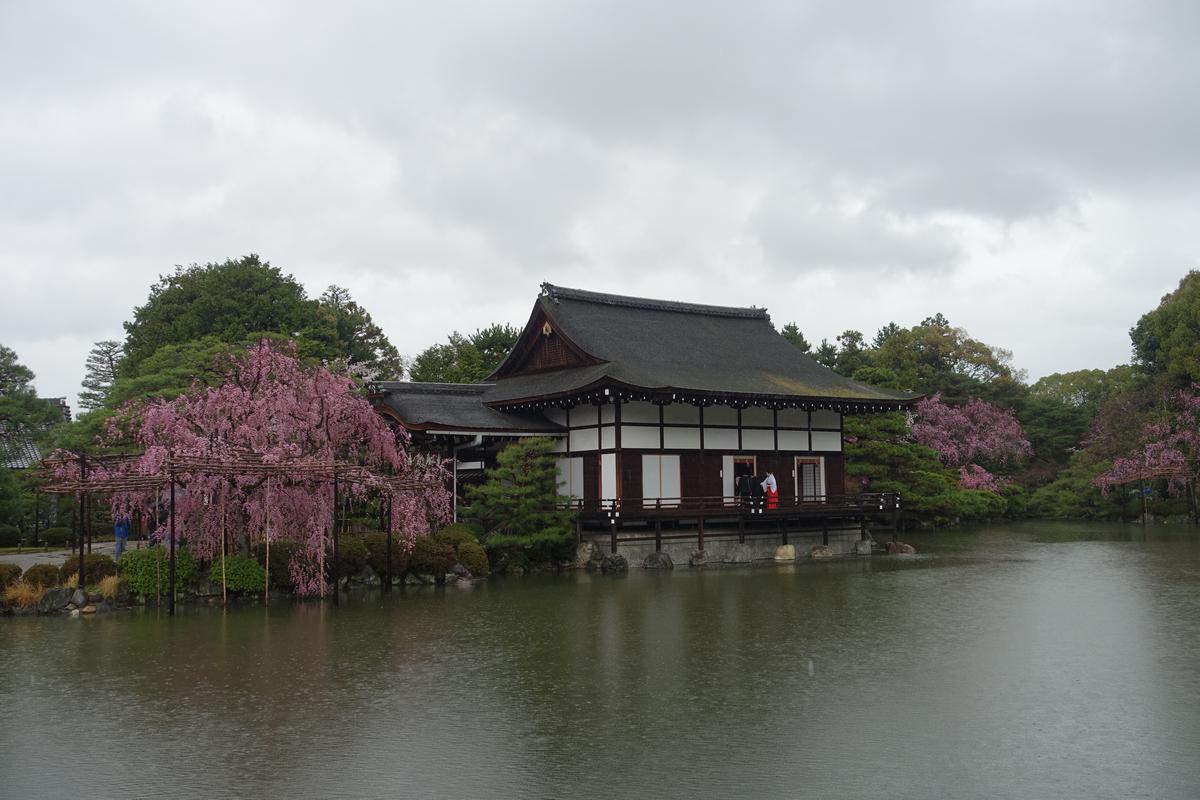
We then wandered around the gardens, watching the rain droplets creating beautiful patterns on the many garden ponds.
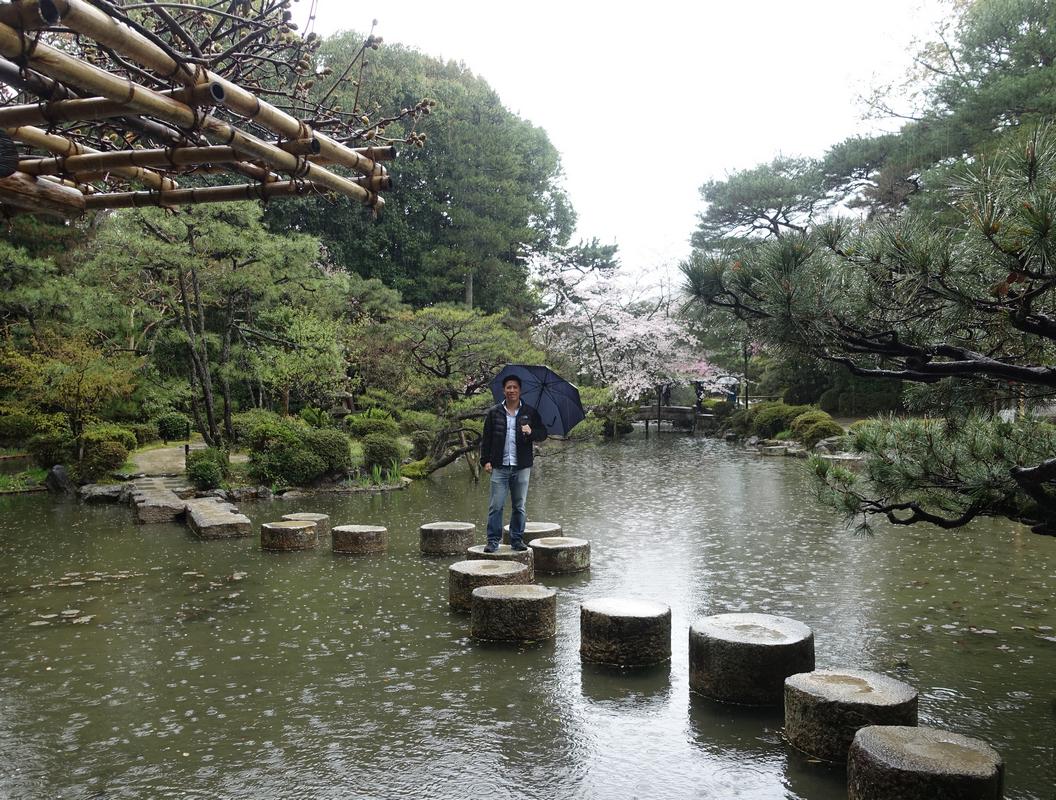
If you look closely, you’ll find the exact stones that Charlotte steps over in Lost In Translation.
Afterwards, we took a taxi up north to Ginkafuji temple, one of Kyoto’s most famous temples.
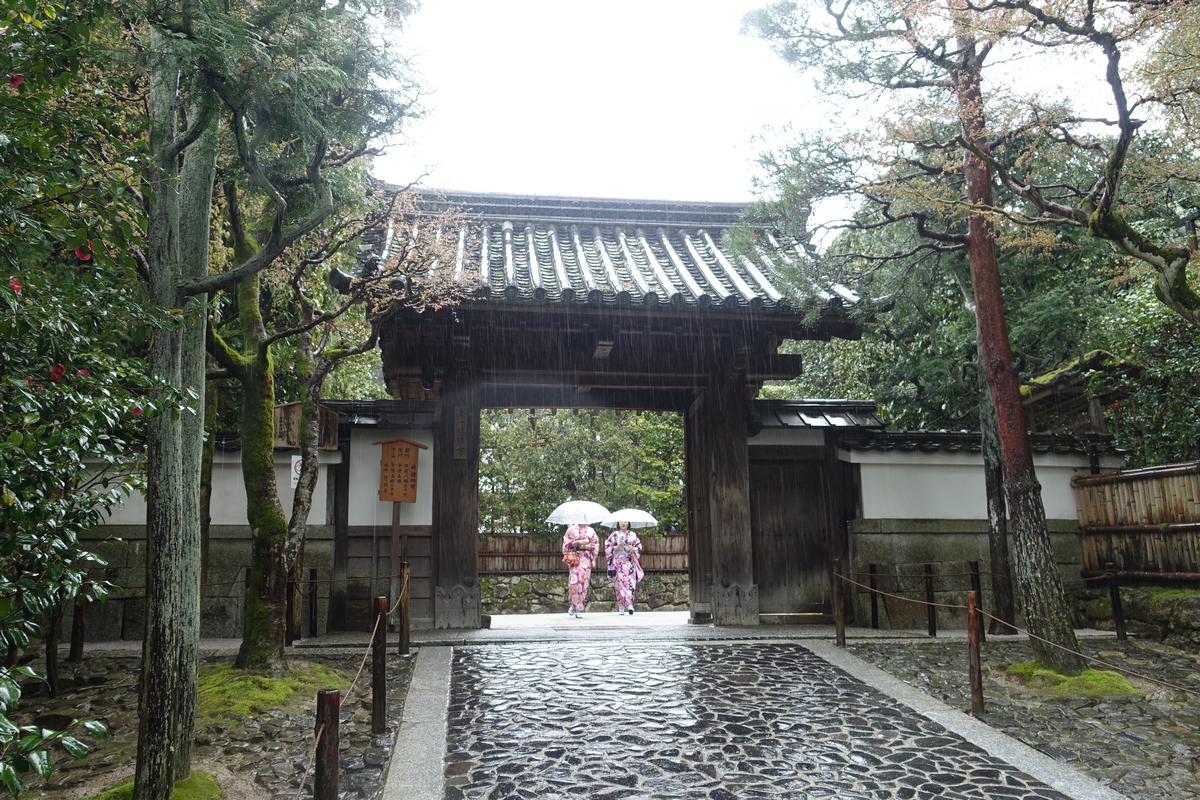
Built in 1490, the historical temple is most famous for its Mt Fuji sand pile.
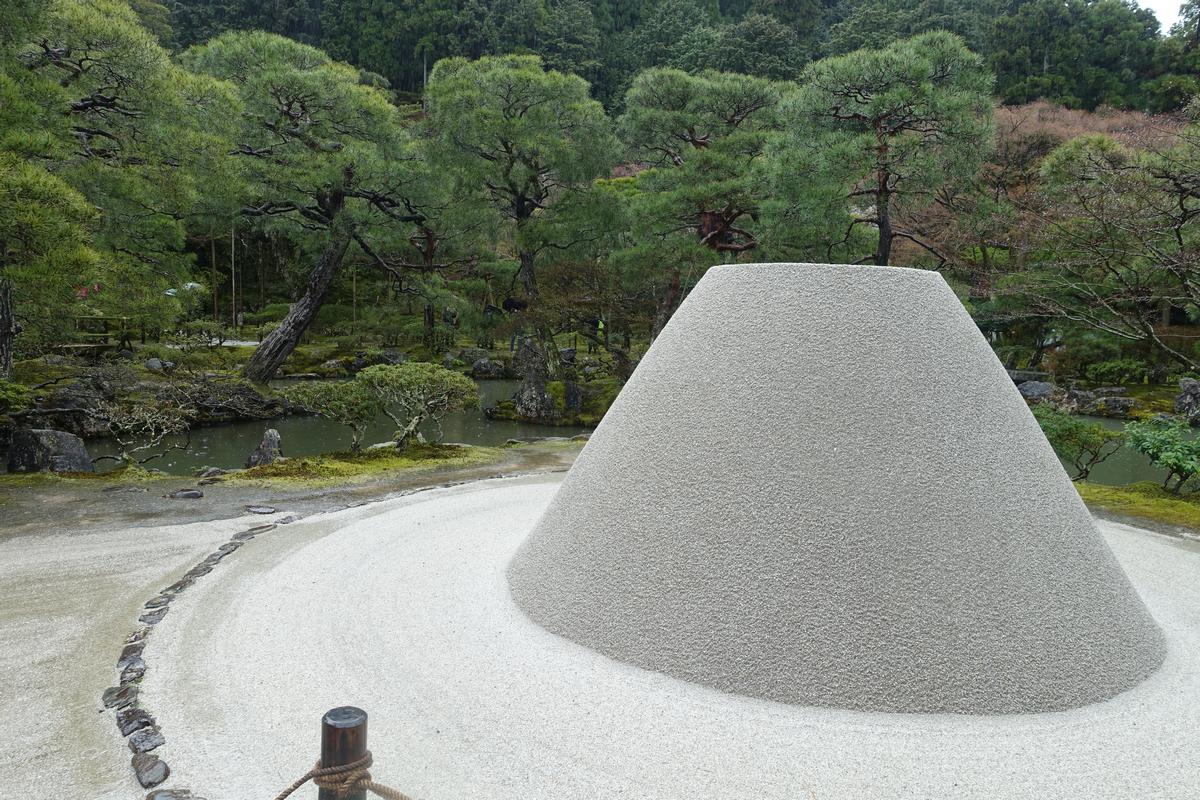
Typically, the temple filled to the brim with tourists, but due to the rain, the crowd levels were much more manageable.
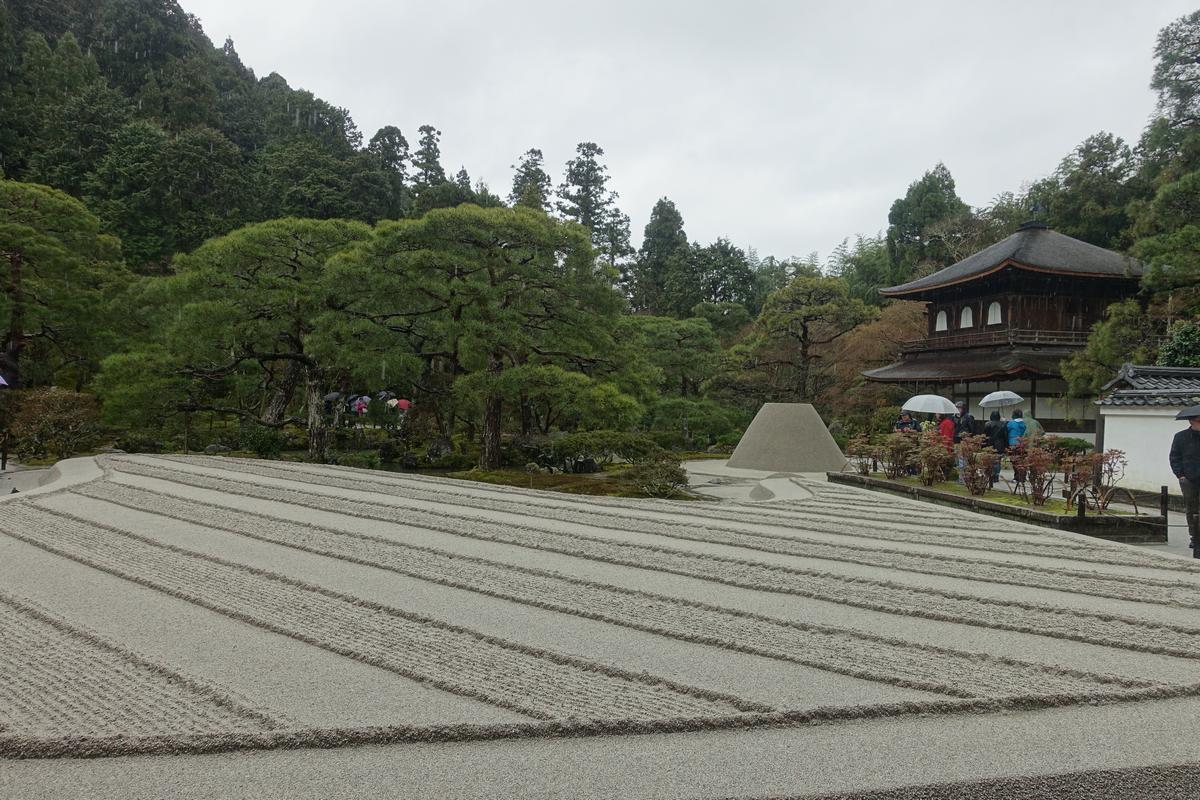
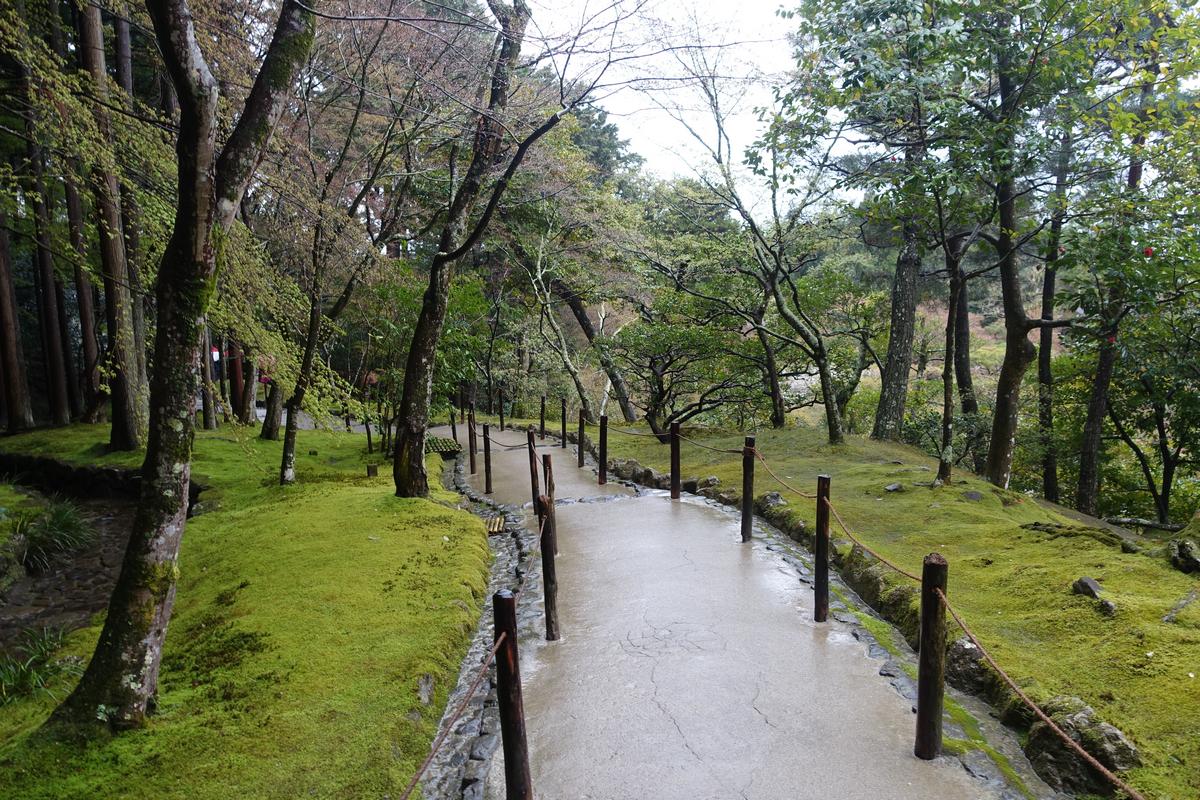
Moss hill overlooking temple
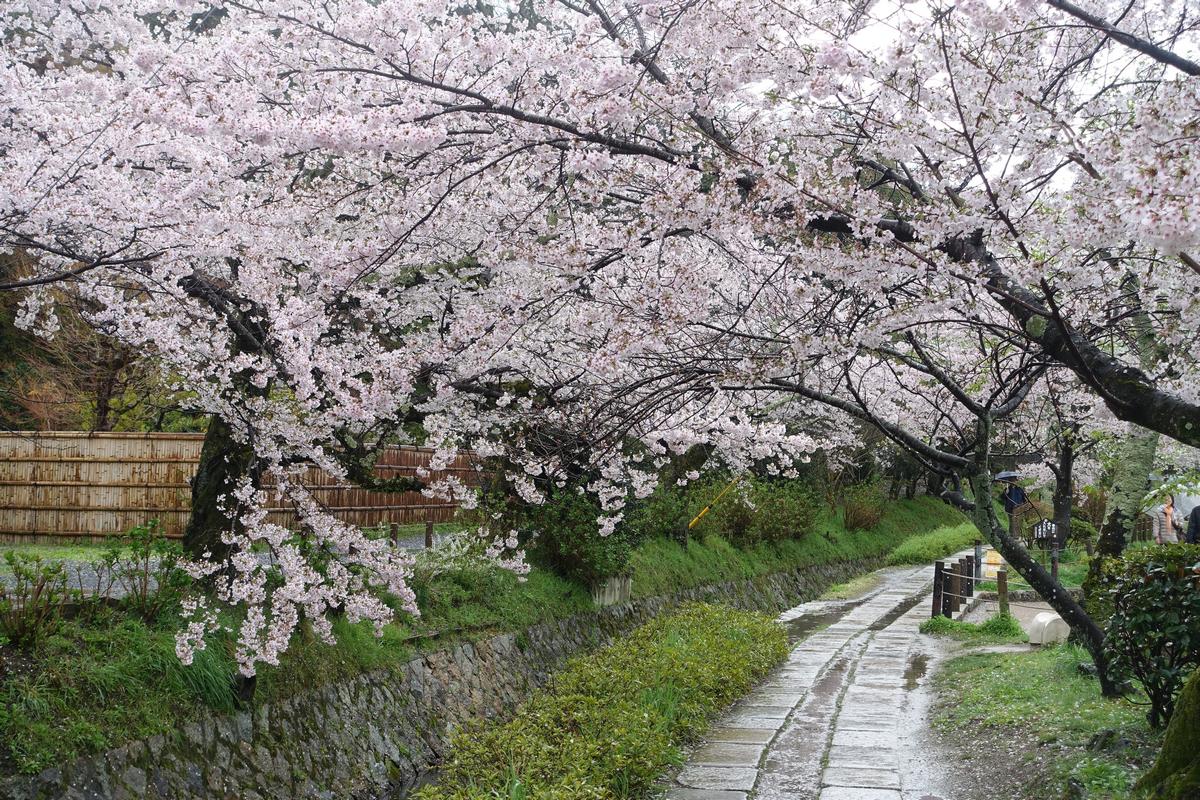
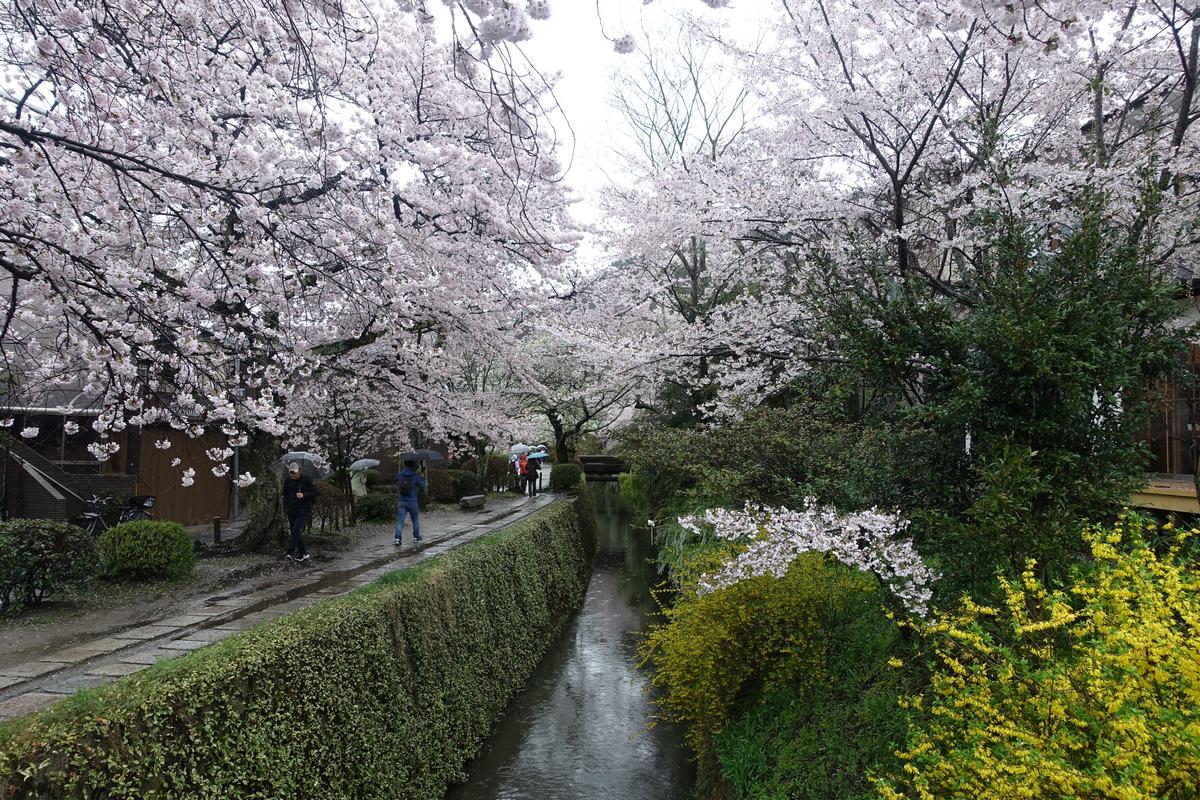
Adjacent to Ginkafuji temple is the Philosopher’s path, probably the city’s most famous cherry blossom spot.
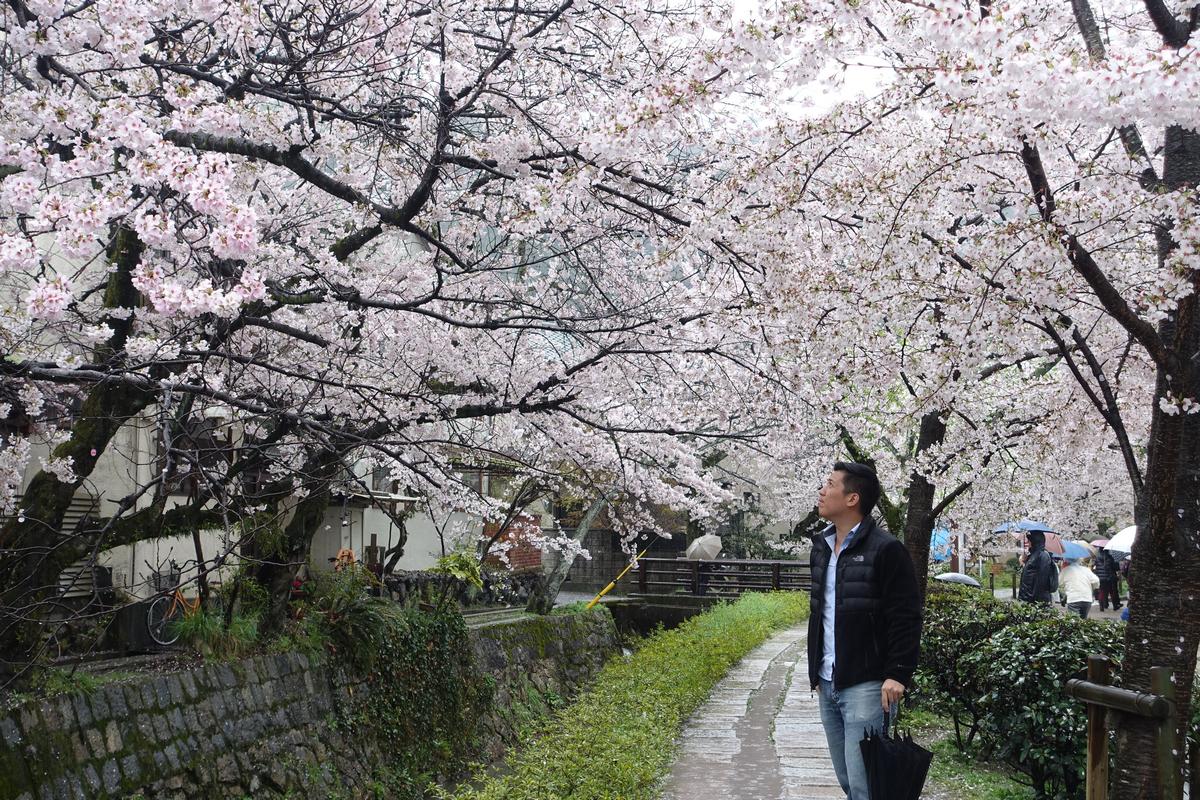
The Sakura tree-lined route follows a small winding canal.
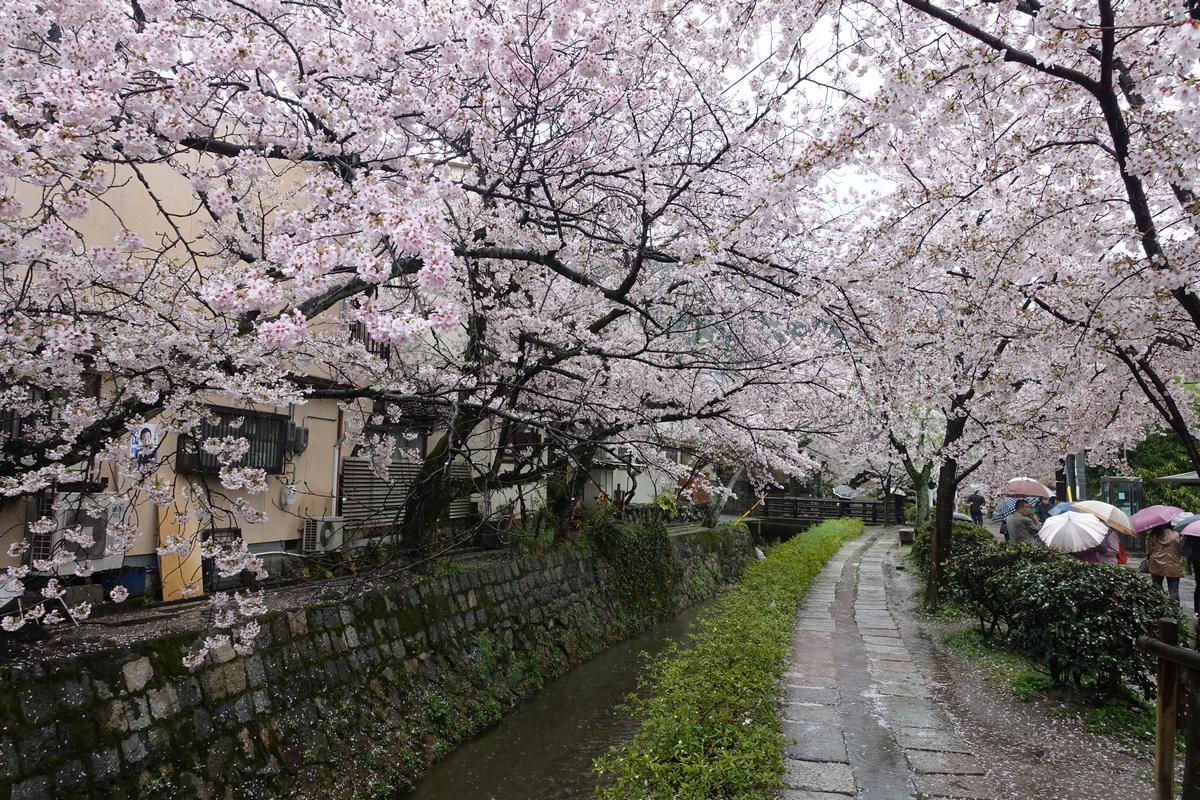
Thanks to the rain, we were able to enjoy the trail in relative wet solitude.
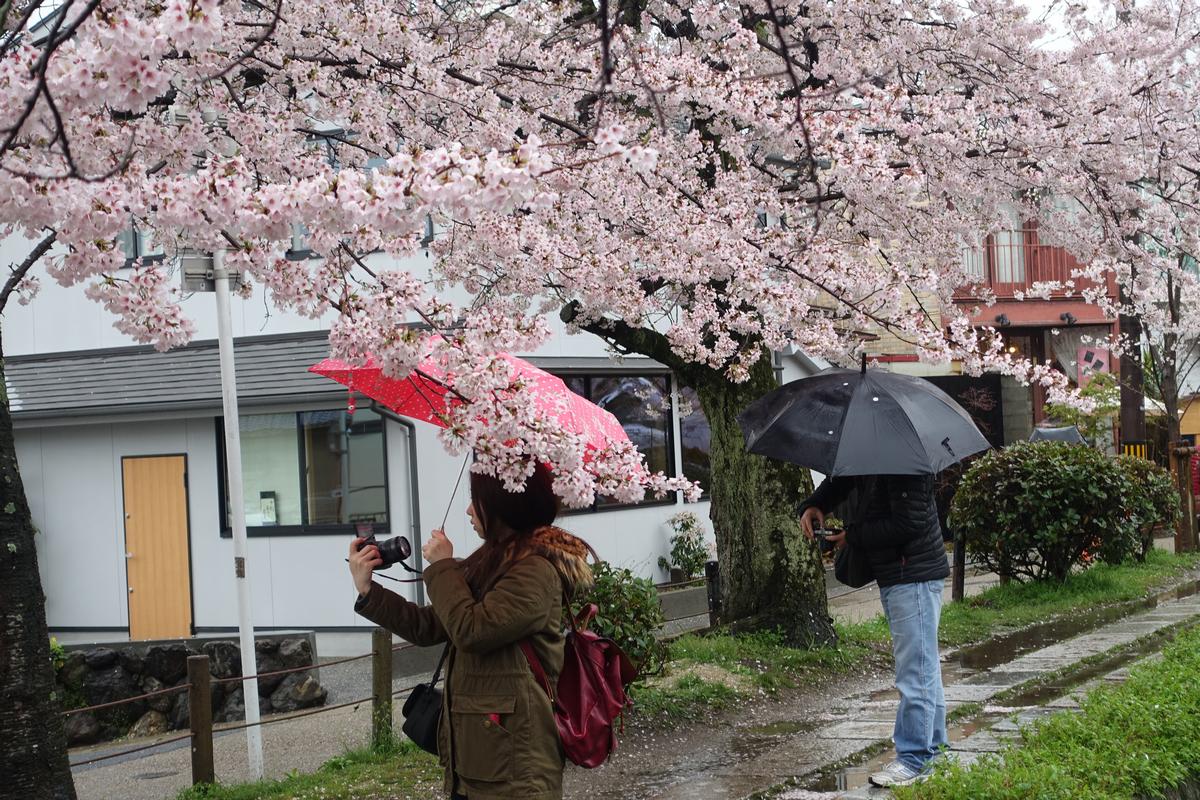
Can’t Escape the Selfie Camera
Along the Philosopher’s path are numerous smaller temples that are worth a quick detour.
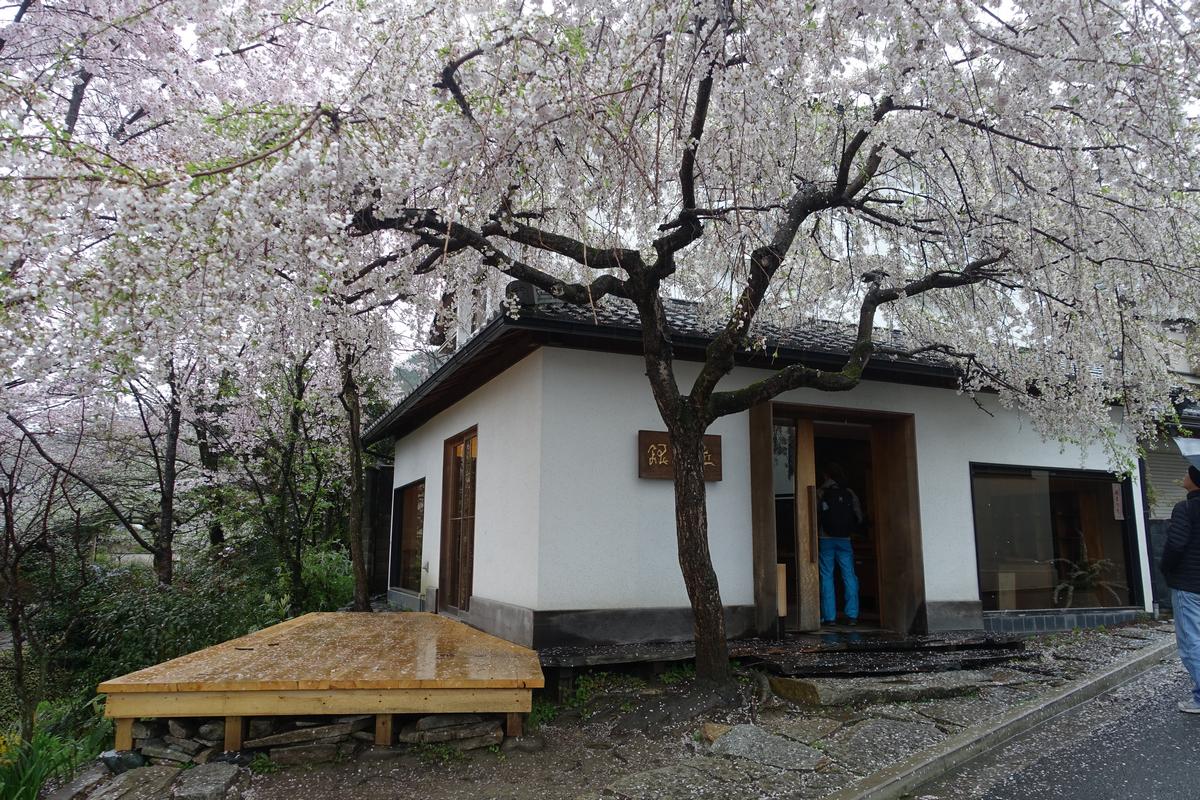
My favorite was the Hoen-in temple, which located up a small hill, and whose moss grounds look stunning in the rain.
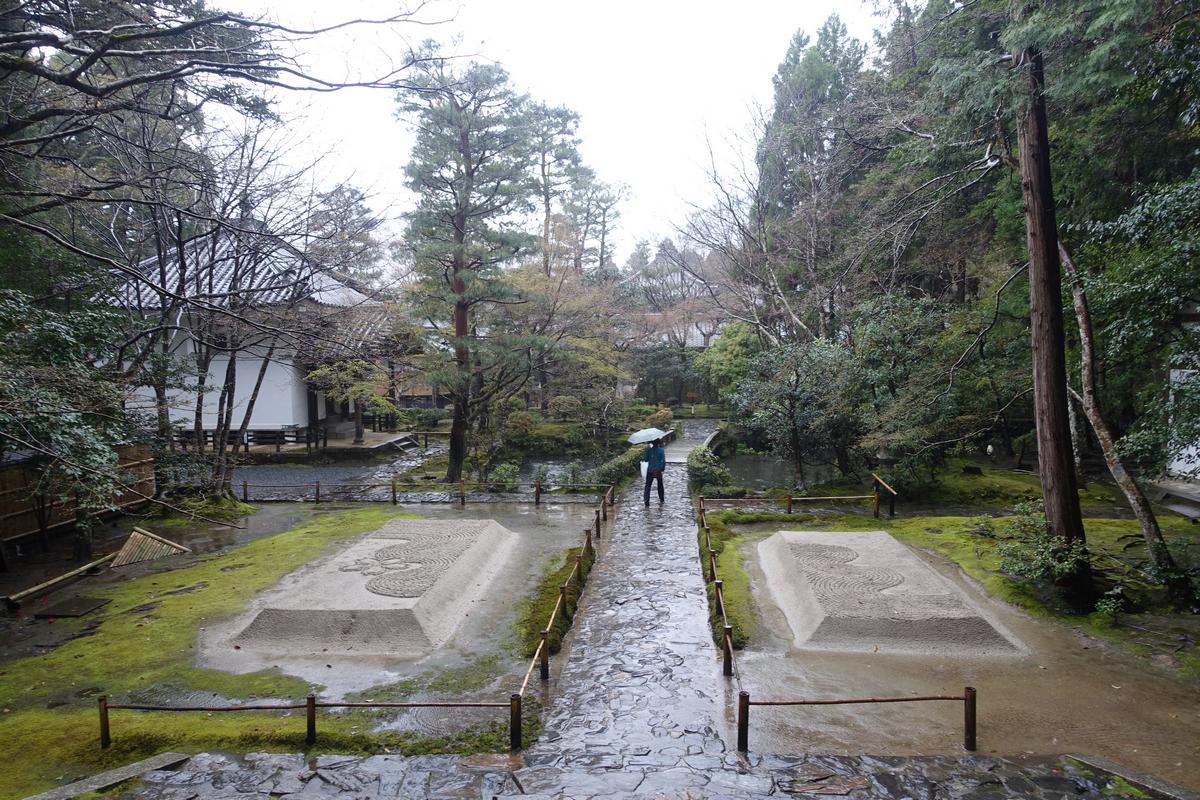
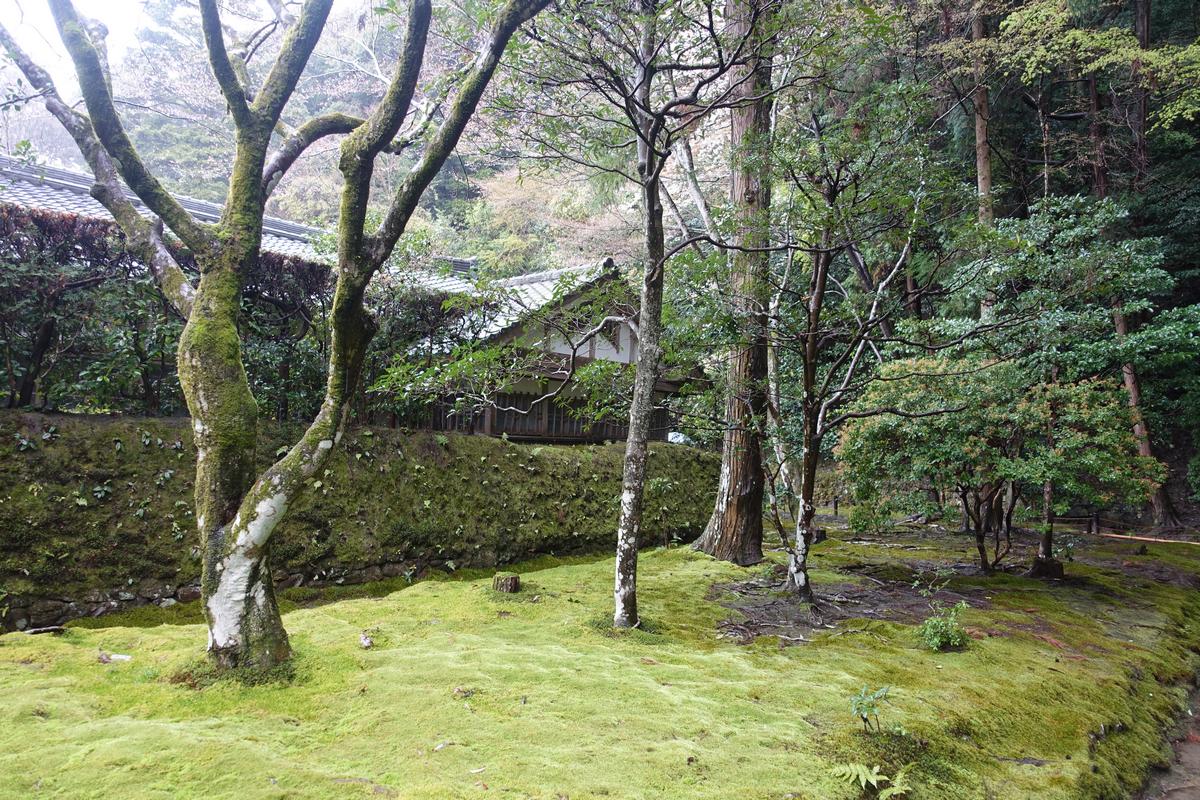
Afterwards, we called it an early day and headed back to the Hyatt Regency, wet and exhausted, but glad to see some of Kyoto’s most popular attractions without the significant tourist crowds.
The Chase Ink Card has typically been a niche card product that tends to be overlooked by most. However, Chase recently has begun to market the card more heavily, along with a significantly larger signup bonus.
To recap, the card has the following spending bonus categories:
Earn 5x points on purchases at office supply stores and phone, landline, internet, and cable TV services up to $25,000 annually.

Earn 2x points on purchases at gas stations and restaurants up to $25,000 annually.
The 5x office spending bonus is unique among card issuers, with only the Chase Ink Preferred offering a similar category bonus.
Best of all the card has a $0 annual fee.
Per Reddit, Chase will launch a new business card product, called the Ink Cash Unlimited, within the next few weeks.
Similar to the current Ink Cash, there is no annual fee, but Ink Cash Unlimited instead will earn a flat 1.5% cashback on all purchases.
If you happen to have a card that earns ultimate reward points (Chase Sapphire Reserve, Chase Sapphire Preferred, or Chase Ink Preferred), you can transfer your cash back points to that card and in essence, earn 1.5 UR points per purchase.
What hasn’t been revealed is whether Chase will discontinue the Chase Ink Card. However, if history is any indication, there is a reasonable chance that the current card product will phase out.
Whether that does happen or not, the current sign up bonus is quite lucrative, and if you currently have applied to five or less Chase cards within the last 24 months, it may make sense to apply for the Chase Ink Card, provided that you currently have a card that earns ultimate reward points.
For the next couple of hours until 12:59 PM Eastern Time or when packages are sold out, the US Travel Association is offering travelers the opportunity to buy 15,000 Wyndham Reward Points for $175.
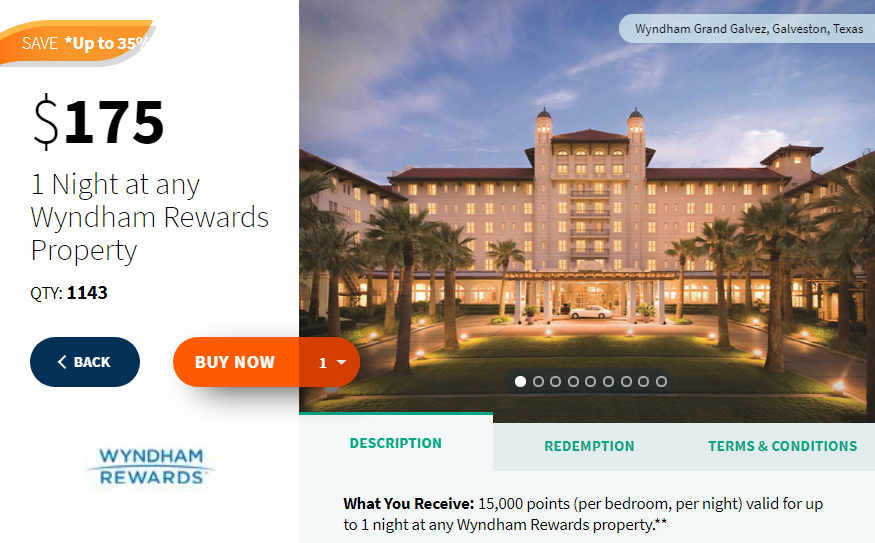
Often regarded as the underbelly of hotel chains with brands such as Howard Johnson & Super 8, the Wyndham Rewards program does have quite a unique loyalty program.
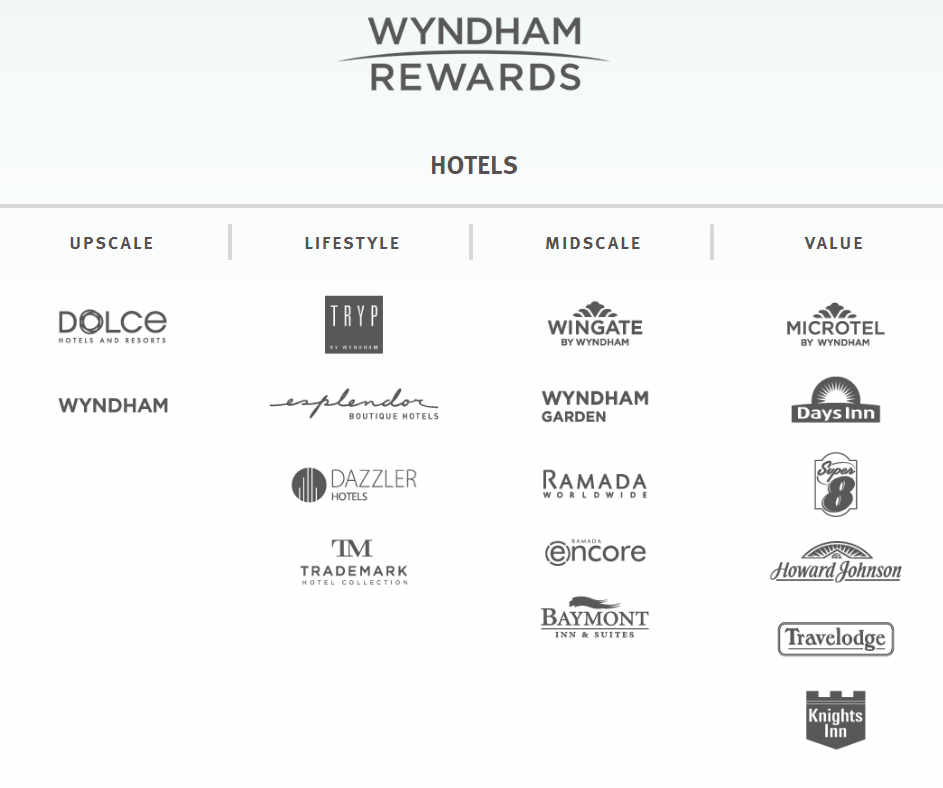
Instead of assigning hotels to different award categories, Wyndham Rewards offers a single award redemption known as “Go Free” for 15,000 points that is valid at all Wyndham hotels for any date of the year.
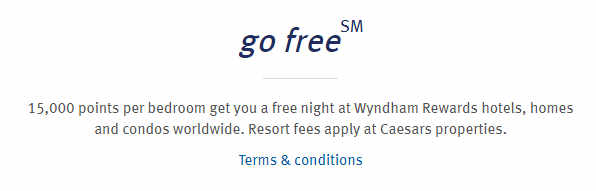
There are no blackout dates, and as long as a standard room is available, you should be able to use your points.
Now you may be asking, why would I want to spend $175 to stay at a run-down Days Inn? The answer lies in the insane rates hotels charge during ultra-high demand periods. These include sporting events such as the Super Bowl, or getting a hotel room during New Year’s Eve.
Additionally, Wyndham has a vast footprint, with hotels in small towns and rural areas, where other major chains may not be present.
For example, during the Great American Eclipse, accommodation rates skyrocketed for those looking to stay in or near the zone of totality.
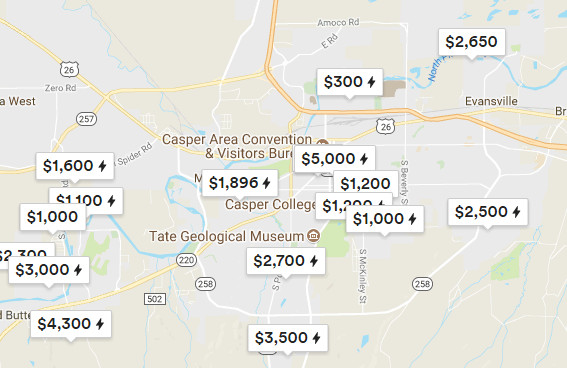
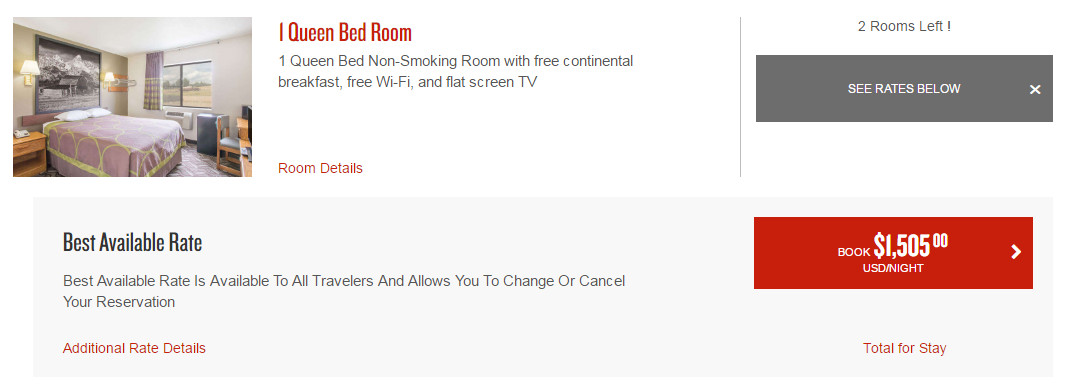
Even though all the major reward programs were sold out, there was still award space available at a handful of Wyndham properties, including a Super 8 nearby Grand Teton National Park.

The going price was $1505, which meant you could have received a redemption value of over 10 cents per point.
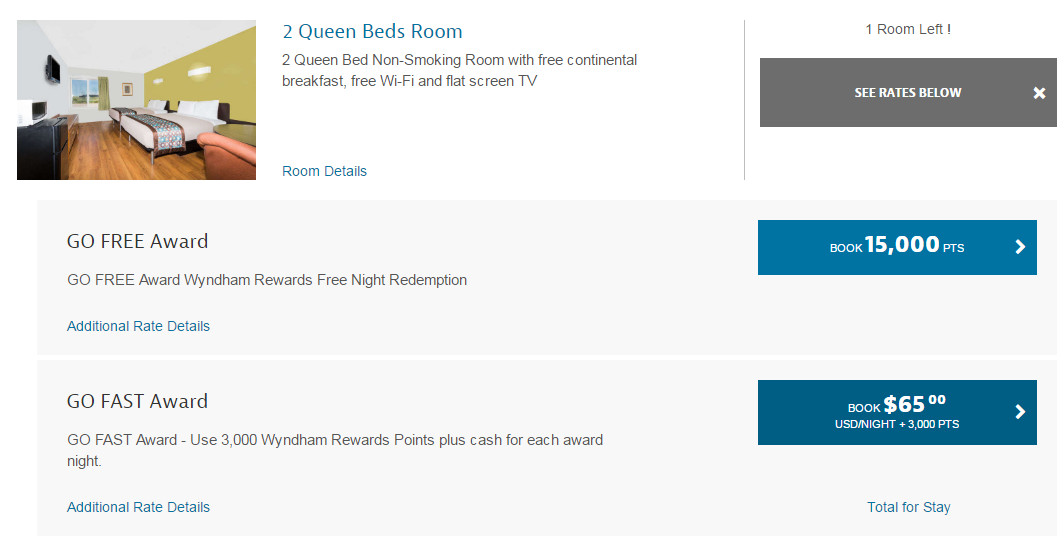
Previously, Wyndham had an incredible award redemption known as “Go Fast,” which cost a mere 3000 points and a small cash co-pay.
I managed to book a room at the Days Inn Scottsbluff during the Great American Eclipse for a mere $65 + 3000 points.
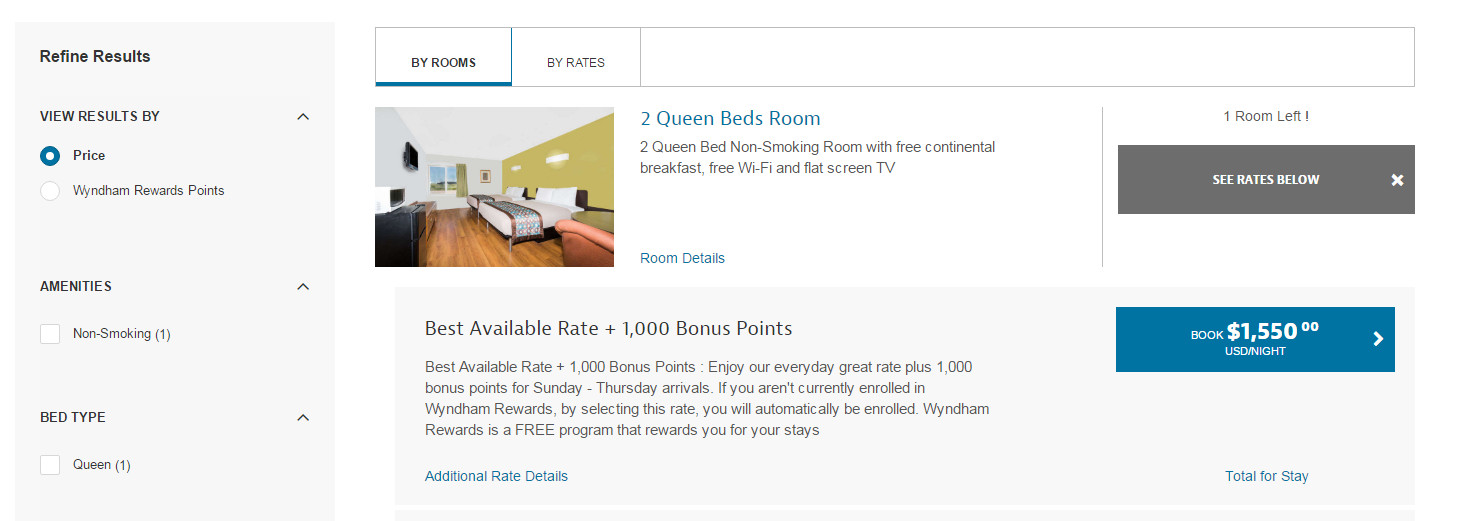
The room was going for $1550 a night, which means I got an incredible value of 50 cents per point!
Unfortunately, Wyndham now ties the cash co-pay to the current hotel rates, so I’d stick with “Go Free” awards from now on.
Do note that these kinds of values are the exception rather than the rule and if you don’t plan on traveling during high demand dates, buying Wyndham points speculatively may not make sense.
This sale is unique in that Wyndham has no major airline or hotel transfer partners, and you’re typically limited to buying 10,000 Wyndham points annually.
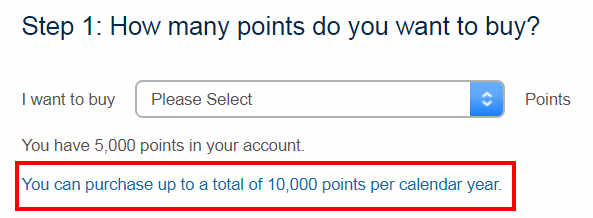
This sale is one of the rare times you’re able to buy a significant amount of Wyndham points.
I bought the maximum limit of two packages, as it’s always nice to have a backup award currency in hand, in the rare case there is no award availability on the major hotel chains.
Marriott announced in late 2016 that it was acquiring Starwood, and in the process becoming the world’s largest hotel chain.
While the two loyalty programs until now have operated as separate entities, yesterday Marriott finally revealed its new combined loyalty program, which will start on August 1st.
As most of our users aren’t road warriors, I’ll be focusing on what matters the most for those who are leisure travelers.
What’s New?
Effective August 1st, Marriott will reorganize elite members from both programs into a new elite tier system consisting of silver, gold, and various levels of Platinum.
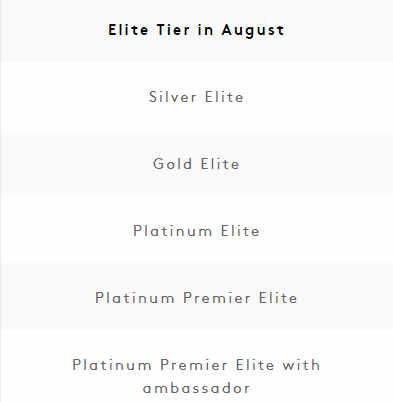
Current Starwood points will be converted to Marriott points at a ratio of one Starwood Point to three Marriott Points.
Under the new program, Marriott is making Platinum status, which requires staying 50 nights annually, the starting point for any real benefits such as five suite night rewards, lounge access, and complimentary breakfast.
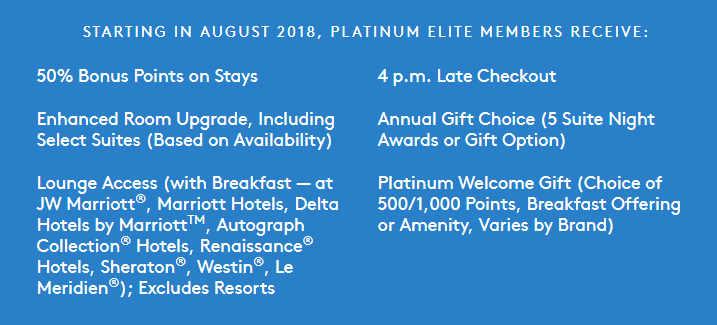
If you don’t travel often but have a credit card that currently gives complimentary SPG gold status, such as the AMEX platinum, you’ll no longer receive free breakfast nor lounge access.
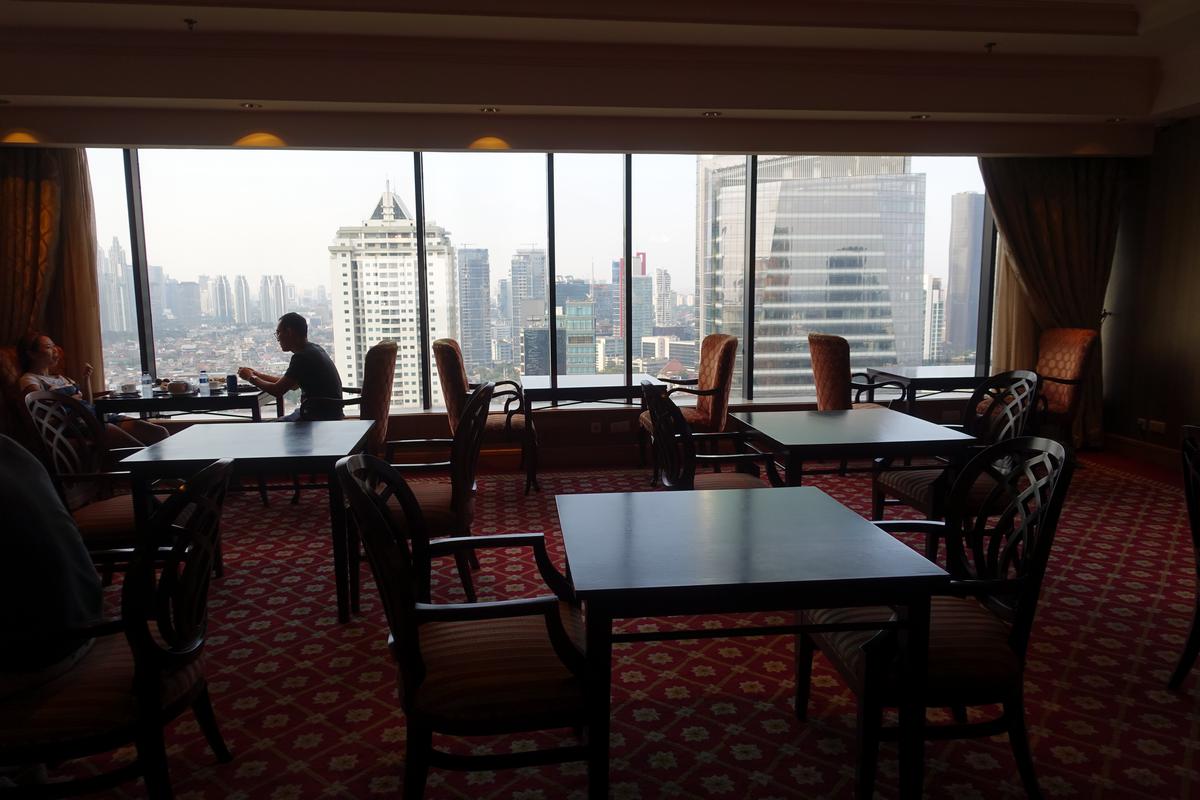
JW Marriott Jakarta Lounge – No longer accessible for AMEX Platinum Members
The number of Marriott categories will be condensed from 9 to 7, with subsequent point increases across the board. In 2019, Marriott will add Off-Peak and Peak awards, with corresponding slight increase or decrease in the number of points needed.
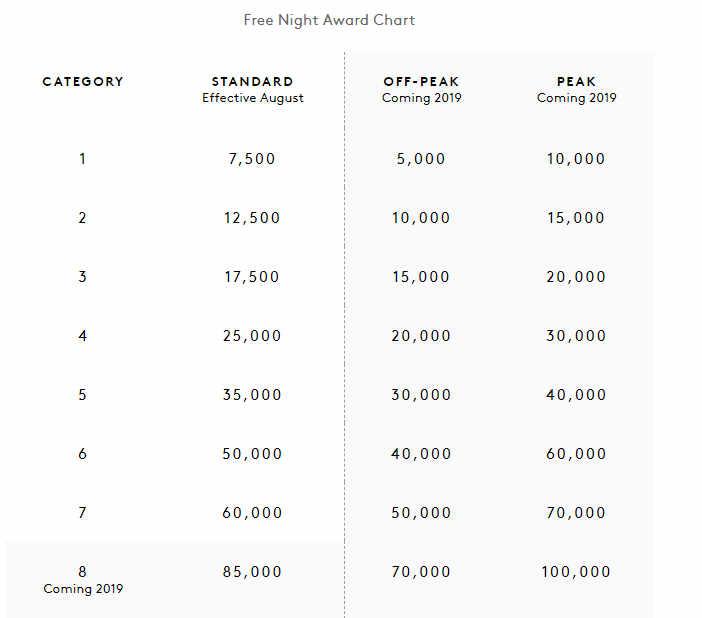
However, this does mean that ultra-high-end Starwood hotels will end up costing less, with the most expensive points redemption capped at a mere 20,000 SPG (60,000 Marriott) points. This does seem to be too good to be true, as, under the old Starwood program, a few top-tier hotels would set you back 35,000 SPG points.
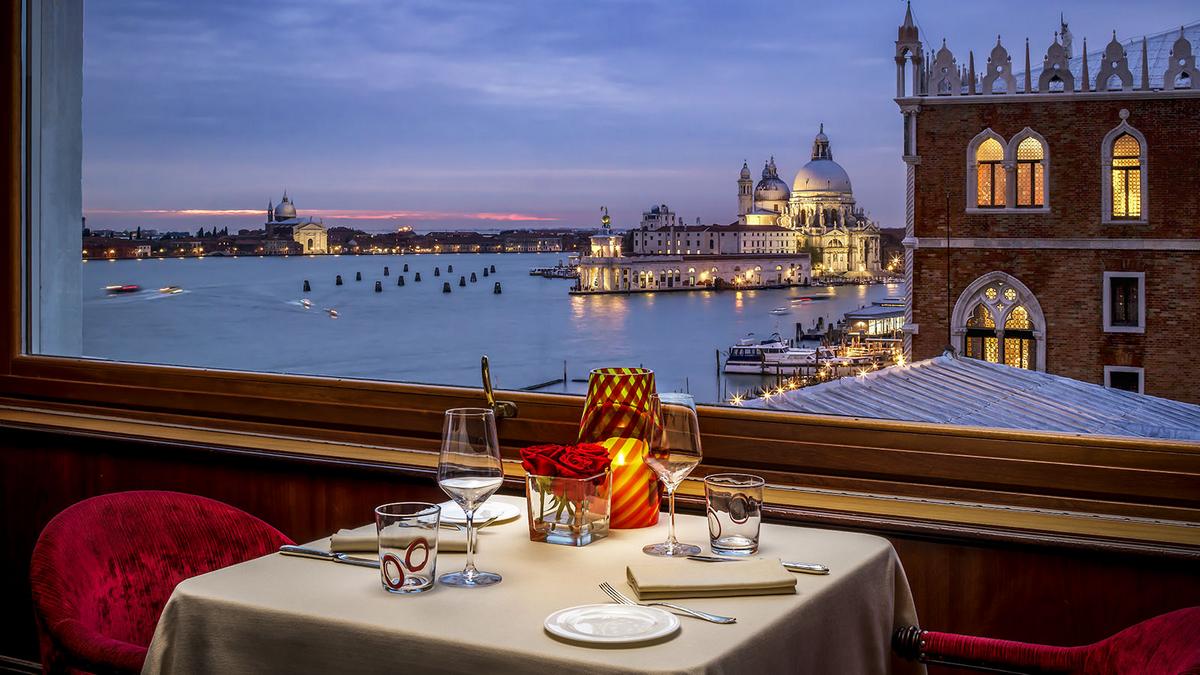
World Famous Hotel Danieli will go from 105,000 Marriott points to 60,000 Marriott points
It is unclear which hotels will be placed in a specific category, but one can assume Marriott will eliminate quite a few sweet spots that remain.
There are several pieces of other good news, noticeably the things that Marriott did not change.
The new Marriott program keeps intact the ability to transfer your points to various airlines such as Alaska Airlines & Asiana.
Fly Cathay Pacific First Class to Johannesburg for 180,000 Marriott Points
The customary 25% transfer bonus will still apply for every 20,000 SPG Points (now 60,000 Marriott Points).
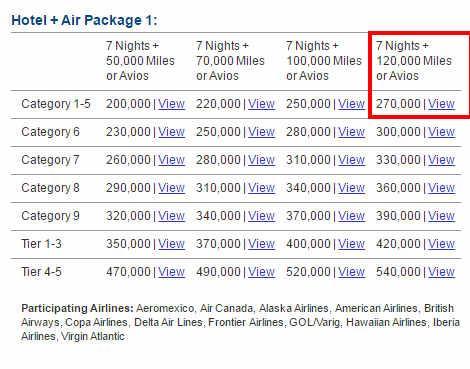
Additionally, my favorite award redemption, the Marriott travel package, remains untouched and as of now, the number of points required remains the same.
New Credit Cards Coming Soon
Alongside the new Marriott program, two new credit cards will launch within the coming months: the Starwood Preferred Guest American Express Luxury Card and the Chase Marriott Rewards Premier plus Credit Card.
Starwood Preferred Guest American Express Luxury Card
American Express will launch a brand new ultra-premium card with a rather hefty $450 annual fee. The main benefits are a $300 yearly credit for purchases at Marriott properties, Priority Pass membership, and an annual free night for a Marriott Property up to a category 6 (50,000 points), along with Marriott Gold Status.
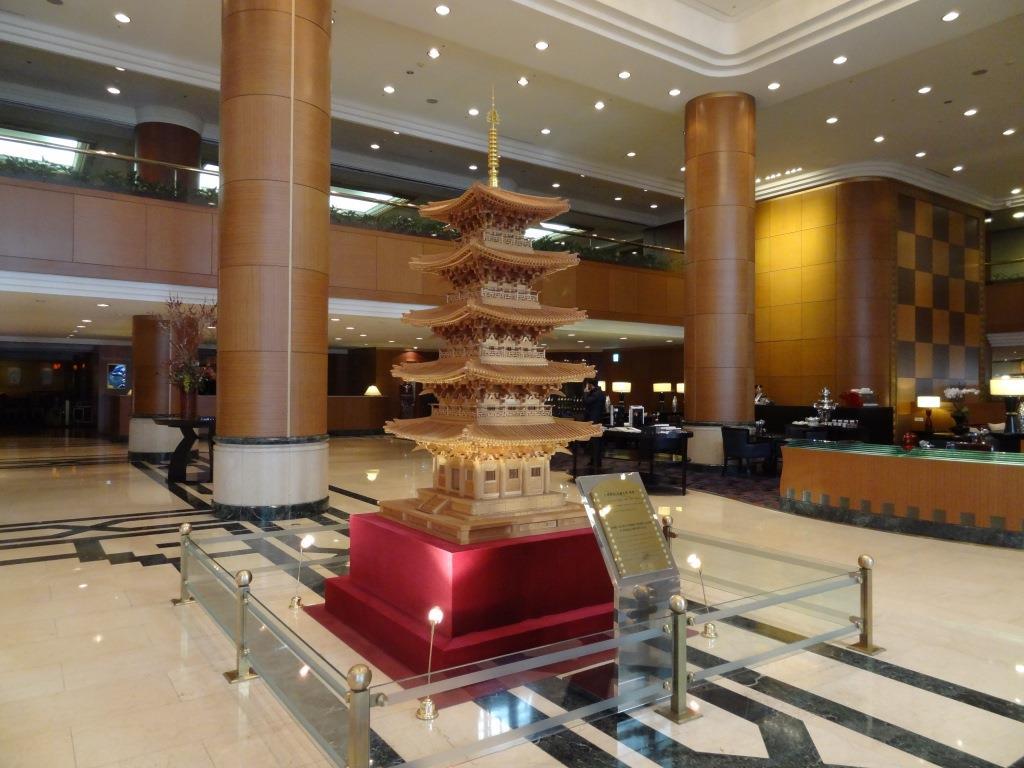
Marriott Renaissance Seoul
Like the Marriott Rewards Premier Plus card, purchases on the AMEX SPG luxury card would receive 2x points on all purchases made, 3x spend on dining in the US, and 6x for all Marriott spend.
If you frequently stay at a Marriott property, this card could make sense, given that most category six hotels would retail over $150.
The additional perks such as Priority Pass membership would be useful for those who don’t have it.
However, I am disappointed the card doesn’t offer complimentary Platinum status, given the high annual fee. You could theoretically earn platinum by spending $75,000 annually, but that seems like a bit of overkill.
The low general spend earnings rate also fails to inspire excitement. In fact, the current SPG AMEX card earns 3x Marriott points per dollar spent (due to the favorable transfer ratio).
In addition to the newly launched card, AMEX is also making changes to its two existing SPG card products, the Starwood Preferred Guest Credit Card & the Starwood Preferred Guest Business Card.
Both cards will now give complimentary silver elite status, earn 2x Marriott points for every purchase, and come with a free annual night for any Marriott hotel up to category 5 (35,000 points).
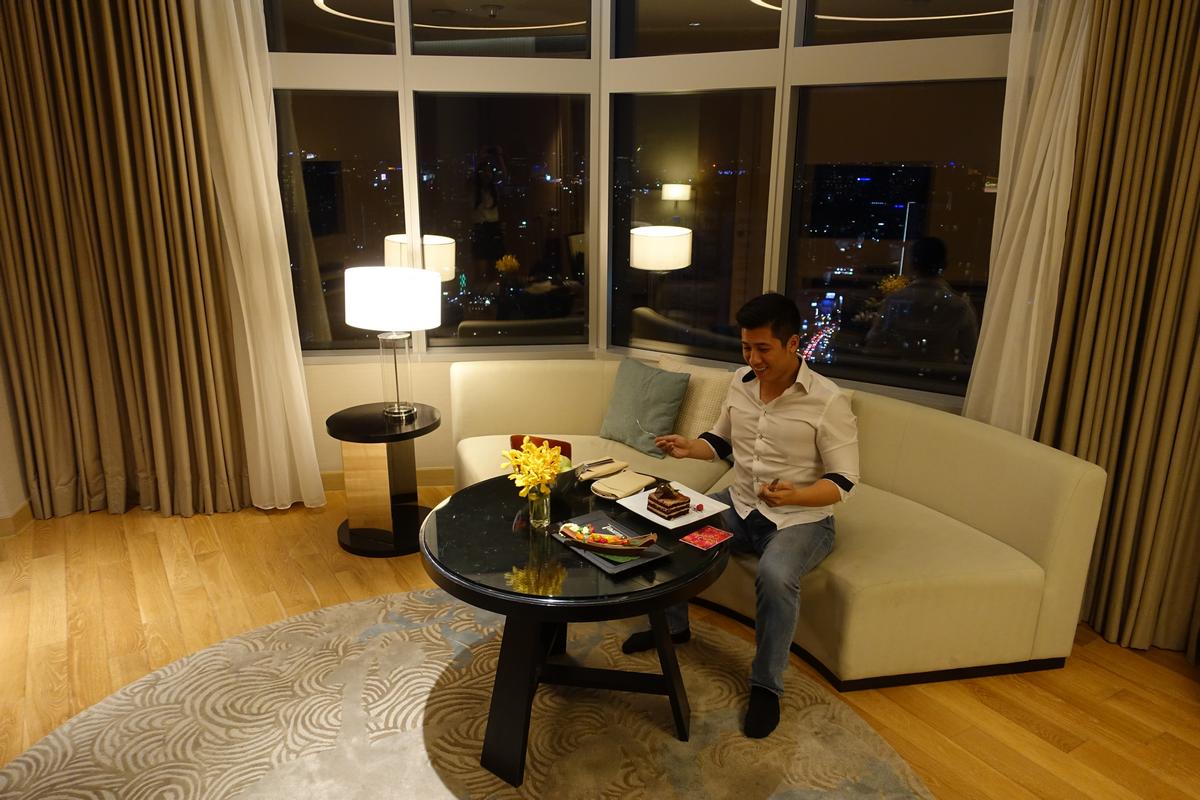
Business card users will also receive 4x Marriott points for gas, dining, and phone services within the US. However, SPG Business Card cardholders will no longer be eligible for Sheraton club access.
Overall the new earnings updates are a significant devaluation from the previous 3x Marriott points earned for each purchase made. However, the addition of the free annual night certificate will make these two cards a keeper for me.
Imminent End of the Starwood Preferred Guest Personal Card
As part of the new combined award program, American Express will soon no longer issue new Starwood Preferred Guest Personal Cards.
The Starwood Preferred Guest Personal Card has always been among my favorite personal cards out there, and although the decrease in earning Marriott points will hurt, the opportunity to receive a sign-up bonus of 25,000 SPG Points (75,000 Marriott Points) makes the card worth applying for.
Update, 4/19: SPG Personal Card no longer has a signup bonus.
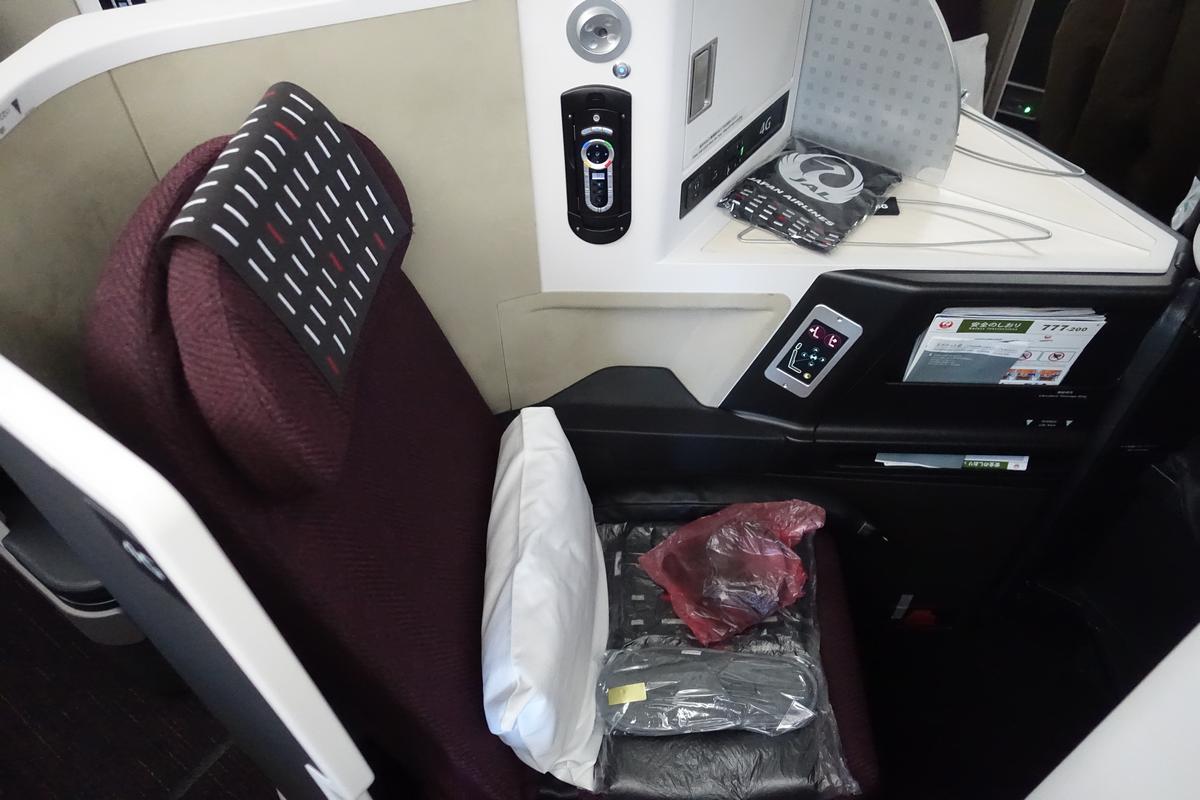
Fly on Japan Airlines Business Class within Asia for just 20,000 SPG Points
Plus, having an extra card that will bestow cardholders an annual free night for Marriott hotels up to a Category 5 (35,000 points) should more than cover the annual fee.
See Also: Best Ways to Use SPG Points
Marriott Rewards Premier Plus Credit Card
The new Chase Marriott Rewards Premier Plus Card will have a sign-up bonus of 100,000 Marriott Points, and cardholders will receive an annual free night certificate, valid for any hotel up to a category 5 (35,000 points).
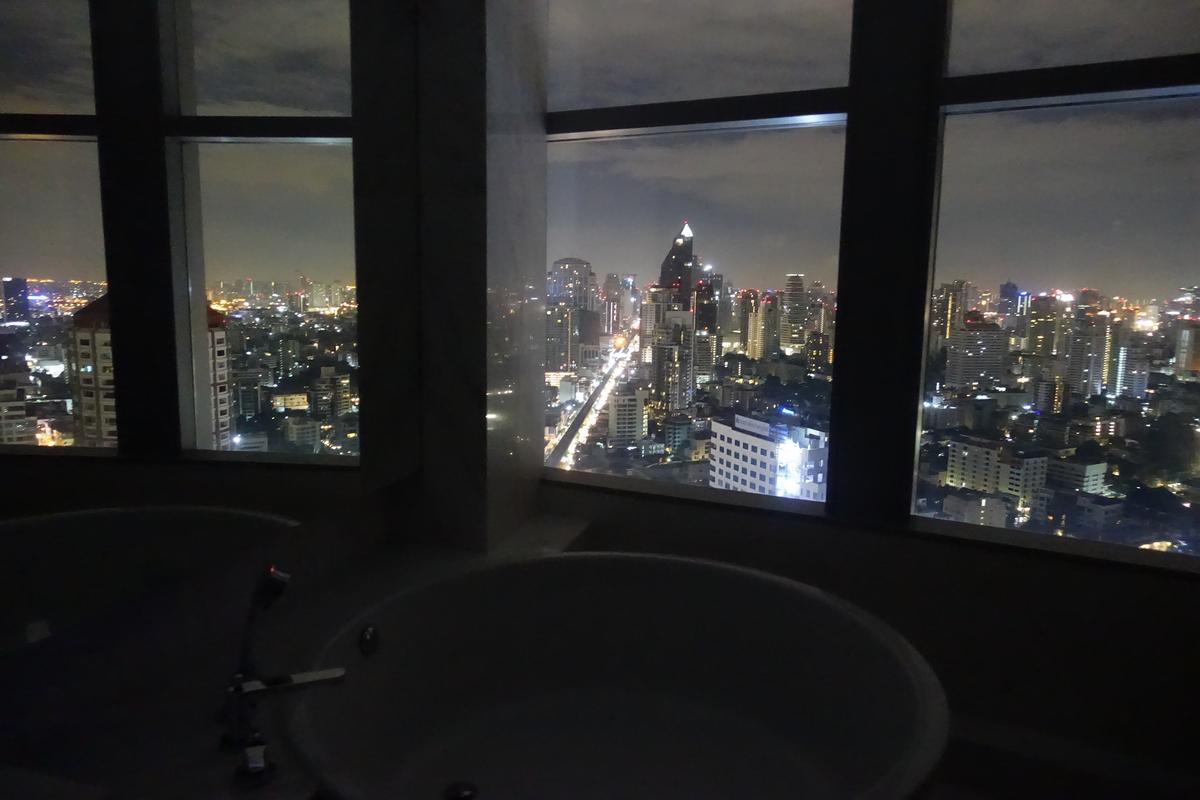
Bangkok Marriott Sukhumvit Soi 57
Additionally, cardholders receive Marriott Silver or Marriott Gold if they spend $35,000. Both new status levels offer very few meaningful benefits for the casual traveler. However, cardholders do receive complimentary free premium Wi-Fi.
One significant upgrade over the current Marriott Rewards card is the ability to earn 2x Marriott points for every purchase made.
Even with additional bonus spend, the card is a bit underwhelming, and wouldn’t be among the first hotel cards I would apply for.
However, this does present an opportunity as you’re still currently able to apply for the Marriott Rewards Premier Card, which offers similar benefits.
As with previous card launches, you’re eligible to receive a sign-up bonus for all new products, which means you could sign up for both cards and receive both sign up bonuses.
Keep in mind that Marriott cards do count under Chase’s 5/24 rule, and although you could double dip, I’d advise doing so only if you’ve already applied for the major Chase cards.
Update, 4/19: The Marriott Rewards Card is no longer available.
You can view the current sign up offer for the new Marriott Rewards Premier Plus Credit Card Below:
Optimal Card Strategy Going Forward:
If you are a heavy spender, the lower earnings on purchases made with the SPG Personal & Business card will hurt.
However, with American Express discontinuing the Starwood Preferred Guest personal credit card soon, I’d advise those haven’t applied for the card to do so as soon as possible.
As a reminder, if you’ve already applied for the Starwood Preferred personal credit card before, you’re not eligible to receive another sign-up bonus.
The current sign up offer of 25,000 SPG (75,000 Marriott points) is not an all-time high but is still worth an application for American Express discontinues the card.
There is the chance to double dip and earn two Marriott sign up bonuses before May. You can find the current SPG Personal & Marriott Card offer below:
Summary:
Overall Marriott seems to have done an excellent job of combining new programs. For those who aren’t gunning for top-tier elite status, the number of points for specific mid-level properties will probably go up, while a few high-end Starwood properties will go down.
The addition of peak periods in 2019 will limit the value of future award redemptions. However, as the best use of Marriott points will be to transfer to various airlines or redeem them for a Marriott Travel Package, this isn’t too much of a concern.
Leisure travelers who hold the AMEX Platinum card will lose free breakfast and lounge access, and there won’t be an easy way to achieve Marriott Platinum Status.
However, the addition of two new cards is always exciting news and presents a limited time opportunity to double dip.