
Not sure which Rewards Card is right for you?

Cherry Blossoms at Miyajima Island


The next morning we woke up refreshed and headed to the
island of Miyajima, one of Japan’s most popular tourist destinations famous for
its giant floating Torii gate and tame island deer.
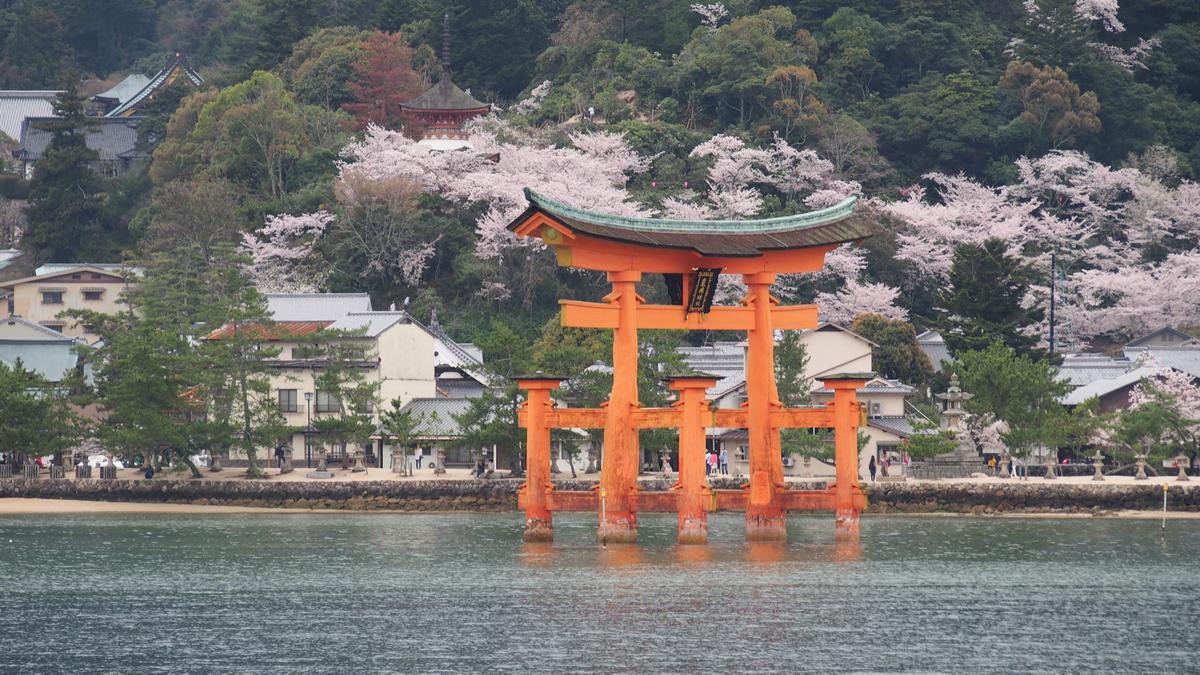
Miyajima Island's iconic orange torii gate stands in the water, backed by a mountain lush with cherry blossoms.

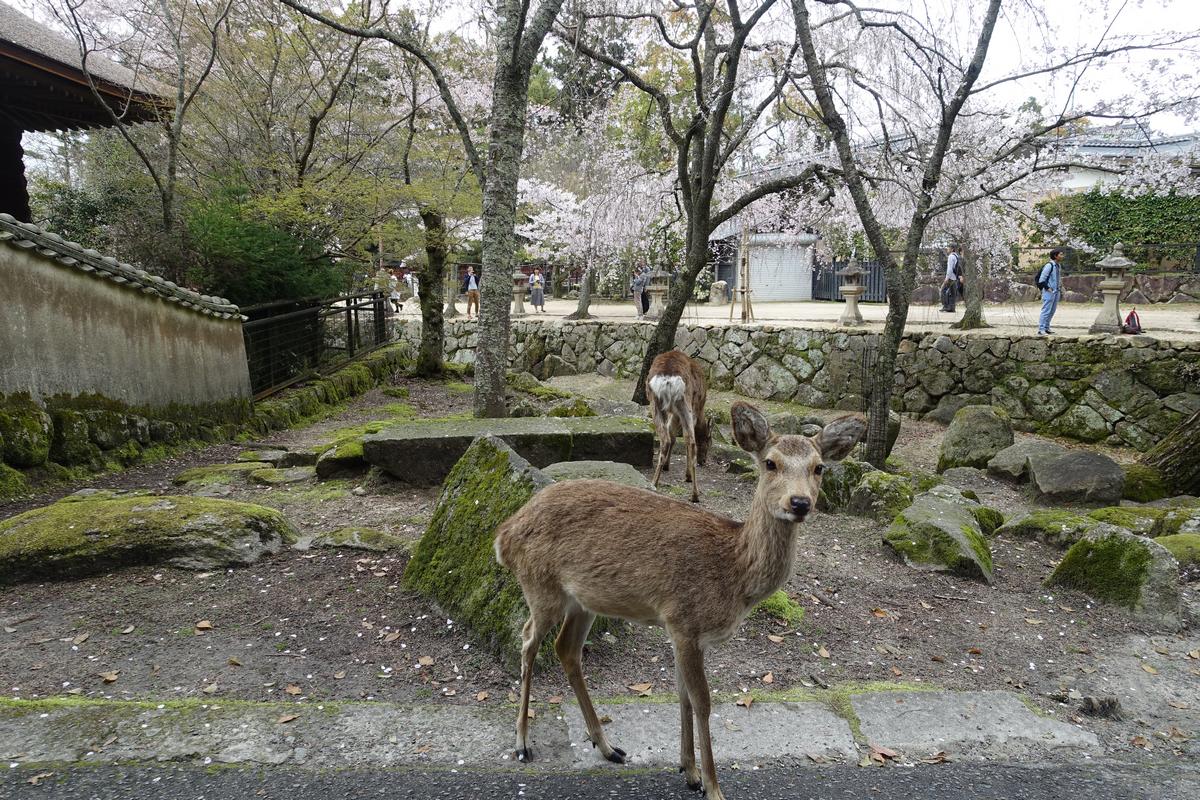
Two deer stand in a park with cherry blossom trees and traditional Japanese buildings.

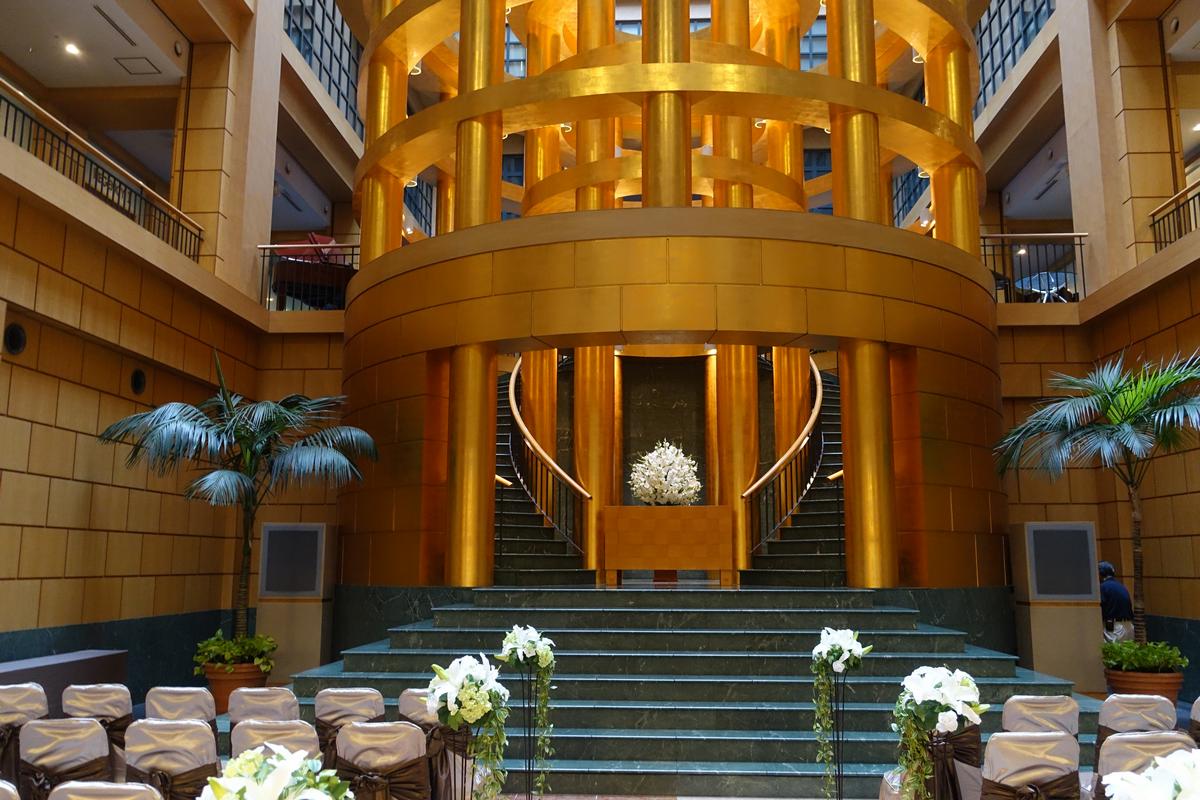
As a sky bridge directly connected the Crowne Plaza Okayama
to the Shinkansen station, the hotel could not have been more conveniently
located, and it took us about two hours to reach the island.

People board a white JR ferry boat from a dock, with mountains and water in the background.

As the ferry pulled into the dock, we’re greeted by one of Japan’s
most treasured icons, the giant “floating” Torii Gate of Itsukushima Shrine.
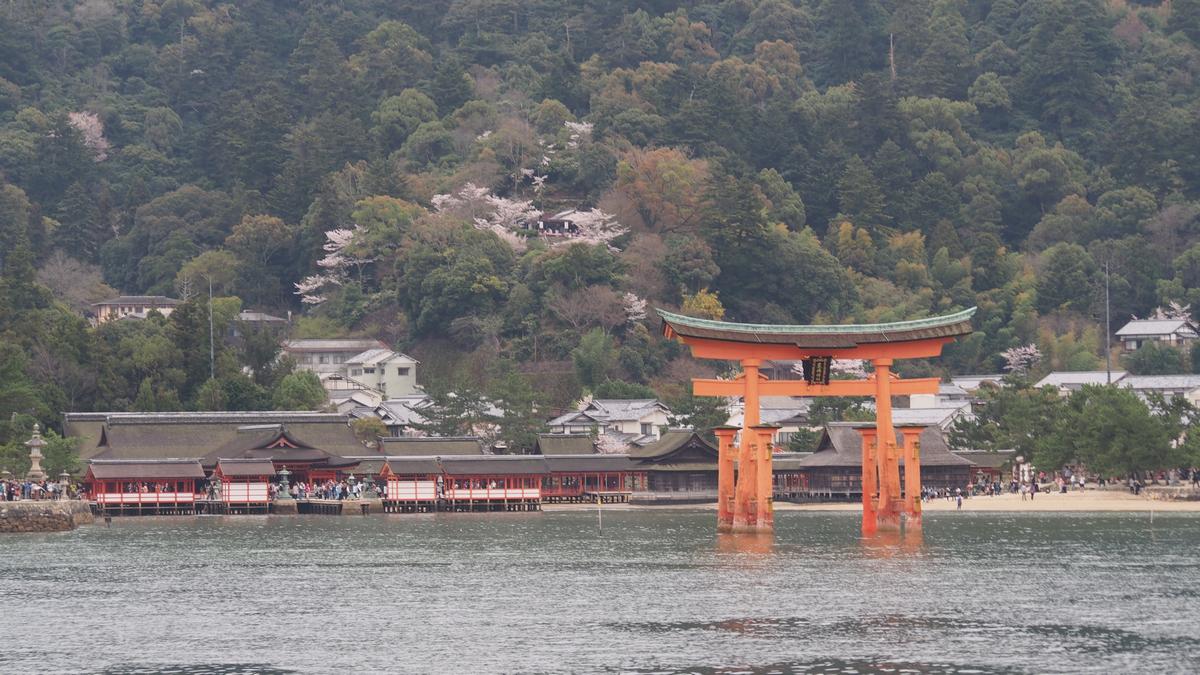
Orange torii gate in the water at Miyajima Island, with Itsukushima Shrine and cherry blossoms on the hill.

Miyajima Island's town and temples, including a red pagoda, are visible on a shore dotted with cherry blossoms against a forested mountain.

Once you arrive at Miyajima, the first thing that you’ll
probably notice is the numerous domesticated deer that prowl around the island.

A man kneels on a sandy beach next to a deer, with Miyajima's iconic orange torii gate visible in the water behind him.

While they are safe to pet, it’s important to note that the
deer are always on the prowl for food.
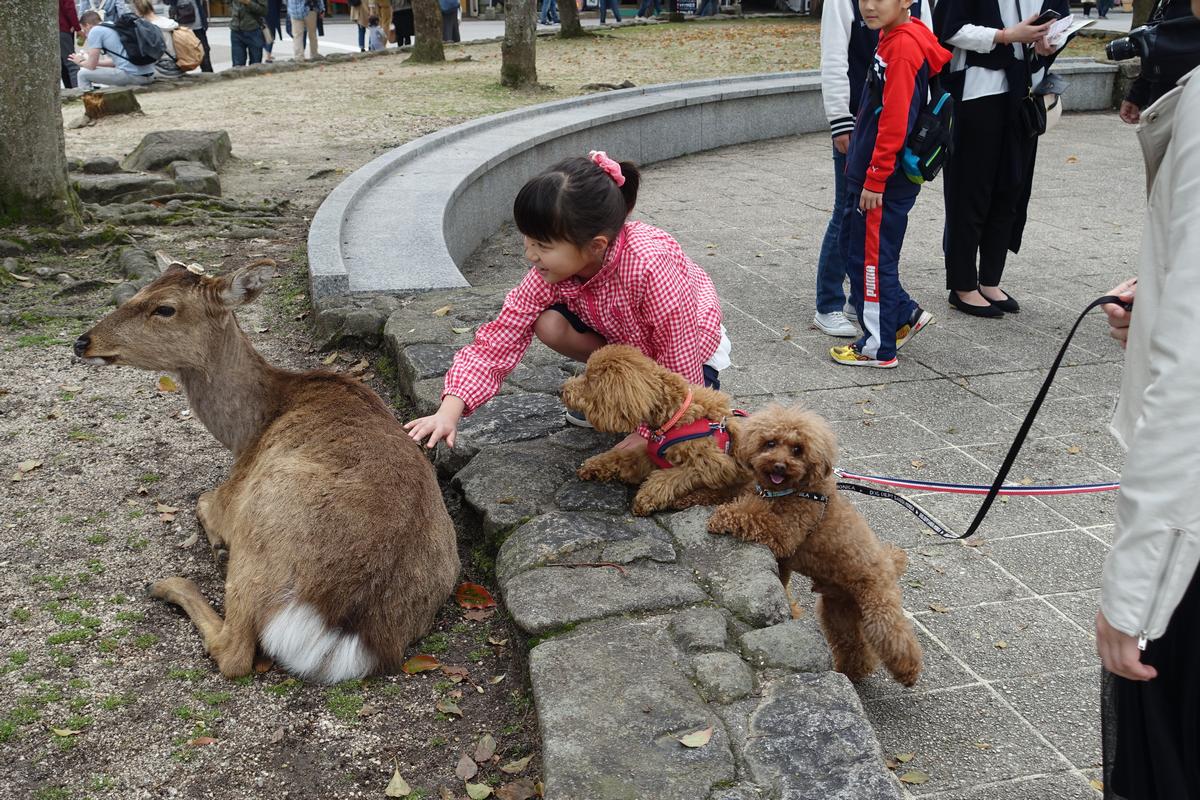
A young girl pets a deer on Miyajima Island while two small brown dogs look on.

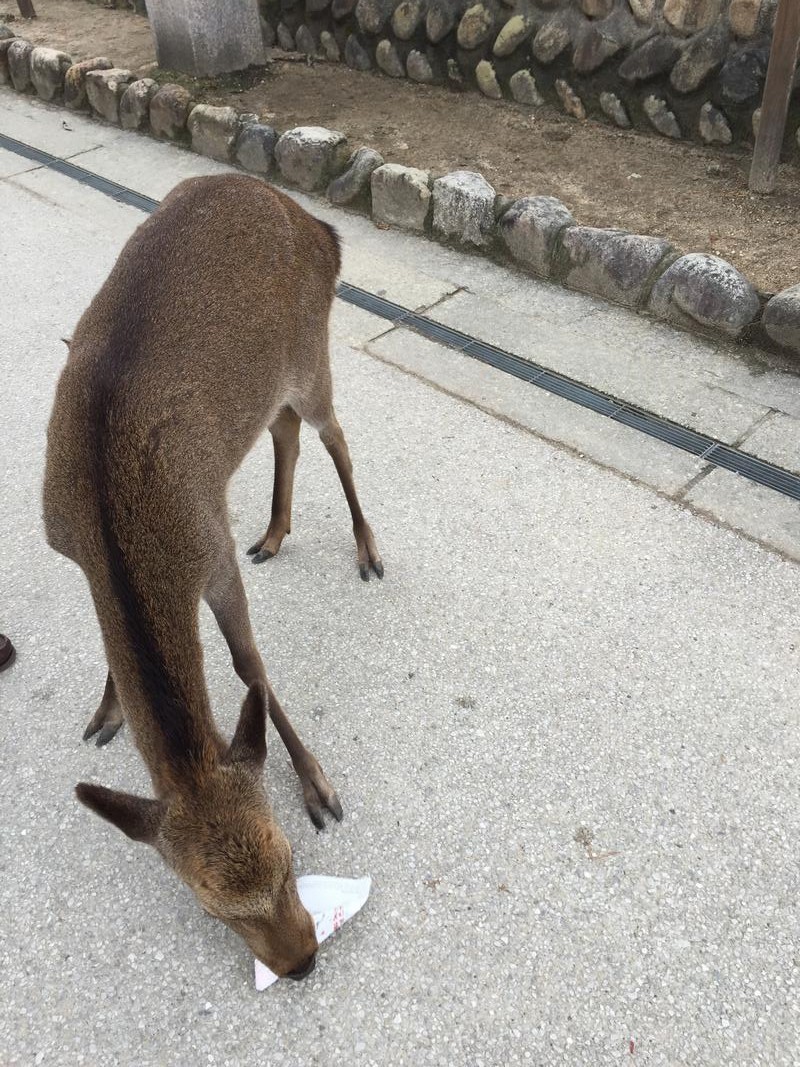
On a previous visit, a deer had grabbed my visitors map and
ate it in a blink of an eye. If you are bringing in food, be cautious as those
cute looking deer pack a rather powerful bite.
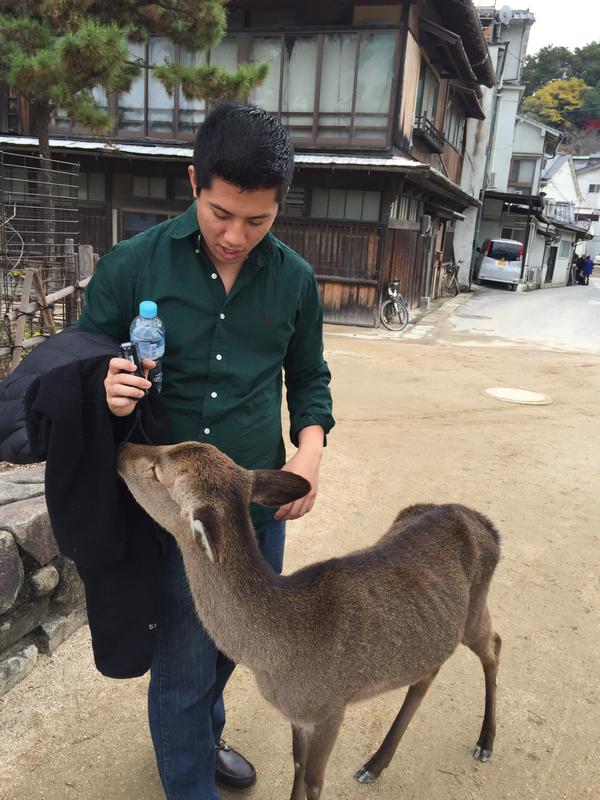
A man in a green shirt watches as a deer sniffs his jacket on Miyajima Island.

A deer on a paved path bends its head to inspect a white wrapper.

We headed down the main tourist walkway lined with numerous
shops selling various tourist souvenirs and snacks.

Cherry blossoms in full bloom frame a stream with a bridge, people, and wild deer on Miyajima Island.

 Miyajima is well
known for its oysters, and if you’re looking to bring a gift home, I’d suggest
buying a box of Momiji, a maple leaf shaped pastry filled with various sweets.
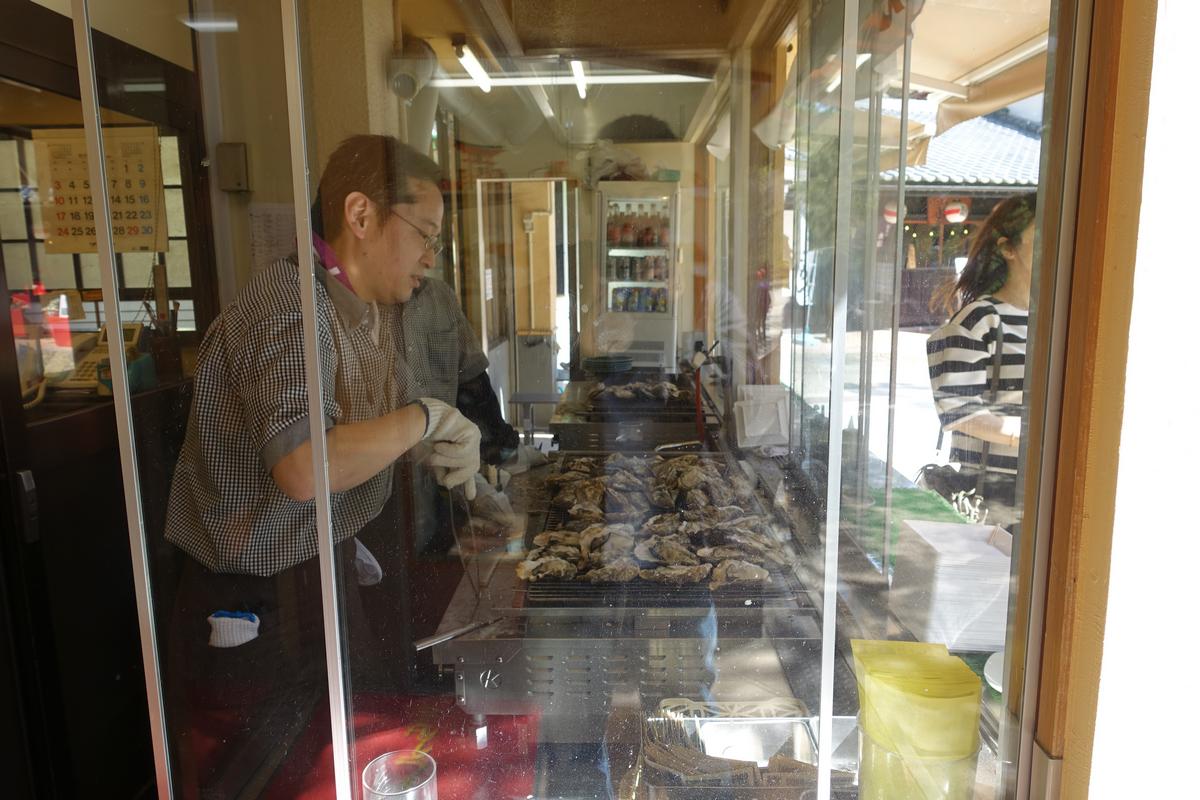
A vendor grills rows of oysters behind a glass window.

At the end of the main walkway are the world famous
Itsukushima Shrine and Torii gate. Depending on the time of day, you’ll either
see the shrine surrounded by water or the water recedes far enough that you’re
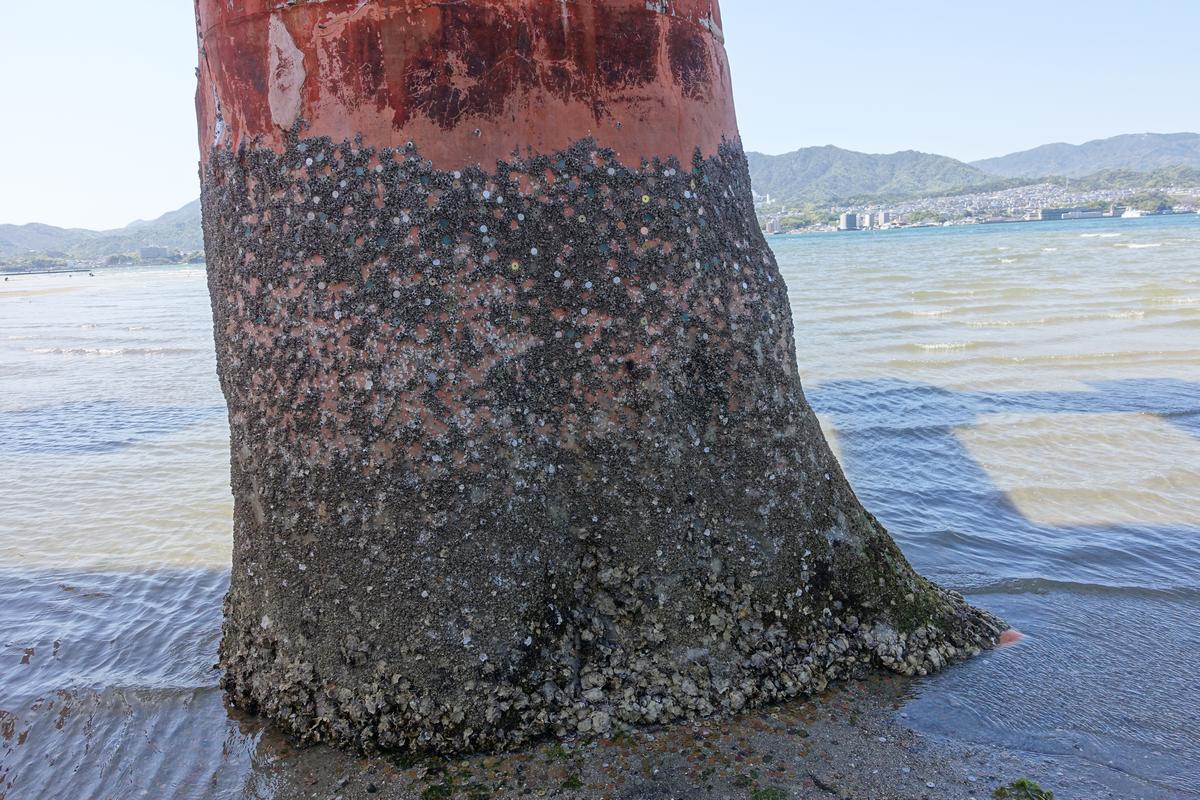
able to walk to Torii gate and place a coin for good luck.

The famous orange Great Torii Gate stands in the water at Miyajima Island, with cherry blossoms visible on the distant shore.

High Tide

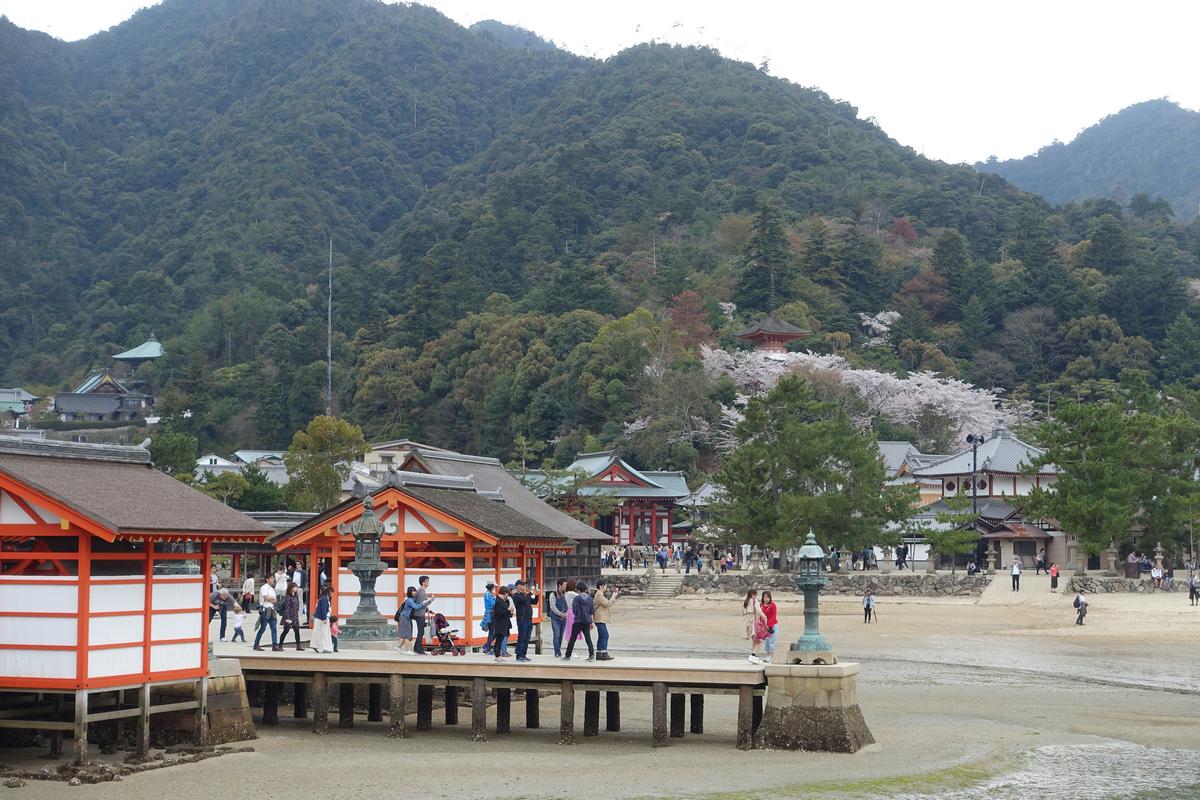
Tourists gather around the orange Great Torii gate at Miyajima Island during low tide, with cherry blossoms visible on the distant shore.

Close-up of the Great Torii gate's base covered in barnacles and coins, partially in the sea at Miyajima.

Low Tide

While being able to walk to the gate was a unique
experience, I’d recommend coming during hours of high tide, as the shrine is
particularly stunning during the late afternoon hours.
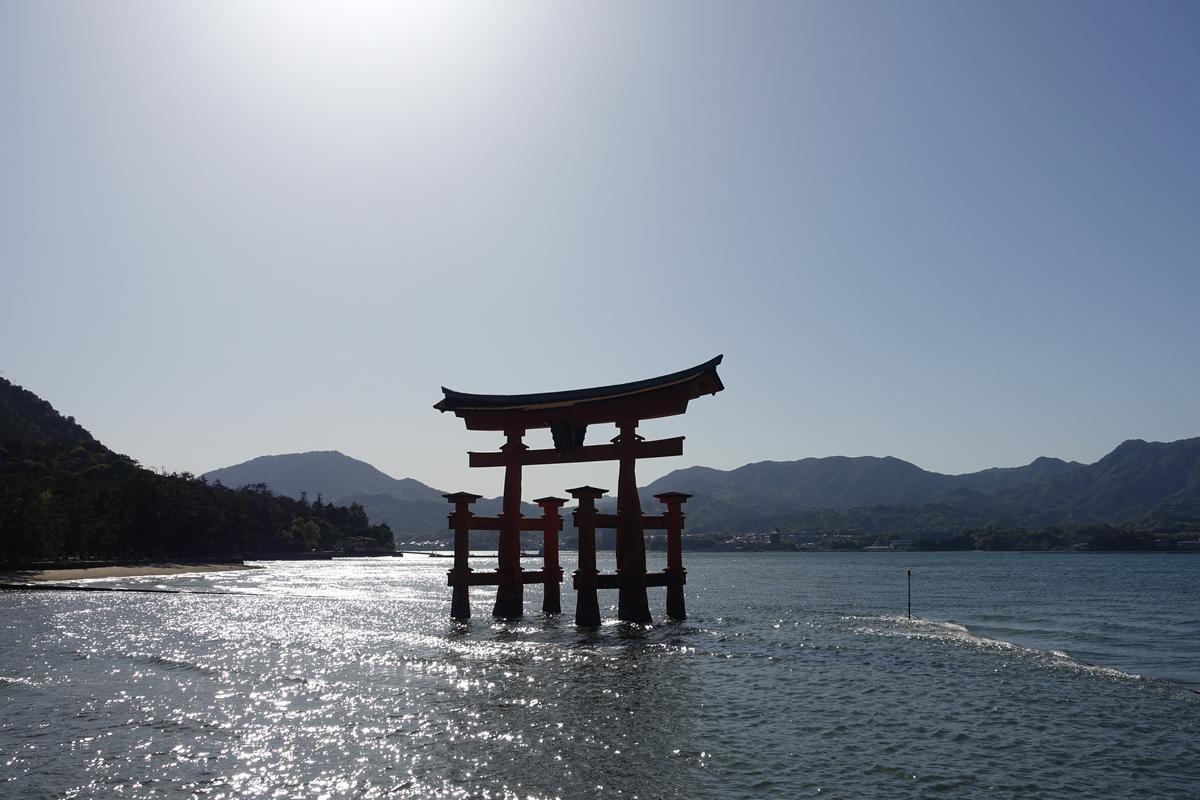
The iconic floating torii gate of Miyajima Island stands in the water against a bright sky and distant mountains.

People by traditional orange buildings at low tide, with cherry blossoms on the forested mountain.

Not as Picturesque

While the Itsukushima Shrine & Torii gate was indeed
jaw-dropping, the Toyokuni shrine was a slight disappointment, as the grand
wooden hall is essentially a hollow space inside.

A red pagoda and traditional temple are surrounded by cherry blossoms on Miyajima Island.

A long, elevated traditional Japanese wooden building with many visible beams and pillars, and a few visitors.

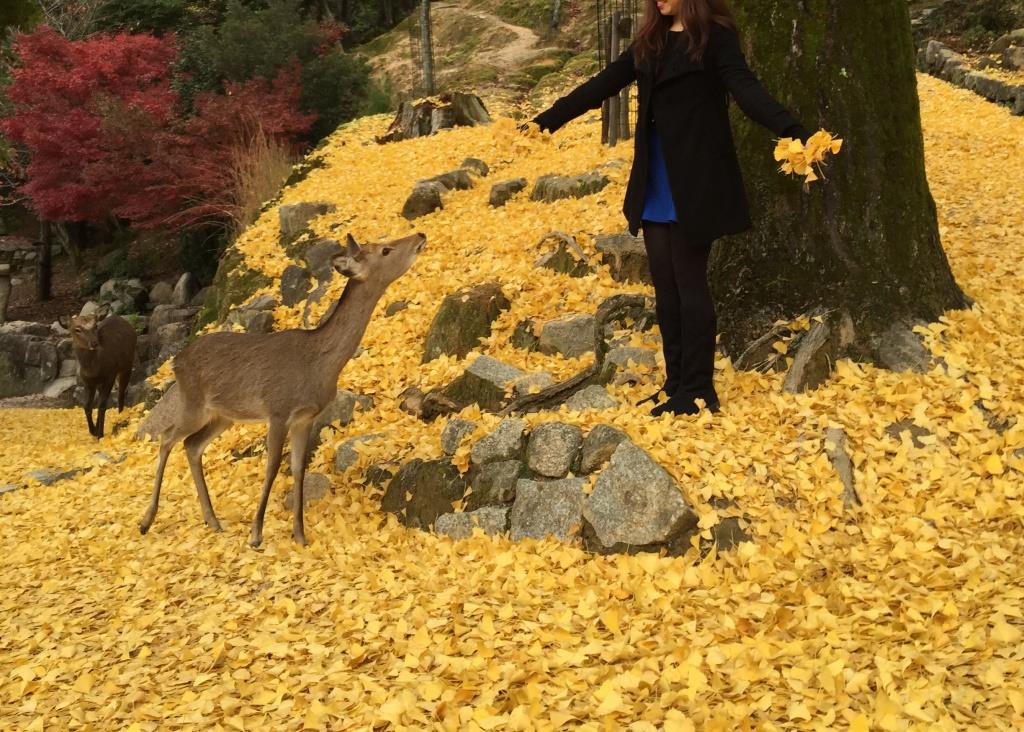
However, the area near the hall does look stunning during
the fall season, and you might even stumble upon a few wandering deer.
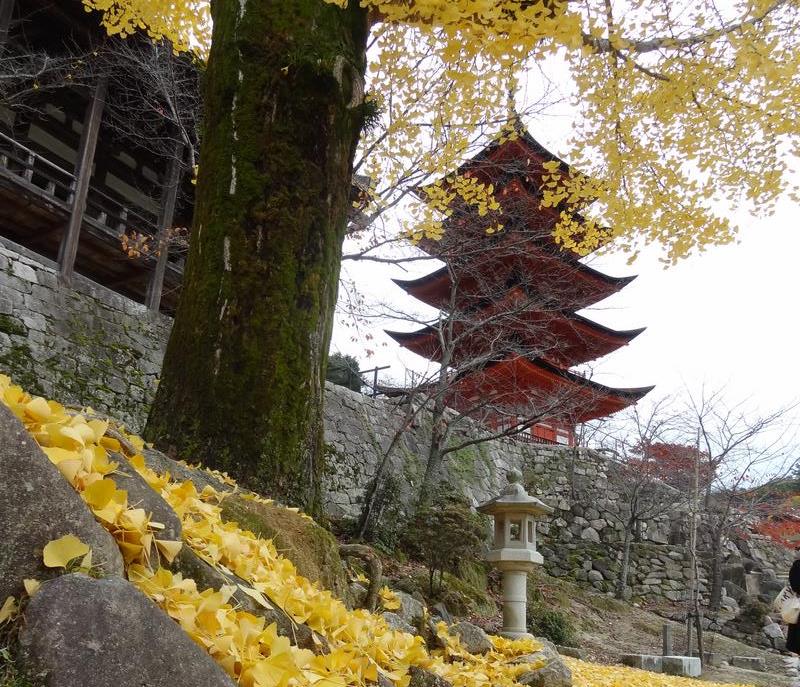
A red five-story pagoda is seen behind a large tree with yellow leaves scattered on the ground.

A person stands in a sea of golden ginkgo leaves with a deer looking up nearby.

After hitting the main tourist hot spots, we decided to
escape the crowds and headed to Momijidani Park towards the ropeway. Just a few
hundred meters from the main walkway and the crowds quickly thin out, and
you’ll soon find yourself inside an oasis of peace and serenity.
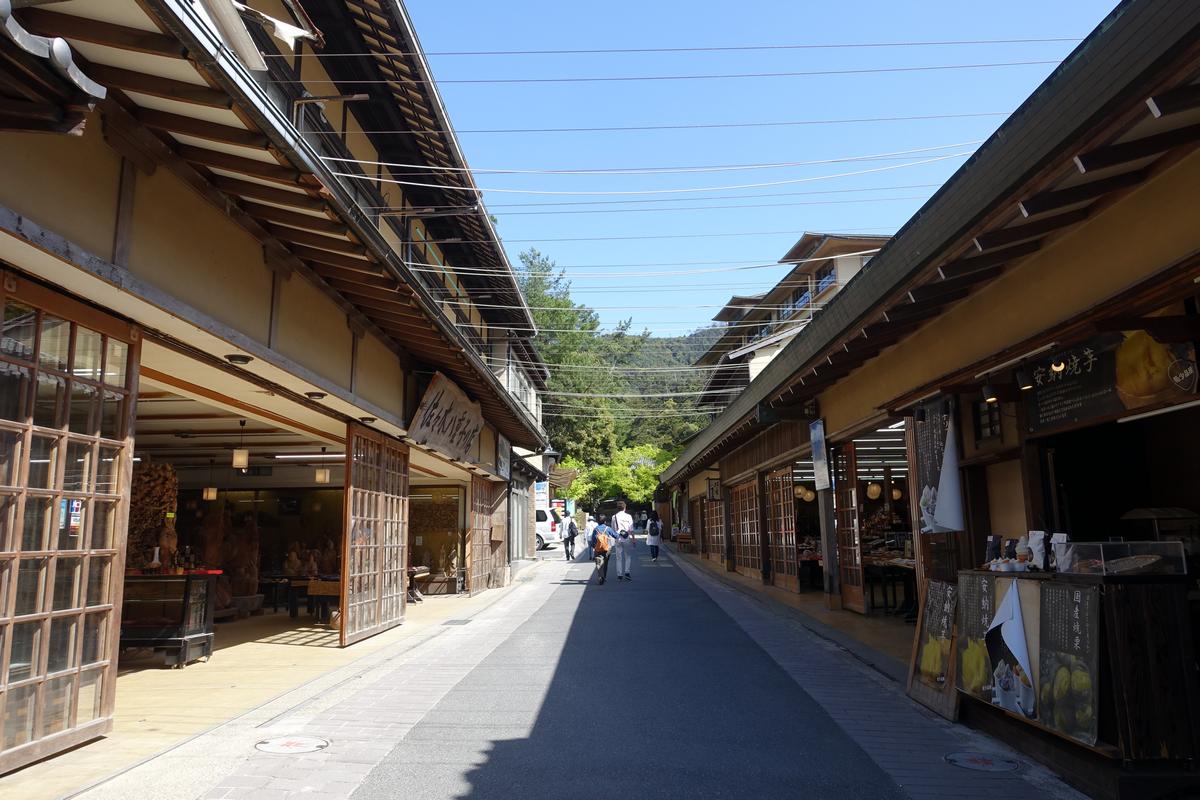
A traditional shopping street on Miyajima Island, lined with wooden shops and people walking.

A vibrant red traditional Japanese bridge spans a lush green landscape with a stone lantern nearby.

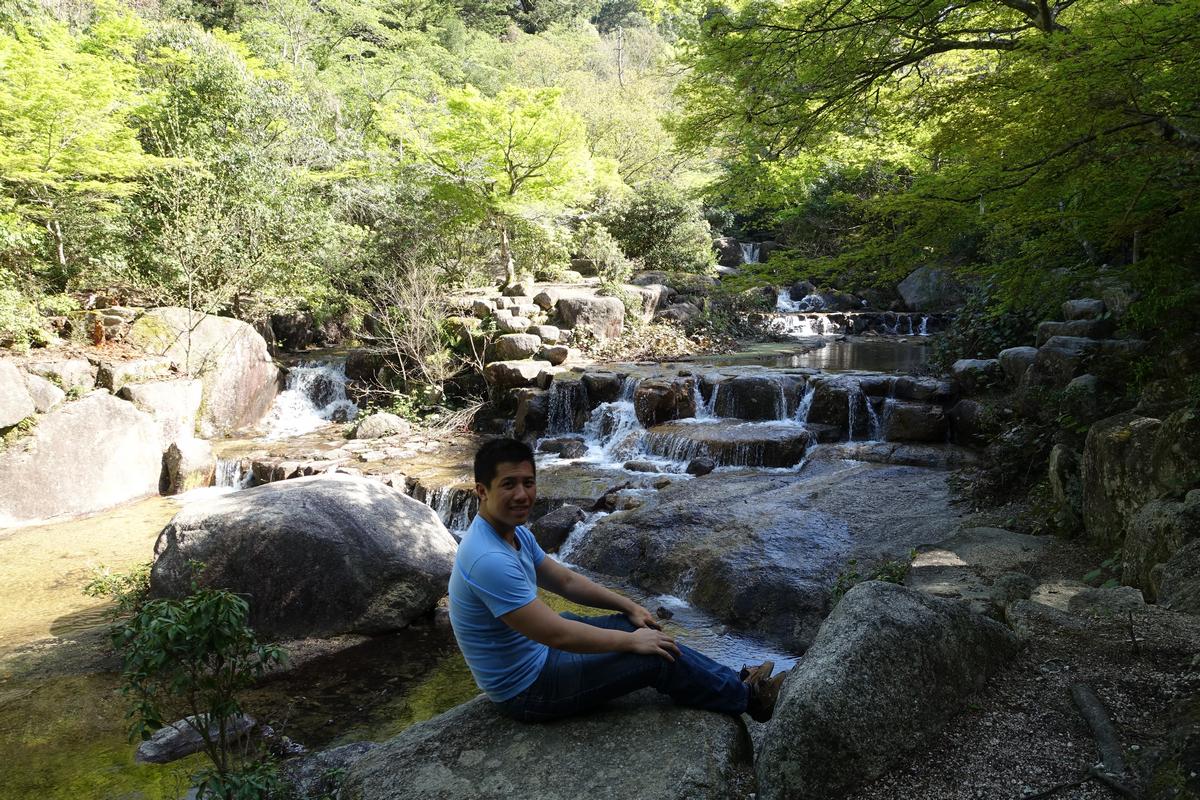
A smiling man rests on a large rock next to a cascading stream in a lush forest on Miyajima Island.

For those taking a day trip from Osaka, your time is
limited, and I’d advise skipping the ropeway and head back down but before
reaching the main walkway, take a sharp left head to the Tahoto Pagoda.

A red pagoda on Miyajima Island surrounded by blooming cherry blossom trees.

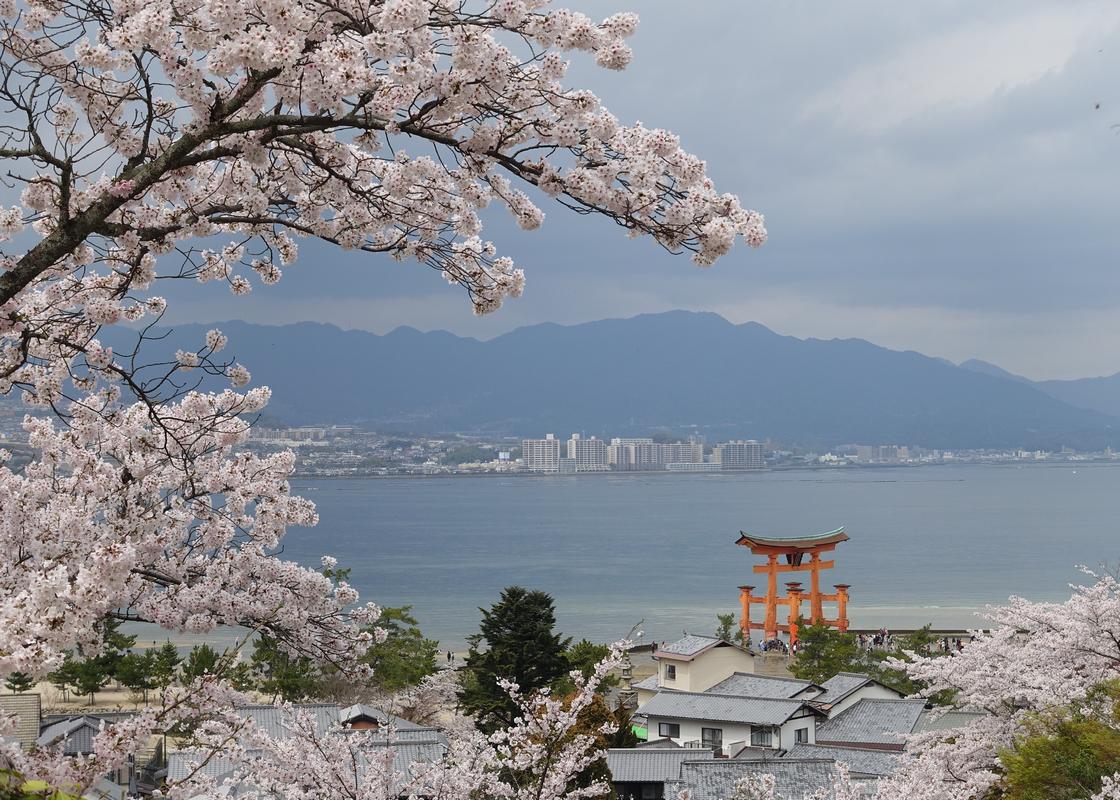
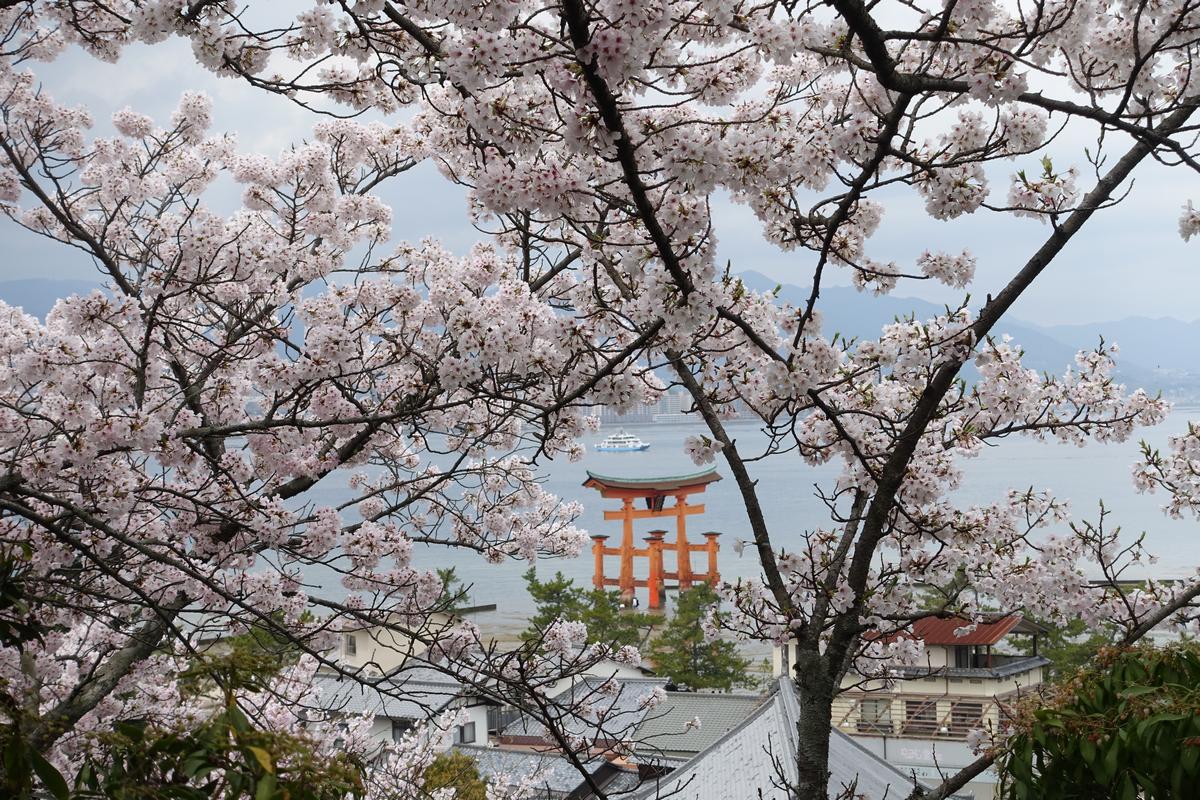
During the Sakura full bloom, the pagoda has a
postcard-perfect view where you can see the giant Torii gate surrounded by
Sakura blossoms.
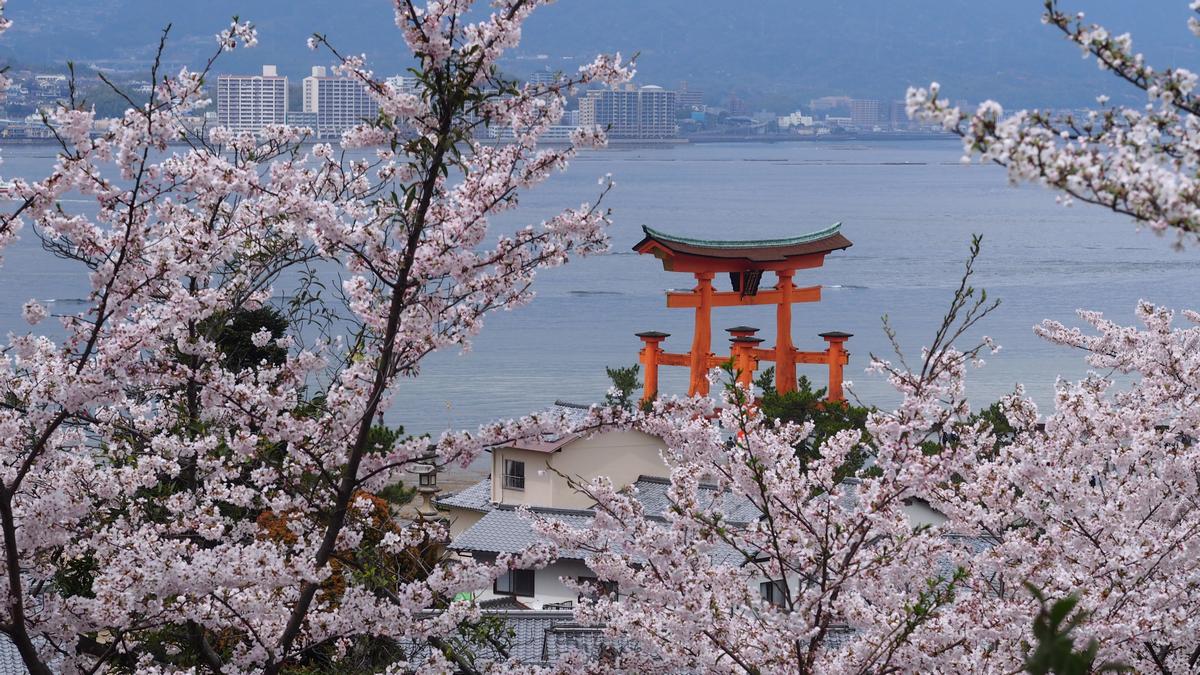
Cherry blossoms frame the iconic floating Torii gate at Miyajima Island.

Cherry blossoms frame the orange torii gate of Itsukushima Shrine on Miyajima Island.

Cherry blossoms framing the orange torii gate in the water at Miyajima Island.

Better yet, the Pagoda seems to be a well-hidden local
secret, with just a few Japanese tourists taking pictures and locals lounging under
the Sakura trees.

Cherry blossoms frame a view of the Five-Story Pagoda and temple buildings on Miyajima Island.

A post shared by Sam Huang (@intotheplane) on

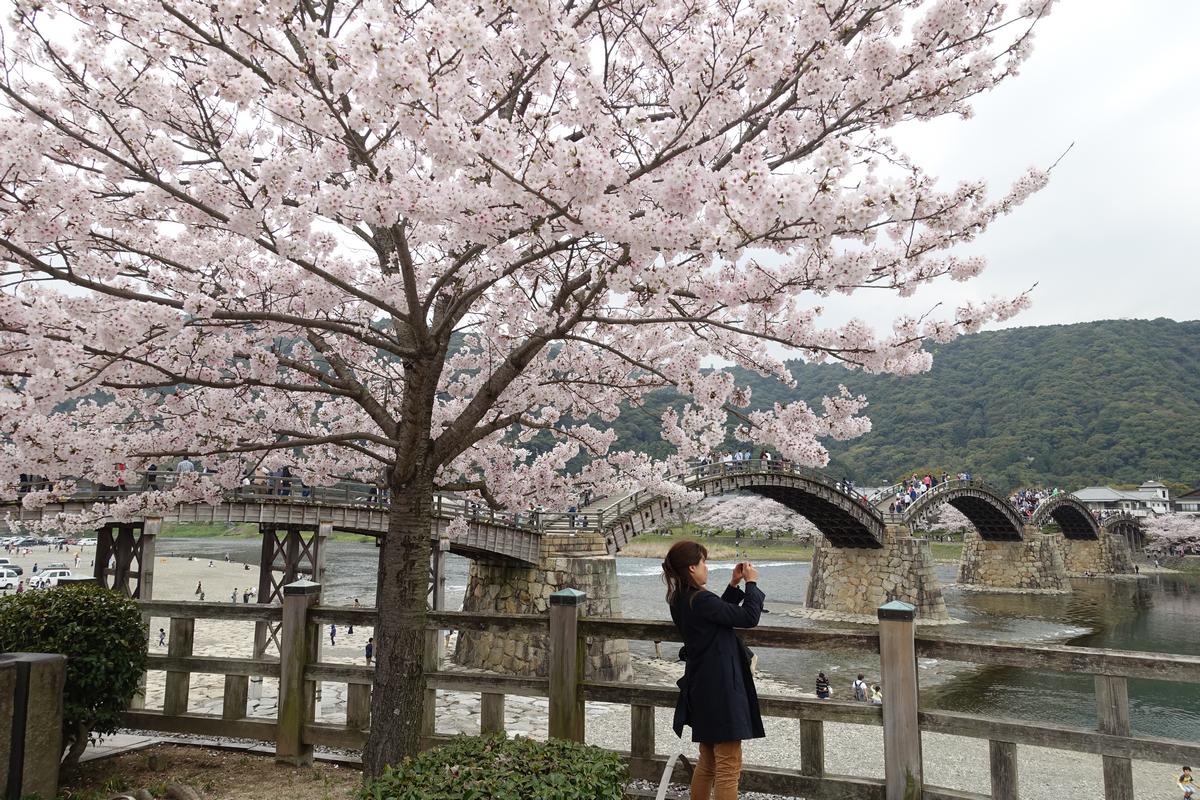
We then headed back to the ferry and headed to Iwakuni, one
of Japan’s most scenic bridges during Saukra.


Written By: Sam Huang

Hi, I'm Sam! I travel around the world primarily using frequent flier miles. Each week, I'll be sharing with you some of my most amazing travel experiences.

You can follow my adventures on Instagram and Twitter.